A penetrating fluid (or penetrating oil) is a low-viscosity blend of a volatile solvent and a thin lubricating oil. Its low surface tension lets it wick into microscopic gaps between rusted threads by capillary action. The solvent dissolves rust and debris while the oil lubricates the mating surfaces, so a seized nut, bolt, hinge or fastener can be freed with far less force.
Nuts and bolts that refuse to budge are every mechanic’s nightmare. It’s not uncommon for people to resort to extreme measures to unlock frozen fasteners. Such means include brute force, long arm leverage, and sometimes even heat from flame torches.

However, these methods are often fraught with the risk of causing irreversible damage to the fasteners.
That said, it is possible to use certain chemicals that make the process of releasing them much easier. These chemicals are known as penetrating oils. Read on to learn more, as we will teach you how to make some inexpensive at-home versions!
What Causes Nuts And Bolts To Freeze?
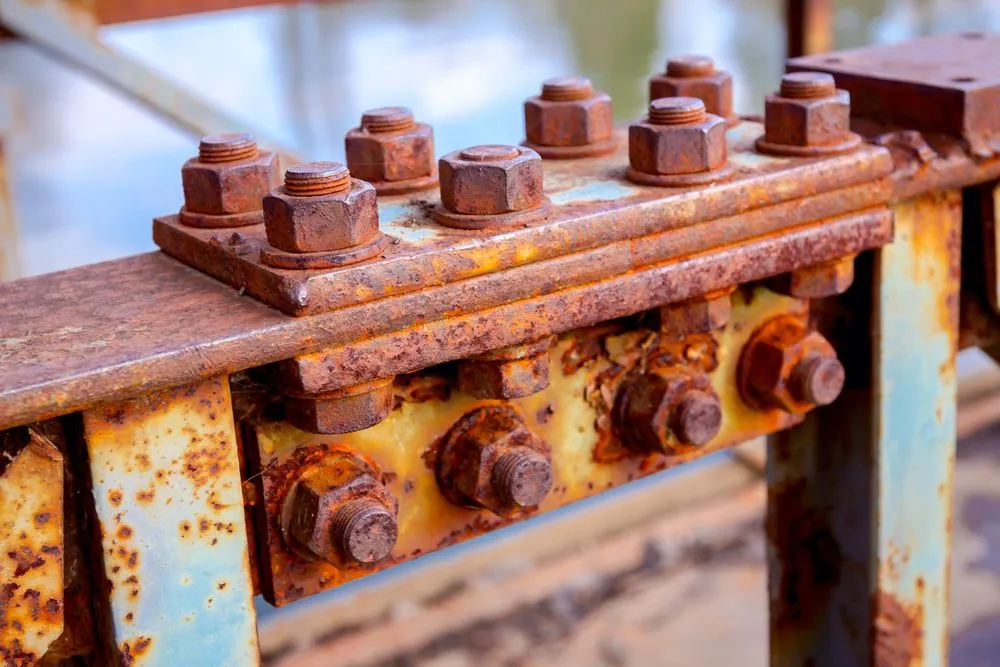
The manufacturing process of nuts and bolts involves stabilizing the exposed metal surfaces to prevent corrosion due to oxidation. When they’re tightened, the friction causes the anti-corrosive surface films to wear off. This promotes oxidation, and when combined with environmental conditions, dust and microscopic debris, this causes them to seize over time.
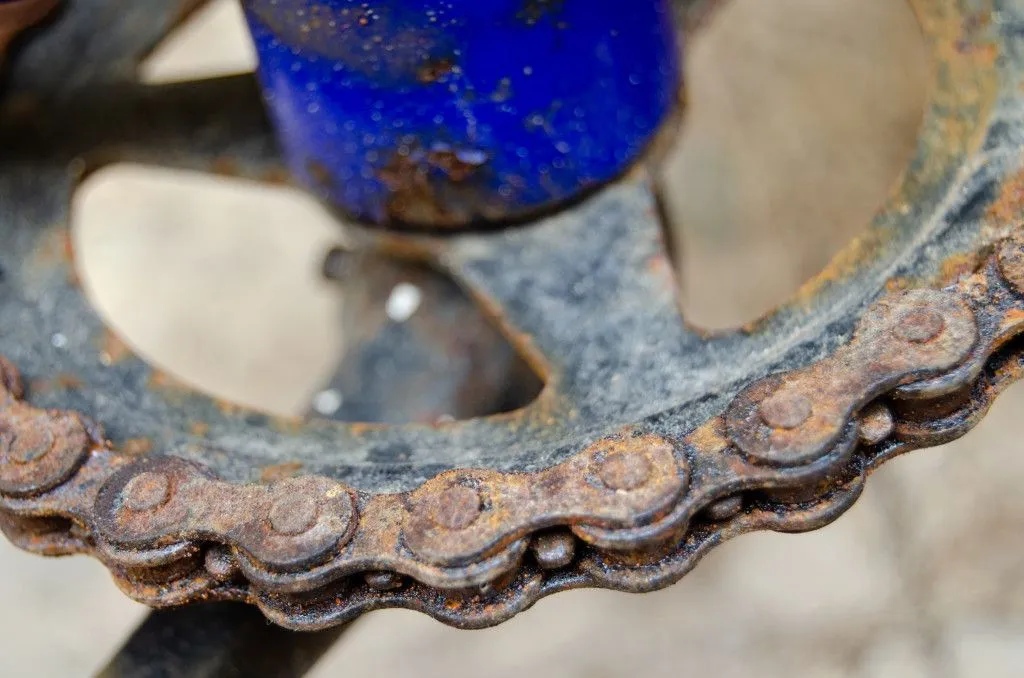
Seizing is not restricted to nuts and bolts, but other fasteners as well, such as rivets, chain links etc.
What Is A Penetrating Fluid?
Penetrating fluids present a viable chemical solution to the problem of frozen linkages and fasteners without having to employ extreme physical means. They are low-viscosity fluids composed of a solvent and a thin lubricating oil that are engineered to tackle seized fasteners. The household example most people recognize is WD-40, a name that famously stands for “Water Displacement, 40th formula” (a nod to the fact that its San Diego inventors got the rust-prevention chemistry right on the 40th attempt back in 1953). Let’s take a detailed look at how exactly they work.
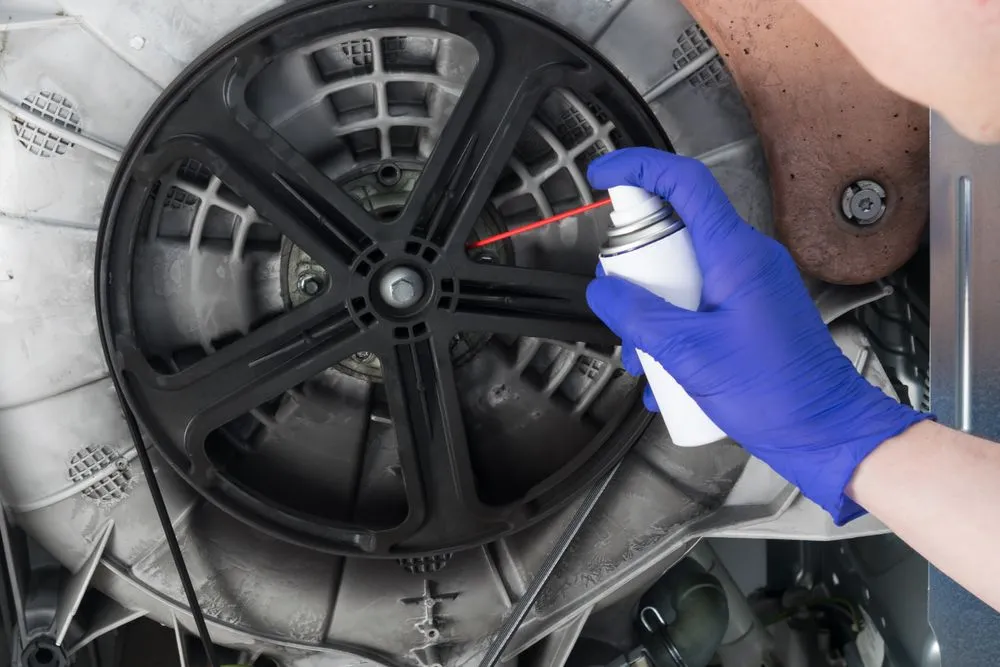
1. The solvent dilutes the lubricant, dropping the overall viscosity and surface tension. This is what lets the fluid creep into deep-seated areas by capillary action, the same physics that pulls water up a narrow tube. Penetrating oils are deliberately formulated with surface tensions of roughly 20–30 dynes/cm, low enough to wet a metal surface and wick into the microscopic gap between a stuck nut and bolt without any outside pressure.
2. Once inside, the solvent attacks the iron oxide bonding the parts together, and the lubricant slips into the freshly opened gaps. With friction dropped and the rust matrix loosened, the fastener can be turned with a fraction of the torque it would otherwise demand.
3. Penetrating fluids have hydrophobic properties. After the volatile solvent flashes off, they leave a thin, moisture-repellent oil film on the exposed surfaces of the fasteners, which inhibits further corrosion.
Various Types Of Penetrating Fluids
Penetrating fluids must be engineered differently to be useful in various situations. This can be achieved by changing the nature of lubricants based on the application.
1. Friction-based Applications
These are the most common applications of penetrating fluids. Friction can be static, such as in nut–bolt and rivet systems, or dynamic, such as in chain linkage or even machining operations. Penetrants used in such applications usually contain petroleum-based oils that have been diluted by means of solvents like acetone or kerosene. They are usually supplemented by additives to prevent oxidation.
2. High-temperature Applications
Amongst the most commonly used oils in penetrating fluids, direct petroleum derivatives are the most common. However, their low flash point, or the ability to ignite when mixed in air at a given temperature, makes them unsuited to high-temperature applications.
The best oils suited to such applications are composed of chemically synthesized polymers, such as poly-glycols, esters and diesters. Their high flash points make them ideal for such applications.
3. Electrical Applications

Oils with low dielectric strength or the ability to allow the passage of electricity without changing chemical composition, are not suited for such applications. Therefore, silicone-based oils that exhibit high dielectric strength and water resistance are employed in electrical applications.
Can Penetrating Fluids Be Used As Lubricants?
Penetrating fluids are often mistaken for the whole of any given job they are doing. That is to say, people often use them as a replacement for a dedicated lubricant or a corrosion inhibitor. However, it’s important to note that penetrants offer these properties as more of a stop-gap arrangement than a permanent solution.
The solvent used in penetrants is usually volatile, leaving behind a thin film of lubrication that will usually wear out more quickly than a dedicated lubricant, such as oil or grease. Similarly, they cannot be used as prolonged corrosion inhibitors. However, the inclusion of special additives can enhance desirable properties in the penetrating fluid.
Make Your Own
For those of us with a mechanical bent of mind or a love for handyman skills, penetrating fluids can be made at home. Since some chemicals involved in the process are corrosive, it is important to use protective gear like eyewear, respiratory masks and gloves.
Ingredients
Acetone, vegetable oil (optional), and automatic transmission fluid (available in most hardware and auto parts stores).
Equipment
Pump action oil can
Steps
1. Clean and dry the metal oil can thoroughly. Acetone chews away into plastic, so it is recommended to use metal canisters.
2. Take equal parts acetone and automatic transmission fluid and fill them in the oil can. If transmission fluid is not available, vegetable oil can also be used.
3. Seal the can and shake it vigorously.
Acetone is a very potent solvent, whereas the oils serve as lubricants, while preventing moisture ingress in areas that are prone to rusting.
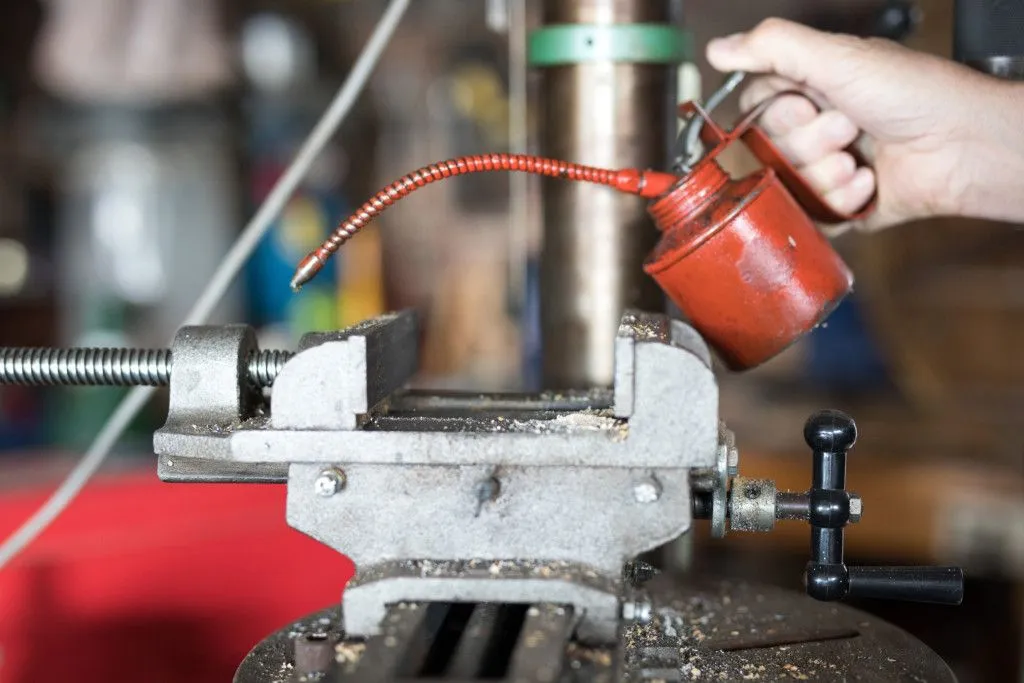
While the downside of the homemade version is the slight inconvenience of pumping it from an oil can rather than spraying it from an aerosol, the 50/50 ATF and acetone blend has become a backyard-mechanic favorite. A widely cited 2007 test by Machinist's Workshop magazine measured the breakout torque needed to free identically rusted bolts and found the homemade mix loosened them with less torque than any of the commercial products in the lineup (with the usual caveat that it was a small test with only a handful of samples per fluid).
References (click to expand)
- Intermolecular Forces in Action: Surface Tension, Viscosity, and Capillary Action. Chemistry LibreTexts.
- How Penetrating Oil Works: The Science Behind the Spray. WD-40 Company.
- Our History (Water Displacement, 40th formula). WD-40 Company.
- WD-40 Multi-Use Product, Safety Data Sheet (composition). WD-40 Company.
- Polyalkylene Glycol (PAG) Lubricants. MOLYKOTE / DuPont.