Table of Contents (click to expand)
Humans have affected the nitrogen cycle mainly by adding huge amounts of reactive nitrogen through fertilizers (made via the Haber-Bosch process), burning fossil fuels, and clearing land. This excess nitrogen drives algal blooms and dead zones in water, acid rain, smog, and nitrous oxide emissions that warm the planet and deplete the ozone layer.
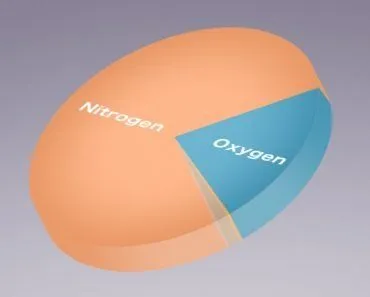
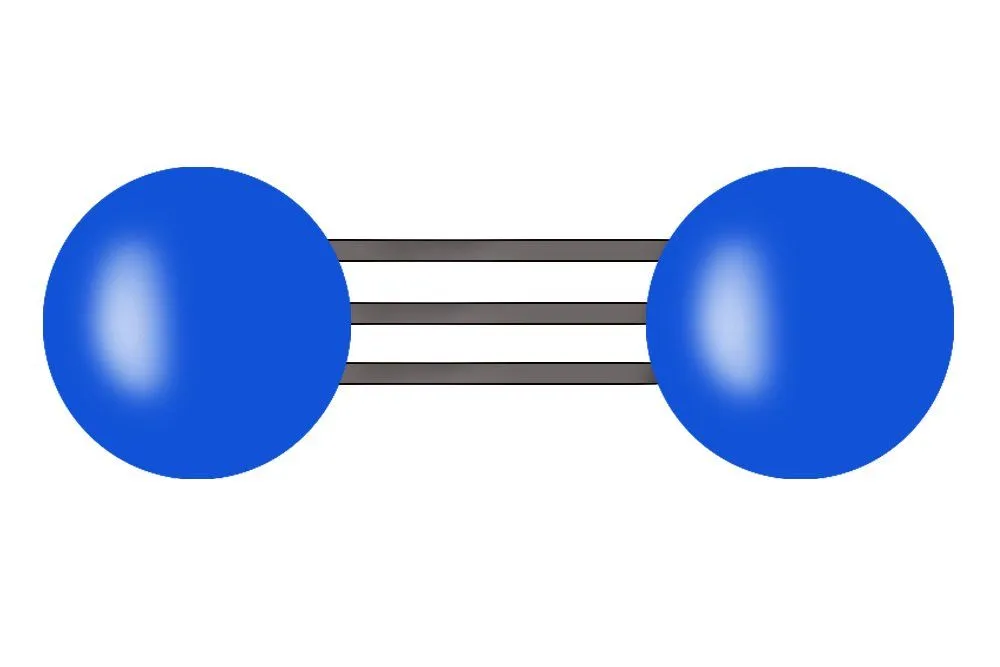
Nitrogen is one the essential elemental components of life on Earth. Nitrogen is part of our DNA and RNA, which by itself makes it very important for every living organism. The air that we breathe in is composed of approximately 78% nitrogen. However, all of that nitrogen is out of our reach! In the air, nitrogen exists as N2 molecules, which have triple bonding. This makes it impossible for us to break the bond between 2 nitrogen atoms in order to use it. So… how do we make it usable?
Nitrogen Cycle
Much like the concept of the water cycle, the nitrogen cycle is the cyclic movement of nitrogen through the air, land and water. It’s called a geochemical cycle, referring to the fact that geological and chemical factors are both involved. The nitrogen cycle involves the conversion of atmospheric nitrogen into usable compounds and their subsequent conversion back to the atmospheric form. There are a number of processes involved in this, and microorganisms play essential roles in the conversions.
Processes In The Nitrogen Cycle
The first process of the nitrogen cycle is nitrogen fixation. This is the process of converting atmospheric nitrogen into usable compounds like ammonia, nitrates, nitrites, etc. This is done via several activities. The energy generated during lightning causes oxygen and nitrogen to combine to form nitric oxide, which forms nitrogen dioxide, which is converted to nitric acid. This nitric acid is washed down to Earth via rain, snow, and other forms of precipitation.
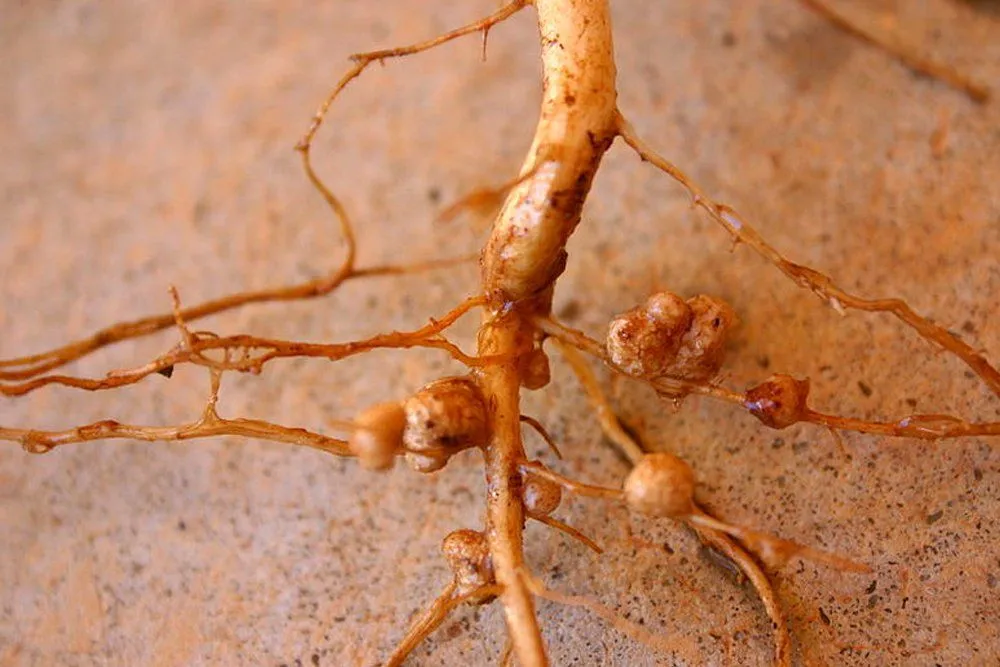
One of the most important sources of nitrogen fixation are nitrogen-fixing organisms. These are microorganisms that can convert atmospheric nitrogen into ammonia. The ammonia is then converted by other microorganisms into nitrates and nitrites. These compounds are taken up by plants. The nitrogen-fixing bacteria, such as Rhizobium, live in nodules on the roots of leguminous plants, whereas organisms like Azotobacter are free living, existing in the soil.
The artificial method of converting N2 to usable compounds is the Haber-Bosch process. It is an industrial process that converts N2 into ammonia, which is used in fertilizers. The conversion of ammonia into nitrates and nitrites is known as nitrification.
The organic nitrogen compounds are taken up by plants. Through plants, they are then taken up by other organisms, directly or indirectly, in the form of amino acids, proteins, etc. The water-soluble nitrogen compounds are drained into the sea. Thus, nitrogen moves through the biotic cycle. The final step of the nitrogen cycle is denitrification. This is the return of nitrogen compounds to dinitrogen molecules, followed by their subsequent release into the atmosphere. When plants and animals die, they decay and release their nitrogen as ammonia, a step called ammonification. (The conversion of ammonia to nitrites and then nitrates, by contrast, is nitrification, carried out by bacteria like Nitrosomonas and Nitrobacter.) In oxygen-poor soils and sediments, denitrifying bacteria such as Pseudomonas and Paracoccus convert nitrates and nitrites back into dinitrogen, which is then released into the atmosphere. This ends the nitrogen cycle.
Human Impact On The Nitrogen Cycle
We humans have an unparalleled ability to interfere with the natural order of things. Therefore, it comes as no surprise that we have managed to alter and negatively affect the nitrogen cycle by our actions. While it may not be possible to determine and discuss how far-reaching the consequences of our actions are, we can get some idea of the major disastrous changes brought about by anthropogenic activities.
Nitrogen is a limiting factor in the growth of plants. A limiting factor is the factor that determines how many plants will grow, due to that “factor” being the least easily available nutrient. Once we figured out that certain plants enriched the soil’s nitrogen content, farmers changed their pattern of farming to inculcate leguminous plants into every second cycle of plants that are grown on a given patch of land.
Natural, nonagricultural organisms fix roughly 100-300 Tg (teragrams, where one teragram is a million metric tons) of nitrogen per year. Widespread cultivation of nitrogen-fixing crops like legumes added about another 40 Tg. The biggest jump, though, came from the Haber-Bosch process, which today fixes well over 100 Tg of reactive nitrogen per year, most of it bound for fertilizer. Other activities that load reactive nitrogen into the environment include the burning of fossil fuels, clearing vast spaces for agriculture (which frees up nitrogen stored in soils), draining wetlands, and so on.
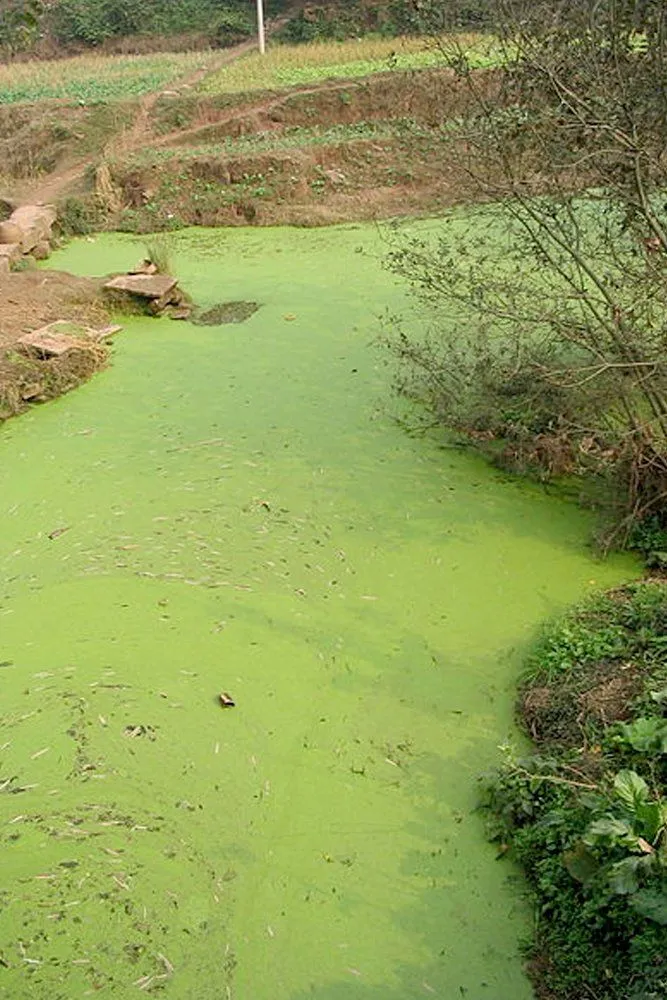
There is no denying that increasing the nitrogen content of the soil has helped in feeding plenty of people around the world. However, the increase of reactive nitrogen has also led to increased pollution, acid rain, and lower visibility. Nitrogen oxides can also lead to the formation of ozone in the lower levels of the environment, which worsens respiratory problems like asthma.
Nitrous oxide (N2O), another product of the disrupted nitrogen cycle, is a potent greenhouse gas (about 270 times more powerful than carbon dioxide over a century) and therefore contributes to global warming. It is also now the single largest ozone-depleting substance being released, breaking down high in the stratosphere and chipping away at the protective ozone layer. So while nitrogen pollution helps build up harmful ozone near the ground, nitrous oxide destroys the beneficial ozone far above us.
Another major effect of the increase of reactive nitrogen is eutrophication. The increase of nitrogen compounds in the sea and soil has led to the increased growth of microbes and algae. This leads to algal blooms, which threaten the life of other marine creatures in water bodies.
These are just some of the harmful effects that our activities have on the natural cycle of things. It is essential for us to get these things under control, before we cause irreparable damage to our environment and our future.