Mostly, yes, all toothpastes are basically the same. Modern toothpastes almost universally use sodium fluoride (about 1,000–1,500 ppm) as the active ingredient that prevents cavities, plus an abrasive (often hydrated silica) and detergents and flavorings. The “different types” (whitening, enamel-repair, sensitivity, anti-cavity) mostly tweak the abrasiveness or add a single extra ingredient like potassium nitrate or NovaMin. Brushing technique matters far more than brand.
Go to the supermarket to buy a trivial item like toothpaste, and you’ll be amazed at the number of different brands that make and sell toothpastes. There are whole rows and columns of different toothpastes, some claiming to work for sensitive teeth, while others whiten the teeth, take care of the gums, or give you a fresh breath. Some of them… well, they just taste good!
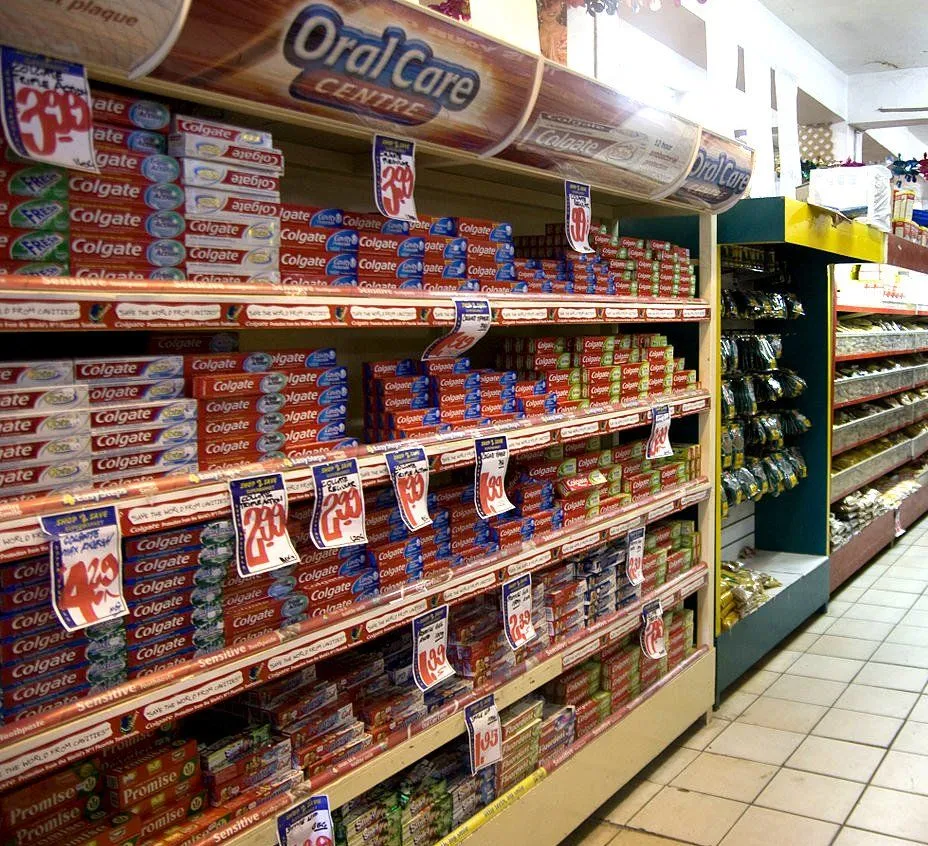
The staggering variety in toothpastes aside, at the end of the day, they’re just toothpastes. The question is, therefore, what’s the difference between all those different kinds of toothpastes?
You may be surprised by the answer…
All Toothpastes Are Basically The Same
Barring a few extra ‘features’ that toothpaste manufacturers add to their product to make it more appealing to customers, all toothpastes are basically the same. There’s really not a lot of difference among different types and brands of toothpaste. As such, you really don’t have to put much thinking into what kind of toothpaste brand you should go for (unless, of course, you want to do that).
You have surely noticed that most toothpaste ads say “9 out of 10 dentists recommend xxxx brand”. However, it’s interesting to note that those ads only say that because dentists recommend that people simply use toothpaste. And that’s it!

Dentists don’t generally recommend any one toothpaste brand (except in certain cases where the toothpaste ingredients may be medicinally favorable for a given patient); they just want you to use some type of toothpaste. Period.
And if you are a toothpaste maker, your product should really do just two things in order to be approved by the relevant governmental agency: 1) improve oral hygiene and 2) not cause any harm to the user.
Common Additives In Different Toothpastes
Whitening Toothpaste
A toothpaste that claims to whiten your teeth like no other toothpaste generally contains a higher level of abrasives, or certain other additives that ‘scrub’ the surface of the teeth clean. However, it should be noted that excessive use of such toothpastes can wear down the enamel layer and cause sensitivity problems.
‘Enamel Repair’ Toothpaste
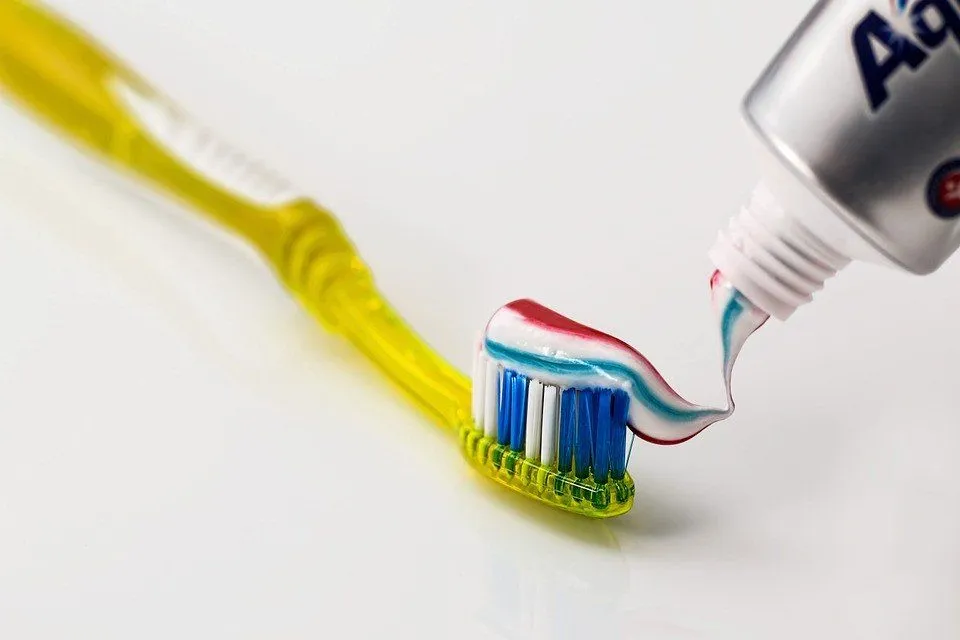
This toothpaste consists of calcium-based substances that are reputed to replace the surface layer of enamel. They are essentially a stopgap, and as such, the material that such a toothpaste deposits on the surface of the teeth is removed rather quickly. Note that enamel cannot be replaced manually. Thus, such ‘enamel repair’ toothpastes have a minimal effect over a long period of time.
Sensitivity Toothpaste
Sensitive teeth… now, that’s a really nasty problem, especially for people who are fond of ice cream.
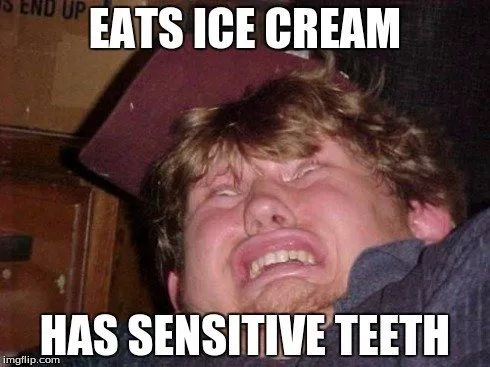
The toothpastes that are known to cure tooth sensitivity usually have potassium nitrate as their main ingredient (modern sensitivity toothpastes may also contain NovaMin), which works to calm the nerves in the teeth. Thus, if you have sensitive teeth and use such toothpastes, you most likely won’t feel swords slashing through your teeth and gums every time you eat something cold and/or sweet.
“Anti-cavity” Toothpaste
Also called fluoride toothpaste, an anti-cavity toothpaste usually contains higher levels of fluoride in it than a regular toothpaste. There are also “cavity protection’ toothpastes, which essentially deliver fluoride to the enamel. This can be done through the addition of sodium fluoride to the toothpaste, which is actually known to improve the health of the enamel layer.
However, almost all modern toothpastes have sodium fluoride in them, so getting an ample supply of fluoride to the teeth is not a problem, regardless of which toothpaste you use.
What Are The Main Types Of Toothpaste?
If you stand in front of the toothpaste aisle long enough, the labels start to blur together. But strip away the marketing and almost every tube on the shelf falls into one of a handful of categories. Here are the main types of toothpaste you’ll actually run into, and what each one really does.
- Anti-cavity (fluoride) toothpaste. The default, and the one that matters most. The American Dental Association notes that every cavity-fighting toothpaste it accepts contains fluoride, usually as sodium fluoride, stannous fluoride, or sodium monofluorophosphate, which strengthens enamel and helps reverse the earliest stages of tooth decay.
- Whitening toothpaste. Mostly just a slightly grittier abrasive system that scrubs off surface stains, sometimes paired with a little peroxide. It lifts coffee and tea stains, but it can’t bleach the deeper color of your teeth the way a dental treatment can.
- Tartar-control toothpaste. These add ingredients like pyrophosphates or zinc citrate that stop the calcium and phosphate in plaque from crystallizing into hardened tartar. They help prevent new tartar, but they can’t remove the tartar that has already set, which only a dentist can scrape off.
- Sensitivity toothpaste. Built around desensitizing agents such as potassium nitrate or stannous fluoride that quiet the nerve signals from exposed dentin, so cold and sweet foods stop feeling like an electric shock.
- Natural / fluoride-free toothpaste. A growing shelf that includes charcoal, baking soda, and hydroxyapatite formulas. Baking soda (sodium bicarbonate) is a genuinely gentle, low-abrasivity cleaner, and hydroxyapatite, the same mineral your enamel is made of, performs comparably to fluoride for remineralization in recent reviews. Charcoal is the outlier: a major review found no solid evidence it whitens or cleans better, and it can be needlessly abrasive.
- Children’s toothpaste. Usually milder in flavor and often lower in fluoride. The ADA recommends a smear (about the size of a grain of rice) for kids under three and a pea-sized amount for ages three to six, with brushing supervised so they swallow as little as possible.

So, how many “types” are there really? It depends on how you count, but the everyday lineup boils down to these six, and the overlap between them is enormous. A single tube can easily be anti-cavity, whitening, and tartar-control all at once.
What’s Actually In Your Toothpaste?
The reason all those tubes are more alike than different becomes obvious once you look at what’s inside them. Most toothpastes have just one active ingredient (fluoride), occasionally a second for sensitivity, and then a small, predictable cast of supporting players that show up in almost every brand.

- Fluoride is the one truly active ingredient in most toothpastes, the part that actually prevents cavities. Everything else is there to deliver it pleasantly.
- Abrasives like hydrated silica, calcium carbonate, or aluminum oxides do the physical scrubbing that lifts plaque and surface stains. How gritty a paste is gets measured on the Relative Dentin Abrasivity (RDA) scale; the ISO standard caps accepted toothpastes at an RDA of 250, and a lifetime of brushing below that limit causes virtually no wear to enamel.
- Detergents, usually sodium lauryl sulfate (SLS), create the familiar foam and help loosen debris so it rinses away.
- Humectants such as glycerol, sorbitol, or propylene glycol keep the paste moist so it doesn’t dry into a hard plug in the tube.
- Thickeners and binders (natural gums or cellulose) hold everything together as a smooth gel, and flavorings (mint, cinnamon, bubblegum) make the whole thing bearable twice a day without adding any sugar.
That’s essentially it. The “different types” of toothpaste are mostly just this same recipe with one ingredient dialed up or swapped out, which is why protecting the enamel you already have comes down far more to how you brush than to which tube you grabbed.
In a nutshell, while it’s a good practice to consult your dentists before buying and “committing” to a particular kind of toothpaste, what you should always remember is that the physical action of brushing your teeth the right way is far more important than the kind of toothpaste you use.
References (click to expand)
- (2012) Remineralization Effect of Topical NovaMin Versus Sodium .... The National Center for Biotechnology Information
- Davies, R. M., Ellwood, R. P., & Davies, G. M. (2003, February). The rational use of fluoride toothpaste. International Journal of Dental Hygiene. Wiley.
- Walsh T, Worthington HV, Glenny AM, Appelbe P, Marinho VCC, Shi X. Fluoride toothpastes of different concentrations for preventing dental caries in children and adolescents. Cochrane Database of Systematic Reviews 2010, Issue 1. Art. No.: CD007868.
- How does fluoride strengthen teeth and why add it ... - Tufts Now. Tufts University
- Are There Benefits to Using Fluoride-Free Toothpaste?. The University of Utah
- Toothpastes (active and inactive ingredients). American Dental Association, Oral Health Topics.
- Fluoride: Topical and Systemic Supplements (children’s toothpaste amounts). American Dental Association.
- Brooks JK, Bashirelahi N, Reynolds MA (2017). Charcoal and charcoal-based dentifrices: A literature review. Journal of the American Dental Association. PubMed.
- The role of hydroxyapatite-based, fluoride-free toothpastes on remineralization: A systematic review and meta-analysis (2025). Journal of Dentistry. PubMed.
- Tartar Control (pyrophosphates and zinc salts as anti-calculus agents). Dentalcare.com.