A freshly cut apple turns brown because its cells contain a copper-based enzyme called polyphenol oxidase (PPO). The moment the cut surface meets air, PPO uses oxygen to convert colourless phenolic compounds in the apple into o-quinones, which then polymerize into brown, melanin-like pigments. Block the oxygen, lower the pH, or denature PPO with heat, and the browning stops.
I have always been fond of apples. They’re sweet, juicy, crispy and most importantly, they keep doctors away!
But they do have a major drawback – freshly cut apples, if left in the open, eventually turn brown. Well, technically, it’s not their drawback, but it’s certainly something that makes it a less ideal fruit for people who eat slow!
The question is, why do freshly cut apples turn brown? And perhaps more importantly, what can be done to keep apples from taking on that brownish hue?
The ‘Browning’ Of An Apple
Take a bite, or as many as you want, from a fresh, bright red apple, but make sure you finish off the apple soon after, i.e., never make the mistake of taking a bite or two and then leaving it in the open for an hour, unless you want to eat a flaccid brownish mess that was once your apple.
It seems that apples have a self-destruct switch inside them that gets activated the moment you cut it with a knife or take that first bite. It gradually starts to turn brown and mushy. To a 3-year-old who believes that Hogwarts is real (for the record, many adults also believe this), it might seem like some sort of sorcery, but in reality, it’s just science. In fact, this is a classic example of what adults like to call an ‘oxidation reaction’.
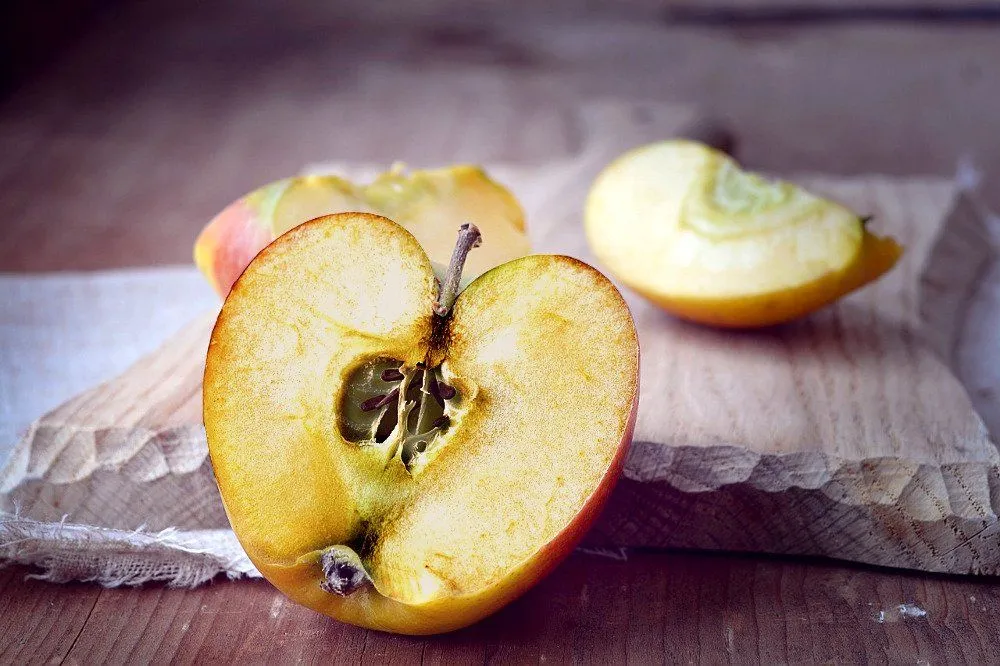
Oxidation Of A Freshly Cut Apple
Living tissue (fruit, vegetable or animal) is packed with enzymes that do specialised chemical work. One of those enzymes, present in the flesh of apples (and in close cousins like the tyrosinase that makes melanin in our skin), is Polyphenol Oxidase, commonly abbreviated as PPO. It’s a copper-containing enzyme that needs oxygen to do its job.
When an apple is cut, the oxygen present in the surroundings comes in contact with the ‘injured’ plant tissue. When this happens, the PPO enzymes (present in the chloroplasts) react with the phenolic compounds (which are naturally present in the apple tissues). In more chemical terms, you’d say that PPO enzymes ‘oxidize’ the phenolic compounds, which is why this reaction is classified as an oxidation reaction.
As a result of this oxidation reaction, colorless o-quinones are formed, which, after a few subsequent chemical reactions (with proteins or amino acids), lead to the browning of any freshly cut apple.

Now that you know what goes on in the background when an apple turns brown, let’s look at a few ways that can prevent this breakdown from happening.
How Can You Keep Apples From Turning Brown?
There are two approaches to dealing with the ‘browning apple’ problem: you can either take out the oxygen from the equation or hinder the functioning of the PPO enzymes.
Taking oxygen out of the system is easy; you just have to cut off the oxygen supply to the half-eaten apple. This can be done in multiple ways – you can coat the apple with sugary syrup, lemon juice or any other citrus fruit juice. This will put a physical barrier between the exposed cells in the flesh and the surrounding oxygen, which will decrease the diffusion of oxygen through the apple’s cells.
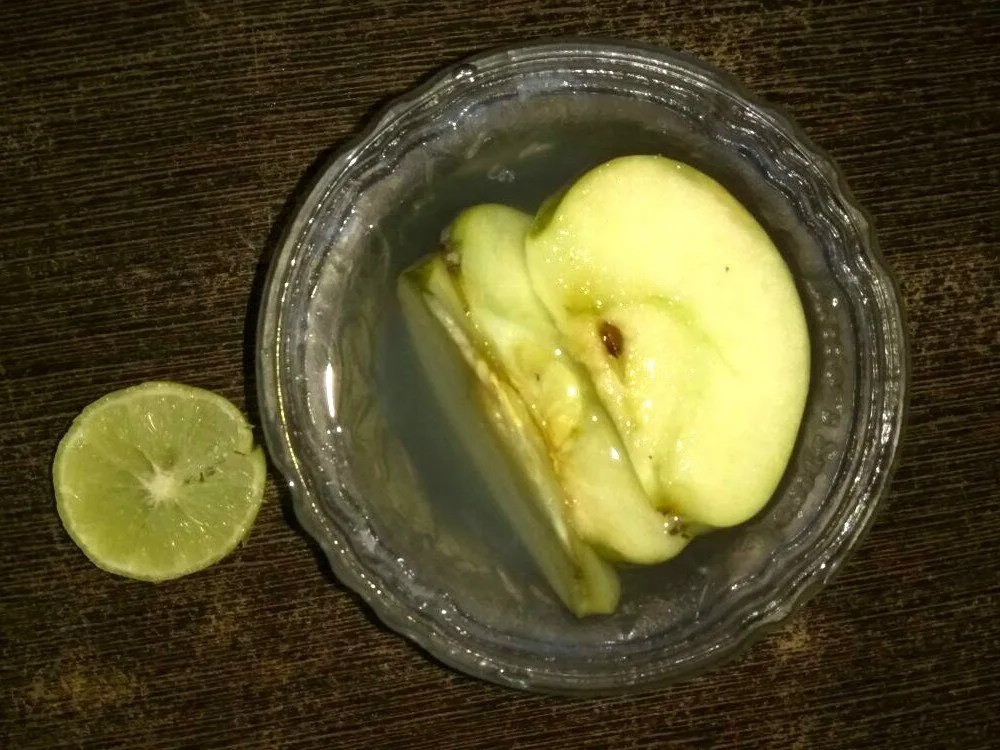
Some people simply toss their freshly-cut apples in a bowl of water to cut off their supply of oxygen. It certainly works, but only if you plan to keep them submerged in water for a short time.
In fact, coating an apple with lemon juice not only affects its oxygen supply, but also impacts the function of enzymes. Lemon juice brings down the pH of the environment of the apple, thereby attacking the efficiency of PPO.
A surefire way to stop apples from turning brown is to apply heat to them, either by cooking or briefly blanching them in water.

Heat causes a permanent alteration of the structure of these enzymes (which are basically proteins) due to a process called denaturation (you may have heard of this term in relation to boiled eggs). Once denatured, these enzymes are no longer capable of turning the apple brown. Therefore, the apple may go bad/spoil due to some other natural process, but it certainly won’t turn that unpleasant shade of brown.
Bonus: the apple that simply won’t brown
Science has actually engineered a kitchen-proof workaround. Arctic apples, developed by Okanagan Specialty Fruits and approved by the US FDA in 2015 and Health Canada in 2017, are genetically modified using RNA interference to silence the PPO gene. With almost no working PPO, sliced Arctic Golden, Granny and Fuji apples stay white for hours (no lemon juice required). They’re now sold pre-sliced in US grocery stores and school lunches, and a new non-browning Arctic Gala variety received Canadian approval in 2024.
Is An Apple Turning Brown A Chemical Or Physical Change?
This one comes up in just about every science classroom, so let’s settle it cleanly: a cut apple turning brown is a chemical change, not a physical one. A physical change rearranges a substance without making anything new (think of ice melting into water, or an apple being sliced in half). A chemical change actually creates new substances with different properties, and that’s exactly what happens here.
When the apple’s polyphenol oxidase (PPO) meets oxygen, it drives an oxidation reaction that converts the colorless phenols in the flesh into o-quinones. Those quinones then react with one another and with amino acids and polymerize into brown, melanin-like pigments. The Institute of Food Science and Technology puts it plainly: enzymic browning is "an oxidation reaction that takes place in some foods." New, brown-pigmented compounds now exist where colorless ones used to be, and you can’t un-brown the apple by reversing a physical step. That irreversibility and the formation of new substances are the hallmarks of a chemical change.
So if a worksheet asks whether a browning apple is a physical or chemical change, the answer is chemical, and the proof is the freshly minted pigment sitting on the cut surface.
Are Brown Apples Safe To Eat?
Short answer: yes. An apple that has browned purely from being cut and left out is perfectly safe to eat. The oxidation reaction only changes color, flavor and texture at the surface; it doesn’t make the fruit toxic or "rotten." There is one small catch worth knowing: because the browning works by oxidizing the apple’s phenolic compounds, it does chip away at the fruit’s antioxidant content. A 2020 review in Molecules notes that "enzymatic browning deteriorates the nutritional value" of fruit and vegetable products through "the degradation of phenolic substrates by PPO." In other words, a browned slice has lost a bit of its healthy-compound punch, but it won’t hurt you.
What you should watch for is genuine spoilage, which is a completely different process driven by molds and microbes rather than by the apple’s own enzymes. Tell-tale signs are fuzzy mold (white, blue, green or black), soft sunken patches that ooze liquid, a wrinkled skin, or a sour, fermented, vinegar-like smell. Surface oxidation browning has none of those.

One more rule for the moldy ones: don’t just cut the bad bit out. The US Department of Agriculture warns that on soft, high-moisture foods, mold "root" threads run deep and invisible bacteria can travel with them, so a moldy apple should be thrown out, not trimmed and rescued. A merely brown one, though? Go ahead and eat it.
Why Do Other Fruits And Vegetables Turn Brown Too?
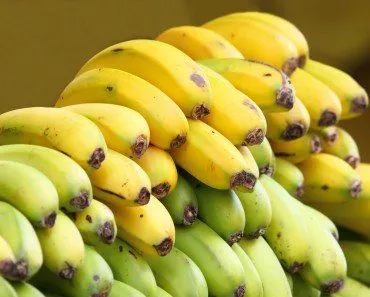
Apples get the spotlight, but they’re hardly alone. Slice a pear, a banana, a peach, an avocado or a raw potato and leave it on the counter, and you’ll see the same dull brown creep across the cut surface. The University of Nebraska–Lincoln’s food-safety guidance lumps them together for exactly this reason, listing "apples, pears, bananas, and peaches" as fruits that need the same anti-browning tricks.
The reason they all behave alike is that they all carry the same machinery: PPO enzymes plus phenolic compounds, sitting in tissue that only needs a knife and a little oxygen to react. This umbrella phenomenon is called enzymatic browning, and it’s why guacamole goes khaki, why cut potatoes are tossed into cold water before frying, and why a sliced pear browns just as readily as an apple. The exact shade and speed vary because each fruit has a different amount of PPO and a different mix of phenols, but the chemistry underneath is identical.
Helpfully, that means the same fixes work across the board. Lower the pH with a squeeze of citrus, lock out oxygen with water or wrapping, chill the produce, or denature the enzymes with heat, and bananas, pears, potatoes and avocados all stay closer to their fresh color, just like your apple slices.
References (click to expand)
- Curiosities: Why do apple slices turn brown?. The University of Wisconsin–Madison
- What factors affect the oxidation of apples? | SEP LESSONS - seplessons.ucsf.edu
- Why Are the Apples Brown?. The University of Southern California
- How to Prevent Cut Fruit from Turning Brown | UNL Food. The University of Nebraska–Lincoln
- Science Experiment: The Brown Apple Project - extension.purdue.edu
- Why do apples turn brown when you cut them?. The University of California, Santa Barbara
- Fruit and vegetables: enzymic browning. Institute of Food Science and Technology
- Recent Trends in Controlling the Enzymatic Browning of Fruit and Vegetable Products. Molecules (2020), PMC / NCBI
- Molds on Food: Are They Dangerous?. USDA Food Safety and Inspection Service