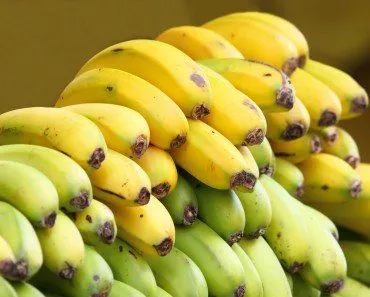
Yes, fruits and vegetables are still alive after being picked. They keep respiring, slowly burning their stored sugars, which is why they eventually spoil. To stay fresh, supermarkets slow that process down with refrigeration, controlled-atmosphere storage (low oxygen, high carbon dioxide), ethylene management, and edible wax or coatings that limit moisture loss.
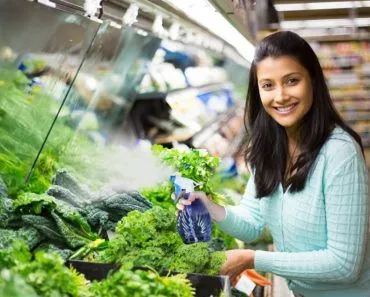
While walking down a freshly sprayed produce section, your mind is likely on what delicious new smoothie or salad combinations you want to experiment with, but this particular part of a grocery store summons different questions in me… first and foremost, how “fresh” are all of these “fresh fruits and vegetables”? Applying a rudimentary knowledge of biology, it seems that once you remove a fruit from a plant, it would start to die, which doesn’t sound particularly appetizing.
It makes you wonder whether the fruits and vegetables have been frozen, kept in storage cases on trans-Atlantic journeys, or are simply on the edge of going bad by the time they make their way into your shopping baskets. Given the critical position of fruits and veg in our daily diet, this seems like an important point to clarify: how do these major portions of the food pyramid stay fresh after they’ve been picked?
Here’s the part that surprises most people: yes, that produce is still alive. A picked apple or carrot isn’t a corpse sitting in a bin; it’s a living tissue that keeps breathing long after it leaves the plant. In a process called respiration, the cells burn through their stored sugars, taking in oxygen and giving off carbon dioxide, water and a little heat. The catch is that, once severed from the plant, the produce can no longer top up those reserves. So the clock starts ticking the moment it’s picked, and every freshness trick in the supermarket is really just a way of slowing that clock down.
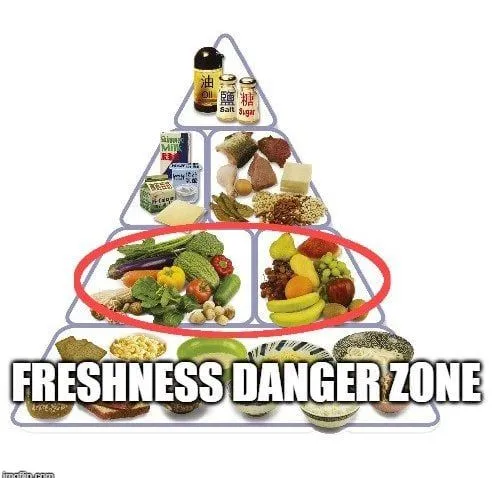
Before we can dig into those details, as well as the strategies regularly employed to keep fruits and vegetables fresh for extended periods of time, we should refresh our understanding a bit on the harvesting and ripening processes.
Harvesting
Depending on the region of the world you’re in, and what season of the year it happens to be, as well as your shopping locale, your fruits and vegetables may range from having been picked mere hours before to more than 9 months earlier! Some forms of produce are extremely season- or region-specific, so they may only grow and ripen at one point during the year, providing for a large region’s supply, or perhaps even the entire world!

Therefore, in order to provide for the year-round demand that is present in our globalized, instant satisfaction world, some of those more particular fruits and vegetables must be frozen and made available throughout the year via carefully controlled processes to ensure “freshness”. Some of the best examples of this are carrots, apples and potatoes, which may be stored for anywhere from 1-9 months! On the other side of the spectrum are fruits and vegetables like bananas and tomatoes, which are stored up to two weeks and six weeks, respectively.
Ripeness
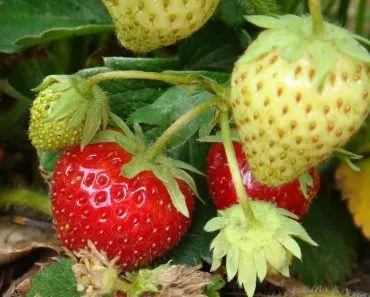
The first thing that must be understood about the ripeness of fruits and vegetables is that there is not a hard and fast rule that applies across the board. Fruits and vegetables are different species and have adapted their own means of reproduction and survival. Many people forget that the primary purpose of a fruit, from a plant’s perspective, is to protect its precious seeds, and hopefully be consumed (once ripe), in order for those seeds to be spread. Vegetables are not necessarily as visually appealing to potential disseminators, but they serve a similar purpose for a plant’s reproduction.
In order to prevent animals from eating the fruit or vegetable before they’re ripe, most plants have developed defense mechanisms implicit in the taste of the fruit. These are mainly caused, in fruits, by high levels of tannins and alkaloids, as well as starch, all of which are unpleasant for consumption. As the fruit ripens and the seeds become viable, the taste and color of a fruit often change, becoming sweeter or more colorful, i.e., attractive to those who might consume it, including humans.
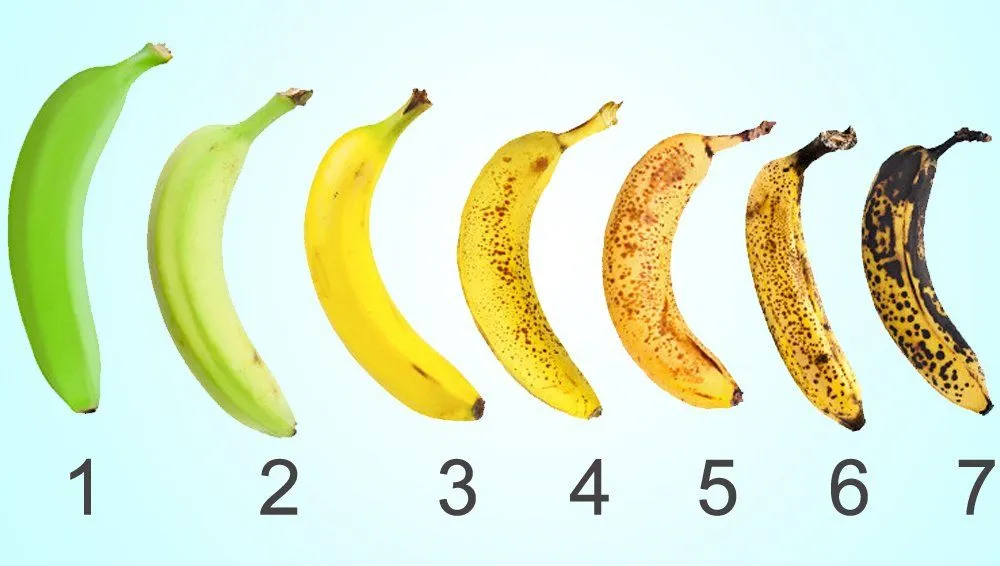
Let’s consider the case of the banana. When a banana is first picked from the plant in a tropical area, it is usually a vivid green and is very hard and dense. Over the next 1-2 weeks, the cells of the fruit will undergo a rapid period of ripening, in which ethylene is released, thus allowing enzymes within the fruit to break down cell walls, reducing the amount of starch and increasing the amount of sugar. At one critical stage in this process, the fruit goes through a respiratory burst (what scientists call the climacteric), briefly consuming far more oxygen and giving off far more carbon dioxide, a sign that it is racing toward its ripest point. As this period of ripening continues, the green color will fade, as chlorophyll content decreases, allowing other pigments to be seen, namely yellow. In other fruits and vegetables, this may be orange, red etc. In the case of a banana, the fruit will often soften, as the rigidity of the cell walls will be more compromised, a sign of ripeness.
The above process is not the same for all produce items, as mentioned earlier. There are two major groups within fruits, climacteric and non-climacteric fruits. The former include bananas, kiwis, avocados and tomatoes, while the latter includes grapes, cherries, pineapples and oranges, among others. Non-climacteric fruits reach full ripeness before being picked, as they won’t continue to ripen “off the vine”, per se. The major difference comes down to a plant hormone called ethylene, the chemical that actually triggers ripening. Climacteric fruit ripen in a self-feeding rush: a little ethylene sets off that respiratory burst, which releases more ethylene, which converts their stored starch into sugar and softens them long after they’ve left the plant. Non-climacteric fruit have no such trigger waiting in reserve, so they accumulate their sugars on the plant and barely change once picked. This is exactly why a rock-hard banana will sweeten on your counter but a sour grape never will.
Methods For Keeping Fruit And Vegetables Fresh
Due to the perishable nature of all fruits and vegetables, there are many different methods to maintain freshness once these products are picked. These methods are both natural and artificial in nature. The primary means that fruits and vegetables employ is the development of a peel or a rind. These can vary in thickness and permeability, such as the difference between an apple’s thin skin and the hard rind of a cantaloupe. These natural barriers can protect excess exposure to oxygen, which will speed the breakdown of organic molecules. Returning to the case of a banana, the thickness of the peel is an indicator of freshness; as more starch is converted into sugar, the peel will become thinner and thinner!
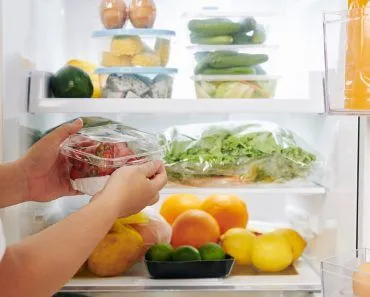
Humans are a demanding species, however, and a fruit or vegetable’s natural freshness-maintaining tools are often not enough. The single most powerful trick is also the simplest one: cold. Because respiration roughly doubles or triples for every 10 °C (18 °F) rise in temperature, dropping produce into the chill of a refrigerated truck or cold store slows its metabolism to a crawl. This unbroken chain of refrigeration from field to shelf, known as the cold chain, is the backbone of every other method, which is why most fruits and vegetables are rushed into cooling within hours of being picked.
Different combinations apply for every different type of produce to ensure the best quality on the shelves. In the case of apples, an incredibly thin layer of edible wax is applied to the fruit, replacing the natural waxy bloom rubbed off during washing. Made from food-grade carnauba (from a Brazilian palm) or shellac and approved by the U.S. Food and Drug Administration, this coating seals the fruit’s pores to slow moisture loss and oxidation, helping these popular fruits retain their freshness longer, without any risk to consumers.
For the long-haul storage that lets you buy a crisp apple in spring that was picked the previous autumn, growers reach for controlled-atmosphere (CA) storage. Inside a sealed, refrigerated room, the air itself is re-engineered: oxygen is pulled down to around 1-3% (versus the 21% in normal air) and carbon dioxide is raised to a few percent. Starved of oxygen, the fruit can barely respire, and ripening all but stops. Under these conditions many apple varieties stay sound for up to a year, while a related technique, modified-atmosphere packaging, achieves a milder version of the same effect inside the plastic bags of pre-cut salad in your supermarket.
The last frontier is the ripening hormone itself. Because ethylene drives the whole climacteric cascade, controlling it controls freshness. Warehouses scrub ethylene from the air or keep high-producing fruit (like apples and bananas) away from sensitive neighbors. Conversely, a measured puff of ethylene is used to ripen green-shipped bananas and tomatoes on demand once they reach their destination. To go the other way and hold fruit back, packers treat it with 1-methylcyclopropene (sold as SmartFresh), a compound that plugs the fruit’s ethylene receptors so it simply cannot hear the ripening signal, keeping apples firm for months.
A newer development in the quest to retain freshness involves using plant material, particularly the lipids found in fruit and vegetable peels, seeds and pulp, to build an extra invisible “peel”. By spraying produce such as avocados, citrus and cucumbers with a micro-thin, tasteless layer of this edible coating, companies can slow water loss and oxygen exposure and roughly double shelf life. The pioneer here, Apeel, has moved well beyond the lab: in 2025 produce giant Del Monte began rolling out Apeel-coated avocados to keep them at peak ripeness for several extra days, a small reminder that the fight to outpace spoilage is far from over.
Are Picked Fruits And Vegetables Actually Alive?
This is the question that brings most people to this page, so let’s be precise about it. A picked apple is not a living organism in the way the tree was; it has no roots, no leaves and no way to make new food. What it is, is living tissue: billions of plant cells with intact membranes and a metabolism that is still ticking over. Plants are built in a modular way, and as the authors of a 2013 study in Current Biology put it, a detached plant organ can carry on with its own functions, respiration included, after it has been separated from the parent plant.

If that sounds like a technicality, consider the evidence sitting in your kitchen. The bag of potatoes you forgot at the back of the pantry sprouts, because a potato tuber is anatomically a modified stem, and it will happily try to grow a new plant on your shelf. Asparagus keeps developing after it is cut; lay the spears flat and the tips bend upward, away from gravity. Root crops even heal their wounds. Freshly dug sweet potatoes are “cured” by holding them at 25-32 °C (77-90 °F) and above 90% humidity for several days to a week, during which the skin scraped by the harvester heals over, cutting water loss and sealing out the rot that would otherwise ruin months of storage. Dead things do not scab over.
The strangest proof came from Rice University in that same 2013 study. Researchers found that a supermarket cabbage still keeps its internal 24-hour clock, and that the clock can be reset with light-dark cycles after harvest, prompting the cabbage to ramp up its chemical defenses on schedule and resist cabbage looper caterpillars better. The same behavior turned up in lettuce, spinach, zucchini, carrots, sweet potatoes and blueberries. Your salad, in other words, still knows what time it is.
So when does the tissue actually give up? Mostly, it dries out. Produce is 65-95% water at harvest, and once picked it can no longer draw more from the soil, so it slowly spends the reserve it left the field with. That water is what keeps plant cells stiff (botanists call the pressure turgor), and when it drains away the cells go slack and the leaf wilts. Leafy greens look wilted after losing only 3-5% of their weight as water, and most produce begins to wilt and soon becomes unusable somewhere around 5-10%. This is why supermarkets mist their lettuce displays, and it is the science behind the old kitchen trick of soaking limp celery in cold water: the cells take the water back up, turgor returns, and the tissue is, for a little while longer, alive and well.
Do Fruits And Vegetables Lose Nutrients After They’re Picked?
Here’s the part of “alive” that nobody advertises: a tissue that keeps respiring is also a tissue that keeps consuming itself. A review from the University of California, Davis put it bluntly, finding that the loss of nutrients in fresh produce during storage and cooking “may be more substantial than commonly perceived.” The most fragile passenger is vitamin C (ascorbic acid), which is both water-soluble and easily oxidized, and it begins to degrade immediately after harvest. Green peas, for instance, lost about half of their vitamin C within the first 24-48 hours after picking.

Temperature decides how bad it gets. In storage data the review compiled, spinach held for a week at 20 °C (68 °F) lost essentially all of its vitamin C, broccoli lost 56%, green peas 60% and carrots 27%. Move the same vegetables into a refrigerator at 4 °C (39 °F) and the week’s losses shrink to 75% for spinach, 15% for peas, 10% for carrots and nothing at all for broccoli. Spinach at room temperature managed to lose 100% of its vitamin C in under four days, which is a sobering thought for anyone who buys a bag of greens on Sunday and gets around to it on Thursday. Minerals and fiber, happily, are tough; the same authors found them generally stable through storage, processing and cooking.
This is where the freezer aisle gets its revenge. Processing arrests respiration, which stops the tissue from burning through its own nutrients (at the cost of some vitamin C in the blanching step), and the review found that after about 10 days in the fridge, fresh peas and spinach had dropped below the vitamin C levels of their frozen counterparts. A 2015 follow-up from the same lab tested eight fruits and vegetables (corn, carrots, broccoli, spinach, peas, green beans, strawberries and blueberries) and found that frozen samples matched fresh for vitamin C in five of them and beat fresh in the other three; overall, the vitamin content of frozen produce was comparable to, and occasionally higher than, fresh. The notable exception was beta-carotene, which dropped sharply in some frozen vegetables. The practical rule: eat leafy greens soon after buying, keep everything cold, and stop feeling guilty about the bag of frozen peas.
Which Fruits Keep Ripening After They’re Picked (And Which Just Rot)?
The climacteric split above explains the mechanism of ripening, but it does not tell you what to do with the hard peach on your counter, so here is the practical version, with a caveat: “ripens after picking” is not the same thing as “gets sweeter after picking.”

Ripen and sweeten: Bananas, mangoes, pears, kiwifruit and avocados. A mature green banana is loaded with starch (the UC Davis Postharvest Center compares it to a potato), and ripening converts that starch to sugar; mangoes do the same. Avocados are the extreme case: they normally will not ripen on the tree at all. Scientists have long suspected that the tree supplies some kind of ripening inhibitor, but nobody has ever identified it.
Ripen, but mostly in texture and color: Peaches, nectarines, apricots, plums, tomatoes and cantaloupe are all climacteric and will soften and color up after harvest, but don’t count on much extra sweetness. UC Master Gardeners note that store-bought tomatoes and peaches change in color and firmness with limited improvement in flavor, and that cantaloupe flesh “may soften, but they will not become sweeter.” A rock-hard supermarket peach will become a soft peach; whether it becomes a good peach was decided on the day it was picked.
Do not ripen at all: Grapes, cherries, strawberries, raspberries, blackberries, citrus, pineapple, pomegranate and watermelon. These non-climacteric fruits finish their sugar accumulation on the plant, and any softening afterward is decay, not ripening. Figs and blueberries land here in practice: UC Davis notes that fresh figs must be harvested “almost fully ripe” to be of good eating quality, and the University of Georgia is equally blunt that blueberry quality “does not improve after harvest,” even though blueberries show an odd, not-quite-climacteric rise in respiration and ethylene as they ripen.
Cut fruit: A mango or papaya that was sliced while underripe will not rescue itself. Cut fruit is kept cold, which slows any further ripening to a crawl, and postharvest researchers treat fresh-cut fruit as something that has to be “near eating ripe” when it is cut, with few changes afterward. Slice it ripe or not at all.
And if you want to hurry a climacteric fruit along, the folk remedy is real science: Iowa State University Extension confirms that a peach in a paper bag with a ripe banana ripens faster, because the banana’s ethylene builds up inside the bag and does the work. Just don’t bother trying it on the grapes.
References (click to expand)
- Introduction to the Postharvest Engineering for Fresh Fruits and Vegetables. NC State Extension.
- Respiration and Ethylene and Their Relationship to Postharvest Handling. eOrganic (Oregon State University).
- Ethylene and the Regulation of Fruit Ripening. University of Maryland Extension.
- Controlled Atmosphere Storage of Apples. University of Maryland Extension.
- Controlled Atmosphere Storage. University of Maine Cooperative Extension.
- Apples and Wax Backgrounder. U.S. Apple Association.
- How Long Do Fruits and Vegetables Retain Their Nutrients. eXtension.
- Lelievre, J.-M., Latche, A., Jones, B., Bouzayen, M., & Pech, J.-C. (1997). Ethylene and fruit ripening. Physiologia Plantarum. Wiley.
- Goodspeed, D., Liu, J. D., Chehab, E. W., Sheng, Z., Francisco, M., Kliebenstein, D. J., & Braam, J. (2013). Postharvest circadian entrainment enhances crop pest resistance and phytochemical cycling. Current Biology, 23(13), 1235-1241.
- Does your salad know what time it is? Rice University News (2013).
- Asparagus (Green): Recommendations for Maintaining Postharvest Quality. UC Davis Postharvest Research and Extension Center.
- Sweet Potato: Recommendations for Maintaining Postharvest Quality. UC Davis Postharvest Research and Extension Center.
- Potato (Early Crop): Recommendations for Maintaining Postharvest Quality. UC Davis Postharvest Research and Extension Center.
- Prevention of Post-Harvest Food Losses: Fruits, Vegetables and Root Crops. A Training Manual. Food and Agriculture Organization of the United Nations.
- Water Relations in Harvested Fresh Produce. PEF White Paper No. 15-01. The Postharvest Education Foundation (2015).
- Turgor. Encyclopaedia Britannica.
- Rickman, J. C., Barrett, D. M., & Bruhn, C. M. (2007). Nutritional comparison of fresh, frozen and canned fruits and vegetables. Part 1. Vitamins C and B and phenolic compounds. Journal of the Science of Food and Agriculture, 87(6), 930-944.
- Rickman, J. C., Bruhn, C. M., & Barrett, D. M. (2007). Nutritional comparison of fresh, frozen, and canned fruits and vegetables II. Vitamin A and carotenoids, vitamin E, minerals and fiber. Journal of the Science of Food and Agriculture.
- Bouzari, A., Holstege, D., & Barrett, D. M. (2015). Vitamin retention in eight fruits and vegetables: a comparison of refrigerated and frozen storage. Journal of Agricultural and Food Chemistry, 63(3), 957-962. PubMed.
- Why do some fruit ripen only on the tree and others ripen only after they are picked? Ask the Produce Docs, UC Davis Postharvest Research and Extension Center.
- Mango: Recommendations for Maintaining Postharvest Quality. UC Davis Postharvest Research and Extension Center.
- To Pick or Not to Pick? Judging the Right Time to Harvest. UC Master Gardeners, The Backyard Gardener (UC ANR).
- Ripening Fruit. UC Master Gardeners, The Backyard Gardener (UC ANR).
- Ripening and Storing Fruit. AnswerLine, Iowa State University Extension and Outreach.
- Fig: Recommendations for Maintaining Postharvest Quality. UC Davis Postharvest Research and Extension Center.
- Blueberry Fruit Set, Development and Ripening. University of Georgia Cooperative Extension.
- Does climacteric produce stop ripening after it is cut? Ask the Produce Docs, UC Davis Postharvest Research and Extension Center.