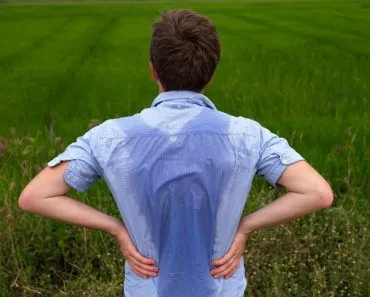
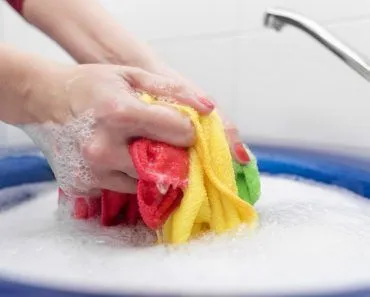
Spraying water on clothes before ironing works because moisture seeps between the fibers and breaks the weak hydrogen bonds that hold a wrinkle in place. The water also spreads the iron’s heat evenly and acts as a lubricant, so heat and pressure can realign the fibers. As the cloth dries, fresh bonds lock it flat.
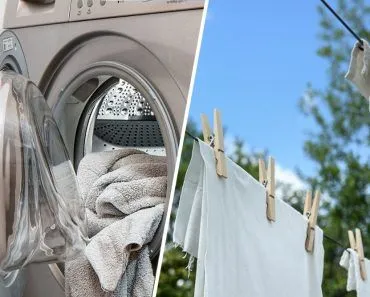
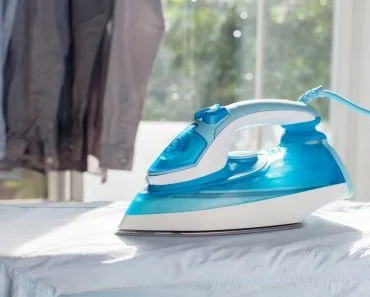
It is a warm sunny day, so you decide to dry your washed clothes since the sun is shining. Once they’ve all dried out, it’s time to iron them to perfection. You set your shirt on the ironing board, plug in the iron, fill it up with water and go swoosh-swish-woosh over the shirt. As you see your shirt soaking in the water droplets, you press down with the warm iron plate and slide it over the creases.
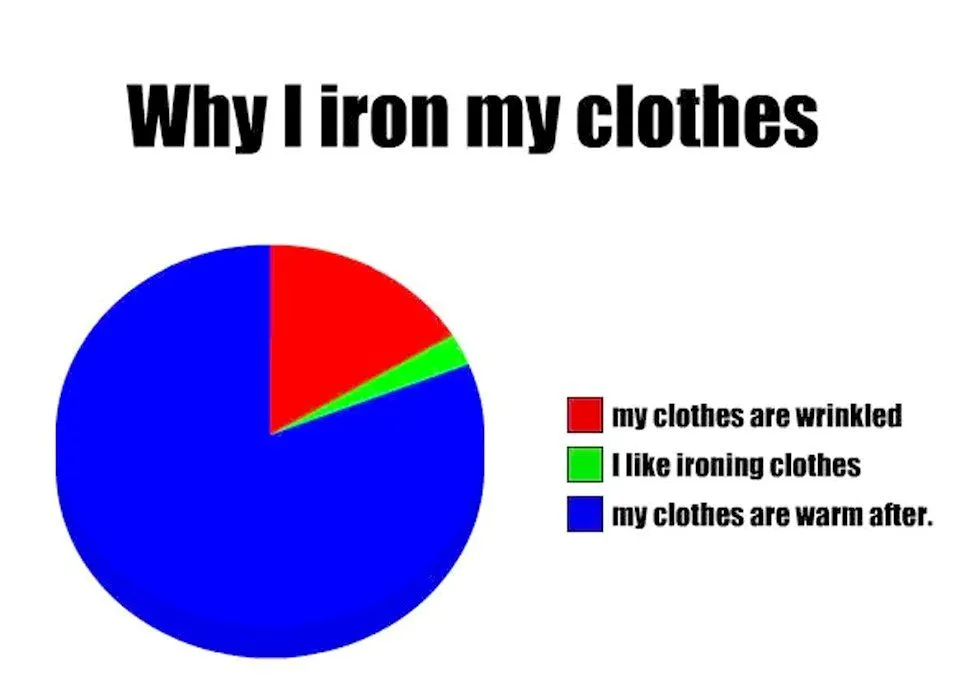 As you do that, you can feel the iron glide smoothly over the damp fabric, letting out a mist of steam and eliminating the roll-overs and wrinkles. However, why are clothes not ironed directly once they’re dry? In reality, moist fabrics are better candidates for being rolled than your regular dry clothes, but why is that the case?
The Interaction Of Water With Fabric
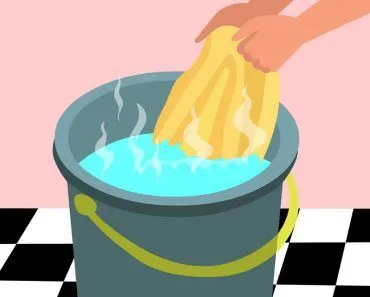
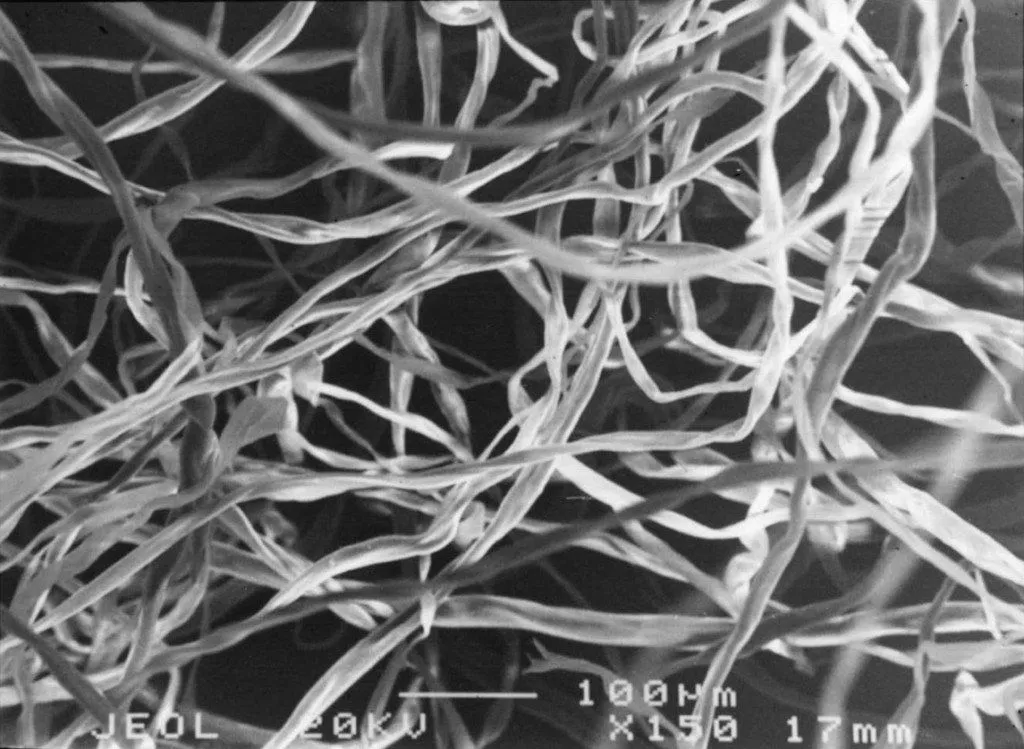
The answer lies deep in the fabric itself, which is made of millions of fibers that get reinforced and tangled every time you wash them. Upon drying the clothes, the fibers get more closely packed together again, as they slowly lose their moisture through evaporation in the atmosphere. This leads to the formation of folds and creases. Fibers like cotton and wool are bad conductors of heat. Every time you heat press them, the heat doesn’t spread evenly over the whole area of cloth, which leaves them shriveled and looking terrible. However, when you spray a mist of water on the fabric first, the water molecules seep in between the fibers and act like a lubricant, letting the fibers slide past one another. Water also conducts heat well, so it spreads the iron’s warmth evenly across the cloth, and together that lets the iron press out the creases properly. The same idea can be applied to steam, which is the vapor form of water. Unlike water, which must be externally heated with the iron, the steam itself is already heated.
When passing steam through the fabric, it evenly distributes the heat throughout the material, which opens up the wrinkles and folds. You’ve probably heard that if your clothes wrinkle while traveling, you can smooth them out by hanging them in the bathroom while you take a hot shower, but have you ever wondered why? Exactly the same reason, we just gave! The steam will loosen the wrinkles, leaving the outfit looking freshly pressed. One more advantage of damp ironing or steam pressing is that it kills odor-causing bacteria and removes allergens that attract dust mites.
Interactions On The Molecular Level
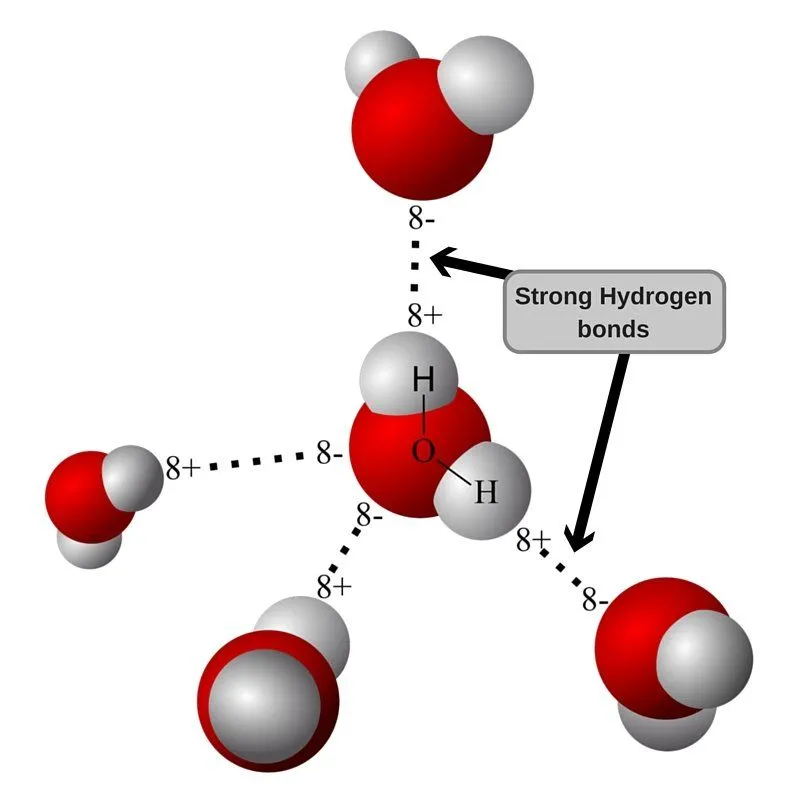
One thing we need to understand is that wrinkles occur at a molecular level. The culmination of these deformities on the whole of the fabric leads to the formation of folds and creases that are visible to our eyes. Molecules are connected to each other through weak forces of attraction known as hydrogen bonds. When you spray water on your shirt, something deeper has taken place, aside from you sulking over your shirt getting wet. The water molecules slip in and form their own hydrogen bonds with the fibers, prying apart the bonds the fibers had made with each other. Once the moisture evaporates, fresh bonds form in the new, flattened arrangement. This is why wrinkles form when your laundry is dried in the first place. Ironing merely realigns the fiber molecules, whereas water loosens entangled fibers.
Just a word of caution, not all fabrics are suited for steam ironing. Materials ranging from delicate silks to dry woolens may show brilliant results with steam ironing, owing to their fabric structures, but materials like chiffon and velvet lose their structure upon contact with any form of water, let alone heated steam from an iron. The fibers, on a molecular level, get damaged by the moist heating method. The same goes for leather, suede and waxed materials, which can stain, stiffen or warp the moment steam touches them.
Why Won’t A Dry Iron Alone Do The Job?
Here is the part most people never hear about. Every fiber has a temperature called its glass transition temperature (often written as Tg). Below it, the fiber behaves like a stiff, glassy solid that stubbornly holds whatever shape it is in. Above it, the long polymer chains can shuffle around, so the fabric turns soft and easy to reshape. Ironing only presses a wrinkle out properly once you have nudged the fabric past this point.

The catch is that bone-dry cotton has a glass transition temperature of roughly 220 °C (about 428 °F). No household iron gets that hot, and even if it did, the cloth would scorch long before it softened. That is exactly why dragging a hot, dry iron over a stubborn dry crease often just bakes the wrinkle in deeper.
Water is the elegant shortcut. Because it slips between the cellulose chains and breaks their hydrogen bonds, water behaves as a plasticizer, and the more moisture cotton holds, the lower its glass transition temperature falls. Thoroughly soaked cotton can have a glass transition temperature that drops all the way below 0 °C. In plain terms, a damp shirt is already soft and ready to reshape at the modest temperature your iron actually reaches, while a dry one simply is not. That is the real reason the spray bottle earns its place on the ironing board.
Why Does Steam Rise From The Cloth As You Iron?
Press a warm iron onto a damp shirt and a little cloud puffs up with a satisfying hiss. That visible plume is not the secret ingredient itself, it is the leftover. The water trapped in the fabric flashes to vapor, and as that vapor hits the cooler air just above the cloth it condenses back into tiny droplets, which is the white mist you actually see.

There is real physics packed into that puff. Turning water into steam takes a hefty dose of energy known as the latent heat of vaporization, about 2,260 kJ per kilogram of water at 100 °C (212 °F). When a steam iron drives hot vapor into the fabric, that vapor hands the energy straight back as it condenses on the cooler fibers, dumping a burst of heat exactly where the wrinkle sits. That is why a quick shot of steam can relax a crease that a dry pass of the same iron just skates over, and the same physics is why a steam scald stings far worse than the same temperature of liquid water.
The trick even works with no iron at all. Hang a crumpled shirt in the bathroom while you take a hot shower and the warm bathroom mist settles into the cloth, plasticizes the fibers, and lets gravity pull the wrinkles loose, no soleplate required.
Spray Button, Steam Holes, And Spray Starch: What Each One Does
Look closely at a modern iron and you will spot two separate water tricks, and they are not the same thing. The spray button fires a fine mist of cool water from a nozzle at the nose of the iron to dampen a dry patch right before you press it. The steam holes in the soleplate, by contrast, puff out hot vapor generated inside the iron. A plain dry iron has neither, which is why people reach for a separate spray bottle when they use one.

One housekeeping note: many manufacturers suggest filling a steam iron with distilled water rather than tap water. Hard tap water carries dissolved minerals that bake into scale, clog the steam holes, and can spit white flecks onto your shirt.
Then there are the spray-on ironing aids, the most familiar being spray starch. Starch is a branched sugar polymer studded with the same hydroxyl groups found on cotton, so it can form a web of hydrogen bonds that acts like a temporary scaffold, locking the flattened fibers in place and leaving that crisp, smooth finish. Because starch is water soluble, it simply rinses out in the next wash, which is why you have to reapply it. Permanent wrinkle-free fabrics take a different route entirely: at the factory the cellulose chains are tied together with chemical cross-linkers so they cannot slide into creases in the first place, which is why a no-iron shirt shrugs off the wrinkles your cotton tee happily collects.
Conclusion
Voila, we’ve learned a necessary life hack today! That being said, one thing we need to remember is that not every piece of clothing is made of the same fabric. The ironing method is best suited for cotton clothes, which have a lot of entangled cotton fibers, as compared to rayon and silk fabrics. Therefore, the next time you decide to iron one of your silk shirts or your mom’s silk gowns, carefully check the heat settings on the iron, rather than just dousing the item with water and going wild with the heavy heat treatment!
References (click to expand)
- Engineering of High-Performance Textiles (2018). Elsevier.
- The Chemistry of Ironing (2017). American Scientist. Sigma Xi.
- The use of domestic steam cleaning for the control of house dust mites. Clinical & Experimental Allergy. PubMed (NCBI).
- Lorch, M. How Chemistry Can Make Your Ironing Easier. The Conversation.
- Identifying Glass Transition Temperature Behaviour of Australian Cotton. Inside Cotton (CRDC).
- Liang, S. et al. Effects of Pressure-Free Steam Ironing on Cotton Fabric Surfaces and Wrinkle Recovery (2018). Textile Research Journal.
- Heat of Vaporization. Encyclopaedia Britannica.