Table of Contents (click to expand)
No, most wine does not get better with age. An estimated 90% of wines are meant to be drunk within a year and only about 1% improve over many years. In age-worthy reds, tannins slowly polymerize and soften, but storing an everyday bottle too long simply spoils it.
An estimate reveals that 90% of wines are supposed to be consumed within one year, while 99% should be consumed within five.
Even the most novice of wine tasters can distinguish the difference between an old and a new wine by the excitement of their taste buds. The shameless use of the notion that the wine gets better with age as a metaphor to describe artists or sportspersons who have become more adept with age has rendered it a bit stale and tasteless.
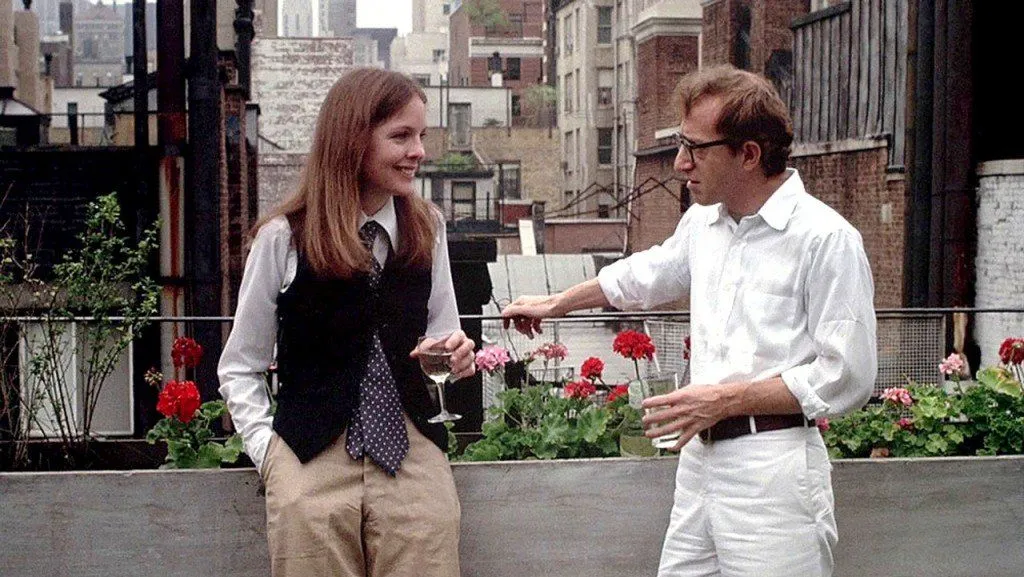
The saccharine taste of wine was found to be equally irresistible by the Greeks, Romans and Annie Hall. However, while Annie Hall adored it as an infallible social lubricant, the prudent ancients delighted in its longevity. However, they weren’t exclusively saving some wine for later. The Romans prized older wines because they tended to taste and smell more pleasant. Even the Bible mentions the amenities of aged wines: “And no one, after drinking old wine desires new, for he says, ‘The old is good.’”
The truth is, not all wines taste better with age. Pigeonholing the nature of wine in this fashion can be dangerous; storing a bottle of wine in a cellar and planning to enjoy it within a year will irreversibly spoil it. In fact, an estimate reveals that 90% of wines are supposed to be consumed within one year, while 99% should be consumed within five. Furthermore, if this is true, how can I know when to scrap my bottle of Cabernet before it’s too late such that it doesn’t ruin my date with my cats?
Tannins
The taste of wine is dominated by a combination of sugar and acids, but most importantly, tannins. Tannins are phenolic compounds found in the stems, seeds and skin of red or black grapes. A surplus of tannin is the reason why younger wines tend to taste so bitter. They bind with proteins that absorb your saliva, making your mouth dry and chalky, imitating the effect of eating a green banana or an unripe mango.
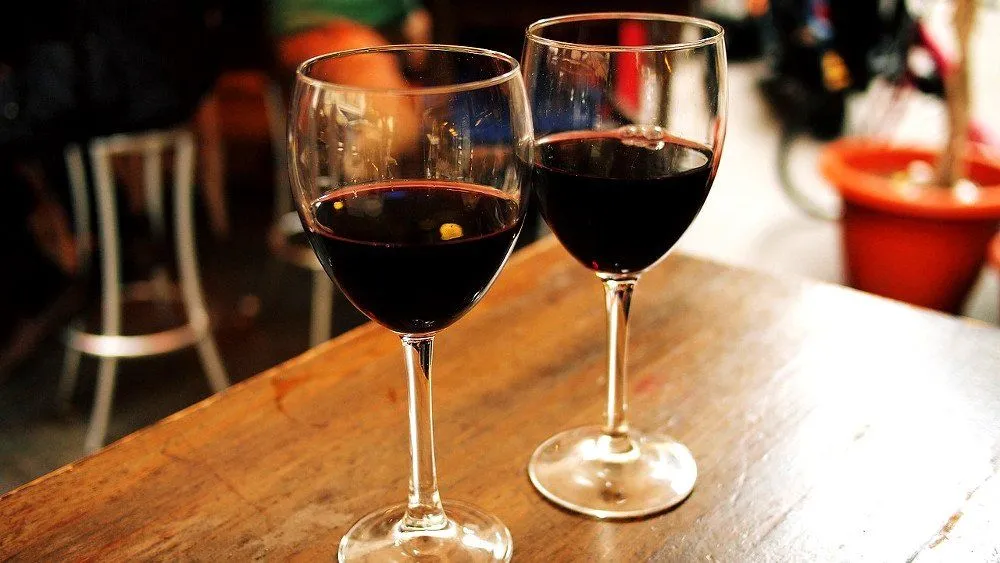
The taste formally known as “astringent” fades away as the tannins slowly link up with one another and bond with anthocyanins (the pigments that give red wine its color), forming larger molecules that eventually grow too heavy to stay suspended in the liquid. These polymers settle to the bottom as sediment, consequently softening the wine’s bite and altering its color, taste, aroma and texture. The complex reaction, coupled with protracted time, doesn’t necessarily guarantee a wine with a delightful flavor; there’s a good possibility that the reactions could, on the contrary, give the wine some truly vile characteristics.
Tannins are actually defensive compounds that deter fungi. They are tenacious preservatives, and despite making an unripe grape taste really nasty, they can make a bottle palatable for over 40 years. However, tannins aren’t the only compounds that deserve the limelight. For instance, wines with a lower pH (that is, higher acidity) tend to hold up better over time, since acidity acts as a natural preservative and keeps the wine fresh. Because the character of a wine depends on the balance of all its contents, the bottom line is that how well a wine will age comes down to the ratio of all these compounds, not tannins alone.
External Factors
A glass of oxidized wine is certainly more flavorful than a glass of suffocated wine. In the company of oxygen, tannins mature more conveniently to please our cheeks, gums and tongue. A wine’s acids instill the patience in tannins to neutralize individual oxygen molecules. However, the tannins’ patience is overwhelmed when the oxygen creeps in at a higher rate. This ruins the wine, just like the browning of an apple when it is assailed by a surge of oxygen.
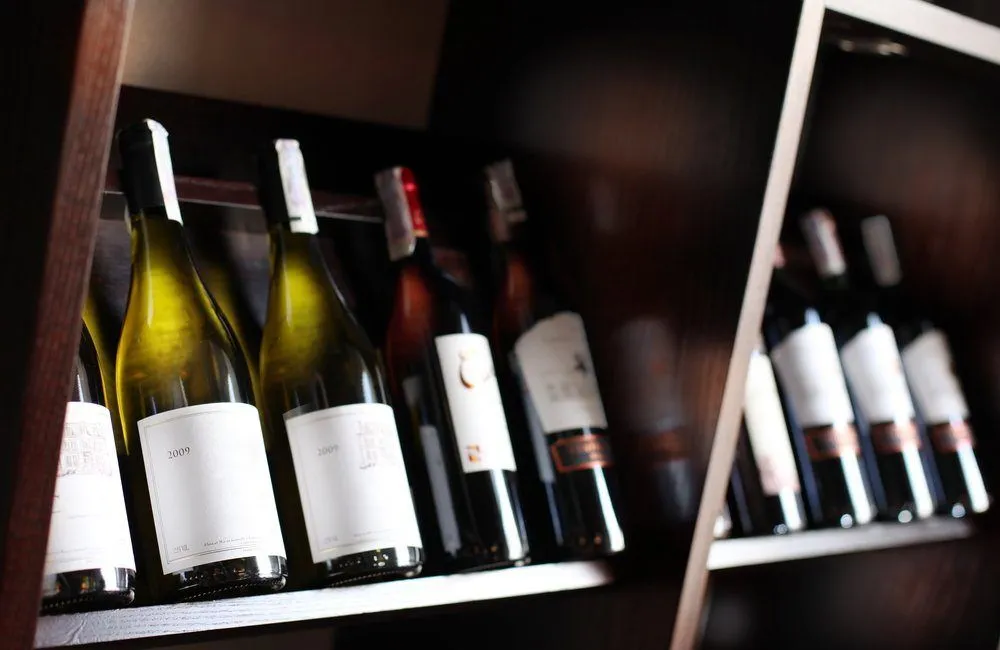
Temperature changes also alter the characteristics of a wine. Wines are very sensitive to temperature, because increased temperature fuels oxidation, causing a wine to age prematurely and rendering it undrinkable. A steady 12 to 15 °C (55 to 59 °F) is widely regarded as the ideal range for storing wine, with consistency mattering more than hitting any exact number. Finally, humidity is also an equal cause for concern. Excess humidity leads to the build-up of mold around the cork, while too little humidity dries the cork out and causes it to crumble. A crumbled cork represents a window that is left ajar just enough to let oxygen sneak in.
When Should You Drink Your Wine Before It’s Too Late?
Like your mid-20s, every bottle of wine goes through a period of time when it reaches its zenith of potency. Determining this period, which varies from bottle to bottle, is something that even semi-professionals or professionals are inept at. Consulting a winery or winemaker is the optimum thing to do while investigating how well your wine will age or when it will attain its peak flavor.
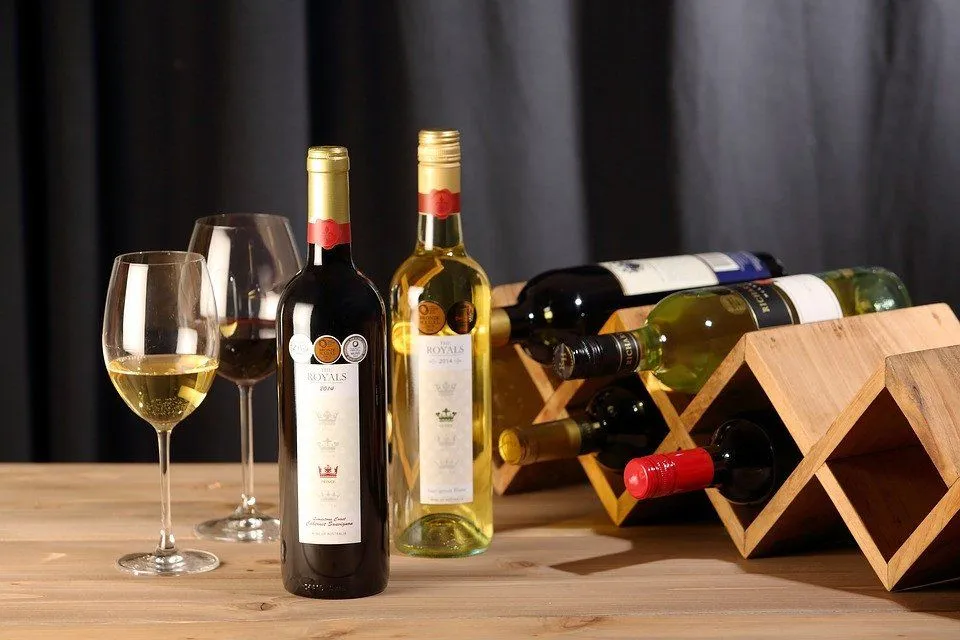
A winemaker is someone who determines the number of tannins by controlling the time of exposure to the skin, stems and seeds, which requires exceptional knowledge of grapes. Only a certain species of grapes has the perfect balance of sugars, acids and tannins to assure longevity. These grapes tend to grow in long, brisk summers and cold, but not bleak, winters. Only a true expert can make an educated guess about how weather affects tannins and the development of the fruit within the grapes.
In 2015, sommeliers opened a roughly 150-year-old bottle recovered from the Mary-Celestia, a Confederate blockade runner that sank off Bermuda in 1864. Guess how the wine tasted?
Not good.
References (click to expand)
- Myth Buster: Wine Improves With Age or Open That ... - AARP. AARP
- What's Up With That: Why Some Wines Taste Better With Age. Wired
- Aging of wine - Wikipedia. Wikipedia
- Possible Role of High-Molecular-Weight Salivary Proteins in Astringency Development. PMC, NCBI.
- Shipwreck Pictures: Civil War-era Wine, Cologne Found. National Geographic.