Table of Contents (click to expand)
No, honey doesn’t go bad, spoil or expire on its own. Its very low water content and natural acidity (pH around 3.9) leave microbes nowhere to grow. Sealed and kept dry, honey can stay edible for years, even for millennia. It may crystallize or ferment if it absorbs moisture, but that isn’t true spoilage.
No, honey does not go bad, spoil or expire on its own. This comes down to the chemical profile of honey: it holds barely any water of its own and is naturally quite acidic. Together, those two traits ensure that honey is never overrun by microorganisms unless water is added to it from the outside.
Honey, as you might have heard from your parents or grandparents, is a magical food source. First of all, it’s irresistibly sweet, which is reason enough for many people to fall in love with it. It also possesses a number of health benefits, and acts as a form of medicine that cures many ailments.
Many say that in order to stay healthy, one should completely replace all the sugar in their food with honey, as it does not take as much of a toll on one’s body as sugar does. While this claim may not necessarily be true, one thing that does stand out about honey is that it is indeed a fantastic food source. As such, there’s plenty of critters that cannot imagine their lives without honey being a part of it.

There’s really no point in listing all the qualities of honey, since there are so many, but no discussion surrounding honey’s magical properties is complete without mentioning its insanely long, almost ‘eternal’ shelf life.
If you don’t know about it, then let me tell you that honey is one of the very few foods that doesn’t spoil… ever! Other pantry staples like rice, salt and sugar also keep indefinitely in their raw state, but they need cooking or dissolving before you’d actually eat them. Honey is special because it stays preserved in a ready-to-eat form, even for years on end. Why is that?
Honey Is Hygroscopic
The main reason why honey doesn’t go bad is because it is hygroscopic in nature. Now, for all those non-chemists reading this post, don’t let the word ‘hygroscopic’ scare you. A substance is considered hygroscopic when it doesn’t have much water content of its own, but readily absorbs water from its surroundings.
Some common examples of hygroscopic substances (other than honey) include sodium chloride (salt), ethanol, wood, caramel, concentrated sulfuric acid, methanol, and a wide variety of fertilizers.
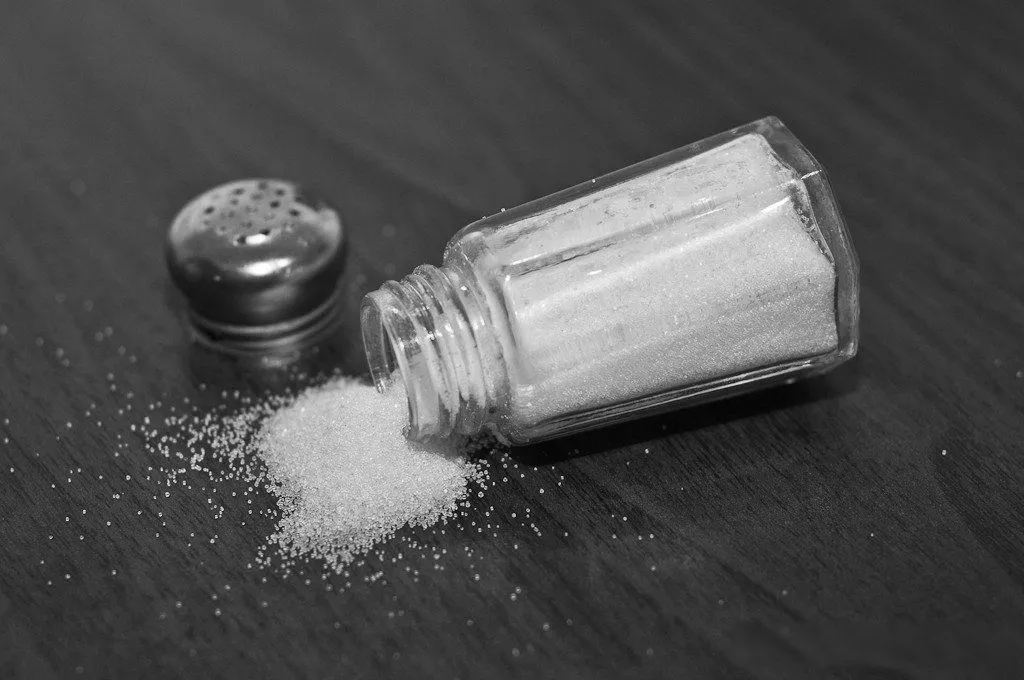
As mentioned, honey is hygroscopic, so it contains very little water in its natural state. It is, first and foremost, a sugar, and sugar in its natural state is almost devoid of water.
Bacteria and other microorganisms have a hard time surviving in a setting like this (lots of sugar, almost no free water). Scientists measure this as a low "water activity," and honey’s sits around 0.6, well below the roughly 0.9 that most bacteria need to grow. The dense sugar actually pulls water back out of any microbe that lands in it through osmosis, drying the cell out. As a result, microbes don’t multiply and instead die off, leaving the host (in this case, honey) ‘unharmed’.
Honey Is Acidic
At first, that statement admittedly sounds a little absurd, but it’s actually true! Honey has a pH roughly in the range of 3.2 to 4.5 (most jars sit near 3.9), which makes it about as acidic as orange juice. Most spoilage bacteria can’t tolerate conditions that sour, so this acidic nature of honey also keeps the growth of microorganisms in check.

Bees Play A Huge Role
Yes, it’s true! Bees play a huge role in making honey last forever. You see, the first material that bees collect in order to make honey, nectar, can be 70-80% water. Bees dry that nectar out by fanning it with their wings until the water drops to roughly 17-18%, which is exactly the low-moisture state that microbes hate.
Subsequently, when bees vomit nectar into honeycombs (yes, they actually puke it into there), an enzyme called glucose oxidase from their stomach mixes with nectar and breaks it down into two products: hydrogen peroxide and gluconic acid. It’s the hydrogen peroxide that keeps germs and other hostile microorganisms at bay.
This is one of the reasons why honey can be (in some cases) used on open wounds and has tremendous medicinal value.
Proper Storage For Maximizing Shelf Life
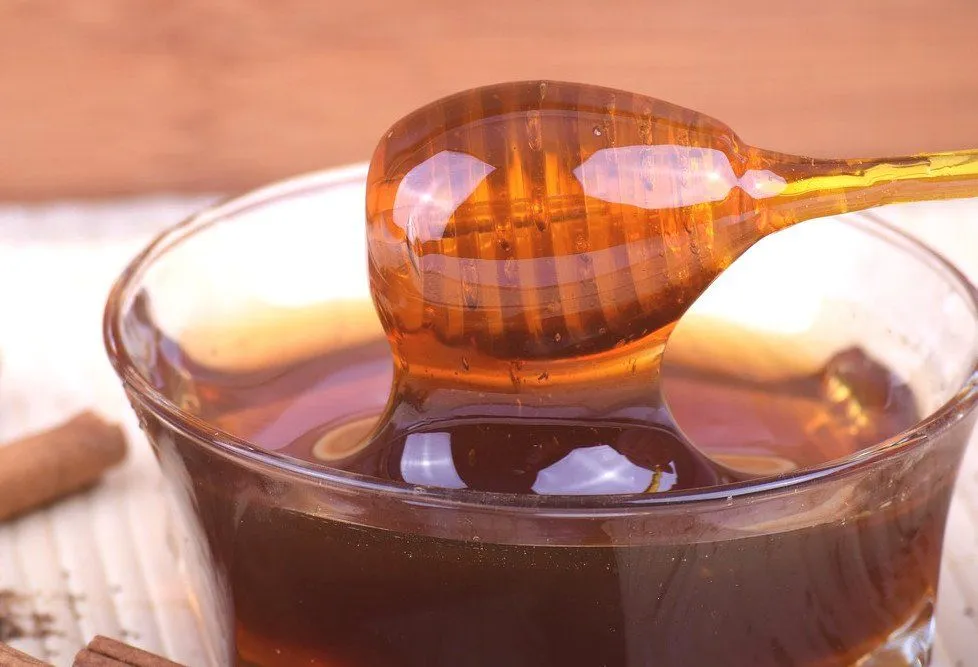
Although honey has very little water of its own, it easily absorbs water from its surroundings, thanks to its hygroscopic nature. Therefore, it is of paramount importance that honey is stored in a dry, airtight container, especially if you have big plans to use it in a few decades! Sealing also matters because moisture is honey’s one real weakness: once the water content climbs past about 18-20%, wild yeasts can wake up and ferment the sugars, and that is when honey finally goes off.
So When Does Honey Actually Go Bad?
Here’s the part that trips people up. If your jar turns cloudy, grainy or solid, don’t panic and don’t toss it. That’s crystallization, not spoilage. Glucose simply drops out of the solution and forms tiny sugar crystals, and a quick warm-water bath turns it runny and golden again. Honey only truly spoils if it picks up enough water to ferment, which is why a leaky lid or a wet spoon is its real enemy.
Want proof of just how durable the stuff is? Archaeologists keep digging up sealed pots of ancient honey that are still edible. The oldest known examples, found in a roughly 5,500-year-old tomb in the country of Georgia, predate even the honey recovered from Egyptian tombs. So a jar surviving a few decades in your pantry is honestly nothing special by honey’s standards.
One Important Exception: Babies
For all its talents, honey carries one warning that has nothing to do with spoilage. It can contain dormant spores of Clostridium botulinum, the bacterium behind botulism. Honey’s dryness and acidity stop those spores from ever growing in the jar, so they’re harmless to older children and adults. But an infant’s gut is a different story: the spores can take hold there and cause infant botulism. For that reason, the CDC and pediatricians advise never giving honey to a child under 12 months old.