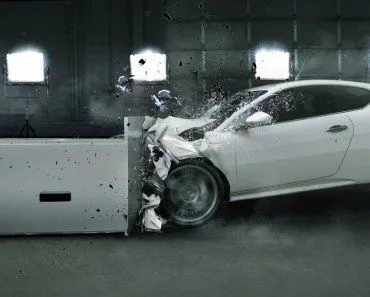
No, the Titanic would not have survived a head-on collision with the iceberg. Such an impact would have caused further complications, potentially worsening the disaster.
On the fateful day of 14 April 1912, the RMS Titanic, a luxury passenger ship described as “unsinkable,” collided with an iceberg, causing an accident of catastrophic proportions. Hundreds of lives were lost, accompanied by a massive loss of property.
Several hypotheses were proposed after the accident on what could have been done to minimize the losses caused by the collision.
One of the hypotheses suggested that if the Titanic had collided head-on with the iceberg, the damage to life and property would have been much less severe.
What If The Titanic Hit The Iceberg Head-on?
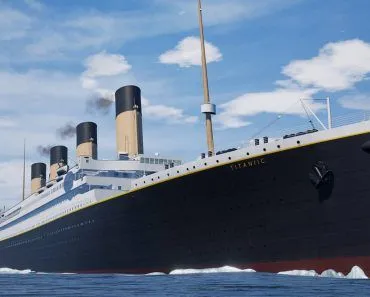
The RMS Titanic was equipped with collision bulkheads, which are watertight compartments designed to prevent flooding in case of collision or damage to the ship. So, the ship would have survived the damage.
Furthermore, the impact would have flooded the first three or at most four watertight compartments.
As the Titanic was designed to stay afloat with up to four compartments flooded, such a catastrophic loss of life could have been avoided.
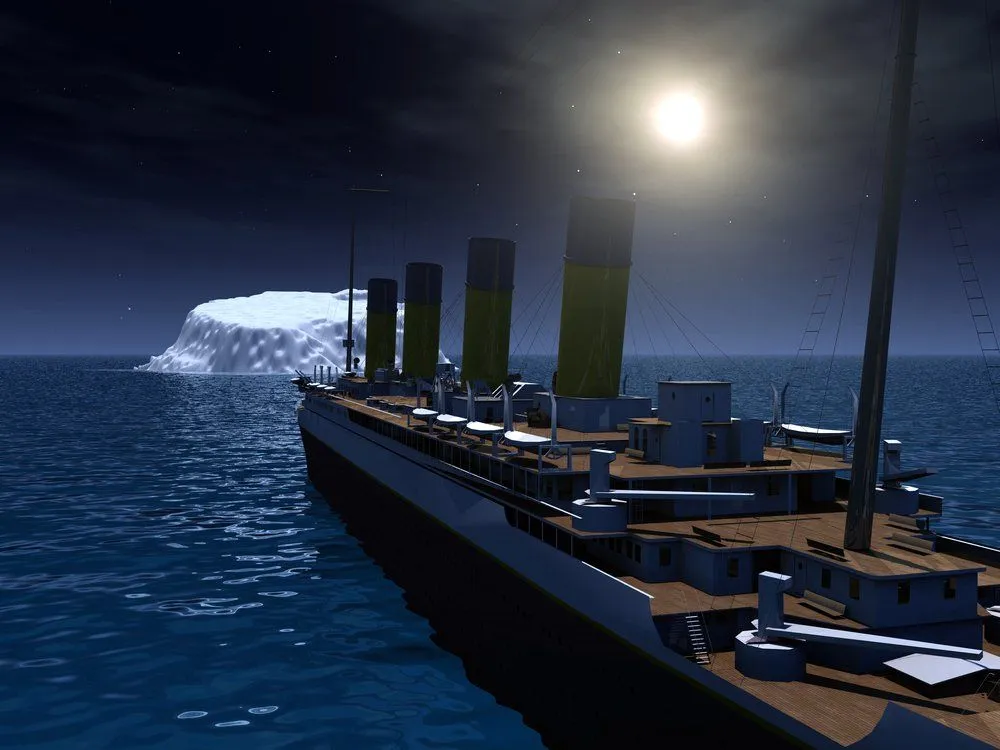
Those who agreed with this hypothesis blamed First Officer William Murdoch for his irresponsible actions that led to the disaster.
But what exactly did he do to deserve this criticism?
Why Did The Titanic Hit The Iceberg Sideways Instead Of Head-on?
The Titanic was a 52,000-tonne ship, and was traveling at 22 knots, almost 41 km / h. Note that unlike a fast-moving car (which stops in a few seconds when brakes are applied), a fast-moving ship takes a few minutes to stop completely when its engines are shut off. So, if an iceberg is directly in front of a ship, the ship wouldn’t come to a halt immediately, even if “brakes” are applied.
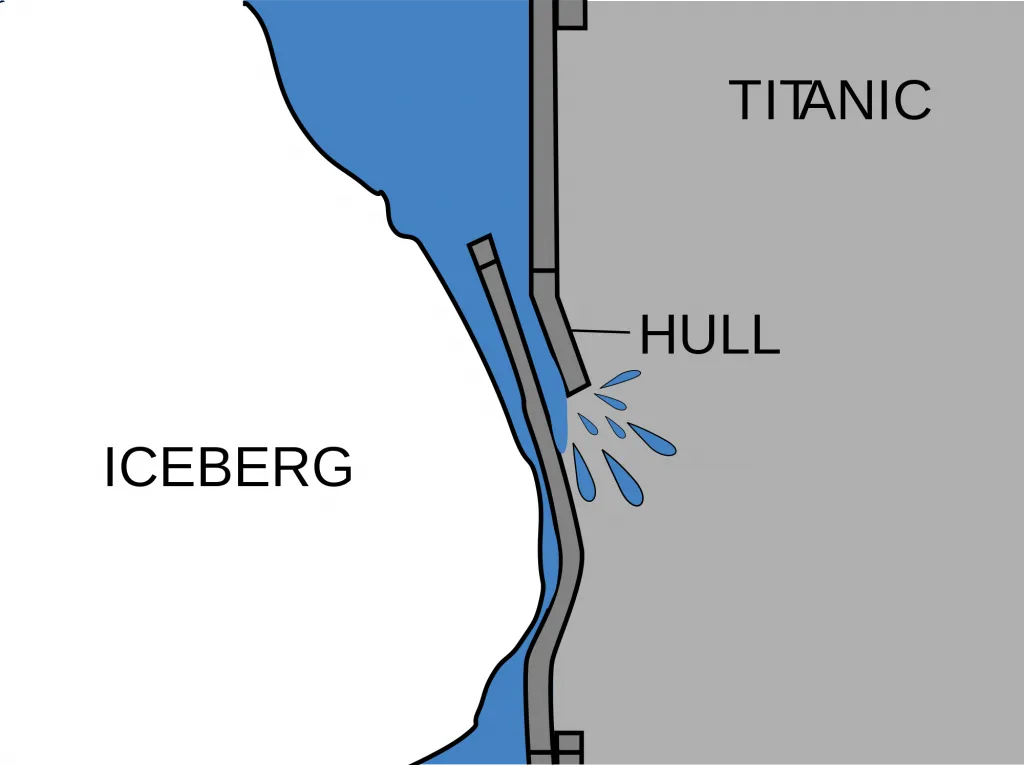
When First Officer Murdoch was informed about the imminent collision with the iceberg, he tried to steer the ship towards the left side to avoid a direct hit. However, despite his efforts, the ship collided with the iceberg, causing it to scrape along the side of the ship and tear its hull apart.
3 Problems With A Head-on Collision
Bulkheads: Not As Effective Against An Iceberg
The collision bulkheads on the bow of the Titanic were designed to survive a collision with another ship, but not an iceberg! They were erected as a precaution against such an event as happened to the RMS Republic in 1909.
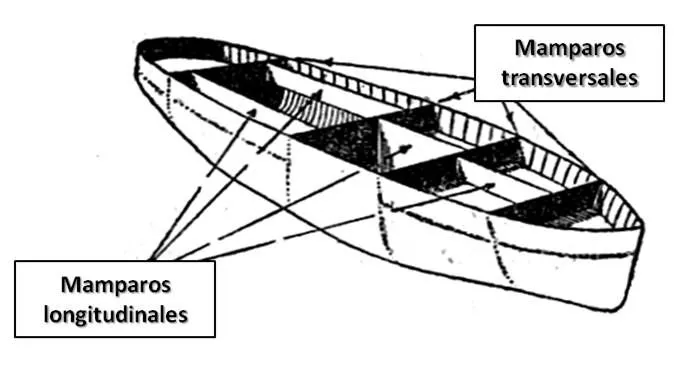
The compartments of such bulkheads were more or less like the ‘crumple zones’ of modern vehicles, meaning that they absorbed most of the energy of the impact following a collision. The same thing would happen with the other ship (that collided with yours), as it also absorbed some of the energy of the impact. In such a case, both the vessels would sustain heavy damages but would likely still stay afloat.
If the Titanic were to collide with the iceberg – a stationary, mammoth object – most of the energy of the impact would have to be absorbed by the ship, which would have only made matters worse.
Abrupt Halt: Utterly Undesirable!
If the Titanic had rammed head-on into the iceberg, it would have come to a halt almost immediately; just think of what it feels like when you see a car swerving in front of you, and you suddenly step on the brakes.
An abrupt stop would have thrown people against cabins or berths, and since it was night and most passengers were asleep, they would have had absolutely no chance of bracing against the impact; they would have been flung into the things in their immediate vicinity.
In addition, the condition of the workers at the front of the ship would have been even worse.
Extensive Damage
In the event of a frontal collision, the impact would have extended the entire length of the ship, splitting seams and bursting rivets, in which case many more of the ship’s compartments would have been exposed to the sea, causing the ship to sink much faster.
The idea that the ship would have survived if it had crashed head-on into the iceberg is therefore crazy; there are several claims and hypotheses that suggest a variety of approaches that could have reduced, if not completely avoided, the severity of the tragic wreck of the RMS Titanic. Still, it is definitely not one of them.
When And How Did The Titanic Hit The Iceberg?
Let's set the scene. The collision happened at about 11:40 pm ship's time on the night of 14 April 1912, in the freezing North Atlantic, roughly 740 km (about 400 nautical miles) south of Newfoundland. The Titanic was steaming along at roughly 22 knots, which works out to about 41 km / h (25 mph), close to her top speed and far too fast for a sea that other ships had warned was full of ice.

Here is the part that still stuns people: the lookouts in the crow's nest, Frederick Fleet and Reginald Lee, had almost no time to react. From the moment Fleet rang the warning bell and called the bridge with "Iceberg, right ahead," only about 37 seconds passed before the ship struck. That figure comes from the British inquiry, based on how long the ship took to swing two points (about 22.5 degrees) off her course before impact. The night was flat-calm and moonless, so no waves broke against the berg to give it away, and the lookouts had no binoculars in the nest.
When the iceberg did hit, it did not punch a single gaping hole. An underwater shelf of ice scraped along the starboard (right) side of the bow for only about six seconds, springing the hull plates and popping rivets. Investigators later estimated the total area of all the openings at just 1.1 to 1.2 square metres (about 12 to 13 square feet), spread along the forward third of the ship. That tiny, drawn-out wound is exactly what opened too many compartments at once and sealed the ship's fate. It is also why some passengers wondered, too late, whether they could have clambered onto the iceberg itself.
Could The Titanic Have Been Saved Or Avoided The Iceberg?
Once you understand how thin the margins were, a better question than "head-on or sideways?" is whether the disaster could have been dodged at all. The honest answer is that no single change sank the Titanic. Instead, a chain of small decisions lined up in the worst possible way, and pulling out almost any one link likely keeps her afloat.

Start with speed. The Titanic raced through known ice waters at roughly 22 knots, near full power. Several ice warnings reached the ship that day, and one from the nearby Californian reporting that it was stopped by dense field ice was never passed up to the bridge as urgent. Slow the ship down, and the lookouts buy precious extra seconds to steer clear.
Then there is the strange case of the missing binoculars. Second Officer David Blair was reassigned off the ship at the last minute and accidentally kept the key to the locker that held the crow's nest binoculars. Lookout Frederick Fleet later testified that with glasses, he believed he would have spotted the berg early enough to get out of the way. The key itself eventually sold at auction for about £90,000.
Finally, the ship's watertight compartments could keep her afloat with up to four flooded, but the iceberg opened six of the sixteen. Bulkheads that reached higher up the decks, or that did not let water spill from one compartment into the next, might have bought the hours needed for rescue. Take away any one of these factors, a slower speed, binoculars in the nest, heeded warnings, or taller bulkheads, and the most famous shipwreck in history may never have happened.
References (click to expand)
- Causes and Effects of the Rapid Sinking of the Titanic.
- Downright Titanic Conspiracy Theories.
- Would The Titanic Have Sunk If It Didn't Try To Avoid ....
- Sinking of the Titanic. Wikipedia.
- Why Did the Titanic Sink? HISTORY.
- Despite the warning 'Iceberg, Right Ahead!' the Titanic was doomed. National Geographic.