Table of Contents (click to expand)
The Titanic wreck is disappearing largely because of Halomonas titanicae, a rust-eating bacterium described in 2010. This salt-loving (halophilic) microbe feeds on the iron in the hull, forming icicle-like "rusticles" that slowly consume the ship. Combined with currents and corrosion, it is expected to leave little of the wreck within 20-30 years.
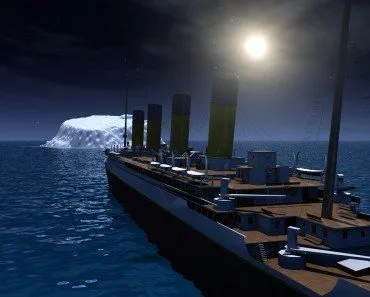
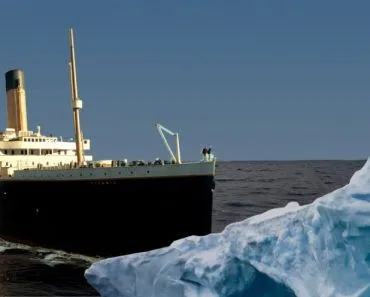
In the wee hours of April 15th, 1912, the RMS Titanic, a British passenger liner, met an untimely fate on her maiden voyage. The news made headlines, and is, to date, one of the most talked about maritime disasters, although it is not the worst. The sinking of the German ship Wilhelm Gustloff is the worst tragedy, as it resulted in the death of over 9,000 people. That, however, is a story for another day.
The wreck of the Titanic was found in 1985, quite by accident. Researchers have since found that the shipwreck, over 100 years after its ill-fated sinking, is deteriorating rather quickly. In fact, by most estimates it has only 20-30 years left before it is completely gone.
Why Is The Wreck Disappearing?
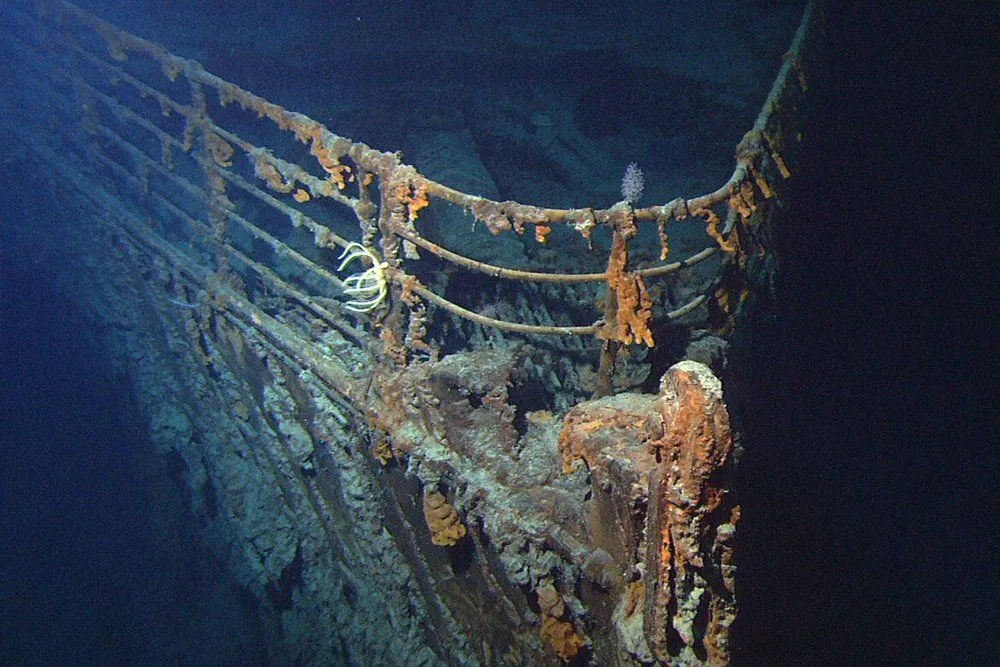
The massive wreck lies on the seabed at a depth of about 3,800 meters (12,500 feet). With numerous sources reporting cave-ins and other forms of damage to the wreck, most experts now estimate that recognizable parts of it will be gone within 20-30 years. The main cause behind this is the microorganism Halomonas titanicae. When wrecks reach the seabed, they are colonized by a large number of microbes. It usually starts with one or two species, which establishes a base for the further invasion of other species. This myriad of microbes form an oily layer over the wreck called a biofilm. This actually slows down the corrosion and damage caused by the water and chemicals, as it reduces the direct contact between the surface of the wreck and the water. However, in the case of the Titanic, H. titanicae seems to have a particular liking for iron. This organism is slowly eating away the iron that forms the wreck, thus leading to the deterioration of the ship.
Halomonas titanicae
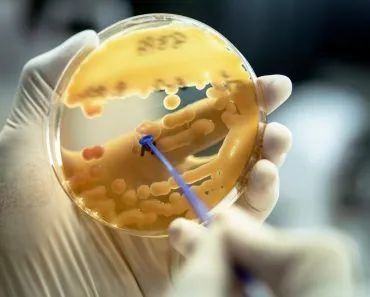
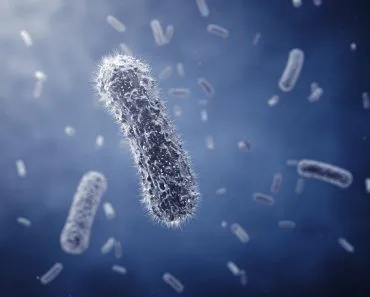
This is a gram-negative, rod-shaped bacterium that was described as a new species in 2010 by a team from Dalhousie University in Canada and the University of Seville in Spain. The strain was isolated from rusticles obtained from the wreck of the Titanic, which explains the name. These microbes are halophiles, meaning that they like environments with high salt concentration, and metal is their main source of energy. They have a strong preference for iron, and they derive their energy from iron rust, which is the main reason for their effect on the Titanic. The microbe is motile, thanks to a fringe of whip-like flagella. They are usually colorless or have a yellowish tint. H. titanicae are non-endospore-forming microbes and are also known as “steel-munching bacteria”.
The depths of the ocean usually make it hard for most microbes to survive, due to the high salt concentrations. However, H. titanicae have their own mechanism to work through that. These microbes pose a threat not just to the wreck of the Titanic, but also to other metallic structures in the oceans, such as oil rigs or pillars. Due to their harsh favorable conditions, it’s not that easy to culture and study them in the lab. However, studying them will shed some light on how the damage they cause can be minimized. While it may not be possible to prevent the Titanic’s eventual disappearance, it can be used to protect other structures. Recent expeditions back up just how fast this decay is moving. A 2024 dive recorded a roughly 4.5-meter (15-foot) section of the bow railing lying collapsed on the seabed, and the detailed 2022 digital scan of the wreck (revealed in 2025) captured the damage rivet by rivet.
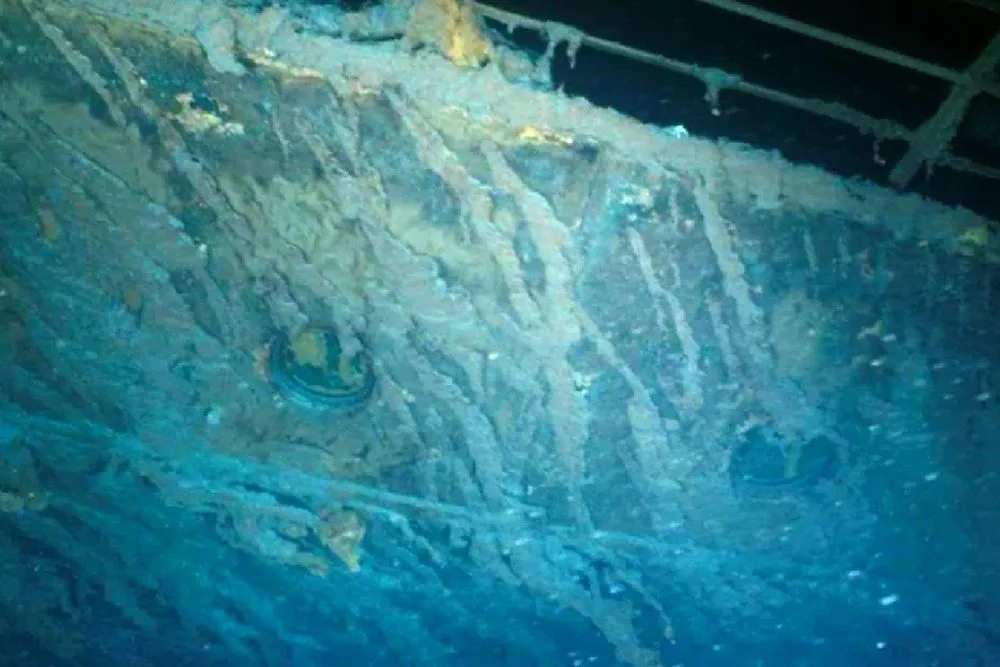
However, these microbes aren’t always the bad guys. They could be used to recycle metal from other wrecks and structures, when required, if we manage to harness their metal-corroding property. Preservation of the wreck of the Titanic would be incredibly expensive, and may be impossible. However, it will continue to live on in the minds of countless people even after the ruins are no longer there.
What Problem Might Halomonas titanicae Cause Beyond The Titanic?
Here is the uncomfortable part: the Titanic is not a special case. H. titanicae is simply very good at a process engineers dread, called microbially influenced corrosion (MIC). Any iron or steel structure sitting in cold, salty, oxygen-poor seawater is fair game, which is why the same scientists who named the bacterium flagged it as a potential threat to oil rigs, pipelines, and other man-made objects on the deep-sea floor. The genome of H. titanicae, sequenced in 2013, is packed with the exact tools for the job: iron reductases, iron transporters, and iron-uptake regulators that let the cell strip iron out of metal and use it as fuel.

Laboratory tests show just how aggressive this can be. In a 2020 study published in the Journal of Materials Science & Technology, researchers grew H. titanicae biofilms on 304L stainless steel, a grade widely used in marine and industrial equipment. The corrosion rate with the bacterium present was roughly 16 times higher than in a sterile control, and after just 14 days the deepest corrosion pits reached about 6.6 micrometers, against 1.2 micrometers without the microbe. In a worst-case scenario the team calculated a corrosion rate near 1.7 millimeters per year, fast enough to compromise that steel. None of this is academic: MIC of all kinds is estimated to cost the oil and gas industry over US$100 million every year.
The flip side is that the very appetite that dooms the Titanic could be put to work. Because H. titanicae can break down submerged metal, researchers have suggested it might help safely dispose of decommissioned ships and oil platforms once oils and toxins are removed, or guide the design of paints and protective coatings that keep working vessels and rigs out of its reach. The microbe that is quietly erasing one of history's most famous shipwrecks may yet teach us how to protect the metal we still rely on.
References (click to expand)
- Halomonas titanicae - microbewiki. Kenyon College
- BBC Earth | Home. BBC Online
- Titanic Is Falling Apart - news.nationalgeographic.com
- Halomonas titanicae sp. nov. - International Journal of Systematic and Evolutionary Microbiology
- A New Deep-Sea Map Reveals the Titanic in Never-Before-Seen Detail - National Geographic
- Microbiologically influenced corrosion of 304L stainless steel caused by Halomonas titanicae - Journal of Materials Science & Technology (2020)
- Draft Genome of the Marine Gammaproteobacterium Halomonas titanicae - Genome Announcements (NCBI)