Yes, losing one sense generally does sharpen the others. When the brain stops receiving input from a damaged sense (such as vision), the unused brain regions are recruited by the remaining senses, a process called cross-modal neuroplasticity. Blind people often have measurably better hearing, smell and touch; deaf people show heightened visual and tactile abilities.
Have you ever heard of the Netflix series Daredevil? Or perhaps you remember reading about that legendary comic book hero when you were a child?
Well, the premise of Daredevil’s remarkable story is quite simple; Matt Murdock was blinded as a young boy when he shoved a blind stranger out of the path of an oncoming truck and a radioactive substance spilled from it into his eyes, and he has learned to survive in the brutal world of Hell’s Kitchen without that vital sense. The superhero side of his story comes from his incredible abilities with his other senses, including hearing, smell, and touch. To fight crime in the underbelly of that corrupt city, he uses something akin to echolocation, diving off buildings, reading wind currents, listening to voices from blocks away, and identifying people by smell.
As awe-inspiring as Daredevil’s life happens to be in the movies, does that sort of advanced ability have any basis in real life? In other words, if you lose one of your senses, do the other ones get better to compensate?
The Five Senses… What Are They?
Well, we all know what the five senses that we humans possess – sight, smell, taste, touch, and hearing – but where do these miraculous powers come from? Well, that will require a bit of digging – into our brains!
The cerebrum is traditionally divided into four main lobes (frontal, parietal, temporal, and occipital), with the insula and the limbic lobe sometimes counted as additional lobes. Sound is processed by the auditory cortex in the temporal lobe, while smell is handled by the olfactory cortex, which sits on the medial surface near the temporal lobe but is functionally part of the limbic system. Sight is handled by the occipital lobe. Taste is closely related to smell, and is also tied to the olfactory nerves, while touch is generally detected and processed by the somatosensory cortex in the parietal lobe. Other sections of the brain also weigh in, such as the insular cortex, which plays a major role in registering the unpleasant, emotional dimension of pain.
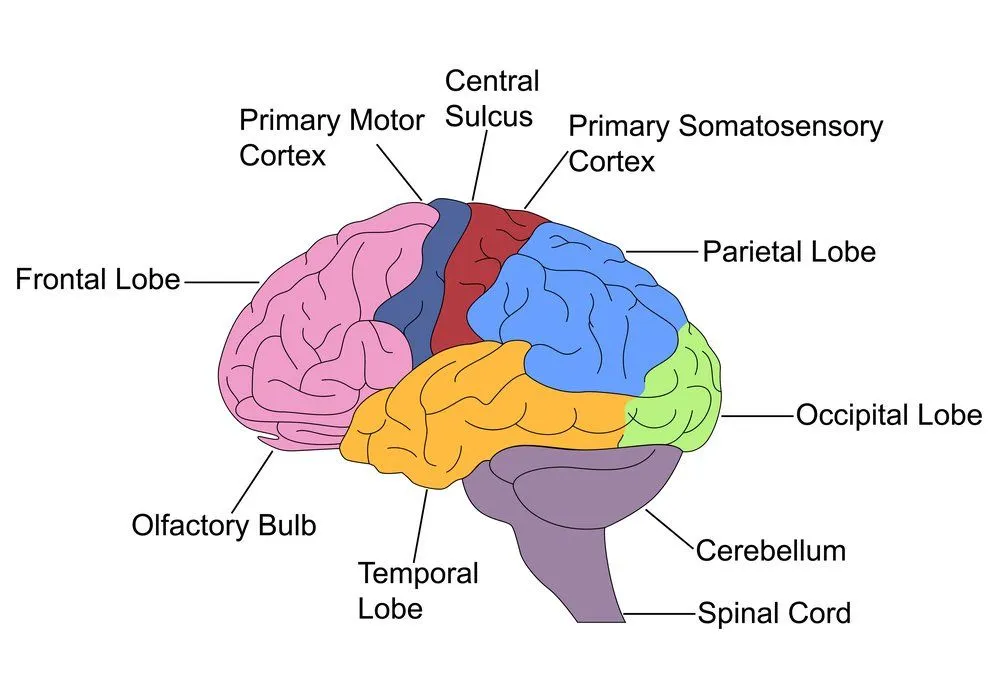
Now, the most common senses that are “lost” are sight and sound, and these are more specifically controlled by the visual and auditory cortex, respectively. It is possible to lose the senses of taste, smell, and touch, but these are much less common.
When we are born, it is important to understand that our brain is still developing, and most of the processing powers are combined. It is only as we grow up that the individual senses begin to be controlled by independent sensory sectors. The beautiful thing about the brain is its plasticity, and studies have shown that the brains of blind infants don’t separate into those individual sections, allowing the visual and auditory cortexes to “team up” and heighten the sensitivity of hearing.
Our Brain…the Flexible Supercomputer
The human brain is essentially a computer, so we can easily talk about it in terms of processing power. If you lose your sense of sight, for example, the brain will rely on other information sources to make sense of the world around you. A landmark 2005 PLoS Biology study by Gougoux and colleagues found that activity in the visual cortex of early-blind people actually predicted how accurately they could localize sounds, evidence that the unused visual cortex gets quietly recruited for hearing. Other regions handling memories and smell appear to take on extra work too. If you think that our brain doesn’t change and evolve as we move through life – you’re wrong! Your brain is highly adept at rewiring itself if it thinks it can function more efficiently.
If You Lose A Sense Do The Others Get Stronger?
Since you no longer need to use that part of the brain to process images, more energy and processing power is shifted to the senses of hearing and touch, which will improve your ability to move through the world. For example, blind individuals often use a technique called “clicking”, in which they make small clicking sounds and then interpret the echo they hear to determine the environment around them. This echolocation technique can even allow people to determine specific objects and walk normally without bumping into walls or obstacles.
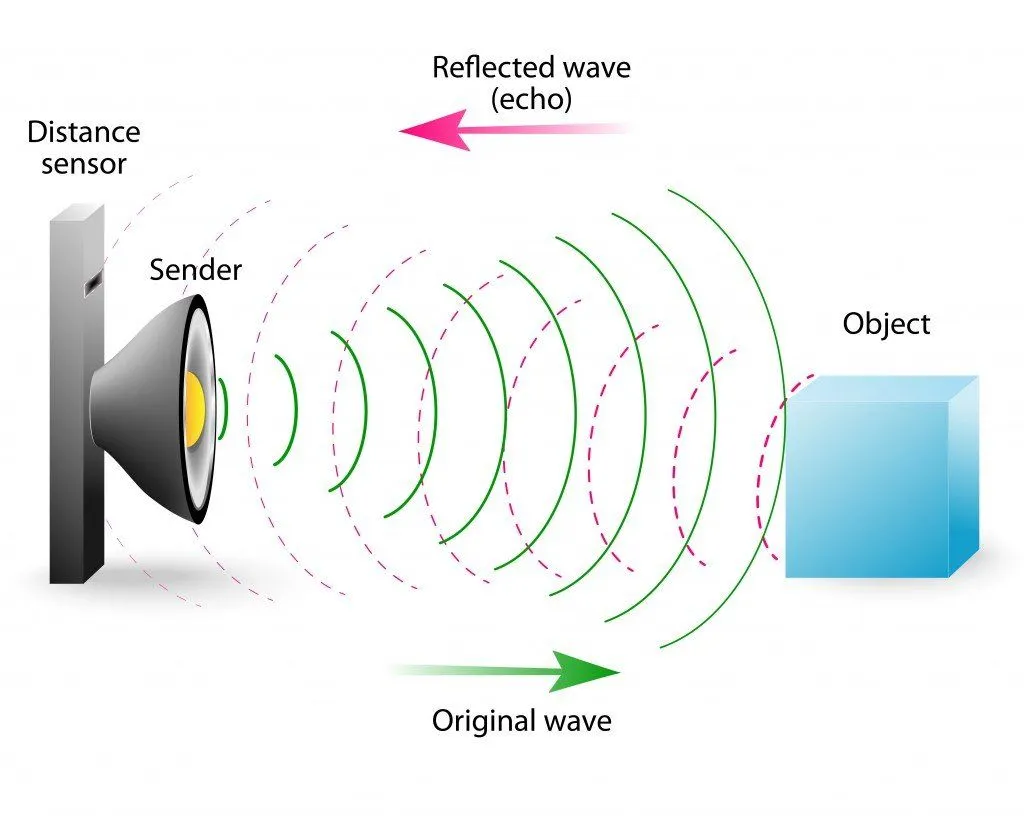
The heightened sense of hearing allows the brain to differentiate the echoes that return after these clicks, a feat that seems impossible to those of us who typically rely on vision. More impressively, brain scans of blind individuals “clicking” reveals that the sounds are not only processed by the auditory cortex, but also in the occipital lobe (visual cortex), despite not being able to “see”.
Research has shown that a similar thing happens for those who are deaf, although it was found that these individuals’ brains use the auditory cortex to process touch and visual stimuli. Even though the individual can no longer hear, the auditory part of the brain is still useful as a “computer” component, so it contributes its processing power to the other senses, heightening them in a measurable way! A 2024 Nature Communications study found that the auditory cortex of early-deaf adults can even be recruited to process the meaning of natural visual scenes, not just simple motion, showing just how creative this rewiring can be. And, interestingly, a 2024 echolocation training study showed that even sighted adults can develop measurable visual-cortex changes after just 10 weeks of practice – cross-modal plasticity isn’t reserved for the blind.
How Do People Compensate For A Lost Sense?
Heightened hearing or touch is only half the story. The other half is the clever workarounds that people build on top of that rewired brain. Braille is the classic example: an entire written language squeezed into patterns of raised dots that the fingertips read at speed, turning the sense of touch into a stand-in for sight. Guide dogs, white canes and the click-based echolocation we met earlier all do the same job, funneling information about the world through whichever channels are still open.

Technology has pushed this idea to a strange and wonderful extreme with something called sensory substitution. Back in the late 1960s, neuroscientist Paul Bach-y-Rita argued that we see with our brains and not with our eyes, and he set out to prove it. His successors built devices like the BrainPort, which mounts a tiny camera on a pair of glasses and converts the picture into a grid of gentle electrical pulses delivered to a pad on the tongue, one roughly the size of a postage stamp. Bright pixels buzz, dark ones stay quiet, and the tongue becomes a low-resolution screen.
Learning to read it is, in the words of one researcher, like learning a new language. At first the tingles mean nothing, but with practice the brain starts to interpret them as shapes, edges and motion. Within an hour, many blind users can point to different shapes, and after a few more hours of practice they start to recognize familiar objects and dodge obstacles. The effect feels less like a gadget and more like a rough new way of seeing. It is the same trick the brain pulls with echolocation, only outsourced to a machine.
Can You Lose All Five Senses At Once?
It is a question that comes up a lot: has anyone ever lost all five senses at once? In everyday life, the honest answer is no. Losing every sense together while staying awake would leave a person with no way at all to take in the world, and our senses simply do not fail as a set like that. What does happen, to hundreds of thousands of people, is the loss of two of the big senses at the same time: sight and hearing.
Doctors call this deafblindness, and it is rarely total. Most deafblind people keep some scraps of vision or hearing, but enough is gone that the two senses can no longer prop each other up. One of the leading causes is Usher syndrome, a genetic condition that pairs hearing loss from birth with a slow, creeping loss of vision, and which accounts for roughly half of all inherited deafblindness.

The most famous example is Helen Keller, left deaf and blind by an illness at just 19 months old. Cut off from sight and sound, she learned to receive language entirely through touch: her teacher Anne Sullivan spelled words letter by letter into her palm using a manual alphabet that Keller could feel as movement. She went on to become the first deafblind person to earn a bachelor's degree, a vivid demonstration of just how far the touch-and-smell workaround can be pushed.
The closest anyone comes to switching off all five senses at once is on the operating table. General anesthesia is best described as a reversible, drug-induced loss of conscious awareness, turning down our experience of sight, sound, touch and pain to nothing so that a surgeon can work. Crucially, it is deliberately temporary; the senses are not truly lost, merely switched off, and they flick back on as the drugs wear away.
Smell, Taste And Touch Powers?
Taste and smell are largely controlled by the olfactory nerves, which makes them slightly unusual for our senses. The olfactory sensory neurons are unusual in that they are continuously replaced throughout life, and their axons can re-enter the central nervous system, a regenerative capacity not shared by most other neurons in the brain. Essentially, the body and brain will often attempt to repair these senses, rather than compensate for them in another way or in another cortex.
Touch is the final sense, and one that is very difficult to “lose”. However, in terms of improving the sense of touch, blind individuals have reported that their sense of touch improved (particularly in terms of environmental stimuli), so they were able to avoid walls and windows based on the different temperature changes in those areas.
What About That Sixth Sense? Or a Seventh?
Some people argue that humans aren’t limited to the traditional five senses, and may even possess hints of magnetoception (the detection of magnetic fields) – Joe Kirschvink’s team at Caltech reported preliminary EEG evidence for this in 2019, though the effect is subtle and unconscious. There are also more familiar skills we take for granted, like the ability to stay balanced and upright, detect the passage of time, and sense where our body parts are without looking (proprioception).
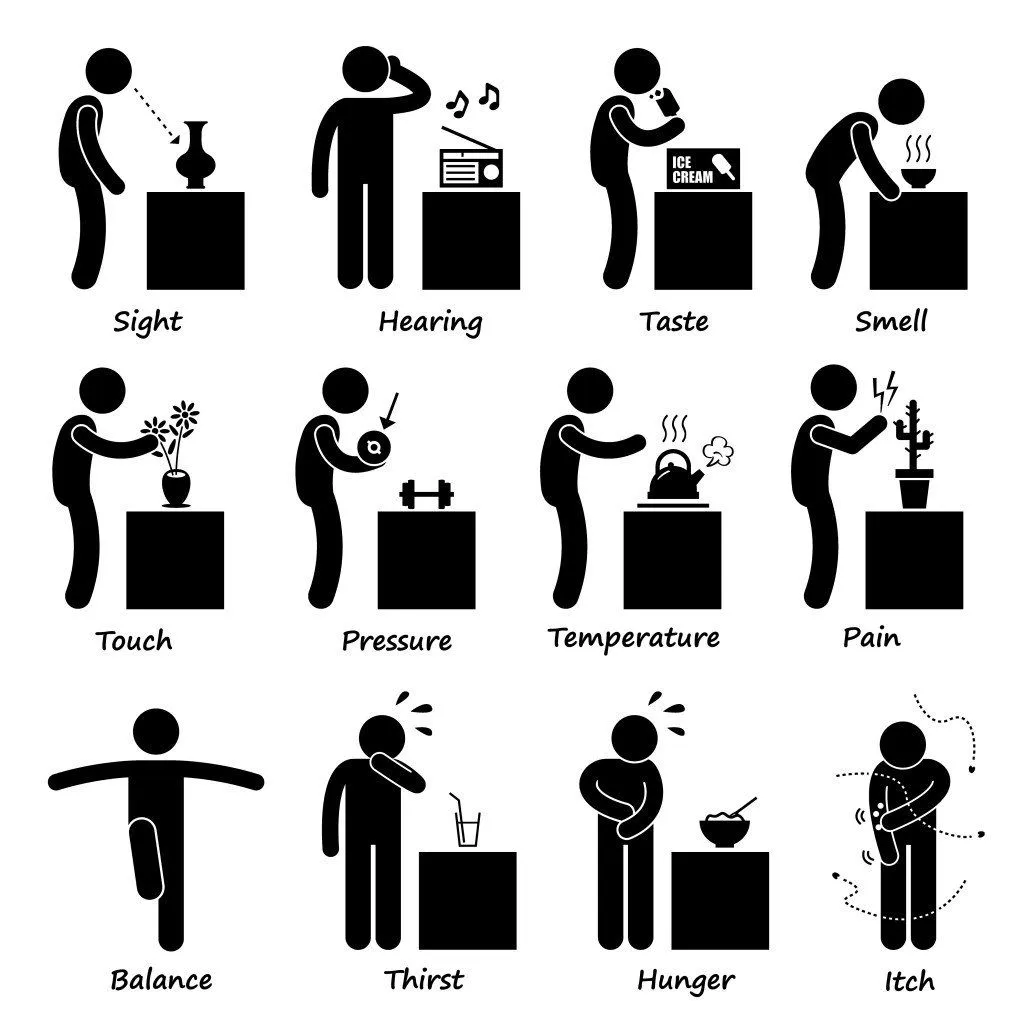
Although these are less commonly researched subjects in relation to the brain, it has been shown that these abilities are also heightened when we lose one of our “Big 5” Senses.
In other words, when you watch Daredevil flipping through the streets of Hell’s Kitchen, perhaps it isn’t so impossible! Although blind people leaping across rooftops, balancing on narrow railings and sniffing out bad guys from around the corner might be a bit of a stretch, solid research has shown that it is far from impossible.
The brain is a miraculous and mysterious machine, and we are still learning more about it every day.
References (click to expand)
- The Limbic System - webspace.ship.edu. Shippensburg University of Pennsylvania
- Chapter 9: Limbic System - www.dartmouth.edu
- Gougoux, F., Zatorre, R. J., Lassonde, M., Voss, P., & Lepore, F. (2005, January 25). A Functional Neuroimaging Study of Sound Localization: Visual Cortex Activity Predicts Performance in Early-Blind Individuals. (M. Raichle, Ed.), PLoS Biology. Public Library of Science (PLoS).
- Super Powers for the Blind and Deaf - Scientific American. Scientific American
- Do the blind have a more acute sense of smell? - ScienceDaily. Science Daily
- (2021). Maverick scientist thinks he has discovered a magnetic sixth sense in humans [Data set]. AAAS Articles DO Group. American Association for the Advancement of Science (AAAS).
- Wang, C.X. et al. (2019). Transduction of the Geomagnetic Field as Evidenced from Alpha-Band Activity in the Human Brain. eNeuro.
- Benetti, S. et al. (2024). Visual category representations in the auditory cortex of early deaf adults. Nature Communications.
- Norman, L.J. et al. (2024). Click echolocation training and changes in blind and sighted adults. PMC.
- A Tongue for an Eye: Device Challenges Conventional Vision - National Eye Institute (NIH)
- Usher Syndrome - National Institute on Deafness and Other Communication Disorders (NIH)
- The Manual Alphabet - American Foundation for the Blind
- Bonhomme, V. et al. (2019). General Anesthesia: A Probe to Explore Consciousness. Frontiers in Systems Neuroscience. PMC.