Table of Contents (click to expand)
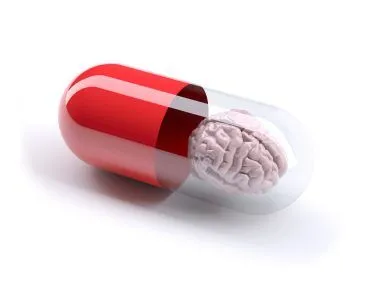
Sleeping pills work by acting on the brain to dial down alertness. Mild over-the-counter aids are antihistamines that cause drowsiness. Prescription pills (benzodiazepines and Z-drugs like Ambien) boost GABA, the brain's main calming signal, while newer drugs either nudge the melatonin clock or block orexin, the chemical that keeps you awake.
In a bid to stay on top of the competitiveness and challenges of modern life, we often tend to ignore our own health. Among all the things that are negatively impacted in the process, sleep probably takes the worst hit. Even when one actively tries to catch some shut-eye, they simply can’t fall asleep!
Since sleeping is so essential for the human body to function properly, people resort to sleeping pills to catch some sleep. So, what is it that makes sleeping pills so effective in making people fall asleep?
Sleeping pills (or sleeping aids) come in a few different flavors: milder ones that simply promote drowsiness as a side effect, and stronger drugs that are purpose-built as sleeping aids. Irrespective of which type a sleeping pill belongs to, all of them work by affecting the brain to promote or trigger sleepiness.
Mild Sleeping Pills
These are the pills that aren’t specifically designed to make you drowsy, but do so as a side effect, which makes them popular options as mild sleeping aids. These over-the-counter pills are usually antihistamines that make us sleepy by blocking the action of histamine, a chemical messenger that travels between neurons to keep you awake and alert (the same one that triggers a runny nose and itchy eyes when you’re fighting an allergy). Because the brain’s histamine system promotes wakefulness, switching it off leaves you feeling sluggish and ready for bed. A number of these mild sleeping aids, including Nytol, Sominex and Excedrin PM, contain diphenhydramine, while others, such as Unisom SleepTabs, use a closely related antihistamine called doxylamine. (Excedrin PM pairs the antihistamine with a pain reliever, so it does double duty for nighttime aches.)

Such mild sleeping drugs can be used by people who suffer from mild or infrequent insomnia. Still, these should be avoided, if possible, because they also have certain side effects, such as unwanted grogginess the next day, dry mouth, muscle aches, headaches and difficulty concentrating. They tend to lose their punch quickly too, since the body builds tolerance to the drowsy effect within a few days of regular use.
Prescription Drugs
Milder forms of insomnia can be treated using over-the-counter sleeping pills; one should, however, avoid taking mild sleeping pills if they suffer from chronic insomnia, as they don’t do much good.
Most prescription drugs used to tackle persistent insomnia act directly on the nervous system. The classic ones work by binding to GABA-A receptors, a group of receptors in the brain that respond to GABA (gamma-aminobutyric acid), the main inhibitory neurotransmitter. GABA is essentially the brain’s brake pedal: when these drugs latch onto the receptor, they amplify GABA’s calming signal, quieting nerve activity and ushering in drowsiness, relaxation and, eventually, sleep.
The oldest of these are the benzodiazepines, such as temazepam (Restoril) and triazolam (Halcion). They’re effective, but they hit GABA receptors broadly, which is why they carry a high risk of next-day grogginess, tolerance and dependence. To get around this, a newer group nicknamed the “Z-drugs” (nonbenzodiazepines) was developed to bind GABA-A receptors more selectively for a cleaner, more sleep-focused effect. The commonly prescribed Z-drugs include Ambien (zolpidem), Lunesta (eszopiclone) and Sonata (zaleplon).
These pills come with side effects too, including strange behaviors before sleep (such as sleepwalking, and even sleep-eating or sleep-driving with no memory of it the next morning), a decrease in overall sleep quality, and in some cases, even hallucinations. Both benzodiazepines and Z-drugs can lead to tolerance and physical dependence, so they’re generally meant for short-term use.
Newer Sleeping Pills: Resetting The Clock And Blocking Wakefulness
Because both mild and prescription sleeping pills come with their share of side effects, drug makers have developed newer classes that work in smarter, more targeted ways. Rather than broadly sedating the brain, these medicines nudge the specific signals that decide whether you stay awake or drift off.
The first of these is a group sometimes described as ‘sleep-wake cycle modifiers’, which influence your natural body clock, the circadian rhythm that times relaxation and sleep. That clock is run by a tiny cluster of cells called the suprachiasmatic nucleus, tucked inside a region of your brain called the hypothalamus. Ramelteon (Rozerem), the first drug of this kind approved for insomnia, works by binding to the melatonin receptors there, mimicking the sleep hormone melatonin to gently reset the sleep-wake cycle. It’s especially useful for people who struggle to fall asleep at the right time, and because it only acts on this small, specific target, it has fewer side effects than traditional sleeping pills. Even so, it isn’t the magic bullet it might sound like, and it can still cause grogginess and other unwanted effects.
The genuinely newest class takes the opposite approach: instead of boosting a sleep signal, it blocks a wakefulness signal. These are the orexin (or hypocretin) receptor antagonists. Orexin is a brain chemical that acts like an “on” switch for alertness, and these drugs simply turn that switch down so sleep can take over. Three are now FDA-approved for insomnia: suvorexant (Belsomra), approved in 2014, lemborexant (Dayvigo) in 2019, and daridorexant (Quviviq) in 2022. By dialing back orexin rather than flooding the brain with sedation, they help with both falling asleep and staying asleep, though, like all sleep drugs, they can still cause next-day drowsiness and are controlled substances because of their potential for dependence.
All in all, no sleeping pill is a cure, and none of them is entirely free of downsides. They’re sleep aids, not a permanent fix, and most can lead to tolerance or dependence with regular use. So the best and healthiest way to fall asleep faster and sleep better is still the old-fashioned route: eat well, manage your stress, and yes…

References (click to expand)
- How Sleeping Pills Work: OTC and Prescription Drugs. WebMD
- Benzodiazepines. StatPearls. NCBI Bookshelf, NIH
- Zolpidem. StatPearls. NCBI Bookshelf, NIH
- Melatonin. StatPearls. NCBI Bookshelf, NIH
- Targeting the Orexin System in the Pharmacological Management of Insomnia: Suvorexant, Lemborexant and Daridorexant. Int. J. Mol. Sci. PMC, NIH
- Oswald, I., & Priest, R. G. (1965). Five Weeks to Escape the Sleeping-pill Habit. BMJ.