Wax statues are made by taking hundreds of precise body measurements and photos, sculpting a clay model over a metal skeleton, then casting it in a plaster mold using wax heated to around 74 °C (165 °F). Eyes, teeth and thousands of individually inserted hairs are added, and oil paint is stippled on for lifelike skin. A Madame Tussauds figure takes roughly 3 to 4 months.
You’ve almost certainly heard of Madame Tussauds, a legendary tourist attraction (with multiple locations around the world) where you can find statues of eminent personalities from different parts of society, politics, popular culture, sports and history. However, these are not regular statues made of stone or marble, but rather made entirely out of wax!
Aside from Madame Tussauds, there are many other popular destinations in the world that feature wax statues. These statues are both mesmerizing and incredibly realistic, but how do they make such real-looking statues of people?
Sculpting wax to create human-like statues is, quite unsurprisingly, a very complex procedure. At Madame Tussauds, a single figure takes around 800 hours of work spread over 3 to 4 months, and reportedly costs in the region of $250,000 (about £200,000). However, once the process is broken down, wax sculpting can be divided into six main segments, which will be explained briefly below.
Body Measurements Of The Subject
To make a wax model of a person (referred to as ‘subject’ henceforth), you need to acquire precise measurements of their body. To capture the true likeness of a subject, sculptors use information about the subject’s body and musculature from a variety of sources, namely body measurements, photographs and video footage. At Madame Tussauds, this stage (the “sitting”) involves taking more than 250 individual measurements and anywhere from 60 to 300 photographs from every angle, so that no inconsistencies creep in later.
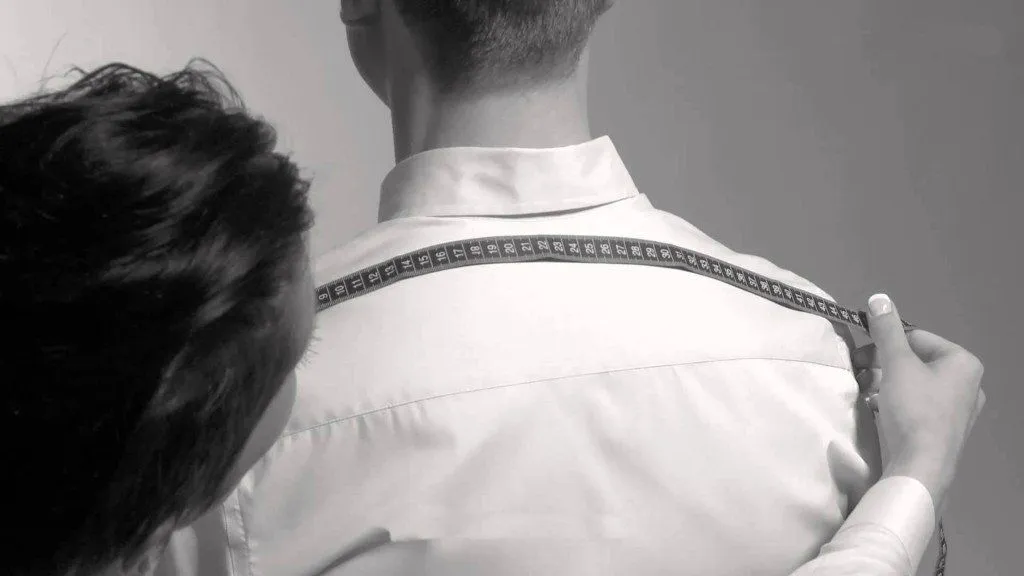
After all the relevant measurements are obtained, a metal skeleton of steel tube and wire is built to support the figure. Sculptors then pack clay over this framework, building up the body and musculature by hand. A full figure can swallow well over 100 kg (220 lb) of clay, and sculpting the head alone takes around five to six weeks.
Wax Mold
Once the clay model is finished, it is used to make the mold. The mold consists of different materials for various body parts. A multi-part plaster mold is taken of the head and body, while finer molds (for example, dental alginate) capture the precise detail of the hands. The clay body is later cast in fiberglass, which forms the lightweight, durable core that the wax surfaces sit on.
Wax Casting
This part is pretty straightforward: wax, heated to roughly 74 °C (165 °F), is poured into the molds, where it cools overnight to solidify and assume the desired shape. One interesting thing to note is that wax contracts as it solidifies. Therefore, the figures are deliberately built about 2% larger than the real subject, allowing the cooled wax to settle into the perfect proportions. Only the visible surfaces (the head and hands) are wax; these sit on the fiberglass body core cast earlier.
After the figure is removed from the mold, it is thoroughly inspected for any imperfections and seams that, if found, are melted away. To make the model look even more convincing, the hands and face are further perfected by adding more detail using heated metal tools.
Hair Addition
This is the most time-consuming (it can take up to six weeks) and patience-testing part of the entire procedure. A single head can hold over 10,000 individual hairs, each one inserted by hand using an extremely fine needle and angled in the natural direction of hair growth. Real human hair is often used, and it is washed and styled exactly as the subject wears it.
Eyes And Teeth
Eyes transform a plain wax structure into a realistic human model. As mesmerizing as they are, the eyes are an intricate feature to get right. Each eye is custom-made from acrylic, with the iris hand-painted to match the subject and fine threads added to mimic the tiny blood vessels in the white of the eye.
The teeth of the statue are shaped using a silicone mold taken from the subject’s mouth and subsequently recreated using dental acrylic to make them resemble the teeth of the subject as closely as possible.
Painting And Coloring
In the final segment of the entire process, skin color is established on the wax figure using oil-based paints. As opposed to brushing the color over the figure in a traditional way, the paint is stippled onto the wax to give it a human-like texture. The good news is that wax is translucent, just like skin. Therefore, it offers the most suitable base for adding colors and building up different textures. Coloring a single head alone takes around five days of careful work.
Perform all these steps using the requisite tools and equipment, be patient and consistent, and before you know it, you will have made a wax statue!
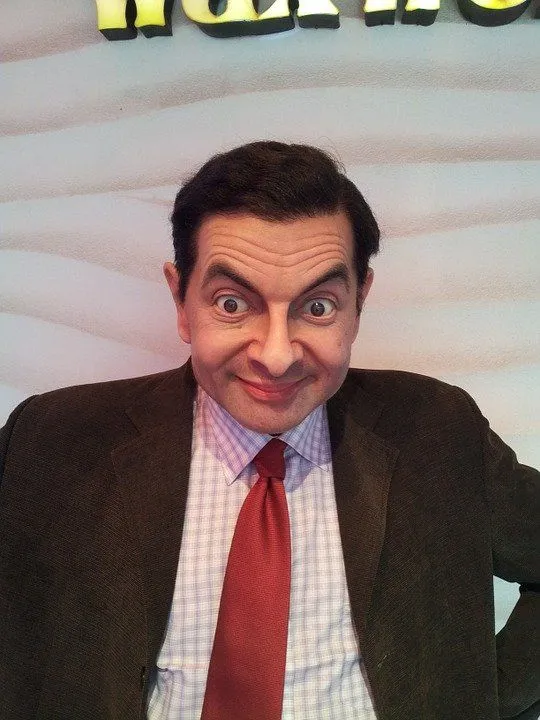
Now, the next time you look at a wax statue, admire not only the statue itself, but also the patience and hard work that its sculptors must have put in to make it look so realistic!
How Realistic Are They, And Why Don’t They Creep Us Out?
Stand close to a good wax figure and the effect can be unsettling. The skin tone shifts the way real skin does, individual eyelashes catch the light, and for a split second your brain insists a real person is standing perfectly still in front of you. A lot of that realism comes down to the wax itself behaving like skin to light. Human skin is surprisingly translucent: most of the light that lands on it does not bounce straight back off the surface but sinks in, scatters around inside the tissue, and re-emerges nearby, which is what gives skin its soft, warm glow rather than a flat, plastic finish. Wax shares that same property, which is exactly why sculptors stipple oil paint in roughly ten translucent layers rather than painting one solid coat: light passes through the color into the wax and back out, mimicking the depth of living skin.

The same translucency that makes light scatter inside skin and other soft materials is a well-studied effect in physics and computer graphics, where it is called subsurface scattering. The landmark model for it, presented at SIGGRAPH in 2001, used skin, milk and marble as its example materials precisely because all three glow from within rather than simply reflecting light off the surface. So when sculptors say wax is the ideal base for a human likeness, they are leaning on real optics, not just tradition.
There is a catch, though. The closer a figure gets to looking truly human, the more a near-miss starts to feel eerie rather than charming, a dip in comfort that roboticist Masahiro Mori named the “uncanny valley” back in 1970. It is the same instinct that makes some people uneasy around a too-human robot or android. The skill of a Madame Tussauds sculptor is partly about clearing that valley: getting the eyes, the asymmetry of a real face and the skin texture convincing enough that the figure reads as awe-inspiring rather than off-putting.
What Exactly Is A Madame Tussauds Figure Made Of?
Despite the name, only the parts you actually see up close are wax. According to Madame Tussauds’ own behind-the-scenes account, the head and hands are cast in wax, while the rest of the body is molded in fiberglass instead, because fiberglass is far more durable and far lighter to support and dress. So a “wax statue” is really a fiberglass body wearing a wax face and wax hands, which is also why a finished figure is sturdy enough to stand on a busy museum floor for years.

Everything else is a deliberate mix of materials chosen to read as human. The eyes are custom-made from acrylic, with the iris hand-painted and fine threads added to suggest the tiny blood vessels in the white of the eye. The teeth are recreated in dental acrylic from a mold of the subject’s own mouth. The hair is real human hair, more than 10,000 strands on a single head, inserted one at a time along with the eyebrows and eyelashes. The lifelike skin color is built up from oil-based paints, and the clothing is usually donated by the celebrity or a fashion house so it matches the genuine article. In other words, the only thing that is purely “wax” about a wax statue is its face and hands.
How Are Wax Figures Kept Looking Lifelike?
Making a figure is only half the job; keeping it convincing is a daily routine. Because visitors are encouraged to stand shoulder to shoulder with the figures for photos, wear and tear is constant: smudged makeup, the odd scratch from a ring, and stray hairs tugged loose. At Madame Tussauds Amsterdam, a dedicated studio team does an inspection round every morning before the doors open, fixing anything that needs attention, and at the New York attraction an artist walks the whole floor each day to touch up the roughly 200 figures on display.

Deeper servicing happens away from the public. Hair is washed with shampoo and blow-dried back into shape, makeup is re-applied with oil paint, and when a figure needs a full restoration the old paint is softened and stripped with turpentine so that details like the eyelids and lips can be rebuilt and the skin re-colored layer by layer. And no, a wax figure on display will not simply melt: museum galleries are kept cool, well below the roughly 74 °C (165 °F) the wax is poured at, so the cast surfaces hold their shape. When a likeness genuinely needs to change, for example after a celebrity’s appearance shifts, the wax parts can be melted down and remade from scratch rather than patched. It is a far more hands-on form of upkeep than the careful preservation that keeps mummies intact, but the goal is the same: holding off the passage of time.
References (click to expand)
- How Are Wax Figures Made Today? Madame Tussauds Sydney
- Behind The Scenes. Madame Tussauds Vienna
- How wax figures get made. The Washington Post
- Wax sculpture. Wikipedia
- Madame Tussauds. Wikipedia
- Behind The Scenes: How A Wax Figure Is Made. Madame Tussauds London
- Behind The Scenes. Madame Tussauds Amsterdam
- How Madame Tussauds Keeps Its Wax Figures Looking Good. National Geographic
- The Uncanny Valley: The Original Essay by Masahiro Mori. IEEE Spectrum
- A Practical Model for Subsurface Light Transport. Jensen et al., SIGGRAPH 2001. Stanford Computer Graphics Laboratory
- Skin Optics. Steven L. Jacques, Oregon Medical Laser Center