Table of Contents (click to expand)
Yes, in a real sense the brain is hungry for knowledge. Neuroscience shows that curiosity taps the same dopamine-driven reward circuitry the brain uses for food. Acquiring information feels rewarding, so we seek it out, and people will even risk discomfort to satisfy their curiosity, just as hunger pushes us toward a meal.
“I have no special talent. I am only passionately curious.”
This famous quote by Albert Einstein sums up the curious nature of humans in just nine words.
But what he may not have realized is just how important that unbridled curiosity is to the advancement of the human intellect.
Have you ever wondered why the mind always wants to know more? When you’re the only one who has been trusted with a secret by your best friend, don’t you feel a strange sense of satisfaction?
This immense feeling of curiosity is mirrored in so many of our myths, as though having a seductive nature.
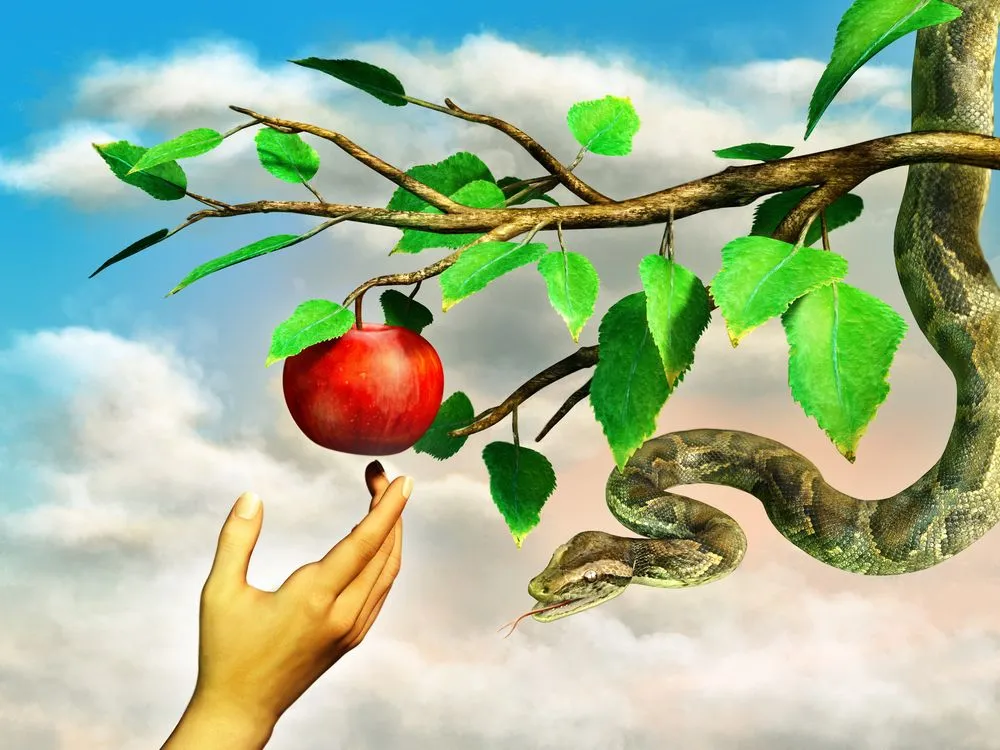
Take Eve for example. She just had to know what secrets the Tree of Knowledge held. Or Orpheus when he tried to rescue Eurydice. He had come all the way to the Underworld. There surely wasn’t a way he could resist taking one look, could he?
Neither could Pandora, despite all the strict warnings she received. She just had to know what was in the box!
Curiosity – An Innate Part Of The Human Nature
Now although these myths make it look like being curious could be one of the worst traits a person could have, scientific research suggests otherwise. It is in fact a fundamental part of human nature supporting a number of various intellectual behaviors which range from early learning in children to scientific discoveries.
After all, Newton wouldn’t have discovered gravity if he hadn’t been allowed to be curious.
A large meta-analysis of roughly 200 studies and 50,000 students found that intellectual curiosity predicts academic performance over and above intelligence, with an effect about as strong as conscientiousness. The authors called curiosity the “third pillar” of academic performance, alongside intelligence and effort. Other studies show that curiosity also helps consolidate learning and memory over the long term, so the empirical literature links it to a host of positive outcomes.(Source)
So what is it that drives us to know more and more?
Well, it looks like our brain looks for knowledge the same way the stomach looks at food.
The Brain Does Get Hungry
Imagine you’re in your last lecture of the day. And the hunger pangs have reached their highest level. The bell rings and the first thing you do as you rush out is grab the chocolate bar you had been craving and take a bite.
You know what I’m talking about. As the sugar kicks in you feel an innate sense of pleasure, and that feeling is mirrored when your brain receives any new information!
Well, let’s try and find out how that happens.
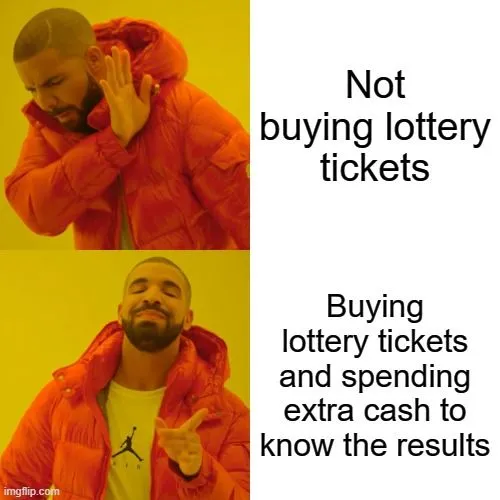
Despite there being a variety of theories on the construct and origin of curiosity, there seems to be a rising consensus that like food and other extrinsic rewards, curiosity can be seen as a reward-learning process for acquiring knowledge. Which basically translates to people being enthusiastic about knowing things because the acquisition of that knowledge serves as a reward.
It has been observed that both animals and humans are willing to risk small amounts to satisfy their curiosity about a future reward despite knowing that the outcome will remain unchanged. For instance, paying money to a fortune teller to know whether you’ll win the lottery will make no changes in the actual lottery results.
In one such brain-imaging study revolving around curiosity and reward, Johnny King Lau and his colleagues found that curiosity appears to be driven by the same neurobiological process as hunger.
In a simple behavioral experiment, the subjects were first shown magic tricks or pictures of tempting food followed by a lottery wheel (the wheel was a visual representation of the odds of a gamble, which were variable).
If they won they had the increased chance of eating the food or learning the trick; and if they lost they would suffer a mild electric shock. Similar to a game of roulette, wouldn’t you say?
The study showed that the volunteers’ decision making skills were biased by the thought of food or learning about the new trick. And gambled despite the risk of receiving an electric shock. Another study was set up by Lau and his team, and this time the volunteers’ brains were scanned.
The results of this study showed that, whether driven by hunger or curiosity, whenever the subjects decided to take a gamble there was greater activity in a region of the brain called the striatum (associated with motivation and reward). Curiosity first lit up the ventral striatum, and that activity spread into the dorsal striatum as people committed to the gamble, the same reward signature the brain uses for food.
How Does Dopamine Affect The Knowledge Seeking Process?
Another interesting thing that our brain does when it has been given new information is release dopamine (the pleasure-inducing chemical), making seeking information much like eating; another pleasurable activity.
Other researchers have found that, along with the reward system, regions in the prefrontal cortex (dedicated to working memory) help us distinguish between new and previously experienced stimuli, which plays a role in generating curiosity. The hippocampus, the brain’s memory hub, is also closely tied to curiosity, working hand in hand with the dopamine system.
In fact, in 2009, researchers scanned people with fMRI while they read trivia questions and found that the more curious someone was, the more activity appeared in the caudate, part of the brain’s reward circuitry, reinforcing the link between curiosity and reward. A later 2014 study went further, showing that states of high curiosity ramped up the dopaminergic midbrain and the hippocampus together, and that this surge improved memory not just for the answer people were curious about but for unrelated material learned at the same time. Even so, exactly how dopamine drives curiosity, and what else feeds it, remains an open question.
But considering how curiosity itself is considered to be the driving force of human intellect including scientific curiosity, it’s safe to say that curiosity itself will help uncover curiosity.
And remember that even though the idiom says “Curiosity killed the cat…”, it ends with “…satisfaction brought it back”.
References (click to expand)
- Kidd, C., & Hayden, B. Y. (2015, November). The Psychology and Neuroscience of Curiosity. Neuron. Elsevier BV.
- von Stumm, S., Hell, B., & Chamorro-Premuzic, T. (2011, October 14). The Hungry Mind. Perspectives on Psychological Science. SAGE Publications.
- Lau, J. K. L., Ozono, H., Kuratomi, K., Komiya, A., & Murayama, K. (2020, March 30). Shared striatal activity in decisions to satisfy curiosity and hunger at the risk of electric shocks. Nature Human Behaviour. Springer Science and Business Media LLC.
- Kang, M. J., Hsu, M., Krajbich, I. M., Loewenstein, G., McClure, S. M., Wang, J. T., & Camerer, C. F. (2009). The Wick in the Candle of Learning: Epistemic Curiosity Activates Reward Circuitry and Enhances Memory. Psychological Science. SAGE Publications.
- Gruber, M. J., Gelman, B. D., & Ranganath, C. (2014). States of Curiosity Modulate Hippocampus-Dependent Learning via the Dopaminergic Circuit. Neuron. Elsevier BV.