Table of Contents (click to expand)
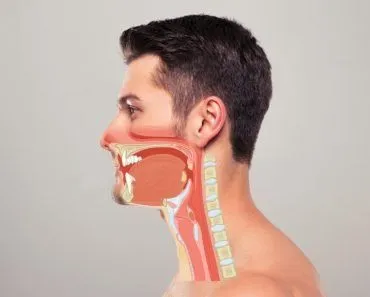
Odynophagia is the medical term for painful swallowing. It feels like a sharp, burning, or stabbing pain in the mouth, throat, or esophagus when you swallow food, drink, or even saliva. It is almost always a symptom of something else: infections (like strep throat, candida, HSV, or CMV), acid reflux (GERD), pill-induced esophagitis, or, less commonly, esophageal cancer.
Odynophagia is the medical term for painful swallowing. Do you regularly feel pain in your throat, mouth, or food pipe (esophagus) when swallowing food, liquid, or even your own saliva? If so, you might be dealing with odynophagia. It often resolves on its own within a week or two, but if it sticks around longer than that, it can be a sign of a more serious underlying condition.
There isn’t a single cause, and there isn’t a single fix either. Painful swallowing is almost always a symptom of something else, and the treatment depends on what that "something else" turns out to be. Below, we walk through the most common medical conditions that cause odynophagia and the remedies typically used for each.
Odynophagia Vs Dysphagia
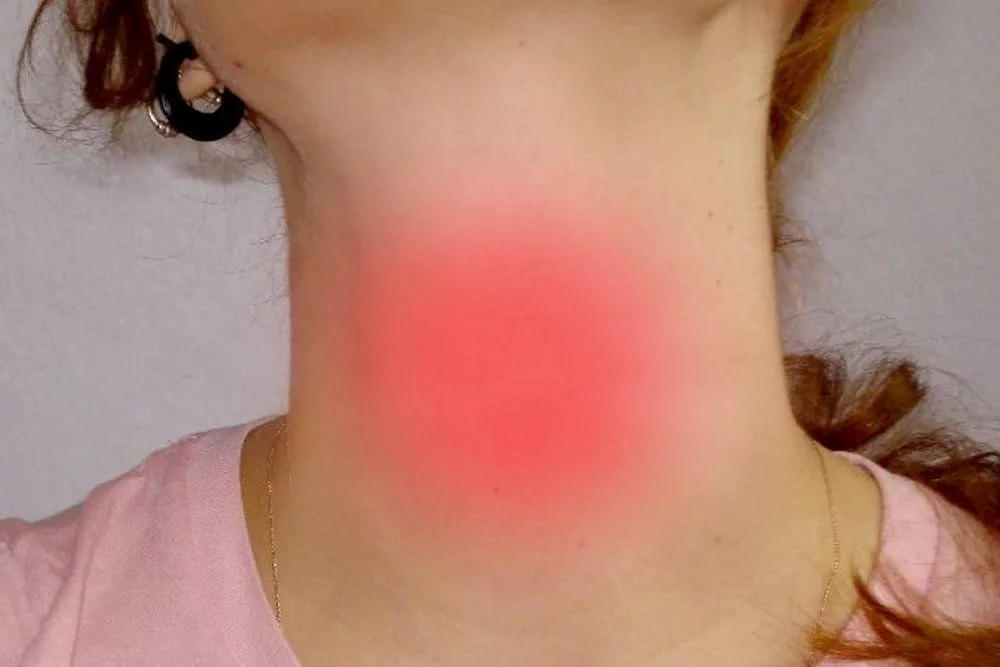
Odynophagia is often confused with dysphagia. Dysphagia is a different condition that primarily involves difficulty in swallowing, and it is often painless. Odynophagia, on the other hand, is when swallowing itself becomes painful. At times, the pain can be sharp enough that eating becomes nearly impossible.
Which of the two is more serious, you may wonder? Oddly enough, dysphagia is often the more dangerous one, because it can cause coughing or choking. When food, liquid, or saliva slips into the airway instead of going down the esophagus (a process called aspiration), it can drag bacteria from the mouth and throat into the lungs. That is what sets the stage for aspiration pneumonia.
Although it is uncommon, dysphagia and odynophagia can occur at the same time and may share the same underlying cause. A good rule of thumb: if you only have trouble swallowing, with no pain, it is most likely dysphagia. If you feel both the difficulty (or a sensation of blockage) and a sharp pain, you may be dealing with a combination of the two. In either case, inflammation or infection is often at the root of it.
There is one more condition, called phagophobia, which might also be confused with odynophagia. Phagophobia is technically not a disorder, but rather a fear of swallowing and the expectation that you might not be able to swallow. There are often no physical symptoms to this condition; it’s typically a problem generated solely by the mind of the sufferer.

Symptoms
Symptoms of odynophagia can be short-lived or long-running, depending on the cause. The most common ones are:
- A sharp, burning, or stabbing pain in the mouth, throat, or esophagus when swallowing food.
- Pain that typically worsens with small, hard, dry foods (think crackers, toast, or nuts). In some cases, even liquids and soft foods can hurt going down.
- If the pain builds up over time, some foods become hard to swallow, and the resulting drop in intake can show up as weight loss.
- Dehydration is another knock-on symptom, since drinking can be painful enough that people simply drink less.
When the underlying cause is an infection, the swallowing pain is usually joined by other signs (fever, fatigue, swollen glands, or just a general feeling of being unwell).
Causes
More often than not, odynophagia is a minor problem on par with a common cold, and the painful swallowing settles down on its own. When it lingers or keeps coming back, though, it can be a sign of something more serious underneath. The most common culprits are:
- Infections: A common cold, the flu, strep throat, tonsillitis, and laryngitis are some of the most frequent triggers of odynophagia. Some people also develop candida (a yeast) infections in the mouth, throat, or esophagus. Candidiasis is a fungal infection that usually takes hold in people with weakened immune systems.
- GERD: GERD (gastroesophageal reflux disease) develops when the lower esophageal sphincter, the muscular ring at the bottom of the food pipe, doesn’t close properly. Stomach acid then leaks back up into the esophagus and irritates the lining. You might have GERD if painful swallowing comes with other signs, such as chest pain or heartburn.
- Pill-induced (drug-induced) esophagitis: Several common medications can damage the lining of the esophagus if they get stuck on the way down, particularly when taken with too little water or just before lying down. The frequent offenders are antibiotics like doxycycline and tetracycline, NSAIDs (aspirin, ibuprofen, naproxen), bisphosphonates used for osteoporosis, potassium chloride tablets, and iron or vitamin C supplements.
- Esophageal cancer: Esophageal cancer is usually associated with persistent odynophagia and dysphagia, along with unintentional weight loss. People with esophageal cancer often describe pain in the chest when swallowing.
- HIV and other causes of immune suppression: Odynophagia is much more common in people living with HIV (human immunodeficiency virus), especially when the immune system is weakened. The pain itself is usually caused by opportunistic infections of the esophagus, most often candida esophagitis, but also cytomegalovirus (CMV) and herpes simplex virus (HSV) esophagitis. The same vulnerability applies to people on chemotherapy, organ transplant recipients on immune-suppressing drugs, and patients undergoing radiation to the head, neck, or chest.
- Irritants and injuries: Smoking, heavy alcohol use, very hot drinks, accidental swallowing of caustic chemicals, and burns from extremely hot food can all inflame the esophagus enough to make swallowing painful.
Types
Strictly speaking, odynophagia is a symptom rather than a disease in its own right, so it does not have a tidy clinical classification. When doctors investigate severe or long-running cases (especially in patients with immune suppression) they do, however, look at the appearance of the esophageal lining during endoscopy. The lesions causing the pain tend to fall into three broad patterns:
- Ulcerative: One or more ulcers with shallow, smooth, or punched-out edges in the esophagus. This is the most common pattern seen on endoscopy, and is typical of HSV, CMV, and pill-induced esophagitis.
- Hyperplastic: A thickened, overgrown reaction in the mucosa, sometimes producing fibrosis and narrowing (stricture) of the esophagus. This is more often associated with severe Candida esophagitis or long-standing reflux disease.
- Granular: A bumpy, granular surface with multiple small (miliary) mucosal nodules or granulomas. Granulomas are clusters of immune cells that form in response to chronic inflammation or hard-to-clear infections.
Treatment
The treatment for odynophagia depends entirely on the underlying cause. Oral medications are usually the first line of attack. For acid reflux, for instance, proton pump inhibitors (PPIs) and H2 blockers used in the treatment of GERD calm the stomach acid that creeps back up into the pharynx and esophagus, and the painful swallowing tends to ease as the lining heals. Candida esophagitis is treated with anti-fungal drugs such as fluconazole, while CMV and HSV esophagitis call for antiviral medications. If a particular pill is the cause, simply switching the medication or changing how it is taken (with a full glass of water, sitting upright) is often enough. In the more serious situation of an esophageal tumor or carcinoma, treatment may involve endoscopic procedures, chemotherapy, radiation, or surgical removal of the affected tissue.
In short, odynophagia is best thought of as a symptom rather than a condition in its own right. So before you go hunting for a fix, the most useful thing to do is see a doctor and get an accurate diagnosis of what is actually causing the pain. The information here is for educational purposes only, and is not a substitute for medical advice from a qualified healthcare professional.

Medical treatment becomes essential once odynophagia turns chronic, but for the everyday, mild form, prevention does most of the work. Diet matters: trimming back on the foods that trigger reflux (alcohol, caffeine, very spicy or very acidic foods, and large meals close to bedtime) takes pressure off the lower esophageal sphincter and gives the lining a chance to recover. Watch out for very hot drinks and hard, scratchy foods too, both of which can irritate an already sore esophagus. Good dental hygiene helps as well, because bacteria from the mouth can travel to the throat and surrounding structures and seed unwanted infections. And if you take pills regularly (NSAIDs, antibiotics like doxycycline, bisphosphonates, iron supplements), always swallow them with a full glass of water and stay upright for at least 30 minutes afterwards. That single habit prevents most cases of pill-induced esophagitis.
References (click to expand)
- Odynophagia (Painful Swallowing): Causes & Treatment. Cleveland Clinic.
- Panebianco, N. L., et al. Dysphagia. StatPearls. NCBI Bookshelf.
- Antunes, C., et al. Esophagitis. StatPearls. NCBI Bookshelf.
- Kim, S. H., et al. Drug-Induced Esophagitis. StatPearls. NCBI Bookshelf.
- Ban, K. M., Sanchez, L. D., Bramwell, K., Sakles, J. C., Davis, D., Wolfe, R., & Rosen, P. (2007, September 28). A 36-year-old man with odynophagia. Internal and Emergency Medicine. Springer Science and Business Media LLC.
- Slee, G. R., Wagner, S. M., & McCullough, F. S. (1985, June 15). Odynophagia in patients with malignant disorders. Cancer. Wiley.