Table of Contents (click to expand)
Bruxism is the grinding or clenching of teeth. It comes in two forms: awake bruxism, usually driven by stress, and sleep bruxism, a sleep-related movement disorder tied to brief sleep arousals. Anxiety, sleep apnea, and certain medications (such as some antidepressants), along with caffeine, alcohol, and tobacco, all raise the risk.
When we chew our food, the biting surfaces, also called the occlusal surfaces of the teeth, touch each other and functional grinding of the teeth takes place in the process.
However, the grinding of teeth that is more worrisome is not the one that occurs for a functional purpose, i.e., eating and swallowing. Some people grind their teeth in anger, and in fact, mentions of such angry grinding are seen in verses of the Bible! The even more worrisome grinding is seen in people while sleeping or in moments of stress or anxiety; this is called bruxism.
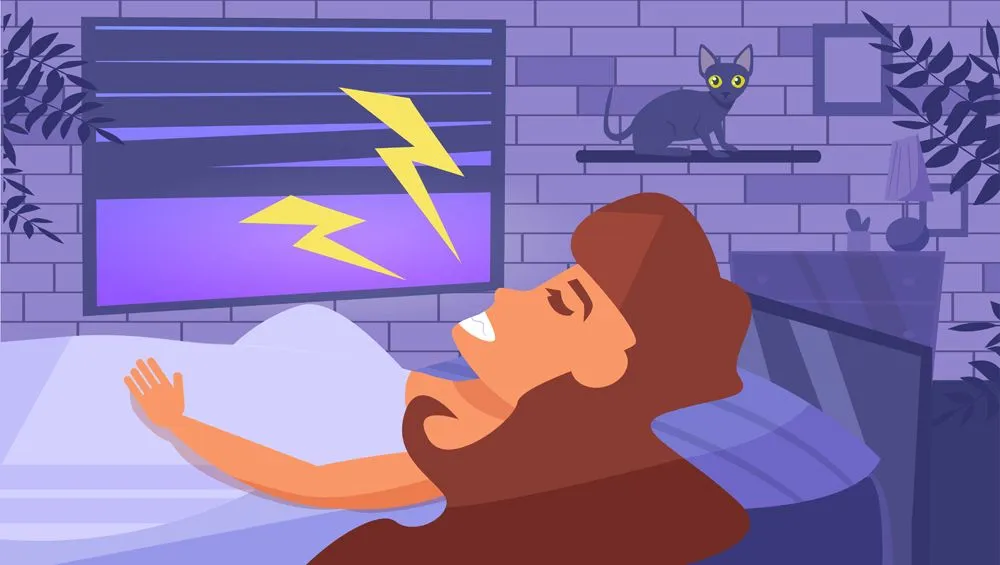
The term bruxism comes from the Greek word “brygmós”, which means gnashing of the teeth, and refers to non-functional or para-functional grinding of teeth.
Bruxism or grinding of the teeth is one of the most destructive dental disorders, and since it often occurs on an unconscious level during sleep, it sits firmly among the recognized sleep-related conditions, alongside familiar nighttime behaviors like sleep talking and snoring.
Bruxism is more commonly seen in younger age groups and tends to decline with age.
Why Do We Grind Our Teeth?
The reasons for grinding our teeth can range from dental issues to physiological or even psychological reasons. Often, many of these factors are present together and may lead to bruxism of varying intensities in different individuals.
Grinding in an awake state is called awake or daily bruxism, and is often due to work pressures or daily life stress triggers. Grinding that occurs during sleep is called sleep bruxism.
Sleep Bruxism
This nocturnal act often goes unnoticed by the bruxer themselves and is more apparent to the sleep partner of the individual, due to all the clattering and grinding noises made by the bruxer.
When we sleep for long periods, our sleep follows patterns of deep sleep and light sleep cycles. During the transition from deep sleep to light sleep, we exhibit bodily responses, ranging from limb movements and increased heart rate to increased muscle activity; this is called an arousal response.
According to a study, 86% of teeth grinding episodes were a part of this arousal response. Night grinding episodes last anywhere between 5-38 minutes during sleep. As per research, anywhere between 21-50% people with sleep bruxism have a family member who is also a bruxer!
Emotional stress is another major trigger for bruxism and the anxiety manifests physically as grinding of the teeth.
Caffeine is known to stimulate the central nervous system, which may increase anxiety and stress in an individual, and may end up triggering grinding episodes. Alongside caffeine, heavy use of alcohol and tobacco is associated with more frequent grinding, so much so that smokers and heavy drinkers are roughly twice as likely to brux as those who avoid them.
Two other links have come into sharper focus as research has matured. The first is obstructive sleep apnea, in which the airway briefly collapses during sleep. The jaw-muscle bursts of sleep bruxism often ride along with the same micro-arousals that reopen the airway, which is why sleep apnea and anxiety are now considered the two most common risk factors for grinding. The second is medication: certain antidepressants, particularly selective serotonin reuptake inhibitors (SSRIs), along with some other psychiatric drugs, can bring on or worsen bruxism in some people.
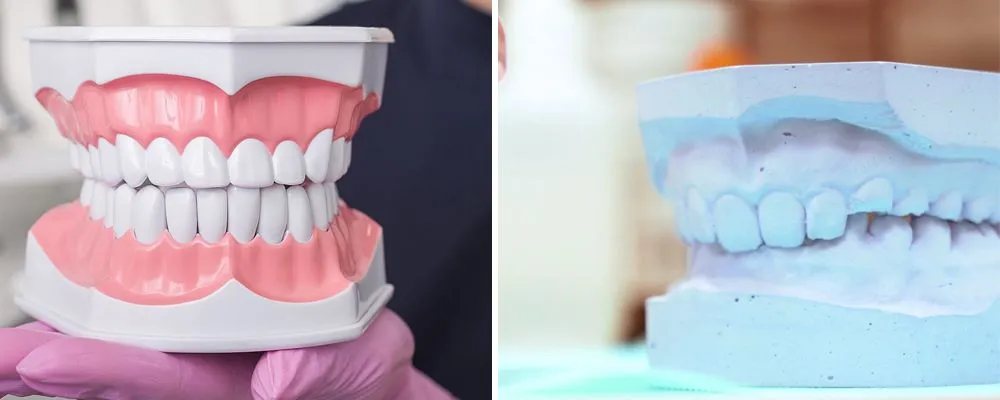
You may also have heard that the way your teeth are positioned, and how your upper jaw meets your lower jaw, is what drives bruxism. For decades this was the leading theory, but it has since lost favor. The most recent international consensus finds little evidence that bite problems (malocclusion) cause grinding, and bruxism is now understood to be driven mainly by the brain rather than the teeth. It is still worth knowing what dentists mean by these bite terms, though. Imagine that you’ve gotten a new filling done for a tooth in your lower jaw. You come home to find that the filling is a little high, such that when you close your mouth, it touches its opposing tooth in the upper jaw first. This is an example of premature or early contact.
Now, if the filling isn’t too high and you can manage to make all the other teeth in the upper and lower jaws touch each other by slightly shifting the way your jaw closes, then you have a case of deflective interference. It’s almost like trying to fit a piece in a jigsaw puzzle.
Due to a manufacturing defect, if one piece of the puzzle is slightly altered and the fit-in mechanism isn’t smooth, there will be constant friction every time the pieces are put together.
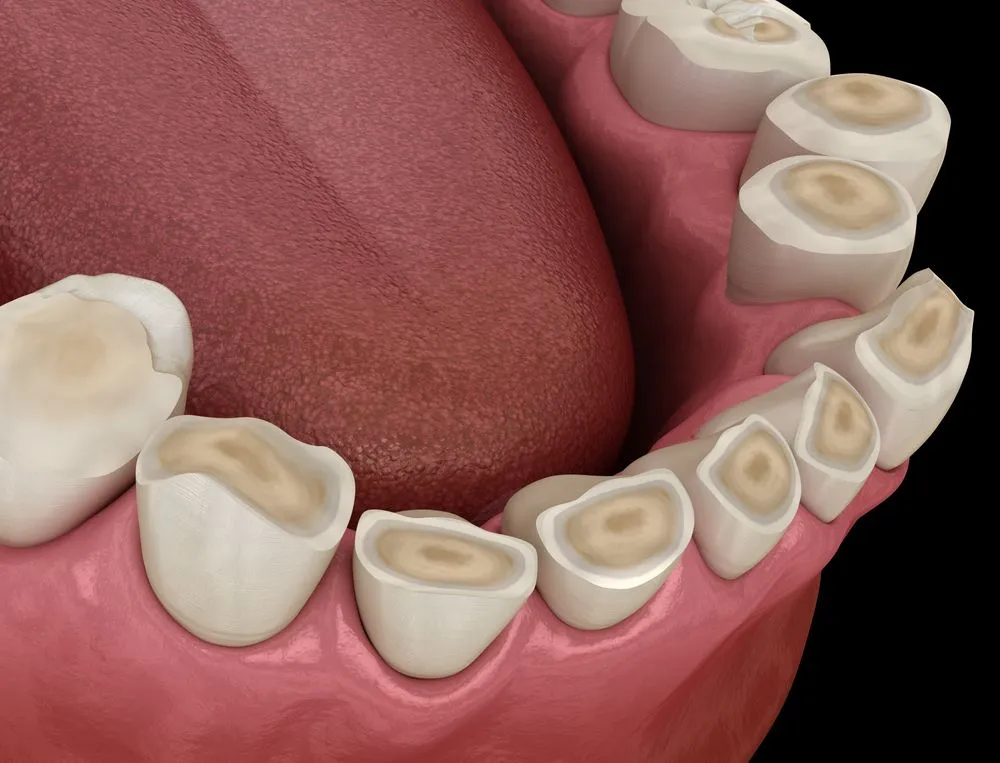
This friction is eventually going to damage the other puzzle pieces. The common tell-tale signs of grinding are the presence of abnormally worn out teeth or fillings, fractured teeth, recession of the gums, and generally poor health of the gums, muscle pain, and jaw joint pains. Worn or damaged teeth are best thought of as the visible toll that grinding takes, rather than its root cause.
Systemic factors can also predispose someone to bruxism. These include gastrointestinal disorders such as acid reflux, neurodevelopmental conditions like Down syndrome and intellectual disability, and the use of medications for epilepsy or certain mental health conditions.
What Is The Mechanism Of Grinding?
For any movement to take place in our body, the cerebral cortex in our brain fires orders to the basal ganglion situated in our brain. The basal ganglion carries out these movements smoothly with the help of well-synced direct (excitatory) and indirect (inhibitory) pathways. Any disturbance or imbalance in these pathways triggers abnormal movements, including grinding of the teeth.
Once bruxism is triggered, the actual action is brought about by the muscles of mastication (muscles that make our jaws work). Temporalis and masseter muscles bring about the opening and closing of the jaws, while the lateral pterygoid muscles causes side-to-side movement.
When this muscle system is triggered and bruxism sets in, the strength of the force with which the opposing teeth collide is about three times greater than the normal chewing force!
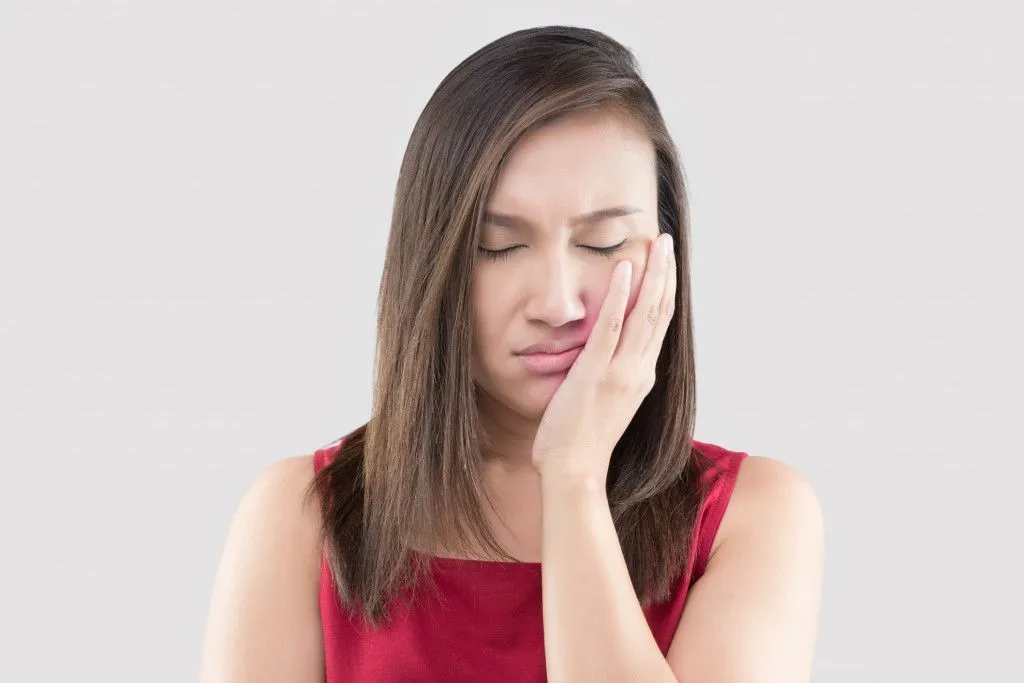
An impact of that magnitude is bound to have repercussions on the teeth, fillings, implants, jaws and the joint that connects the skull to the lower jaw bone, also known as the temporomandibular joint (TMJ). The damage is not limited to dental structures; bruxers often report headaches, earaches, a ringing in the ears (tinnitus), dizziness, and disturbed sleep, amongst other issues.
How Is Bruxism Treated?
So what can you actually do about it? The honest answer is that no single treatment switches grinding off, but a few approaches reliably limit the damage and ease the symptoms.
The most common starting point is a custom occlusal splint, the mouthguard your dentist fits over your upper or lower teeth at night. It’s worth being clear about what it does: a splint usually won’t stop you from grinding, but it acts as a sacrificial shield, taking the wear that would otherwise fall on your enamel and protecting your teeth, fillings, and jaw joint in the process.
Because stress and anxiety sit so close to the center of bruxism, managing them often helps. Approaches range from simple sleep hygiene and exercise to relaxation techniques and cognitive behavioral therapy. Cutting back on caffeine, alcohol, and tobacco, especially in the hours before bed, is sensible too. And if grinding goes hand in hand with loud snoring or daytime sleepiness, it’s worth getting checked for sleep apnea, since treating the apnea can quiet the grinding as well.
For severe cases, dentists sometimes turn to botulinum toxin (Botox) injections into the jaw muscles to weaken the force of clenching. The evidence here is still limited, and it’s considered an option for stubborn cases rather than a first-line fix, so it’s a conversation to have with a professional rather than a default choice.
Conclusion
Grinding of the teeth stems from multiple factors and often manifests itself in various signs and symptoms, not necessarily limited to the mouth. Someone might have ear pain, headaches, or a sleep disorder and still be a bruxer!
Even though the cause of bruxism might be blurry, more often than not, it’s the dental apparatus (our teeth and mouth) that takes a beating in bruxism. It’s safe to ignore your sleep partner’s grievance about the snoring, but be sure to head to the dentist if your sleep partner says your teeth make too much noise at night!
References (click to expand)
- Shetty, S., Pitti, V., Satish Babu, C. L., Surendra Kumar, G. P., & Deepthi, B. C. (2010, September). Bruxism: A Literature Review. The Journal of Indian Prosthodontic Society. Medknow.
- Rangarajan, P., Murali, R., & Mounissamy, A. (2015). Bruxism: Conceptual discussion and review. Journal of Pharmacy And Bioallied Sciences. Medknow.
- Demjaha, G., Kapusevska, B., & Pejkovska-Shahpaska, B. (2019, March 14). Bruxism Unconscious Oral Habit in Everyday Life. Open Access Macedonian Journal of Medical Sciences. Scientific Foundation SPIROSKI.
- M Andersen. Bruxism: Theory and Practice - Quintessence Publishing!. quintpub.com
- Lal SJ, Sankari A, Weber KK. Bruxism Management. StatPearls. NCBI Bookshelf.
- Lobbezoo F, et al. International consensus on the assessment of bruxism: Report of a work in progress. Journal of Oral Rehabilitation. PMC.
- Bruxism (Teeth Grinding): Symptoms, Causes & Treatment. Cleveland Clinic.