The heart never gets tired because cardiac muscle is built differently from skeletal muscle. It is densely packed with mitochondria (about 35% of cell volume vs. 3–8% in skeletal muscle), runs almost entirely on aerobic metabolism so it never accumulates an oxygen debt, has its own self-firing pacemaker cells in the sinoatrial node, and, crucially, has a refractory period almost as long as the contraction itself, which makes it physically impossible for cardiac muscle to lock up in sustained tetanic contraction the way exercising skeletal muscle can. Add in a generous coronary blood supply that delivers oxygen even at high workloads, and you have a pump that beats roughly 2.5 billion times in an average lifetime without a single break.
We run until we’re out of breath. We push ourselves too hard with burpees and end up passed out on the floor. Our muscles are sore and tired, so we can barely walk straight. Now, consider that the heart muscles work every day of every year that we’re alive. If our heart got tired, we’d cease to be alive, but the heart never seems to tire, despite not getting the weekends off. Why is that?
Different Muscles Of The Body
There are three different types of muscles in the body: skeletal muscles, smooth muscles, and cardiac muscles.
Skeletal muscles are the ones you use when you exercise. They’re connected to your bones and ligaments, and help in voluntary movement. They comprise 30% to 40% of our total body mass.
Smooth muscles are present in our hollow organs, like the gut, blood vessels, and urinary tract.
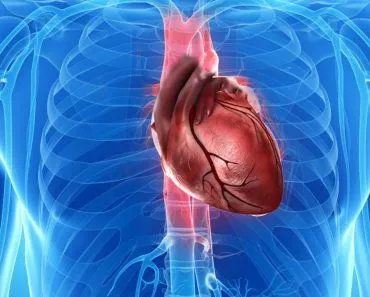
Lastly, the cardiac muscles are the heart muscles. The cardiac muscle tissue is also known as myocardium.
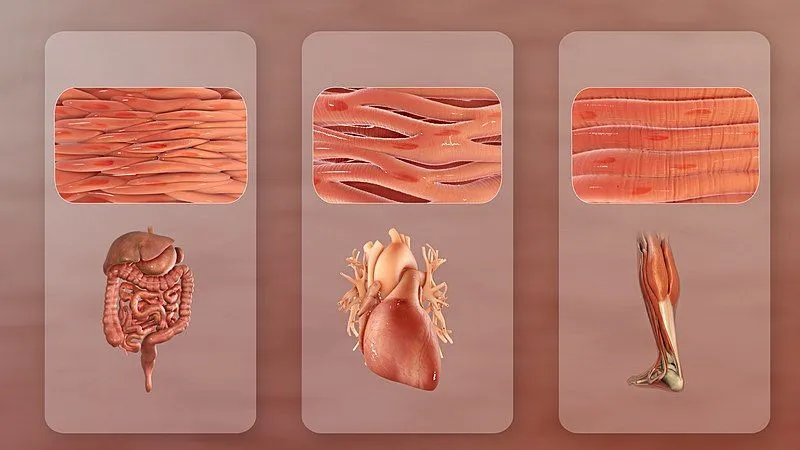
Skeletal muscles get tired. You can feel the soreness. The smooth muscles also don’t have to contract and relax all the time. The cardiac muscles, however, do the heavy lifting of constantly pushing blood to the extreme corners of our body. What’s so special about the cardiac muscles?
Why Don’t The Heart Muscles Tire?
They Never Run Out Of Juice
Cardiac muscles have a higher endurance capacity than skeletal muscles. Fatigue, for muscles, is when a muscle cannot produce enough energy to sustain its movement. This can happen because there isn’t enough oxygen or if the store of sugar is low.
Note: The soreness you feel the day after you exercise has little to do with muscles getting tired and more to do with damage to the muscle fibers after you’ve pushed them beyond their normal limit.
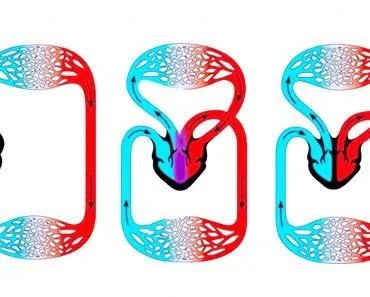
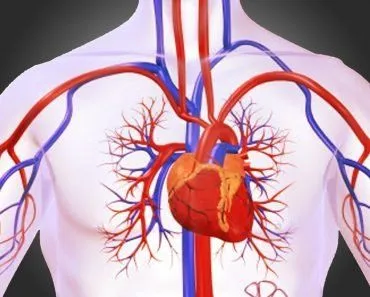
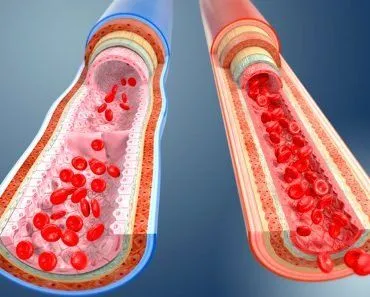
Unlike skeletal muscles, the heart muscles have an excellent blood supply via the coronary arteries, which keeps the oxygen coming in even during periods of intense activity. The cardiac muscles are also better at producing energy than skeletal muscles. Mitochondria, the parts of cells that produce energy, make up around 35% of cardiac muscle cell volume. The mitochondria in skeletal muscles, by contrast, occupy only about 3–8% of the skeletal muscle volume. Because the heart can rely entirely on aerobic respiration (burning fatty acids and glucose with oxygen), it almost never has to switch to the anaerobic, lactic-acid-producing pathway that exhausted skeletal muscle leans on, and it never runs an oxygen debt the way sprinting legs do.
The Heart Has Its Own Electricity
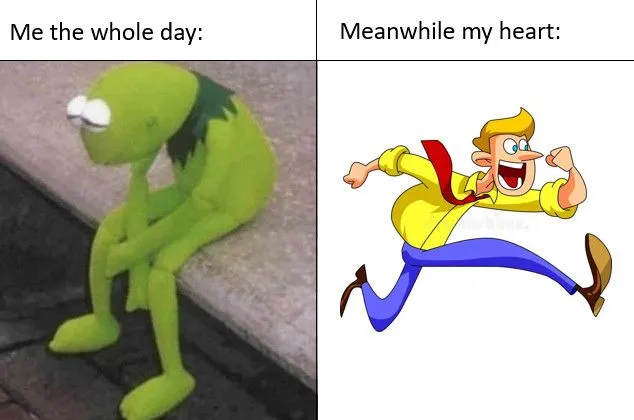
Another factor that contributes to the heart’s ability to keep working without tiring is its built-in contraction system. The heart has a network of specialised pacemaker cells, the most important of them clustered in the sinoatrial (SA) node in the right atrium, which spontaneously fire ~60–100 times a minute to set the heart’s rhythm. If the SA node fails, downstream backup pacemakers in the AV node and ventricles can take over (at a slower rate) to keep the heart beating. There is also a quieter but equally important reason cardiac muscle does not fatigue: every contraction is followed by an unusually long refractory period, almost as long as the beat itself, during which the muscle simply cannot be re-stimulated. That makes it physically impossible for cardiac muscle to lock up into the sustained tetanic contraction that exhausts a skeletal muscle.
The Heart Is A Master Modulator
The heart is also able to adapt and adjust its function to meet the changing demands of our behavior and environment. For example, while exercising, the heart beats faster and pumps more blood to deliver oxygen and nutrients to the muscles. This increased demand triggers a cascade of physiological responses, including the release of hormones like adrenaline and noradrenaline. This helps in increasing the heart rate and contractility.
Additionally, the heart can undergo structural changes in response to long-term changes in demand. For example, regular exercise can cause the heart to increase in size and strength. This allows the heart to pump more blood with each beat. This adaptation is known as cardiac hypertrophy, and is a normal response to increased physical activity.
Why Do Skeletal Muscles Tire When The Heart Doesn't?
If the heart is just another muscle, why can it work non-stop while your biceps give out after a few dozen curls? The honest answer is that skeletal muscle fatigues for the very reasons cardiac muscle is built to avoid.

When you strain against a heavy load, your motor nerves fire so rapidly that individual twitches blur together into one long, sustained squeeze called a tetanic contraction. Holding that takes a lot of fuel, and the fiber starts burning through its ATP, phosphocreatine, and stored glycogen faster than it can top them back up, while waste products pile up inside the cell at the same time.
For decades the blame fell squarely on lactic acid, but the picture has shifted. Work by physiologists Håkan Westerblad and David Allen found that, at body temperature, acid build-up has surprisingly little effect on a muscle's force. The bigger culprit appears to be inorganic phosphate, which floods the fiber as phosphocreatine is split for energy. That phosphate interferes with the calcium signaling a fiber uses to contract, so each pull gradually gets weaker. (The soreness you feel a day later is a separate problem: tiny tears in the fibers, not "acid.")
Cardiac muscle sidesteps every one of these traps. Its long refractory period means it physically cannot be driven into a non-stop tetanic squeeze, so it always relaxes between beats. It is packed with mitochondria and runs on oxygen, so it rarely has to fall back on the fuel-burning shortcuts that leave phosphate behind. And it is fed by a dedicated coronary blood supply that keeps the oxygen and glucose flowing. In short, the heart never lets itself slide into the metabolic hole that tires out the rest of your muscles.
Does The Heart Ever Get To Rest?
Here's the twist most people miss: the heart never stops, but it absolutely does rest. It simply takes its breaks in tiny installments, between every single beat.

One heartbeat at rest lasts roughly 0.8 seconds. That cycle splits into two parts: systole, when the muscle contracts and pushes blood out, and diastole, when it relaxes and refills. At a normal resting heart rate, the contraction takes up only about a third of each beat, while the relaxed, refilling phase fills out the remaining two-thirds. In other words, your heart muscle actually spends more of every beat resting than it does working, snatching roughly half a second of downtime in each 0.8-second cycle.
That pause is more than a breather. It is also when the heart feeds itself. The coronary arteries that supply the heart wall run through the muscle, so each contraction squeezes them almost shut. Most of the blood flow that nourishes the heart, especially its thick-walled left ventricle, therefore arrives during diastole, the relaxation phase. The heart's rest period is effectively its meal time.
This is also why a constantly racing heart is risky. When the rate climbs, as it does when you sprint or get a fright, diastole shortens faster than systole does, trimming both the muscle's rest and the window in which it can refuel. Within healthy limits that is no problem, but it shows that the gaps between beats are not wasted time at all. They are exactly what keeps the heart from ever running itself into the ground.
The Heart Is Not An Invincible Organ
It’s important to note that while the heart is incredibly resilient, it’s not invincible. Factors like poor diet, a lack of exercise, and chronic stress can all take a toll on the heart over time. These factors increase the risk of heart disease and other cardiovascular problems.

Conclusion
Basically, the heart is a remarkable organ that works tirelessly to pump blood throughout the body. While other muscles in the body can become fatigued, the heart has unique features that enable it to keep beating without needing a rest. These features include specialized muscle fibers, a constant supply of oxygen and nutrients, and a built-in regulatory system that helps to maintain a steady heartbeat.
Although the heart may be able to function without rest for many years, it is still important to take good care of it. Healthy lifestyle choices, including regular exercise, a balanced diet, and proper stress management, can help you with this. By doing this, we can help to ensure that our hearts continue to work optimally for a lifetime.
References (click to expand)
- Heart: Anatomy and Function. Cleveland Clinic
- How the Heart Works. National Heart Foundation of New Zealand
- AH Kashou. (2022) Physiology, Sinoatrial Node - StatPearls. National Center for Biotechnology Information
- Cardiac Cycle. Anatomy and Physiology II, Lumen Learning (SUNY)
- Duration of Systole and Diastole: ISO 5840 Standards vs. in vivo Studies. NCBI PMC
- Physiology, Coronary Circulation - StatPearls. National Center for Biotechnology Information
- Westerblad H, Allen DG, Lännergren J. Muscle Fatigue: Lactic Acid or Inorganic Phosphate the Major Cause? News in Physiological Sciences (2002)