Table of Contents (click to expand)
Aircraft electrification means replacing fuel-burning systems with battery and electric power, spanning more-electric aircraft, hybrid-electric designs, and fully electric planes. It cuts fuel use, emissions, and noise. Because batteries still store far less energy per kilogram than jet fuel, electrification works best today for small trainers, regional hybrids, and electric air taxis (eVTOLs).
Combustion engines have been integral to transportation ever since man got off his horse. With the advent of electric mobility, the scenario is changing very rapidly. Batteries and motors were once restricted to moving scale models and RC toys, but today, they are threatening to disrupt the entire ecosystem built around combustion engines.
While a lot is spoken about the electrification of land-based transport, very little is known about how electrification will affect aviation. Today, we shall discuss just that.
What Is Electrification In Aviation?
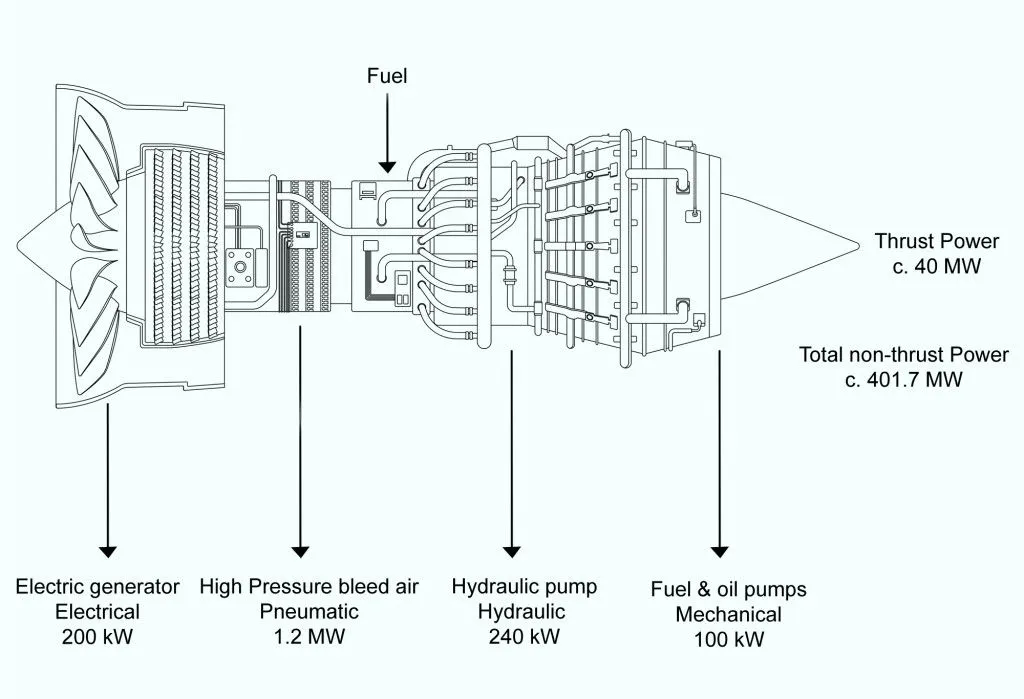
Traditionally, aircraft have been dependent on the combustion of fuel to power them. Engines have a very important role, both in actual flight, and all the systems that complement it.
Electrification refers to the process of switching to battery power for flight operations at various levels. Just as cars can be fully engine powered, hybrid, or fully electric, a similar spectrum for aircraft exists.
1. More-electric Aircraft (MEA)
Operations such as the actuation of control surfaces (avionics), air-conditioning, deployment of landing gear, braking, and taxiing are currently dependent on mechanical, hydraulic and pneumatic systems attached to the aircraft’s engine.
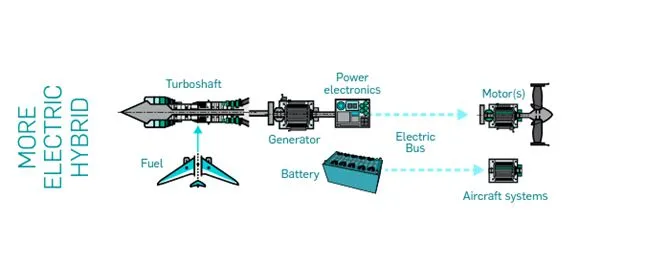
In the “more electric” model, all such operations are delegated to an electrical system powered by a battery pack. This reduces the operating load on engines.
2. Hybrid Electric Aircraft
Unlike MEA, where electrification only controls ancillary operations, hybrid aircraft also have electric support for their propulsion systems.
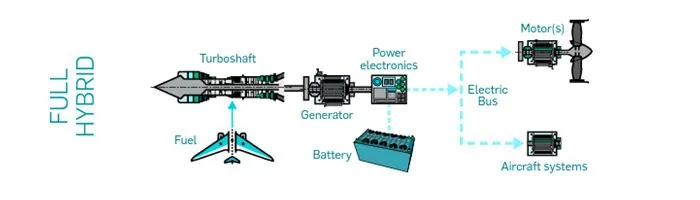
This can prove helpful for take-offs, where fuel consumption is exceptionally higher than rest of the flight, due to the rapid altitude change.
3. All Electric Aircraft
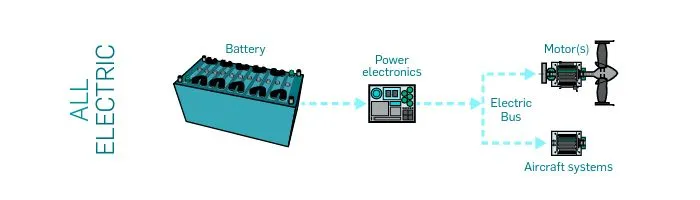
In all electric aircraft, all primary and ancillary flight systems are fully electrified. These already exist at the small end of the scale. The two-seat Pipistrel Velis Electro became the world's first fully electric aircraft to earn a type certificate when Europe's aviation regulator (EASA) approved it in 2020, and Transport Canada validated it in 2025. Scaling that up to airliner size, however, is still a long way off, because batteries simply cannot yet carry enough energy for the job.
How Will Electrification Affect Aviation?
Electrification of aircraft at any of the above levels will drastically affect the aviation industry in a variety of ways.
1. Reduction In Dependency On Aviation Fuel
As already discussed, all major systems directly or indirectly rely on the combustion of fuel to keep them running. With fuel alone typically comprising around 25-30% of operating costs (source), airlines can really improve their profit margins by switching to cheaper alternatives.
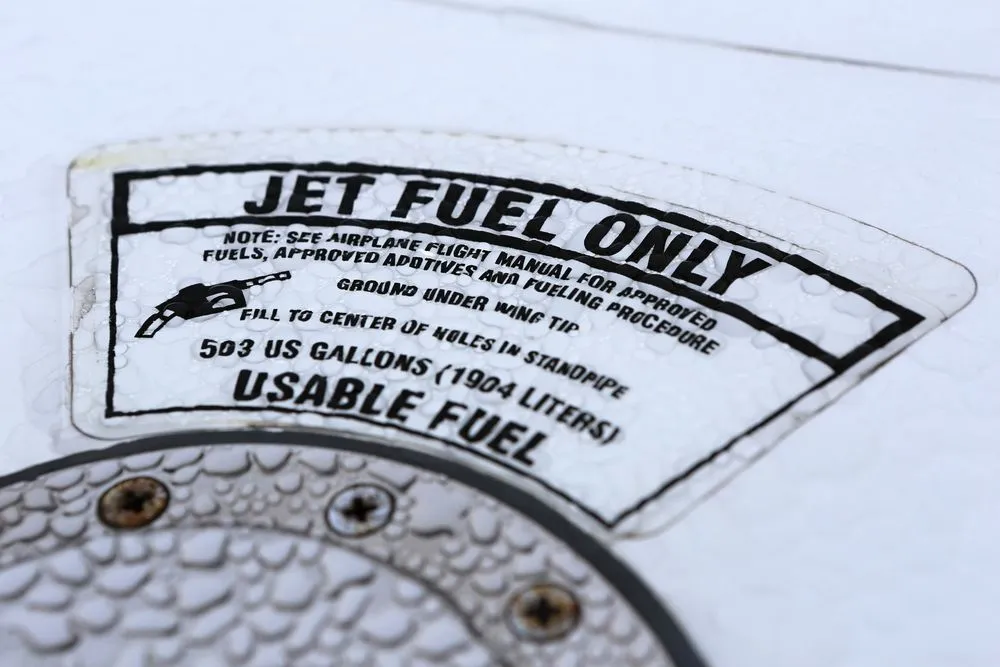
Reducing the amount of fuel being consumed also reduces noise and pollution, thereby reducing the carbon footprint of the aviation industry. Technologies like MEA are a great way to integrate electrification without adversely affecting an aircraft’s reliability.
2. Evolution Of Airports To Support Electrification
For aviation to be electrified, it is important for airports to be developed around electric aircraft. Apart from charging infrastructure, airports must also have scheduling in place, as charging takes much longer than refueling. This can cause crowding in parking bays and hangars, and unprecedented delays in timetables.
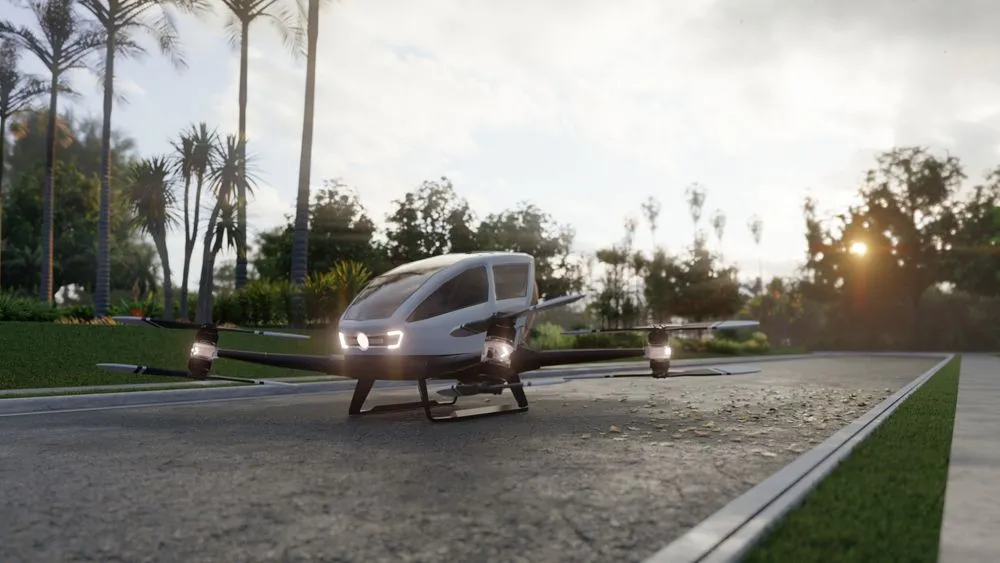
Electrification, on the other hand, will also bring about a rise in eVTOL (electric vertical take-off and landing) technology, the battery-powered "air taxis" that take off straight up like a helicopter but cruise on fixed wings like an airplane. Because they do not need long runways, they can land on compact pads, freeing up real estate at major airports while improving connectivity at smaller ones. This is no longer just on the drawing board: in late 2024, the US Federal Aviation Administration created "powered-lift" as a brand new category of civil aircraft, its first in roughly 80 years, specifically to certify these machines. China has already type-certified passenger eVTOLs from EHang, while US firms such as Joby Aviation and Archer Aviation are working through the final stages of FAA certification.
3. Battery And Charging Technology
The success of electrification in the aviation industry is hinged around one factor: battery technology. Even the best production lithium-ion cells store only around 250-300 W-h/kg, while the most advanced prototypes aimed at aviation are pushing toward 450-500 W-h/kg. Jet fuel, by comparison, packs roughly 12,000 W-h/kg, around 40 times more energy per kilogram. Electric motors are far more efficient than jet engines, which narrows the real-world gap, but fuel still wins by a wide margin. At the same time, refueling takes much less time than charging a battery pack (source).
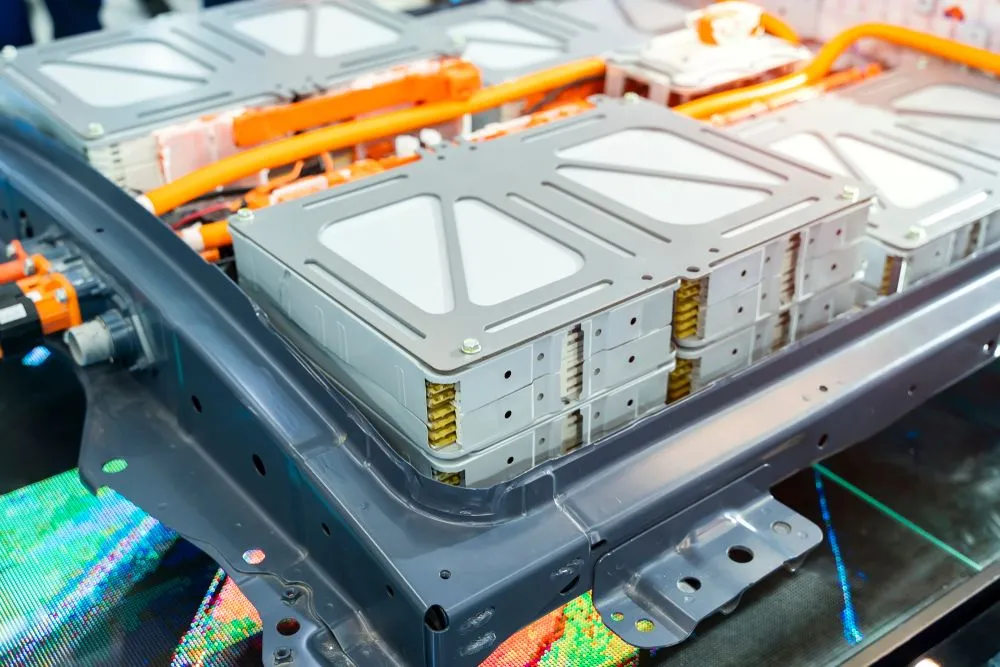
Another major constraint surrounding batteries is their weight, which can prove detrimental to their use in aircraft. Thus, the need for electric aviation will push development in the field of high-density, lightweight batteries, which can assist or replace conventional aviation fuel.
4. Aircraft Design
Electric aviation will also bring about a major change in the design of aircraft themselves. The development of more electric aircraft has already reduced the use of the bulkier mechanical, hydraulic and pneumatic systems.
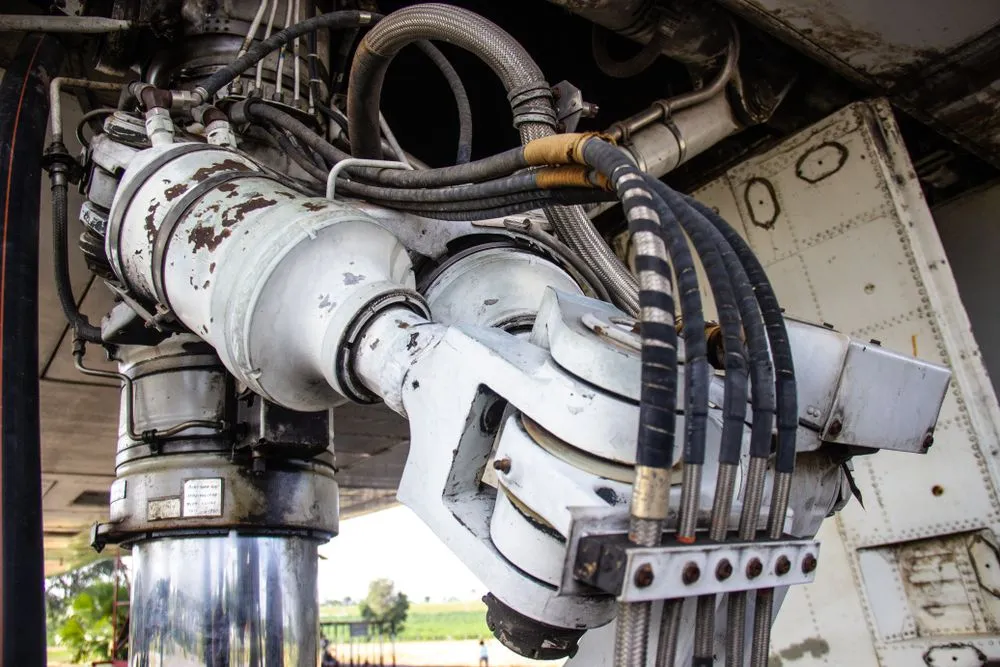
The development of fly-by-wire technology, which replaces mechanically actuated control surfaces with electronic ones, has already been deployed in most modern aircraft. The inclusion of electric systems will reduce complex architecture, and make maintenance simpler. Eliminating complex mechanical systems also reduces the aircraft’s weight, reducing the energy required to put it into flight.
5. Power Generation
Another overlooked aspect of fully electronic aviation is the continuation of flight in emergencies, which can happen with a shortage of fuel. If an aircraft runs out of juice, they can either refuel mid-air, or conduct emergency landings at various airports around the world. However, unlike fuel, electricity can be generated using existing systems and looped back into propelling the aircraft. This can extend the range of an aircraft without having to conduct emergency landings.
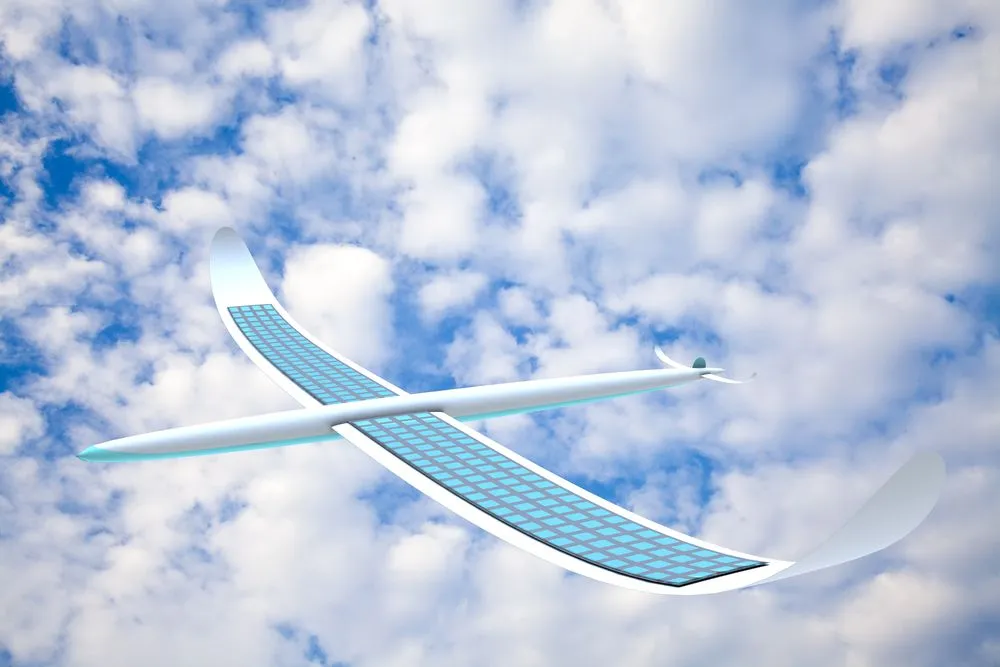
The electrification of aviation at various levels will also bring about an upsurge in alternative fuels (hydrogen fuel cells, sustainable aviation fuel, and others) and sustainable technologies (solar panels for generating electricity in flight). The proof of concept already exists: back in 2016, the solar-powered Solar Impulse 2 became the first piloted fixed-wing aircraft to circle the globe on sunlight alone, using its photovoltaic-covered wings to charge batteries that kept it flying through the night. These fuels and technologies can act as alternatives to aviation fuel and on-ground charging.
Conclusion
The aviation industry has experienced year-on-year growth since its inception.

With sustainable operations showing great promise, there is no doubt that electrification will have an integral place in the skies in years to come. However, whether electrification will be the primary source of energy for aviation… only time to tell!
References (click to expand)
- Aircraft Electrical Propulsion – The Next Chapter of Aviation?. Roland Berger
- EASA certifies electric aircraft, first type certification for fully electric plane world-wide. European Union Aviation Safety Agency
- Electric Flight Technology Launching the Future of Aerospace .... engineering.com
- Madonna, V., Giangrande, P., & Galea, M. (2018). Electrical Power Generation in Aircraft: Review, Challenges, and Opportunities. IEEE Transactions on Transportation Electrification.
- Electric, Hybrid, and Hydrogen Aircraft – State of Play. The International Civil Aviation Organization (ICAO)
- Integration of Powered-Lift: Pilot Certification and Operations – Final Rule. Federal Aviation Administration
- Hou, B., Bose, S., Marla, L., & Haran, K. (2021). Impact of Aviation Electrification on Airports: Flight Scheduling and Charging (Version 2). arXiv.