Table of Contents (click to expand)
Stainless steel resists rust because it is an alloy of iron, carbon and at least 10.5% chromium. The chromium reacts with oxygen faster than iron does, forming a nanometer-thin chromium oxide (Cr2O3) film that seals the surface and self-heals when scratched. Common grades also add nickel or molybdenum for extra corrosion resistance.
Stainless steel is named so for the simple reason that it cannot easily be ‘stained’. In other words, it resists rust, unlike regular steel (often called mild steel). The question is, how does stainless steel achieve this incredible feat?
What Is Rust?
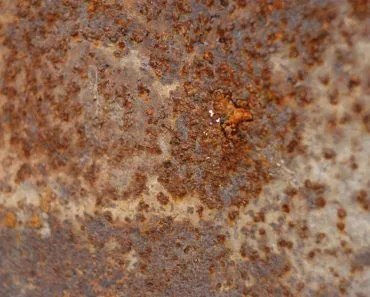
The corrosion of iron causes a reddish-brown, rugged layer to form, which we call rust. Corrosion is simply the oxidation of a metal; when it reacts with oxygen, layers of metal oxides and hydroxides begin to form. Now, because oxygen is abundant in our environment, in air and water, a metal readily undergoes corrosion when exposed to them. When iron does this, we call the resulting iron-oxide layer “rust” and the process “rusting”.
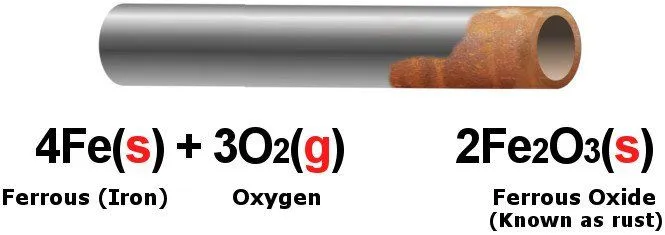
The corrosion of iron is an electrochemical reaction, so the first layers of rust are only atoms thin, but prolonged exposure causes the layer to thicken and become increasingly conspicuous, such as the outgrowth on a wrench or on an old, abandoned car. Rust causes the iron to lose its strength and durability, so that eventually, a corroded wrench becomes no more useful than a paperweight. The global, annual losses due to corrosion are eye-watering: NACE International pegs the bill at roughly $2.5 trillion a year, or about 3.4% of world GDP. So not finding a way to deter it would have been foolish.
What Is Steel?
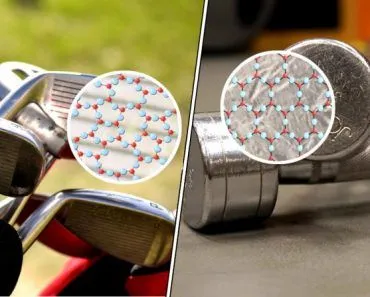
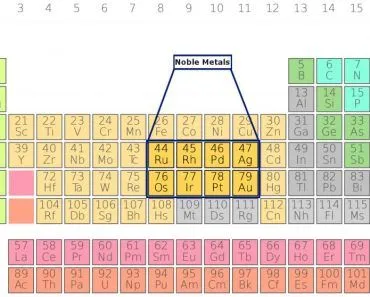
Two or more metals and non-metals can be mixed or combined to form a composite that exhibits a greater strength or durability than the individual elements possess. This process of amalgamation to enhance a metal’s properties is called alloying and the composite produced is called an alloy. Steel is an alloy, which is why you wouldn’t find it on the periodic table.
Iron is one of the most abundant metals on Earth, but in its pure form, it’s tragically weak. Its atoms are arranged in layers that slide over one another at the slightest provocation. This makes pure iron extremely soft, and therefore useless for, say, construction. Iron is therefore alloyed with a small amount of carbon (typically less than 2%) to form steel. This composite is exceptionally strong and durable, and remains the backbone of the industrialized world.
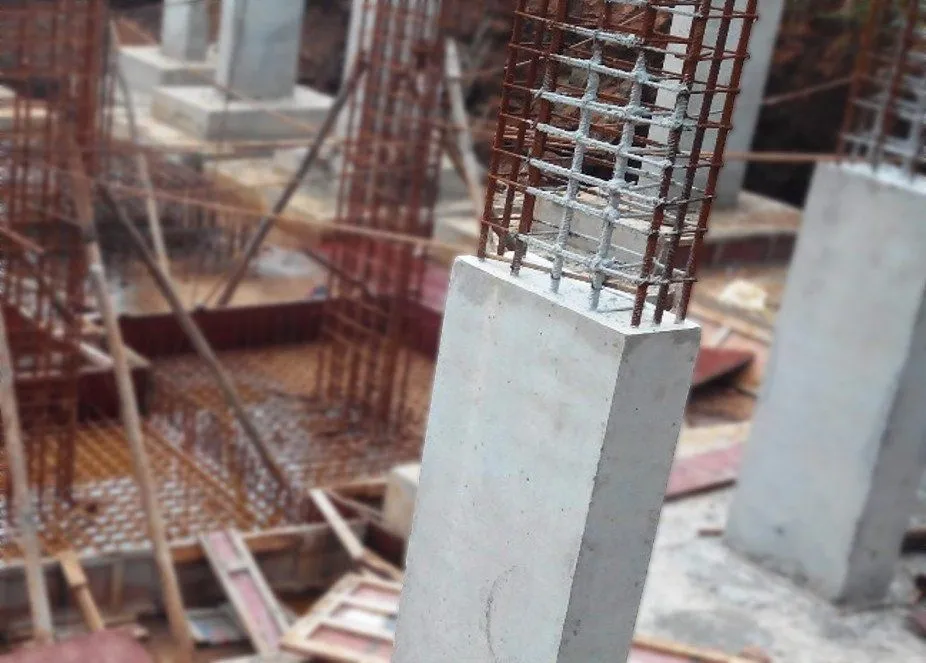
However, while the carbon makes mild steel tougher than aluminum and far less brittle than something like carbon-fiber composite, it does nothing to fix steel’s biggest weakness: rust. Mild steel is mostly iron, so a beam left out in the rain still corrodes happily away. To stop that, we need to alloy the steel with an element that hogs the oxygen for itself, an element that reacts with oxygen before iron does. That element is chromium.
What Is Stainless Steel?
Stainless steel is not just an alloy of iron, carbon and chromium, but also includes manganese and in certain classes, nickel and molybdenum as well. Despite its nefarious reputation, the layer that corrosion forms isn’t necessarily harmful. When aluminum corrodes, the resulting layer of aluminum oxide protects it from being further exposed to oxygen molecules and therefore prevents further corrosion! The same is true of chromium.
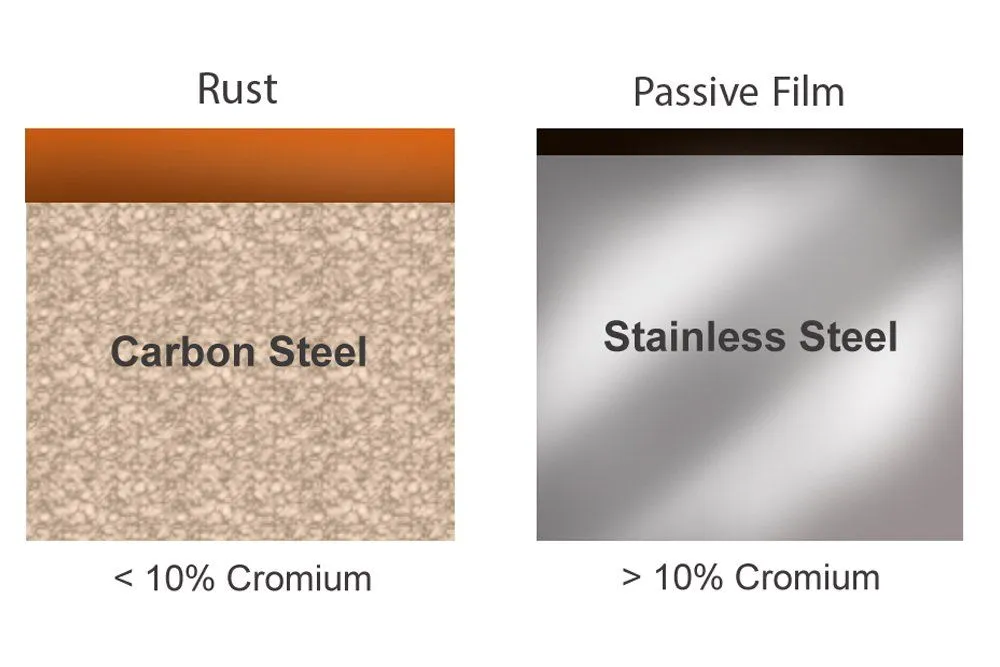
By definition, stainless steel contains at least 10.5% chromium by weight (ASTM A941); most common grades have a lot more, anywhere from about 11% up to 26%. That chromium reacts with oxygen in the air to form a hard, glassy layer of chromium oxide (Cr2O3) only about 1 to 5 nanometers thick. It clings to the surface, blocks oxygen from reaching the iron underneath, and (this is the clever part) re-forms within milliseconds if you scratch it. The metallurgist in charge of the layer is, in effect, the metal itself.
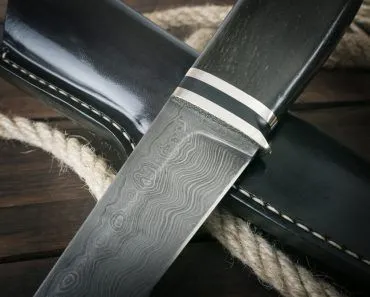
The discovery was something of a happy accident. In 1913, English metallurgist Harry Brearley was working at the Brown Firth Laboratories in Sheffield, trying to find an erosion-resistant steel for gun barrels. He noticed that one of his rejected samples, a chromium-rich alloy (about 12.8% Cr) tossed onto the scrap heap, refused to rust. Sheffield was already the cutlery capital of the world, so Brearley quickly had his "rustless steel" turned into knife blades. A local cutler suggested the catchier name, and "stainless steel" stuck.
Today, stainless steels are grouped into families by their crystal structure. Austenitic grades like 304 (about 18% Cr, 8% Ni) and 316 (with added molybdenum for extra resistance) account for roughly 70% of production; they are what your kitchen sink, refrigerator panels and surgical instruments are usually made of. Ferritic grades like 430 contain chromium but no nickel, and turn up in automotive trim and budget cookware. Martensitic grades, the hardenable ones, are favored for kitchen knives, scalpels and razor blades. Duplex grades mix austenite and ferrite for roughly twice the strength of 304 and are used in chemical plants and offshore oil platforms.
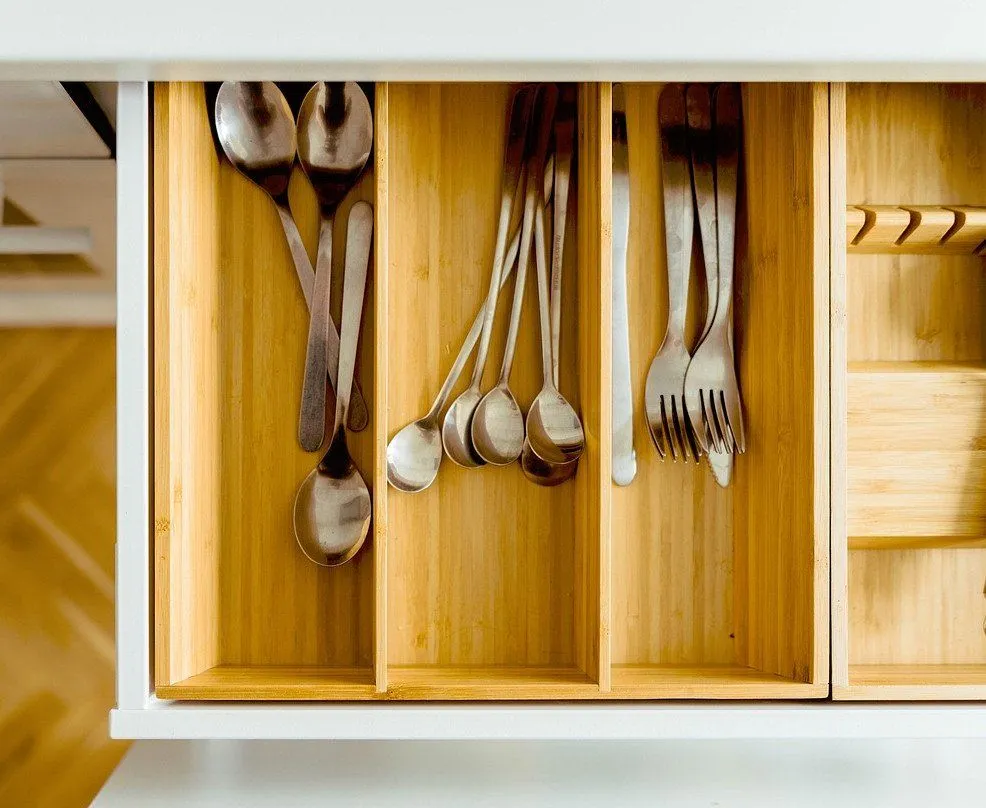
Although stainless steel is not always as strong as the very toughest carbon steels, it is so resistant to rust that it can be happily used as a utensil or as a kitchen sink, objects that are perpetually in contact with water. It is also that chromium-oxide film that gives these objects their characteristic polish or shine, making them constitutionally and in appearance, stainless!
References (click to expand)
- Stainless steel | Composition, Properties, & Types. Encyclopedia Britannica
- What is Stainless Steel? British Stainless Steel Association
- ASTM A941: Standard Terminology Relating to Steel, Stainless Steel, Related Alloys, and Ferroalloys
- Alloying Elements in Stainless Steel. Specialty Steel Industry of North America (SSINA)
- Harry Brearley: The man who discovered stainless steel. Sheffield Museums
- IMPACT: International Measures of Prevention, Application, and Economics of Corrosion Technologies Study. NACE International / AMPP
- Rust | Iron Oxide, Corrosion & Prevention. Encyclopedia Britannica
- Corrosion | School of Materials Science and Engineering. University of New South Wales