No. Grapes, raisins and currants are toxic to dogs and can trigger acute kidney failure, even in small amounts. Recent veterinary research points to tartaric acid as the likely culprit. There is no known safe dose, so never feed your dog grapes. If your dog has eaten any, contact your veterinarian or a pet poison helpline immediately.
If you have a pet dog, you’ll likely agree that dogs aren’t very picky when it comes to food and are likely to eat whatever you offer. If the dog can chew it, dog owners generally assume that it’s good to feed them, but this approach can sometimes turn out to be fatal! As a dog owner, you must remember that the longevity of your dog’s life is dependent on the food you offer. There are certain foods that dog owners usually know are toxic, like chocolate. Unfortunately, many people learn about food toxicity for dogs the hard way.
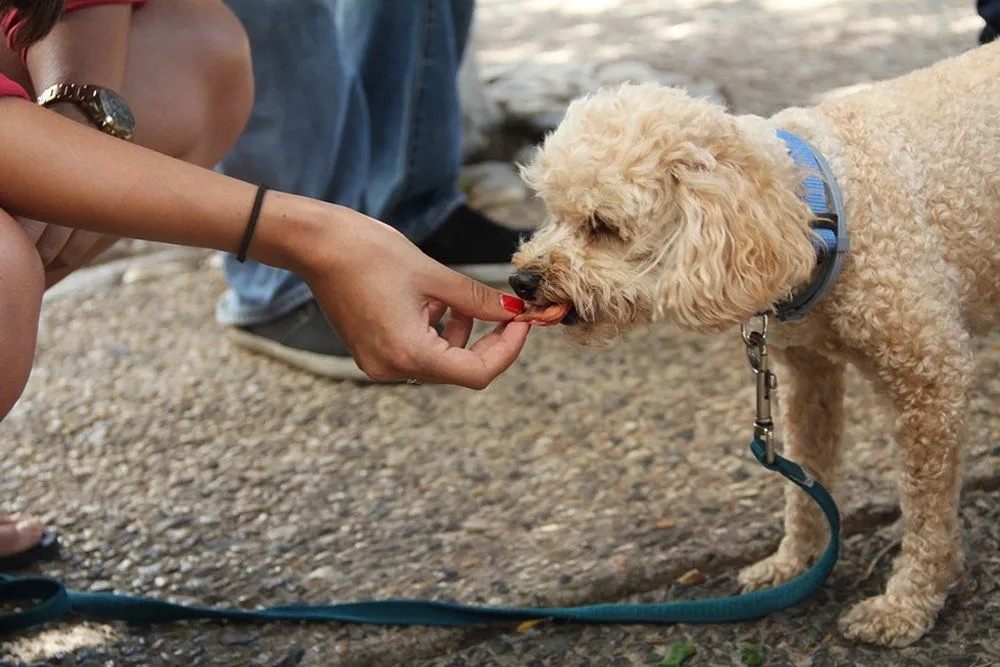
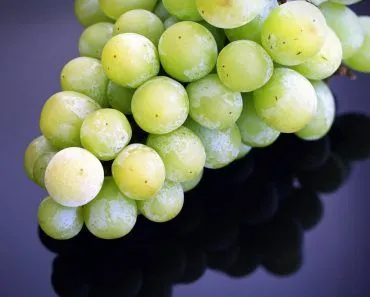
One of the most dangerous snacks you can keep away from dogs (right alongside chocolate) may seem perfectly benign. Dogs love them too, since they’re fun to chew and sweet to taste: grapes. Unfortunately, grapes and raisins are toxic to dogs, so even if your dog clearly wants one, you must never let it eat them.
Veterinarians have long warned that grapes, raisins and currants, i.e., fruits from the Vitis genus, can cause digestive problems and even lead to kidney failure in dogs. The number of poisoning cases is climbing, too. The ASPCA Animal Poison Control Center now fields thousands of grape and raisin calls every year, and that figure keeps rising as awareness grows.
Why Are Grapes Toxic To Dogs?
For years, the exact toxic agent in grapes was a genuine mystery, and older theories blamed everything from mycotoxins (toxins produced by fungi) to the salicylates naturally found in fruit. That picture has now changed. In 2021, toxicologists at the ASPCA Animal Poison Control Center connected a string of cases involving cream of tartar (potassium bitartrate) and tamarinds, which damaged the same part of the kidney, and pinpointed tartaric acid as the likely culprit. Tartaric acid acts as a nephrotoxin in dogs, injuring the renal tubular cells that filter waste from the blood. Because the amount of tartaric acid varies a lot between grape varieties, growing regions and ripeness, it also helps explain why some dogs react violently while others seem to shrug off a stray grape. Researchers still call tartaric acid the likely toxic principle rather than a fully closed case, but it is the strongest explanation we have.
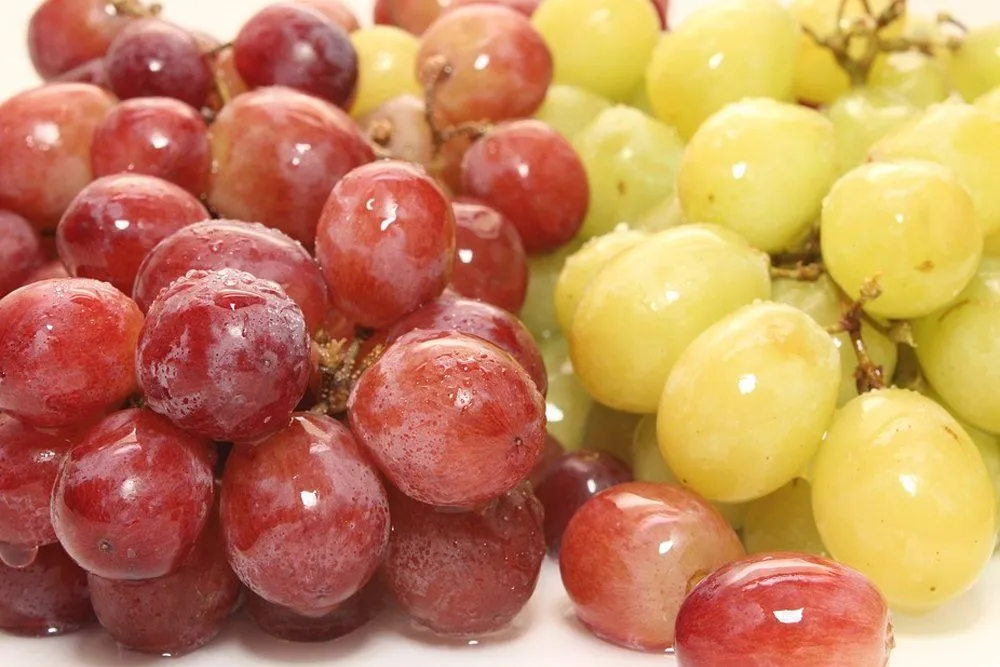
What Types Of Grapes Are Toxic To Dogs?
Poisoning can occur after a dog eats either seedless or seeded grape varieties. Green or red grapes, organic or non-organic, homegrown or commercial, raisins, and even the grape pressings left over at wineries are all toxic to dogs. Trendy types like cotton candy grapes are no exception: they are simply a sweeter grape and carry the same risk. The same goes for foods that contain grapes, raisins or currants, such as trail mix, granola, fruit cake and many baked goods, all of which can trigger poisoning when eaten.
Unfortunately, there is no reliable dose that can be called safe. Veterinarians do point to two patterns, though. Firstly, larger amounts generally mean greater danger; the Merck Veterinary Manual notes that more than one grape or raisin per 4.5 kg (10 lb) of body weight can carry enough tartaric acid to threaten the kidneys. Secondly, sensitivity varies widely from dog to dog. Some dogs tolerate a small amount with no obvious symptoms, while others fall seriously ill after just a grape or two. Because you cannot predict which dog is which, the only safe assumption is that any amount can be poisonous.
What Are The Symptoms Of Grape Toxicity?
By this point you may be wondering what actually happens when a dog eats grapes. The first sign is usually vomiting, often within 6 to 12 hours of ingestion, though it can appear any time in the first day. Diarrhea, lethargy and a loss of appetite tend to follow over the next several hours. The more serious danger comes later: acute kidney injury typically develops within 24 to 72 hours, frequently before the worst symptoms are even obvious. Signs of kidney failure include nausea, excessive thirst, bad (uremic) breath, abdominal pain, and either frequent urination or, ominously, little to no urine at all.
What Should You Do If Your Dog Has Consumed Grapes?
If you’ve seen your dog eating grapes or suspect that your dog has consumed some, you must quickly contact your veterinarian or pet poison helpline. This is an emergency, so you should not waste time. As with the case of any poisoning, the sooner it’s diagnosed, the faster and better it can be treated.
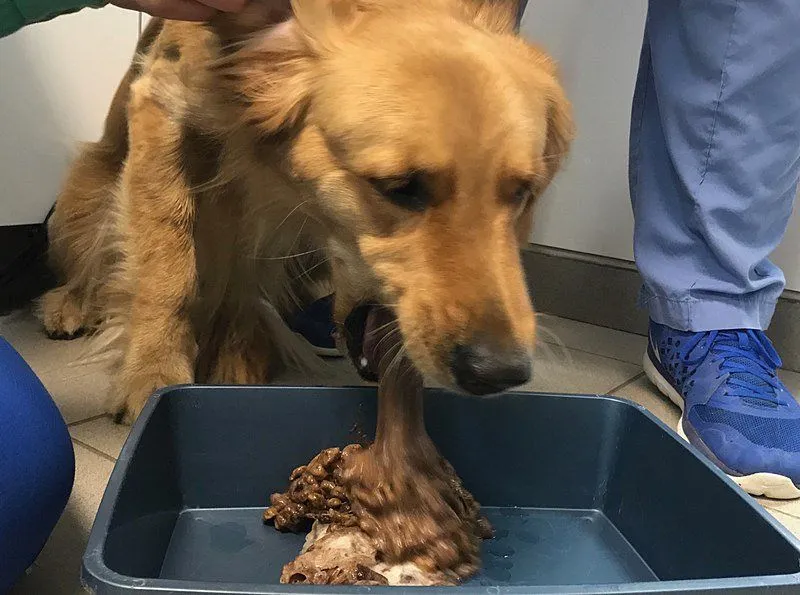
Only after speaking with your veterinarian or a poison-control expert, you may be advised to induce vomiting if you are certain the dog ate grapes within the past hour or two. Never do this on your own without that guidance, and if your dog has already vomited, don’t try to force more. Either way, once that first step is handled, you must rush the dog to a veterinary hospital or emergency pet care center.
Diagnosis And Treatment
A medical diagnosis will be made once you bring your dog to the hospital. In most cases of grape poisoning, diagnoses become easier because the pet owner can often confirm that the dog has, in fact, eaten grapes. If you’re lucky, your dog may eject the grapes in their vomit or fecal matter. Even so, veterinarians will mostly recommend lab tests, such as a blood count, biochemistry profile and urinalysis to assess the toxicity levels and examine the kidney functioning of your pooch.
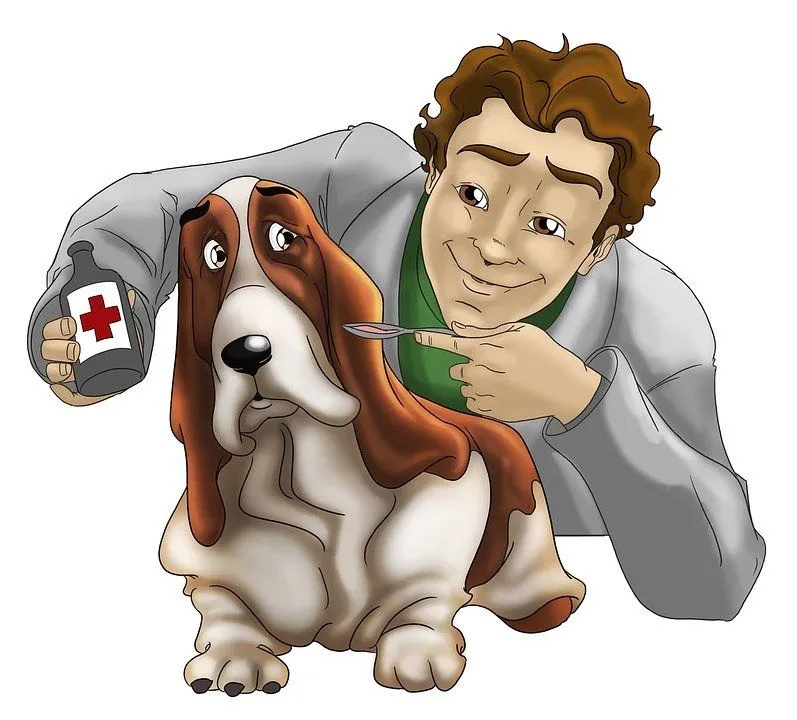
If the dog has not vomited, or if attempts to induce vomiting have failed, and the vet is confident grapes were eaten, the vet will usually begin with a gastric lavage (washing out the stomach), followed by activated charcoal to soak up any remaining toxin in the dog’s body. The vet may then start intravenous fluid therapy to flush toxic elements from the bloodstream. Those fluids also boost urine production, helping the kidneys clear the toxin, and most authorities recommend keeping a dog on IV fluids for around 48 hours, since kidney damage is most likely in the first two days. Throughout treatment, the vet gives medications to control nausea and support kidney function while closely monitoring how the kidneys are coping.

If there is an acute failure of the dog’s kidneys and it can no longer produce urine, the treatment may become grave and is likely to be unsuccessful. Doctors may try hemodialysis to support life until the kidneys can recover. Some may also suggest a kidney transplant, but that is risky and expensive. Euthanasia is usually the only practical option left once a dog’s kidneys have shut down completely.
Prevention Is Better Than Treatment
It is strongly advised to keep grapes, raisins and currants well away from your dog’s curious nose, as your unsuspecting canine companion is likely to gulp one down without a second thought. Make sure everyone in your household knows that grapes are off-limits, too. Other common foods, including chocolate, onions and garlic, are also toxic to dogs. If your dog manages to eat any of these, act immediately to give it the best possible chance of recovering without lasting harm.
References (click to expand)
- Morrow, C. M. K., Valli, V. E., Volmer, P. A., & Eubig, P. A. (2005, May). Canine Renal Pathology Associated with Grape or Raisin Ingestion: 10 Cases. Journal of Veterinary Diagnostic Investigation. SAGE Publications.
- Lees, G. E., Brown, S. A., Elliott, J., Grauer, G. F., & Vaden, S. L. (2005, May). Assessment and Management of Proteinuria in Dogs and Cats: 2004 ACVIM Forum Consensus Statement (Small Animal). Journal of Veterinary Internal Medicine. Wiley.
- Toxic Component in Grapes and Raisins Identified. ASPCA Animal Poison Control Center (ASPCApro).
- Grape, Raisin, and Tamarind (Vitis spp, Tamarindus spp) Toxicosis in Dogs. Merck Veterinary Manual.
- Grape, Raisin, and Currant Poisoning in Dogs. VCA Animal Hospitals.
- Grape and raisin toxicity. Cornell University College of Veterinary Medicine.
- Wegenast, C. A., et al. (2022). Acute kidney injury in dogs following ingestion of cream of tartar and tamarinds and the connection to tartaric acid as the proposed toxic principle in grapes and raisins. Journal of Veterinary Emergency and Critical Care.