Table of Contents (click to expand)
Whaling is bad for the ecosystem because whales sit near the top of the marine food chain and help power it. Their nutrient-rich waste fertilizes the phytoplankton that feed the ocean and pull carbon dioxide from the air, and their sinking carcasses lock carbon away on the seafloor. Removing whales weakens this cycle and releases stored carbon.
Some of the earliest records of organized whaling date back roughly a thousand years, to around the 11th century, when the Basques of the Bay of Biscay (along the coasts of present-day Spain and France) hunted right whales and extracted this “highly resourceful” commodity from the blubber (a subcutaneous layer of fat) of this magnificent marine mammal.
Since then, whales have been impulsively hunted, and every bit of their lifeless bodies have been used to boost the economy and create a significant demand in the markets. The 19th century saw a boom in the whaling economy with uncontrolled whale slaughter in almost every coastal nation where man could lay their nets and ships could harbor at docks to trade their catch. Whale oil not only illuminated houses and factories, but also fueled the Industrial Revolution.
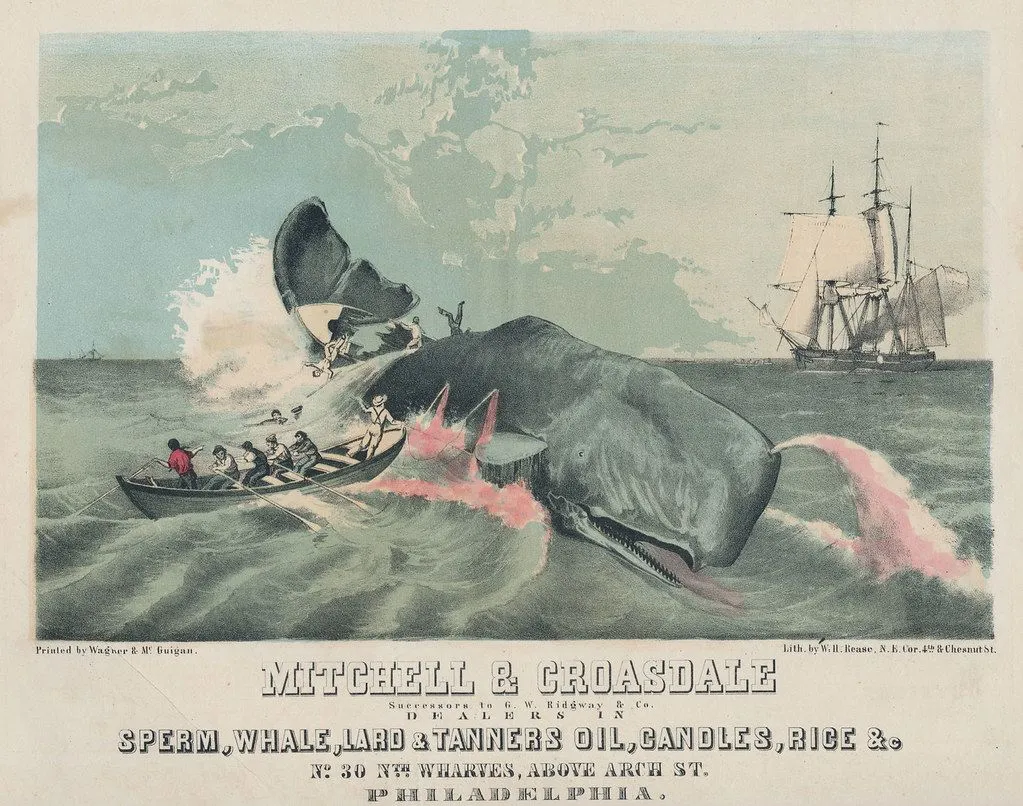
Carving Wealth From A Whale
With such an economically reliable natural resource (so-called) lurking in the great waters, and the weaponry advantage on our side; it seemed perfectly fit to exploit these gentle creatures, slaughtering them for every commodity that could satisfy our means of development and comfort living.
- Whale oil
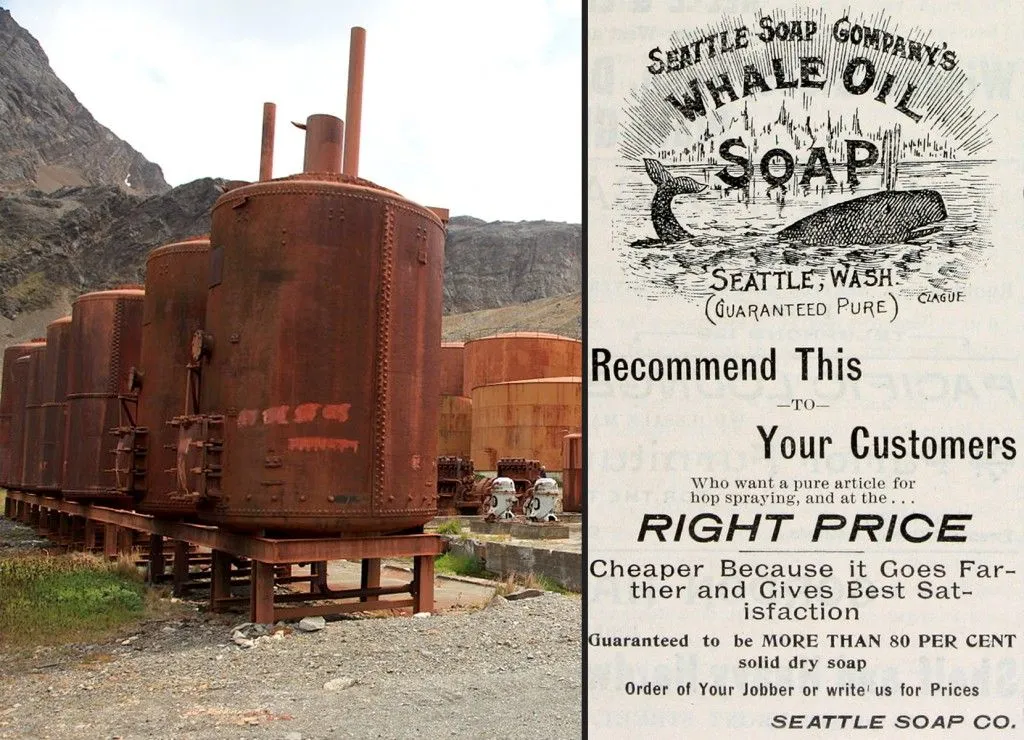
The oil that started it all. Oil from sperm whale blubber is a light, straw-colored liquid that stays stable at high temperatures, and was of great importance as a lubricant in fast-running machinery, as well as a brilliant fuel for illumination, without fogging up the houses with smoke. Immense quantities of sperm oil were used in private and public lighting, as well as lighthouses. The crude sperm whale oil leaves a byproduct that can be processed into quality soaps, which led to the export of more than half of this crude oil obtained by American fisheries to other countries.
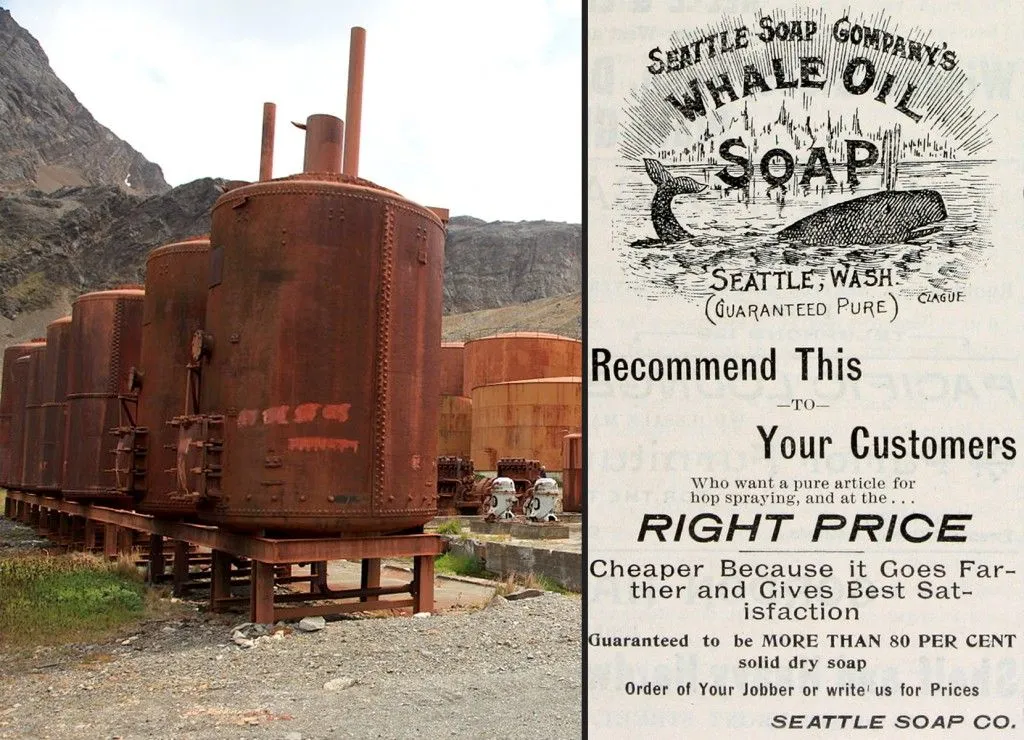
- Spermaceti
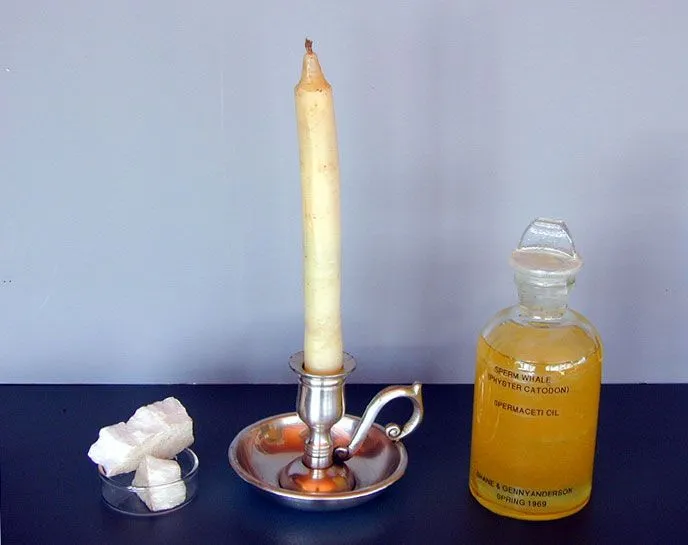
This was a highly valued resource in the oil industries due to its crystallizing properties in air. Obtained from the spermaceti organ in the head of the sperm whale, this oil produced the highest quality candles of that century. Their bright, steady flame made spermaceti candles the standard for photometric measurements, with the old unit of "candlepower" originally defined by the light of a single pure spermaceti candle. Spermaceti also found good use in medicinal ointments, tanning resins, cosmetics, typewriter ribbons and the garment industry.
- Baleen
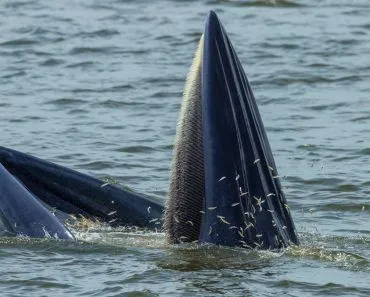
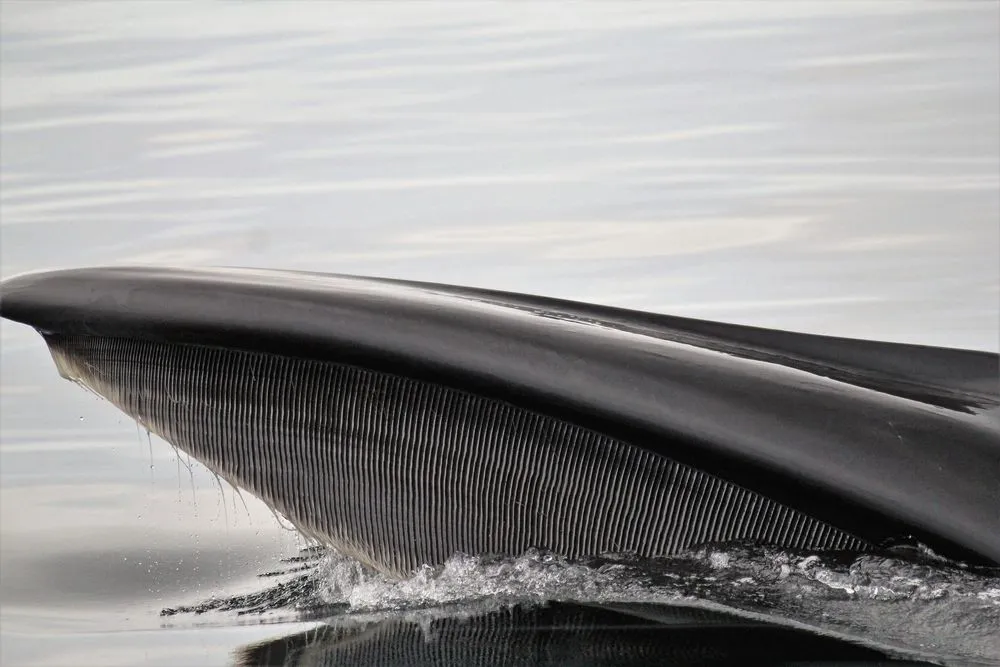
Instead of teeth, Baleen Whales are naturally gifted with long strips hanging from the rooftops of their mouth, which act as natural filters for straining out krill from seawater. Coincidentally, this baleen is made of keratin, the same highly durable substance found in your own nails and hair. Harvesting it from fellow humans seemed rather barbarous, so we settled for doing it to whales instead. The nineteenth-century featured a plethora of baleen products, namely Carriage springs, Buggy whips, Fishing poles, Corset stays, Skirt hoops for women, Umbrella ribs… basically every substitute for plastic and steel products in use today.
- Ambergris
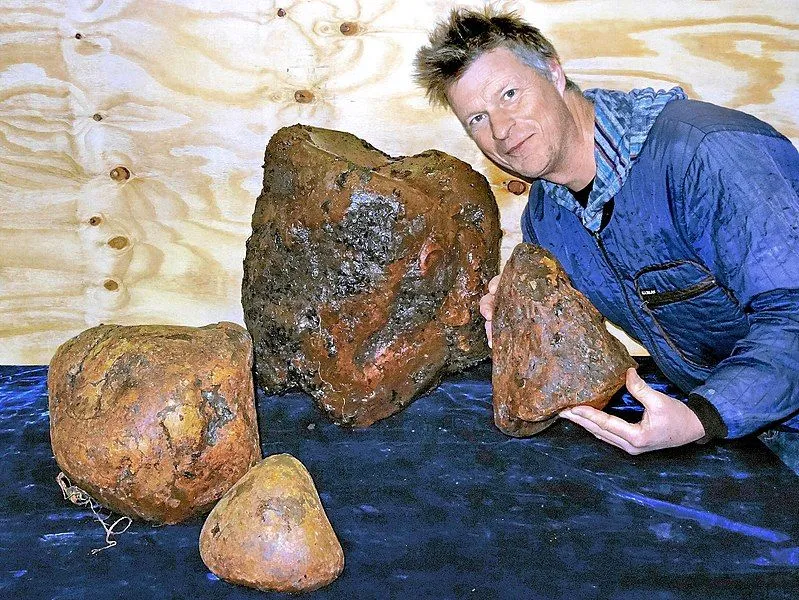
The substance that revolutionized the perfume industry. With corals and pearls as exceptions, ambergris is the most exorbitant product of fisheries. Ambergris is a waxy, bile-soaked mass that forms in the gut of the sperm whale, where it builds up around indigestible material such as the hard beaks of the squid the whale eats. Only the sperm whale produces it, and it turns up in just a small fraction of the population. Often soft and dark when fresh, and emitting an unsavory odor, this semi-solid hardens on exposure to air and sunlight into a whitish, marble-like solid whose scent gives a perfume staying power and helps it hold together.
How Has Whale Slaughter Affected The Ecosystem?
Humans tend to favor hunting those animals that provide significant resources to the world in order to make it a better world to live in for no one but themselves. However, believe it or not, whaling also affects the ecosystems of the world. Whales are critical to the food chain and play an integral role in the biological pump and energy flow of all marine life.
The three categories most affected are the prey, the predators and the competitors. Whales, being at top of the food chain, make the whole chain vulnerable to the extent of falling apart if whales were to become endangered or go extinct. Commercial whaling grievously depleted their numbers, with global catches running into the millions across the 20th century and some species, like the Southern Hemisphere blue whale, reduced by more than 99 percent before protections took hold. Removing a major player from the top of the chain ripples downward through the marine animals below it, and once-common whales became a far rarer sight.
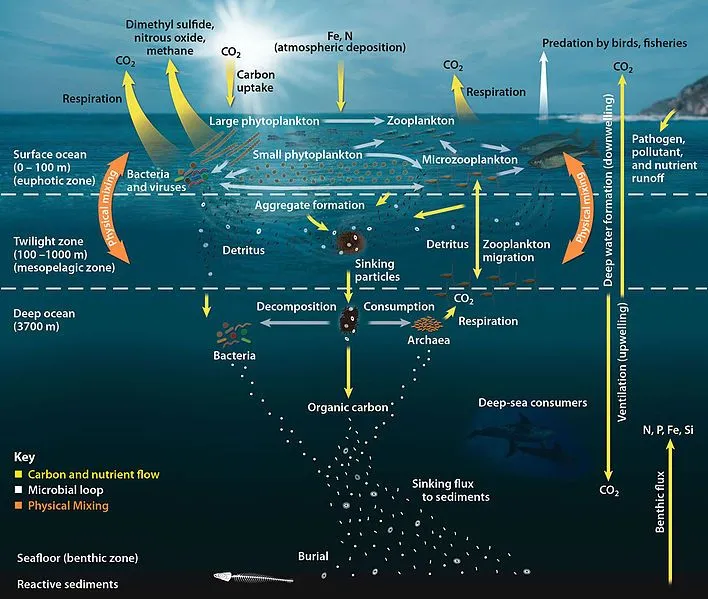
Phytoplankton and zooplankton are the primary food sources of smaller sea creatures and are at the bottom of the oceanic food chain. The larger predators, in turn, eat foraging fishes who feed on planktons. Whales, being the largest of them all, sit at or near the top of the food chain. Apart from the orca (killer whale), which preys mainly on calves, large whales have no natural predators except humans. Heavily hunting a top predator can throw the balance below it out of order, since the prey that whales once kept in check are no longer held in balance.
Those animals then compete harder for food further down the chain, and the imbalance can cascade through the whole web. Lose enough of the structure and marine life starts to fray, with effects that eventually reach land too. Fisheries can run dry, and coastal economies that depend on the sea feel the loss. You’ve heard of the domino effect, right?
What If We Had Never Started Hunting Whales In The First Place?
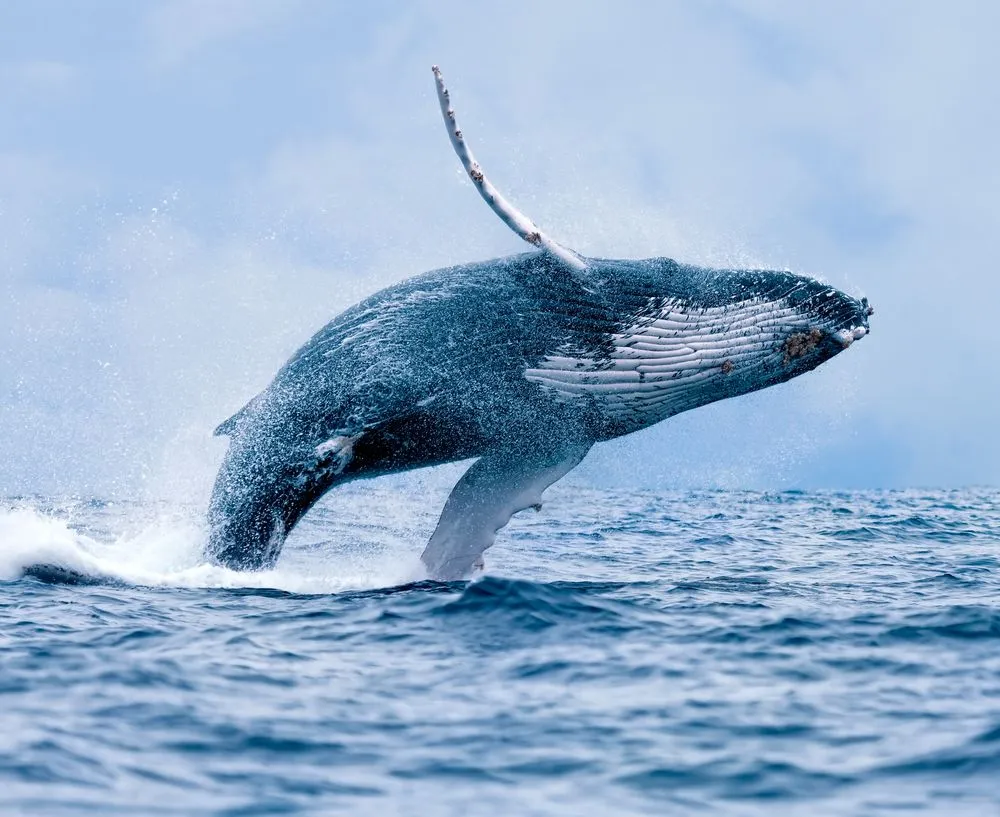
Whales, being marine mammals and not conventional fish, have to return to the surface every so often to breathe. They feed in the deep, then release huge, nutrient-rich plumes of waste near the surface. This waste is loaded with iron and nitrogen, the very nutrients that the sunlit surface waters tend to lack. Scientists call this upward fertilizing cycle the "whale pump," and it gives a boost to the tiny drifting plants and animals known as plankton. More plankton means a better-working marine food chain.
Phytoplankton, apart from serving as grub for smaller fishes, also pull carbon dioxide out of the atmosphere. When they die, some of that carbon sinks toward the deep ocean, where it can stay locked away for centuries. The benefit doesn’t stop there. A whale stores a large amount of carbon in its own body as it grows over decades, and when a great whale dies its carcass sinks to the seafloor, carrying that carbon down with it, where it can remain trapped in sediment for hundreds to thousands of years. By NOAA’s estimate, a single great whale can lock away on the order of 33 tons of carbon dioxide over its lifetime. Acting as living carbon stores, whales have done their fair share for the planet and have undeniably lived up to their majestic reputation.
Never having started the slaughter in the first place, humans would have looked for alternatives to whale products from the very beginning, and the oceans would have kept more of their natural ability to soak up carbon. A 2010 study in PLOS ONE estimated that a century of whaling effectively released tens of millions of tons of carbon that would otherwise have stayed locked in whale bodies and on the seafloor. Commercial whaling has been banned under an international moratorium since 1986, but the fight isn’t over. Japan walked out of the International Whaling Commission in 2019 and openly resumed commercial whaling, adding fin whales to its catch list in 2024, while Norway and Iceland continue to hunt as well. Each whale taken is one less natural carbon store working quietly on our behalf.
References (click to expand)
- Whales and Carbon Sequestration: Can Whales Store Carbon? NOAA Fisheries.
- Pershing, A. J., et al. (2010). The Impact of Whaling on the Ocean Carbon Cycle: Why Bigger Was Better. PLoS ONE.
- Commercial Whaling. International Whaling Commission.
- International Whaling Commission. NOAA Fisheries.
- Whale conservation. Australian Department of Climate Change, Energy, the Environment and Water.
- Whales and Hunting. New Bedford Whaling Museum.