Table of Contents (click to expand)
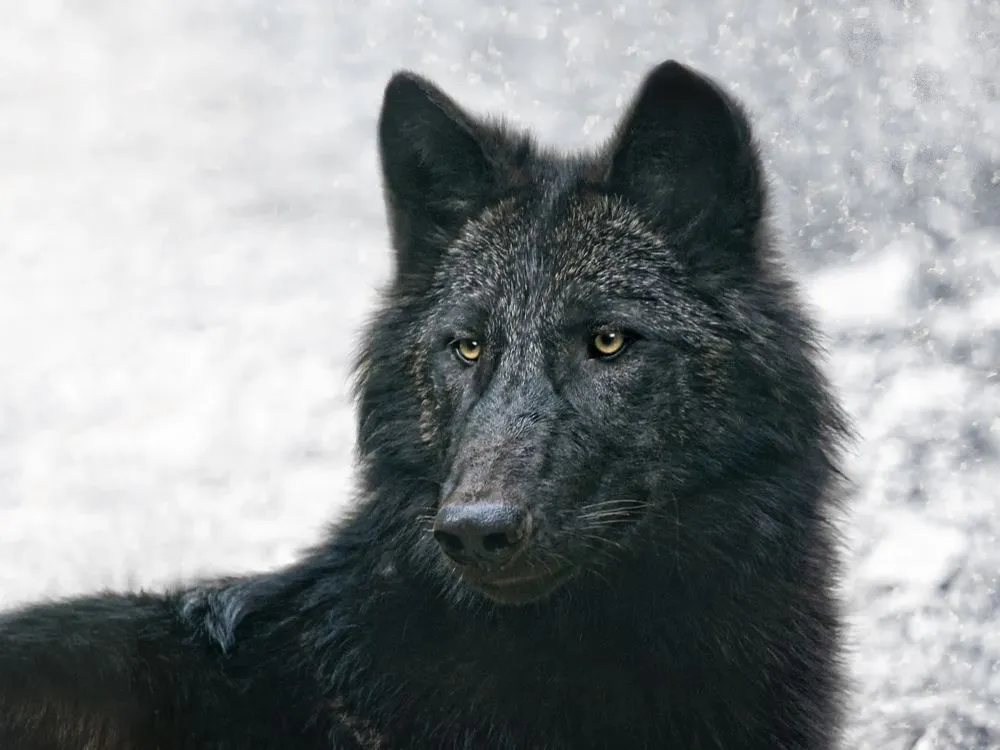
In parts of North America, gray wolves are more likely to be black, and a virus is the reason why. A gene variant inherited from dogs (CBD103) turns a wolf’s coat black and helps it survive canine distemper virus (CDV), so black wolves are far more common in regions where CDV outbreaks recur.
Wolves are magnificent animals, and different species of wolves and canines are found all around the globe. Something consistent about them is that they all live in packs. The pack greatly influences the lives of these animals in terms of how they behave and survive, but could another living creature affect the pack life and its evolution?
A team led by Sarah Cubaynes, working with scientists from Oxford University, Yellowstone National Park and Penn State University, looked into an odd occurrence among gray wolves in North America. Studying 12 wolf populations across the continent, they found that in certain regions, wolves are far more likely to have black coats. Now, before we jump into how they found this out and what discoveries they made, let’s cover a few basics about wolves.
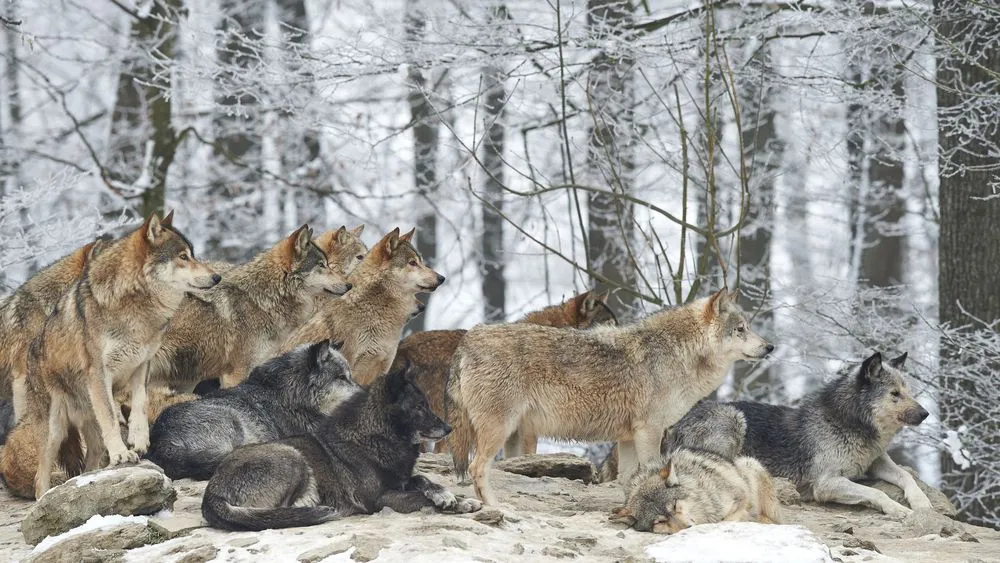
Wolves And Their Relatives
Wolves belong to the Canidae family, the same family as dogs, foxes and jackals. The gray wolf (Canis lupus) alone is split into dozens of subspecies (one widely used catalog lists 38), each shaped by the conditions and places in which it lives. Dogs were actually domesticated from wolves, which you can read about here. So why is that important?
Well, dogs had a huge role to play in the study. At some point during their domestication, dogs interbred with wolves, and some genes from wolves were passed onto dogs, and in the same way, some genes from dogs came into wolves. The gene that makes a wolf’s fur black was one of those.
However, why is this gene being passed on and why is it more important than others? Because this gene protects the wolves from a deadly disease.
Canine distemper virus
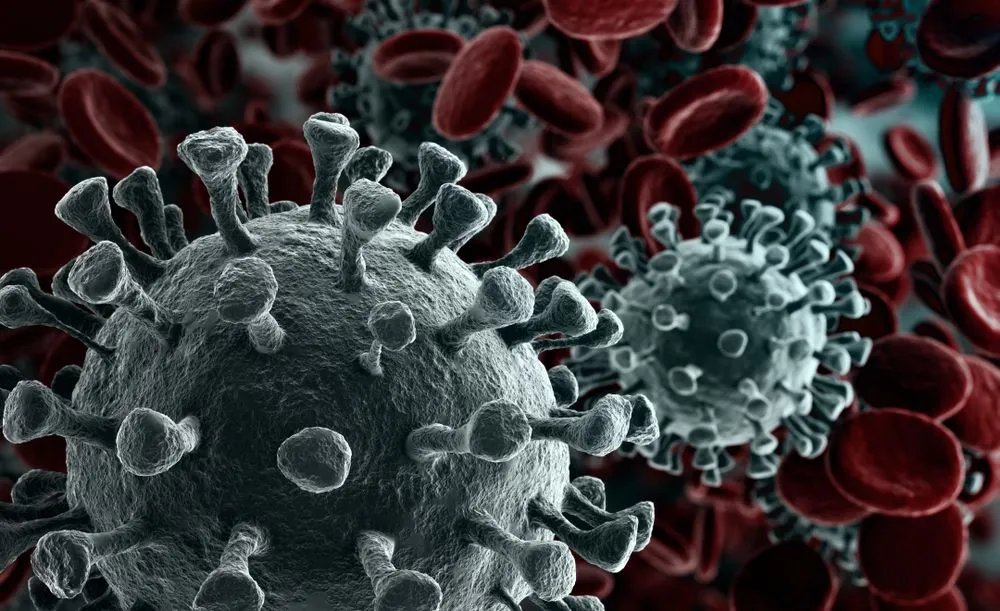
Canine distemper virus (CDV for short) is a deadly virus that can infect any canine species, as well as other animals like raccoons or even lions. CDV affects an animal’s lungs, nervous system and digestive system. To make matters worse, it also curbs the body’s ability to fight back by harming the immune system.
While we may have a vaccine to prevent CDV from harming our pets, it still proves troublesome in the wild. CDV is a hard-hitting disease and has been responsible for mass mortality events in Caspian seals. Any tool to fight against this disease would be very useful.
For that reason, knowing the responsible gene would be useful, but how did scientists figure this out?
When genes are passed down from one generation to the next, more often than not they are specifically selected by nature. Natural selection ensures that weaker genes in an environment fade away. It also works so that stronger genes are carried into newer generations.
A gene called CBD103 (it codes for a protein known as a beta-defensin) in the wolf’s genetic code is what controls the color of their coat. The regular color of a wolf’s coat in those regions is gray. A variant of this gene, inherited long ago from the dog’s gene pool, makes their fur black. However, scientists also noticed that black-furred animals tended to survive CDV more often. Because beta-defensins are part of the body’s immune defenses, this led them to believe that the same gene shaped both the color of a wolf’s fur and its ability to fight CDV. Curiously, the survival edge is strongest in heterozygous wolves, those carrying one black variant and one gray, which hints that the real benefit lies in immunity rather than in the black color itself.
Changing The Wolf
We took a look at the gene that helped the wolf combat CDV, but how did the gene change the wolf? Other than the obvious change in the color of the fur coat, it actually changed how packs of wolves behave.
These scientists noticed that wolves with black fur were more common in places where CDV outbreaks had happened. Then, by modeling who pairs up with whom, they found something even more surprising: in regions where CDV is common, black and gray wolves are more likely to mate with each other, rather than black with black or gray with gray.
Why would opposites attract here? Because the strongest protection comes from being heterozygous, carrying one black variant and one gray. A black wolf paired with a gray wolf is the most reliable way to produce pups that inherit a single black variant, giving them that survival edge against the virus. So in CDV country, mixed black-and-gray pairings are favored, while in regions without the disease the pattern fades away. The gene wasn’t just shaped by natural selection, where wolves carrying the weaker option simply die off before breeding; it was also shaped by which wolves ended up pairing together.
It’s remarkable to see a deadly virus quietly steering not only which wolves survive, but which ones become mates, gradually painting whole populations a darker shade.
Conclusion
The crazy things that happen in nature will never cease to surprise us. Understanding these black wolves and what makes them change their behavior is a great example of this. It has shown how something as small as a virus can influence large animals to change how they behave. We also see how changes in their behavior have made certain populations change their appearance in dramatic ways.
This makes one wonder about what else has been influenced by things such as this. Certain big changes, like climate change, have caused whales to become filter feeders (read this article), but there may have been countless other things, like an easily overlooked virus, that have changed the animal kingdom in myriad unknown ways.
References (click to expand)
- Cubaynes, S., Brandell, E. E., Stahler, D. R., Smith, D. W., Almberg, E. S., Schindler, S., … Coulson, T. (2022, October 21). Disease outbreaks select for mate choice and coat color in wolves. Science. American Association for the Advancement of Science (AAAS).
- Mammal Species of the World - Browse: lupus. departments.bucknell.edu
- Beineke, A., Baumgärtner, W., & Wohlsein, P. (2015, December). Cross-species transmission of canine distemper virus—an update. One Health. Elsevier BV.
- Wilson, S. C., Eybatov, T. M., Amano, M., Jepson, P. D., & Goodman, S. J. (2014, July 2). The Role of Canine Distemper Virus and Persistent Organic Pollutants in Mortality Patterns of Caspian Seals (Pusa caspica). (M. E. Grigg, Ed.), PLoS ONE. Public Library of Science (PLoS).
- Johnston et al. (2021). K Locus Effects in Gray Wolves: Experimental Assessment of TLR3 Signaling and the Gene Expression Response to Canine Distemper Virus. Journal of Heredity.