Table of Contents (click to expand)
Many cultures attach superstitions to specific animals: black cats are treated as omens of bad luck or death (a hangover from medieval Europe), albatrosses are thought to carry the souls of dead sailors (and killing one was considered as bad as killing a person), a left-hind rabbit's foot is carried for good luck, monitor lizards are seen as reincarnated humans in parts of Thailand, and dogs are believed to be able to sense ghosts. The trouble is that these beliefs can harm the animals: black cats are less likely to be adopted, and "unlucky" species are more likely to be killed.
I don’t know about you, but I definitely shudder when Friday the 13th rolls around. There’s just something unexplainably creepy about those particular days! (Fridays the 13th happen one to three times every year, with no overall historical pattern.) Also, for the record, I don’t trim my nails at night and I throw salt over my shoulder to ward off evil eyes. On a lighter note, I get ecstatic when my left palm itches, touch wood to preserve my luck, and cross my fingers every time I want something to go my way.
These are just some of the superstitions I consciously (and at times, subconsciously) believe in and practice.
Some of you may relate to such unusual or inexplicable beliefs, but if you don’t, then this article may help you understand a bit more about superstitions and the people who have them!
What Are Superstitions?
Superstitions are beliefs or practices that are considered irrational or supernatural. Most superstitions revolve around bringing good luck to one’s life, or steering clear from evil (people, events). It’s generally believed that superstitions influence upcoming events in people’s lives by changing the current context. Superstitions may also arise because people misunderstand science or are simply ignorant of it. Thus, you may sometimes find that people believe in some truly wild things!
Across the world, people believe in many different superstitions. For example, some people don’t walk under ladders, some are careful not to break mirrors, and most of us say “God bless you” every time someone within earshot sneezes. But did you know that there are also many superstitions that involve animals?
If this is surprising to you, here are a few examples of superstitions that involve animals.
Black Cat Superstition
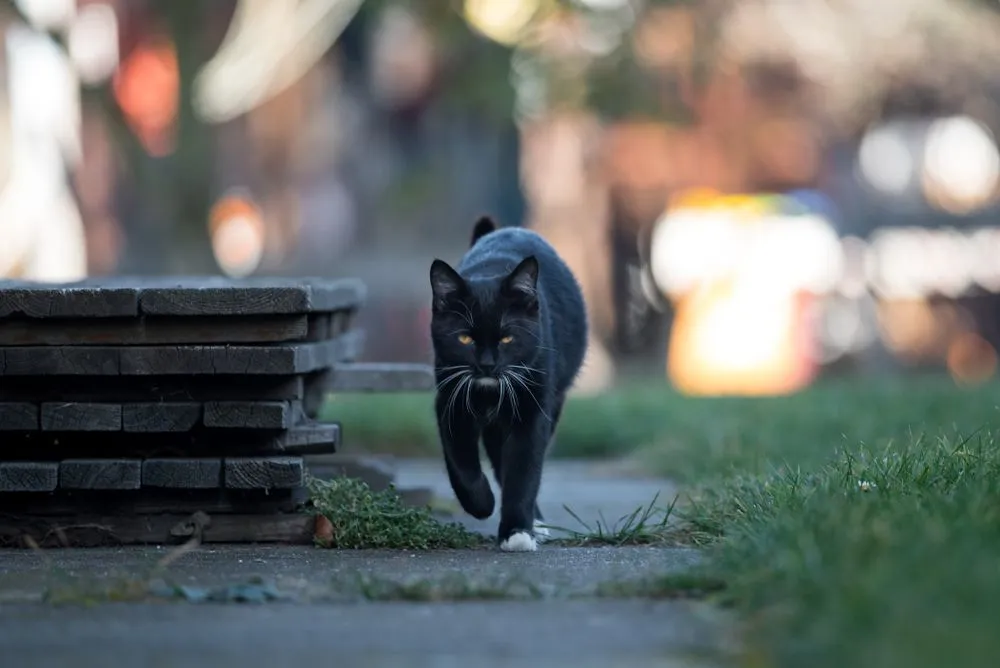
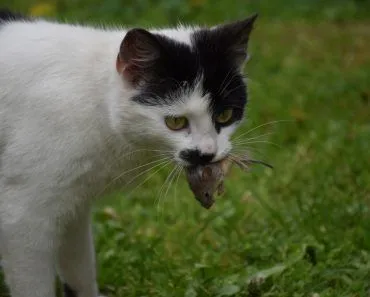
The most common superstition involving animals relates to black cats. This superstition dates back to medieval times, when animals with dark fur were symbolic of death. According to ancient folklore, if a black cat lays on the bed of a sick person, he/she would surely die. Most people today, however, believe that a black cat crossing their path brings bad luck and thus steer clear whenever they see one.
Albatross Superstition
The albatross is a bird that makes sailors both happy and jittery. Sailors consider albatross flying alongside ships to be good luck, as it is believed these birds hold within them the souls of drowned sailors. Killing an albatross was thus considered as bad as killing a sailor! In cases where an albatross was killed, the perpetrator would have to walk around wearing the carcass around his/her neck, symbolizing the burden that they must now carry.
Rabbit Superstition
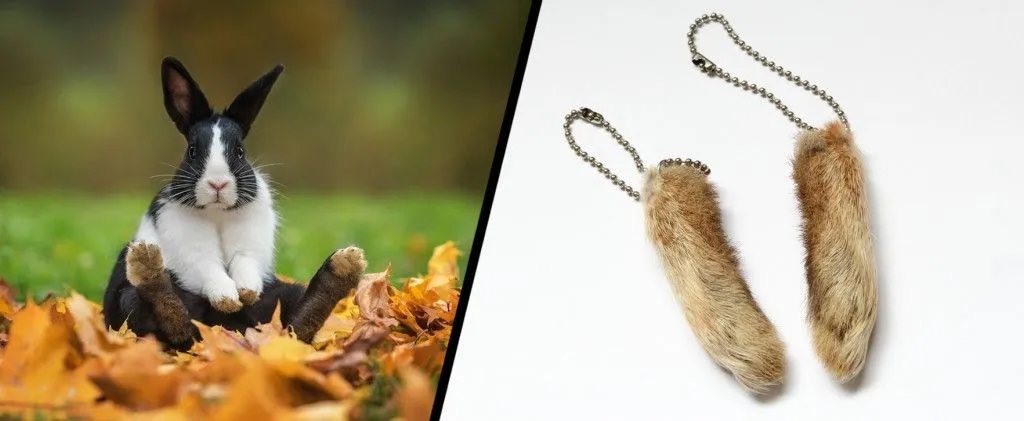
A rabbit’s foot is considered a good luck, which is why you find so many people carrying them, either as a lucky charm or key chain. However, not just any foot from any leg will do; it needs to specifically be the left hind leg. Moreover, the foot can only be cut off on a specific day for it to be imbued with luck!
This belief goes as far back as 600 B.C., when the Celts associated rabbits (and not just their feet) with good fortune. They believed that rabbits could directly communicate with the underworld gods and holy spirits, since they lived underground in burrows. Similarly, in Europe, the act of carrying a rabbit’s foot has roots in ancient totemic beliefs, wherein humans were thought to have descended from animals.
In some cultures, saying “rabbit rabbit” is considered good luck, as rabbits are known for their fertility.
Butterfly Superstition
Who would have thought that people even have superstitions about butterflies! As it turns out, some people believe that a white butterfly in your home brings a string of good luck, while others believe that a brown butterfly in your house means that you will receive an important message/letter. Others believe that butterflies predict the weather and that a yellow butterfly means it will be a bright sunny day. However, there are many others who also believe that these fluttering creatures are the omen of death. Hard to imagine, right?
Monitor Lizard Superstition
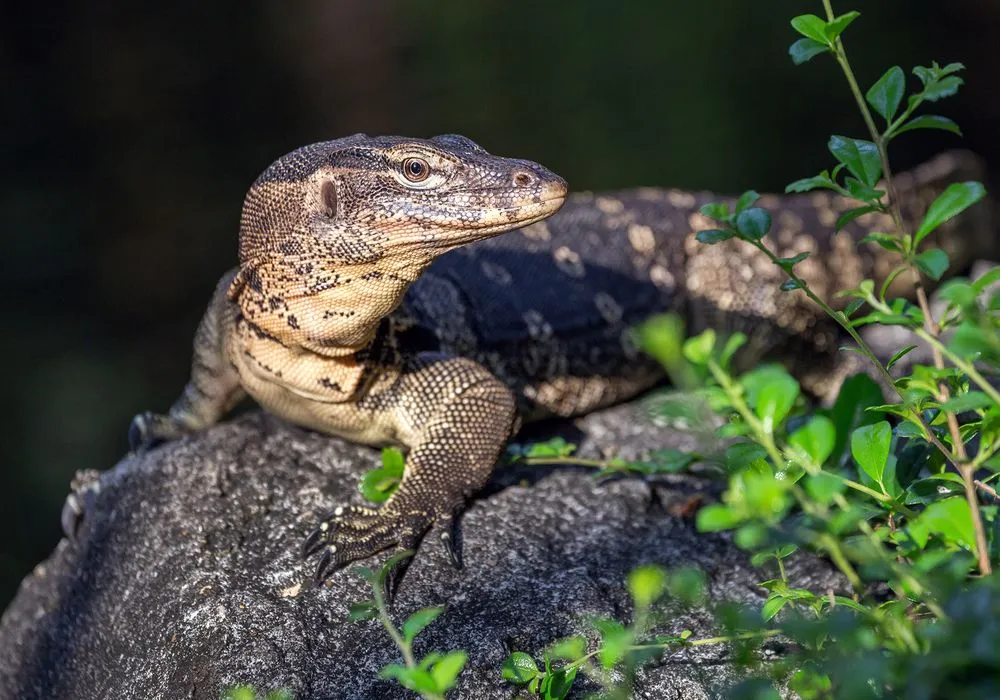
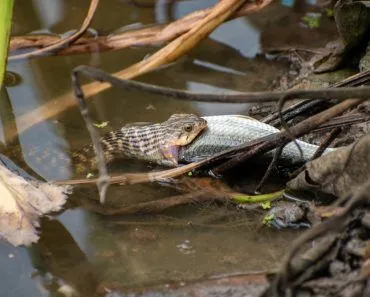
Many people in Thailand believe in the reincarnation of humans in the form of animals. An article published in 2016 reported a case study wherein a monitor lizard was found sleeping under the photograph of a child who had died in an accident. When the mother saw the monitor lizard, she instantly believed that it was her son’s spirit residing in the animal. Interestingly, many people associated this reincarnation with the lotteries and queued up just to touch the lizard’s skin for good luck.
In India, however, monitor lizards are considered as bad luck and many people, especially pregnant women, do not tolerate their presence.
Is Seeing a Monitor Lizard Good Luck or Bad Luck?

So is spotting a monitor lizard a lucky sign or an unlucky one? The honest answer is that it depends entirely on where you happen to be standing, because the very same animal gets read in opposite ways from one country to the next.
Take Thailand, where the everyday word for the water monitor is hia. That same word doubles as one of the strongest swear words in the Thai language, so the lizard carries a heavy whiff of bad luck and insult by association. And yet even there the belief flips: when hundreds of monitors overran Bangkok's Lumpini Park in 2016 and officials began rounding up around 100 of them, one park caretaker explained a popular folk belief that if a monitor lizard wanders into your room, you are about to come into money. So a lizard turning up inside the house is not automatically a bad omen, even in the one place where its name is a curse.
Cross over to Australia and the mood changes completely. There, monitor lizards are called goannas, and they are respected rather than feared. Goannas feature in Aboriginal Dreaming stories and were an important traditional food source, and the largest of them, the perentie, can grow to over 2 meters (6.6 feet) long. As with the albatross, the real danger in these beliefs tends to fall on the animal itself, since a creature branded as bad luck is far more likely to be harmed than one that is welcomed.
Dog Superstition
There are also many superstitions involving man’s best friend! For instance, in Europe, if a dog crosses between two people, it is taken as a sign that the two will quarrel. For those who are engaged, it is a sign that their wedding will be cancelled, while those who are married will surely be divorced.
Some people believe that dogs can see ghosts. For instance, the Greeks believed that dogs could detect the presence of Hecate, the goddess of terror and darkness, and would sound an alarm to warn humans of her presence. In other countries, the hair of the dog that has bitten a person is considered to be the cure for the bite.
Which Animals Are the Worst Omens of Bad Luck?

Black cats may be the most famous unlucky animal, but they are far from alone. When you gather up the world's "bad luck" creatures, birds quietly dominate the list, and a few of them have carried a reputation for death and misfortune for thousands of years.
Owls top many of those lists. Across a surprising range of cultures, a hooting owl has been read as a warning that death is near, and the Audubon Society notes the old belief that it is bad luck simply to see an owl in daylight. The barn owl, with its pale, almost ghostly face and rasping shriek, did its reputation no favors; in British folklore its cry was said to announce the passing of a soul, and in medieval Europe witches were rumored to take the shape of owls to slip away into the night.
Ravens and crows earned their grim image more honestly. As scavengers that once gathered on battlefields to feed on the dead, the corvids became tightly linked with mortality, which is probably why so many traditions cast them as omens. In Celtic myth, the shape-shifting goddess the Morrigan appeared as a raven over the battlefield as a sign of death, and a single crow is still widely counted as unlucky; one old counting rhyme even warns that five crows mean sickness is coming and six mean death. (If you have ever wondered whether the two birds are actually different species, we have a whole piece on whether crows and ravens are the same.)
The raven's reputation cuts both ways, though. At the Tower of London, legend holds that if the six resident ravens ever leave, the Tower and the kingdom itself will fall, so a small flock of them is kept on the grounds to this day. King Charles II is traditionally credited with first ordering their protection, which means one of the world's great "bad luck" birds is now carefully looked after to safeguard a nation's fortunes.
Which Animals Are Considered Good Luck?

Happily, not every animal omen is grim. Several small creatures are actively welcomed, and a few of the luckiest ones turn out to have earned the honor by being genuinely useful.
The ladybug is a perfect example. Even its name hints at why it is considered lucky: in the Middle Ages, grateful farmers credited the beetle to "Our Lady," the Virgin Mary, after it cleared their fields of crop-eating pests, and the label "lady beetle" stuck. The luck has a real-world root, too, because a single ladybug larva can devour several hundred aphids in the couple of weeks it takes to grow up, which made a visiting ladybug a genuine stroke of fortune for any gardener.
Crickets enjoy a similar reputation. A cricket's chirp on the hearth has long been treated as a sign of good fortune, and harming one was thought to invite misfortune in return. In China, crickets have been kept as caged pets for their song for centuries, and the belief was popular enough that Charles Dickens built his 1845 story The Cricket on the Hearth around it, with the insect chirping when the household is happy and falling silent when sorrow creeps in.
Unfortunately, superstitions involving animals can have severe repercussions on their populations. For instance, animals considered evil may be more likely killed than those considered to be good luck. Similarly, animals like black cats are often not adopted or taken care of, due to the powerful superstitions surrounding them!
References (click to expand)
- The Truth About Black Cats – Circulating Now from NLM. The United States National Library of Medicine
- This Halloween, Bone Up on Animal Superstitions. National Geographic
- Rabbit's foot. New World Encyclopedia.
- Ijhssnet.com. ijhssnet.com
- (1901) Animal Superstitions - JSTOR. JSTOR
- 13 Bird Superstitions. National Audubon Society
- Birds of myth, magic and mischief. RSPB
- The Ravens. Historic Royal Palaces, Tower of London
- Monitor Lizards in This Bangkok Park Are Out of Control. TIME
- Goannas (Monitor Lizards). Bush Heritage Australia
- Why Ladybugs Symbolize Good Luck and Other Facts. Discover Magazine
- Cricket (insect). Encyclopaedia Britannica
- The Cricket on the Hearth. Encyclopaedia Britannica