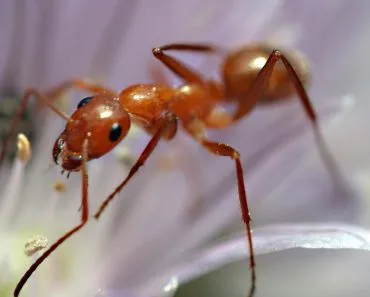
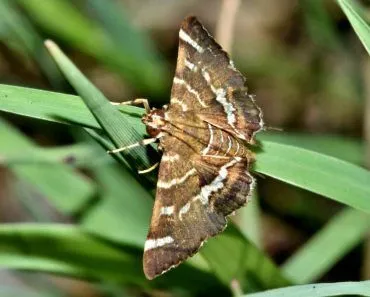
Blue jays are omnivores. The bulk of their diet is plant matter: acorns, beechnuts, sunflower seeds and other nuts and seeds, plus berries and fruit like blueberries, cherries and grapes. They also eat insects (caterpillars, beetles, grasshoppers), earthworms, mealworms at feeders, and (less often) other birds’ eggs, nestlings and small vertebrates. Around people they happily steal picnic scraps.
If you have ever taken a leisurely stroll through the springtime woods in the eastern or central regions of the United States, then you know how rich the natural landscape can be. Covered in lush greenery and teeming with life, even the air is filled with the sound of local creatures. On that same walk, you may remember a flash of cerulean blue from the corner of your eye–a blue jay! Known as some of the most intelligent and resourceful birds in nature, blue jays have a recognizable call, an unmissable color, a strong personality and unique dietary patterns. So… what exactly do blue jays eat?
Blue Jay Overview
Blue jays are small corvids (of the family Corvidae) bearing the scientific name Cyanocitta cristata. If you’ve never seen a blue jay in real life, you have almost certainly seen a picture, as they are quite photogenic and difficult to miss! They are strikingly beautiful birds with a bright blue head/crest, wings and tail, boldly declaring their presence with a familiar “Jay! Jay!” call, though they can also mimic hawks and other birds of prey with different calls.
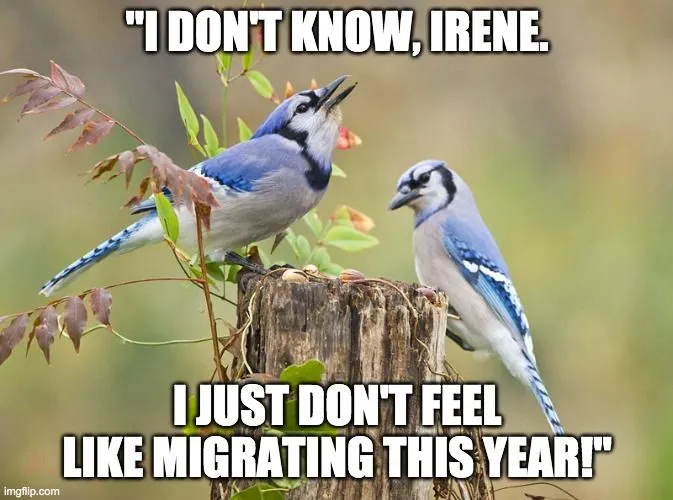
These birds are about the size of a teacup, weighing between 2 and 4 ounces, and adults range between 9-12 inches from beak to tail. Found throughout the eastern and central United States and southern Canada, blue jays have also recently expanded their range northwestward, where they now turn up as rare but regular winter visitors along the Pacific coast. Speaking of migration, blue jays are quite unpredictable; some individuals will winter in all parts of their annual range, unlike Canadian geese, for example, who all make some level of migration. Even the same blue jay individuals and families will be inconsistent in their migrating, making a long journey one year, and then staying put the next!
These are social birds, but prefer smaller groups, often forming monogamous partnerships and family groups, or small flocks of up to 250 birds (particularly during migration). Blue jays are extremely smart, like others in the Corvidae family (i.e., ravens and crows), displaying problem-solving skills, ingenuity in feeding strategies, and excellent defensive measures. Blue jays are slow in flight, making them an easy target for birds of prey; however, their hawk-mimicking call may serve as a warning system for other members of the species as soon as a predator is spotted. Their intelligence may be connected to their unusually long life span. While most medium-sized birds have a life expectancy between 5-7 years, the oldest blue jay to date was nearly 27 years old!
Not only are these birds eye-catching and clever, but they are also fiercely territorial, and aren’t afraid to gang up on imposters and invaders to their spaces. Backyard bird enthusiasts often dislike blue jays because they can bully other smaller birds, preventing them from accessing feeders.
Blue Jay Diet
These long-lived, tough and intelligent birds need a lot of energy for all their activities, so it makes sense that their diet is so flexible! Blue jays are omnivores, meaning they eat both animals and plants, and depending on the accessibility of food and the season, an individual bird’s diet may fluctuate widely over the course of the year.
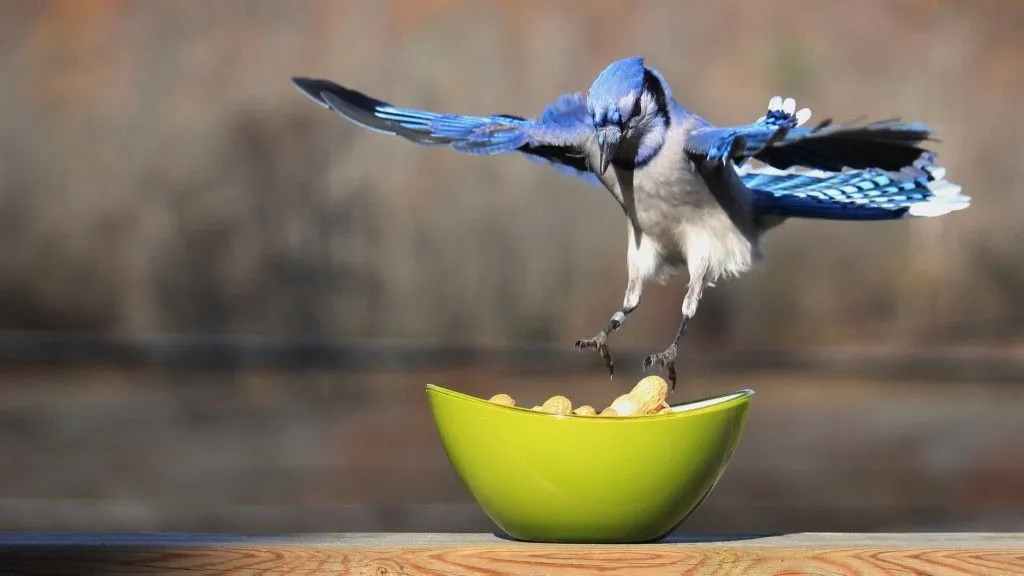
In terms of their plant preference, blue jays will seek out seeds, nuts and acorns, all energy-rich and widely available. In some cases, these birds will also bury acorns they find, but may not return to retrieve the meal, thus helping to facilitate forest growth. Blue jays are opportunistic, so a bird feeder in their area filled with seeds will be a popular and low-effort source of food.
They also fill out their diet with caterpillars, beetles, grasshoppers, earthworms and other insects. Backyard feeders stocked with mealworms are reliably popular, particularly in the breeding season when adults are hauling protein back to the nest. Blue jays also love sweet fruit and berries: blueberries, cherries, grapes, elderberries and serviceberries are all on the menu. But what really sets these birds apart is their willingness to raid other species’ nests, eating the eggs and even the newly hatched young. As mentioned, these are very territorial birds, so other nests in their area are vulnerable to blue jay attacks, or kidnapping/consumption of young nestlings. Some birds in blue jay territories will deposit their eggs in a blue jay nest (often cowbirds), hoping for some free parenting for their offspring, but blue jays are difficult to fool. Rather than treating the egg as their own, they will recognize the imposter and enjoy it as a very nutritious meal!

Mimicking Human Diet
Their final source of food is none other than human beings, who not only have a lot of delicious resources, but are quite irresponsible with them! Farmers have often reported seeing blue jays waiting for seeds to be thrown out before coming in for a feast. These clever birds will also swoop down and snatch up food from picnic tables once your back is turned. They can learn and adapt to human food very rapidly, and will boldly seek it out once they’ve been introduced. Whether it is chips, bread, fruit, candy and anything in between, blue jays will try to steal a snack when possible.
It has been shown that blue jays have remarkable visual acuity and a heightened ability to differentiate between types of objects and foods; this means they can work quickly to find food. There have even been limited examples of tool-using in blue jays, a common measurement of cognitive ability in animals.
If anything clearly proves the intelligence of these birds, it is their prowess in always finding some type of food source!
How Do Blue Jays Crack Acorns Without Teeth?
Here is something that catches a lot of people off guard: blue jays, like every other bird, do not have a single tooth in their head. So how does a bird the size of a teacup get into a rock-hard acorn? The answer is a mix of brute force and clever anatomy. A blue jay will pin a nut or acorn under its feet and hammer at it with its sturdy, pointed bill until the shell splits, then scoop out the nutritious meat inside. Whatever it swallows whole gets ground down further in the gizzard, a muscular chamber in the stomach that does the grinding our molars would. (If you have ever wondered how birds manage without a mouthful of teeth, we have a whole piece on why birds don’t have teeth.)

Blue jays are also champion food hoarders, and they come well equipped for the job. They carry acorns in the throat and upper esophagus, a stretchy region often called a gular pouch. A single jay can stash two or three acorns in the pouch, hold another in its mouth and balance one more on the very tip of its bill, then fly off with five acorns at once to bury for later. Those trips add up quickly: over a single autumn, researchers tracking six radio-tagged blue jays found that each bird cached somewhere between 3,000 and 5,000 acorns.
All that burying has a remarkable side effect. Because jays carry acorns far from the parent tree (a classic Virginia study tracked them moving roughly 133,000 acorns, some as far as 1.9 km (1.2 miles) away) and never come back for every single one, they effectively plant new oak trees. Scientists credit blue jays with helping oak forests spread rapidly northward after the last ice age. Not bad for a bird without a single tooth!
What Do Baby Blue Jays Eat?
Adult blue jays may be content munching acorns and stolen potato chips, but their chicks eat a very different menu. Newly hatched nestlings are blind, naked and growing at a furious pace, and that growth runs on protein. So instead of nuts and seeds, parent jays pack the nest with soft, animal-based food, above all insects and their larvae. Caterpillars are a favorite, since they are rich in protein and have no tough exoskeleton for a tiny chick to struggle with.

For the first week or so after hatching, the male does almost all the grocery runs, delivering food to both the brooding female and the nestlings. About halfway through the nestling period the female begins foraging too, and together the pair keeps up a steady delivery of grubs, beetles and other small prey. It is a useful reminder that the often-quoted “roughly three-quarters plant” blue jay diet is an annual average: during the breeding season, when there are hungry mouths in the nest, the balance tips sharply toward insects.
By the time the young jays fledge and start trailing their parents around the yard, they gradually graduate onto the adult diet of seeds, nuts, fruit and the occasional human handout, learning by watching exactly where the good food is hidden.
What Should You Put Out to Attract Blue Jays?
If you want these bold, brassy birds visiting your yard, the good news is that blue jays are easy to please. Their three favorite feeder foods are peanuts, sunflower seeds and suet. Whole peanuts still in the shell are a particular hit; jays will pry them open or simply cart them off to cache, and they will happily clean out black-oil sunflower seeds too. A block of high-energy suet rounds out the spread, especially in cold weather.

Because a blue jay is a big, heavy customer compared to a chickadee or finch, it tends to struggle on small hanging feeders. Cornell’s bird experts suggest offering food on a roomy tray or platform feeder, or a hopper feeder mounted on a sturdy post, so the jays have a stable place to land. Scatter a little cracked corn or a few peanuts on a flat surface and you will usually have visitors within days.
Want to go beyond seed? Blue jays have a genuine sweet tooth for fruit, so a handful of berries such as blueberries or grapes, or a few mealworms during nesting season, can tempt them in as well. Just be warned: jays are loud and territorial, and a determined group may dominate the feeder and bully smaller birds away, so it helps to keep a few separate feeders around the yard for everyone else.
A Final Word
Blue jays are not only some of the prettiest birds in North America, but also some of the most intelligent, daring and resourceful! Their diets vary widely, so they always seem to keep themselves fed, whether it is the grubs and creep-crawlies in the ground, the seeds from a nearby harvest, or the leftover bits from a picnic in the park. Unlike some birds who stubbornly stick with a limited dietary resource, blue jays seem to have an appetite for anything!
References (click to expand)
- Blue Jay.
- Darley-Hill, S., & Johnson, W. C. (1981). Acorn dispersal by the blue jay (Cyanocitta cristata). Oecologia. Springer Science and Business Media LLC.
- Mackintosh, N. J. (1988, November). Approaches to the study of animal intelligence. British Journal of Psychology. Wiley.
- Jones, T. B., & Kamil, A. C. (1973, June 8). Tool-Making and Tool-Using in the Northern Blue Jay. Science. American Association for the Advancement of Science (AAAS).
- Yoerg, S. I., & Kamil, A. C. (1988, September). Diet choices of blue jays (Cyanocitta cristata) as a function of time spent foraging. Journal of Comparative Psychology. American Psychological Association (APA).
- Blue Jay Life History. All About Birds, Cornell Lab of Ornithology.
- Blue Jay Overview (Cool Facts). All About Birds, Cornell Lab of Ornithology.
- Blue Jay. Audubon Field Guide. National Audubon Society.
- How to Choose the Right Kind of Bird Feeder. All About Birds, Cornell Lab of Ornithology.