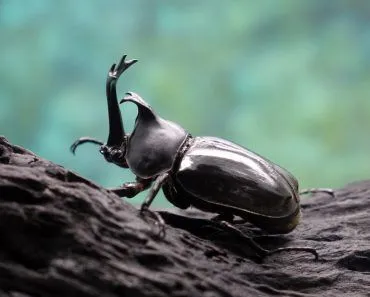
If all insects vanished, civilization would collapse within months. Pollination would fail (around 75% of leading food crops depend at least partly on animal pollinators, mostly insects), the food chain would unravel as birds, fish, reptiles and small mammals lose their main food source, and dead plants, animals and dung would stop decomposing. Studies since the 2017 Krefeld report show insect biomass has already fallen by 75% or more in some regions, making this less of a thought experiment than it sounds.
Have you ever wished for the sweeping, merciless doom of all the creepy crawlies on the planet! It is natural to dream of a world without these tiny little beasts having the audacity to lurk around you and give you the chills.
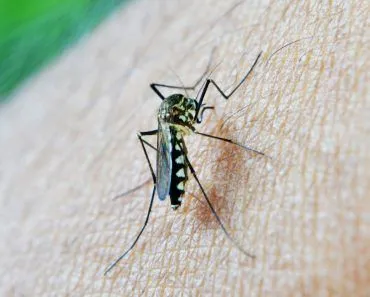
First of all, picnics would be much more pleasant after their departure, as would gardening. With no tiny bugs to irritate your soft skin, sleeping on a luscious bed of tender grass would be a heavenly respite. Rain would be more enjoyable, as would nighttime naps under your favorite tree. Would the world be a better place if all the insects disappeared? Do these bugs contribute anything to this planet other than Zika and malaria?
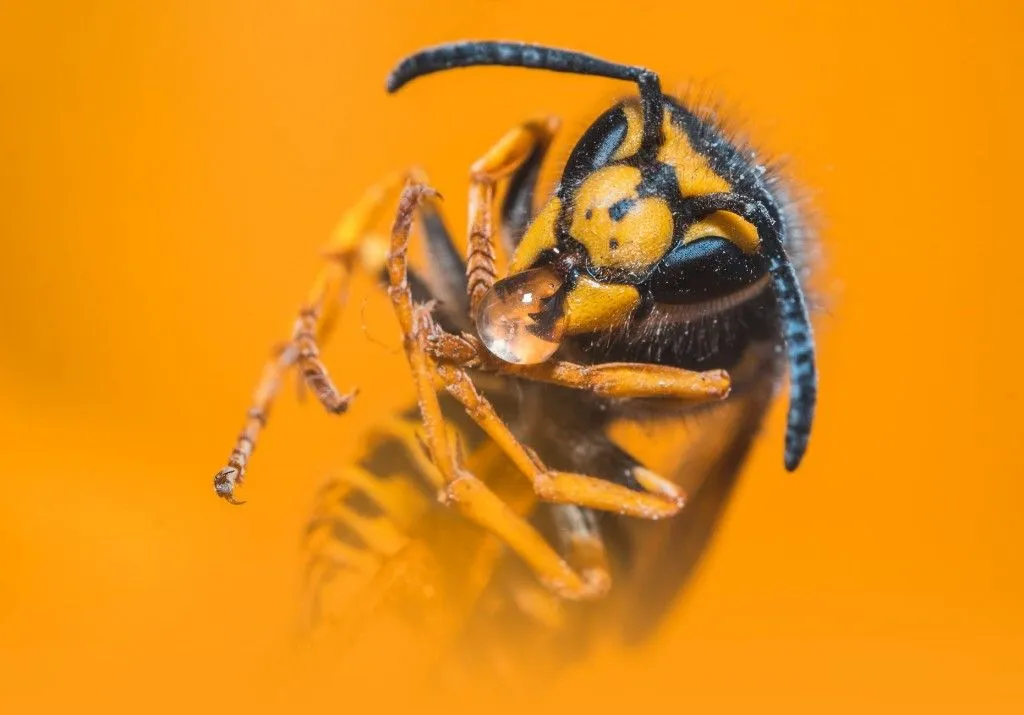
To your great amazement, our planet needs insects as much as we do. Without insects, our world would fall apart. However, before we get into that potential catastrophe, let’s see why these creatures have earned themselves such a bad reputation.
The Creeps Of These Little Crawlies
If you think that bugs only exist to give you the creeps and chew on freshly grown crops in your garden, you might not be completely wrong.
Firstly, let’s take a swift rundown of what is and isn’t an insect?. The Insecta class consists of only invertebrate bugs with bodies divided into three segments: the head, thorax and abdomen. They also have a pair of antennae and three pairs of legs. Most insects use wings to fly around. Spiders are not insects, as they have only two crucial body parts (the cephalothorax and the abdomen) along with two pairs of creepy hairy legs. Centipedes, which boast up to 177 pairs of legs, aren’t insects either.
The rest of these “insects” may deserve your righteous scorn! With the ability and necessity to adapt (prevalent in all creatures), most insects have developed an utterly unpleasing demeanor. This includes overgrown spiky-haired arms, spindly legs, bulging eyeballs, bloodsucking tweezers for teeth, and the potential to carry more than a hundred thousand different bacteria.

Their painful stings cause skin irritation and in the worst-case scenarios, spread diseases like Zika, Malaria, Dengue, Yellow Fever, Plague, Trench fever, Filariasis, Lyme disease and hundreds more you might not have heard of, from bugs you might never have encountered before.
However, 90% of insects are not only harmless, but actually beneficial to both us and the planet. “Baffling”, right?
Just How Bad Can Their Absence Be?
If all the insects living on this planet were dropped onto a scale, they would easily weigh 300 times more than all the existing humans “combined”. Ants alone would outweigh humans in this sort of comparison.
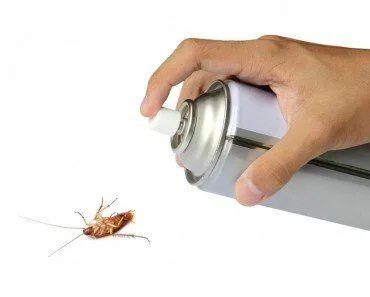
Now, envision our planet with all that weight suddenly off its shoulders. What a relief! Farmers might be the first to celebrate, as they would no longer be shelling out money to buy chemical pesticides and insecticides to save their harvest from the ravenous pests.

However, that celebration wouldn’t last very long. Soon enough, you and all your fellow humans would be starving.
An Integral Part Of The Food Chain
Aside from those bold adventurers who like snacking on grasshoppers and crickets out in Thailand, let’s check out the palatable prestige of these critters.
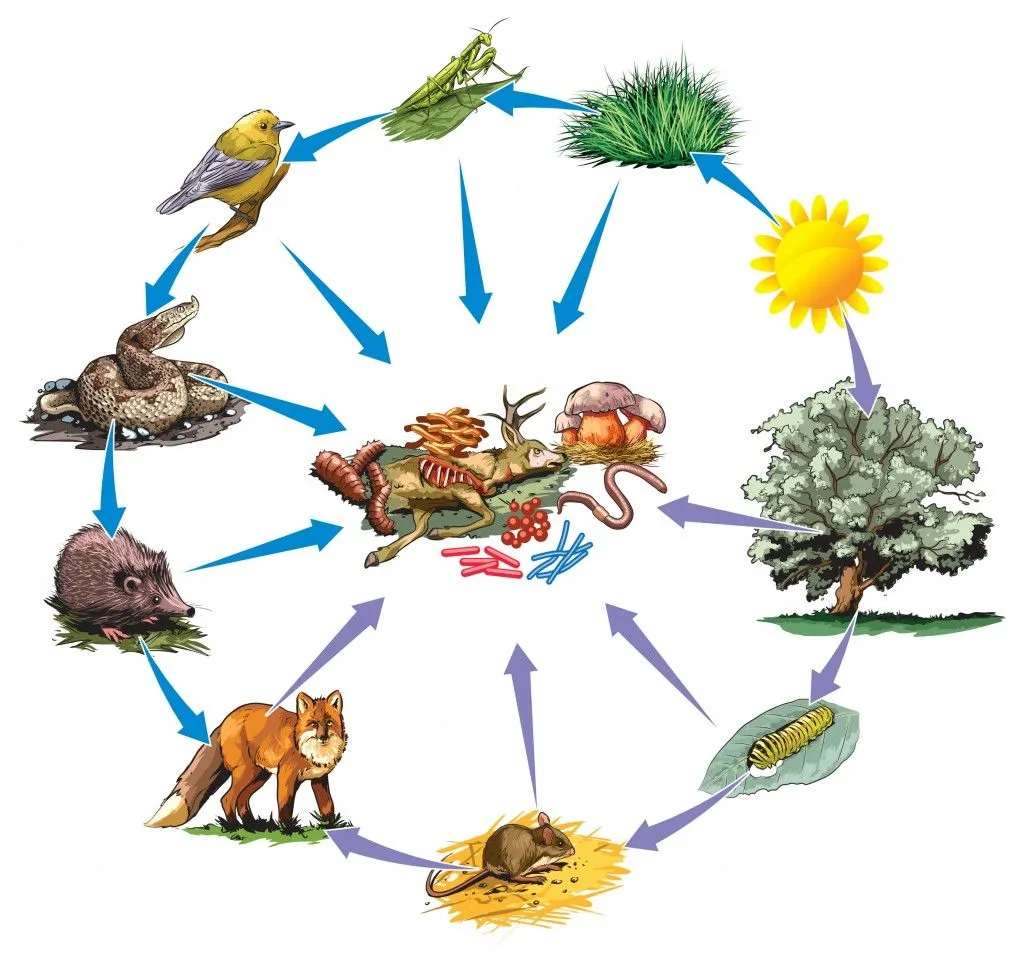
Humans might be the top predators in the planet’s food chain, but insects are the creatures that have held the chain together, serving as grub for small birds, reptiles and frogs. Imagine if all these insects vanished… these small feeders would cease to exist long before they were able to adapt to a different kind of foodstuff. Soon enough, the animals feeding on those “insectivores” would also start perishing, sending the food chain into a tizzy. Nature feeds no favorites, so eventually, this disruption would work its way up to humans.
Thinking Of Going Vegan?
Wrong again.
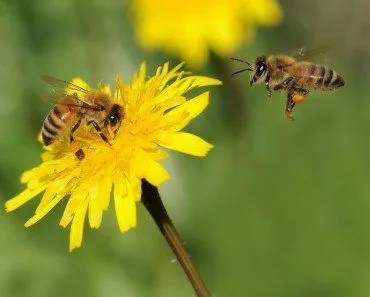
85% of all plant life on Earth is composed of flowering plants that reproduce through pollination. Insects, being the most efficient pollinators by physically transferring the pollen from the male anther to the female stigma of a flower, make this all happen.
Although the role of bats, birds and even wind cannot be denied; bees, butterflies, wasps, moths, and flies are integral when it comes to pollinating flowers that are too small for a beak to fit or too sturdy for winds to blow their pollen. 50-90% of your diet comes from those flowering plants, directly and indirectly. With all the insects gone, there would be no vegetables in your stew, no fruit on your fruit platter, no rice in your rice cakes and no wheat in your bread. You can go ahead and try to eat whatever is left in that dish.

It wouldn’t matter if you were a vegetarian or a meat-lover… with no food for your food, you would stand no chance of long-term survival. Left to slowly starve on a planet piled high with organic waste waiting to be decomposed, without any sign of insects (the principal decomposers of dead leaves and animals), humans would begin dying of starvation and lung infections.
What Would Happen If Flies Went Extinct?
Of all the insects you would happily wave goodbye to, the humble fly probably tops the list. Yet swatting the last one out of existence would cost us far more than a peaceful picnic. After bees, flies are the most important pollinators on the planet, quietly servicing more than 100 crops and hundreds of wild flowers. Hoverflies (family Syrphidae), which cleverly disguise themselves as wasps, and blow flies do much of this unglamorous work, poking into blooms that are too small or too smelly for a bee to bother with.

Then there is chocolate. The cacao tree hides its blossoms in tight, fiddly little flowers that bees find almost impossible to work. Almost the entire job is left to a tiny midge, Forcipomyia squamipennis, a fly barely visible to the naked eye. No midges, no reliable pollination, and the world's chocolate supply would be in genuine trouble. So the next time a fly gatecrashes your dessert, remember that its relatives may well have helped put it there.
Flies also work the graveyard shift. Blow fly maggots are among the very first cleanup crew to arrive at a carcass or a fresh cow-pat, breaking it down and recycling those nutrients back into the soil. Both the adults and their wriggling larvae are a staple meal for birds, fish, frogs and bats, so removing them would yank another rung out of the food chain. Flies have even earned a place in the operating theatre: sterile larvae of the green bottle fly, Lucilia sericata, are used in hospitals in a treatment called maggot debridement therapy, where they gently eat away dead tissue from stubborn, non-healing wounds. Not bad for a creature we spend all summer swatting.
What Would Happen If The Insect Decomposers Vanished?
We have already seen that insects tidy up the dead, but it is worth pausing on just how much heavy lifting they do. Picture every fallen leaf, every dead animal and every dropping from every grazing cow simply refusing to rot. Without insect decomposers, the planet would slowly smother under its own waste, and the nutrients locked inside all that dead matter would never find their way back into the soil to grow the next generation of plants.

Dung beetles are the unsung heroes here. By burying animal droppings to feed on and lay their eggs in, they clear pastures, fertilise the ground and rob pest flies of a nursery, all for free. One often-cited study by ecologists John Losey and Mace Vaughan put the value of this single "dung burial" service to United States ranchers at more than $380 million a year, part of an estimated $57 billion that insects hand the US economy annually through pollination, pest control, wildlife food and waste disposal.
Australia offers a cautionary tale of what happens when the decomposers cannot keep up. Its native dung beetles had evolved alongside kangaroos, wallabies and wombats, and were built for small, dry, fibrous marsupial pellets. When settlers introduced cattle, the beetles simply ignored the large, sloppy pats, which then smothered pastures and became a breeding ground for bush flies. Beginning in the 1960s, the CSIRO imported dozens of exotic dung beetle species from Africa and Europe to bury the mess and bring the flies under control. It is a vivid reminder that decomposers are the reset button of an ecosystem: remove the insects that press it, and dead matter piles up while the living slowly starve for the nutrients trapped inside it.
Other Benefits Of Having Insects Around
Insects are essential due to their diversity and ecological role, as well as their influence on human health and natural resources.
China annually produces around 30,000 tons of raw silk, accounting for 80% of the world’s supply. This silk is produced from the cocoons of the Silkworm, Bombyx mori. Lac is a vital ingredient in shoe and floor polishes, as well as insulators, varnishes and printing inks. This is a product obtained from the Lac Scale insects, Laccifer lacca, most of which is produced in India. Britain, on the other hand, imports a million pounds of beeswax every year to use as a base for polishes, ointments, candles, creams, lipsticks and other wax-based cosmetics.
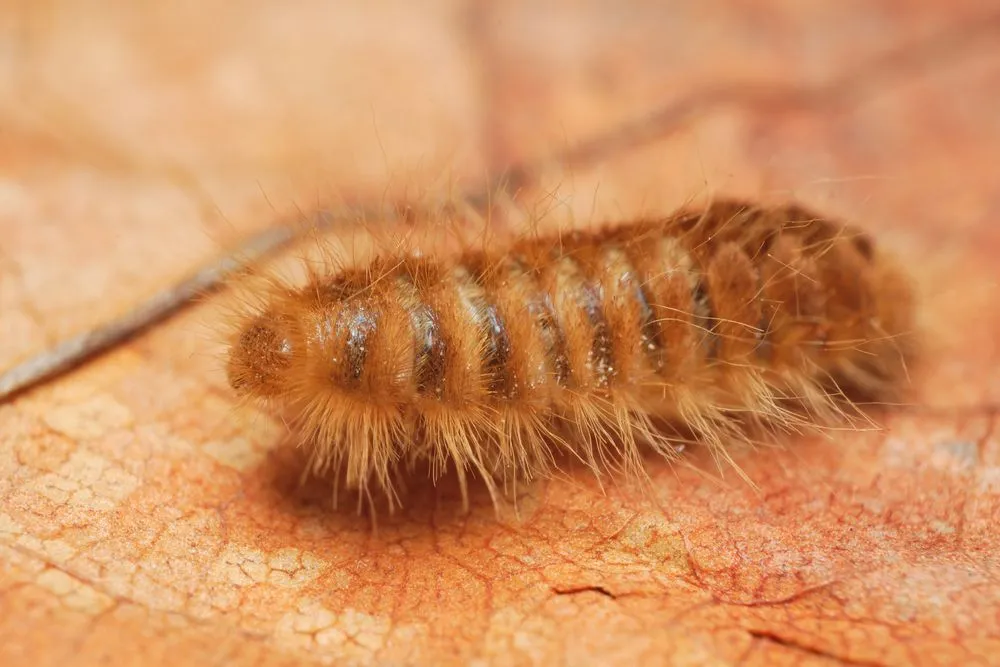
Jaw-dropping indeed, carpet beetles (small insects) will feed on almost every undesired type of organic material, including carpets, and even other dried insects in collections! Established colonies of Skin Beetles are used to clean skeletons of rotting flesh.
Lastly, let’s not forget about the alluring and captivating butterflies and beetles, fluttering their carefully crafted pinions, flashing their vibrant colors in the patterns elegantly casing their fragile bodies. How gloomy would basking in the Sun be without cicadas chirping, butterflies momentarily pulling your gaze as they flutter by? Insects not only ensure that life continues on this planet, but they also make existence a lot more interesting!
References (click to expand)
- Diseases Caused by Insects and Arachnids. The Smithsonian Institution
- Diseases transmitted by insects and ticks - CMETE. cmete.com
- Risks posed by dead bodies after disasters. The World Health Organization
- Importance of Insects - Purdue University. Purdue University
- Meet the Pollinators: Flies. Cornell Cooperative Extension
- Losey & Vaughan, The Economic Value of Ecological Services Provided by Insects. BioScience
- Dung beetles control buffalo and bush flies. CSIRO
- Maggot Debridement Therapy with Lucilia sericata. National Library of Medicine (NIH)