Table of Contents (click to expand)
If bees went extinct, wind-pollinated grains like wheat, rice and corn would survive, so humanity probably wouldn’t vanish. But most fruits, nuts and vegetables that depend on bee pollination would collapse, triggering food shortages, a far poorer diet and serious ecosystem damage. Bees are disappearing mainly because of pesticides and parasitic Varroa mites.
For many of us, bees are annoying. We think that their only purpose is to keep buzzing around and dropping their formic acid-laden stings on random people (this impression will certainly change when we stop getting spoonfuls of sweet honey in our morning cereal).
The truth is, bees are crucial elements of our environment, and almost never get the credit that they deserve.
Lose the bees and we wouldn’t go extinct, but we’d be in serious trouble.
Of the 100 crop species that provide roughly 90% of the world’s food, more than 70 are pollinated by bees. Crops that depend on animal pollinators (overwhelmingly bees) account for about 35% of global food production by volume (source). The staple grains that keep us alive (wheat, rice and corn) are wind-pollinated and would survive. What we’d lose is most of the variety: the apples, almonds, berries and coffee that make a diet worth eating.
Bees are the primary initiators of reproduction among plants, as they transfer pollen from the male stamens to the female pistils.
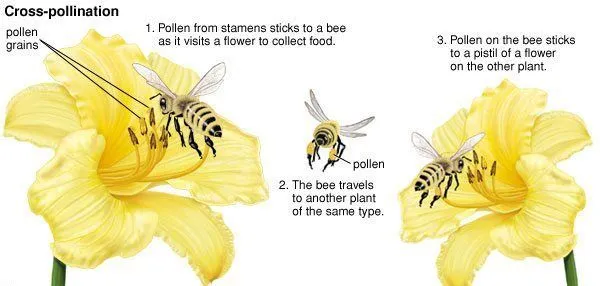
Since 2006, the population of bees has declined considerably (source). Pesticides, disease, parasites, and poor weather due to global warming have played a major role in this worrying decline.
Are Bees Endangered?
Bee populations have been on a decline in recent years. Some species have been added to the US endangered species list to protect and revive their numbers. In 2016, seven species of Hawaiian yellow-faced bees (genus Hylaeus) became the first bees in the country to be listed, and in 2017 the rusty-patched bumblebee (Bombus affinis) became the first bee in the continental US to gain that protection. There have been a number of reasons for this decline. Let’s take a look at a few of them.
Why Are Bees Endangered?
Bees are going extinct mainly because of two reasons: pesticides and parasites.
Pesticides
Since the end of World War II, the use of synthetic pesticides in agriculture has increased exponentially.
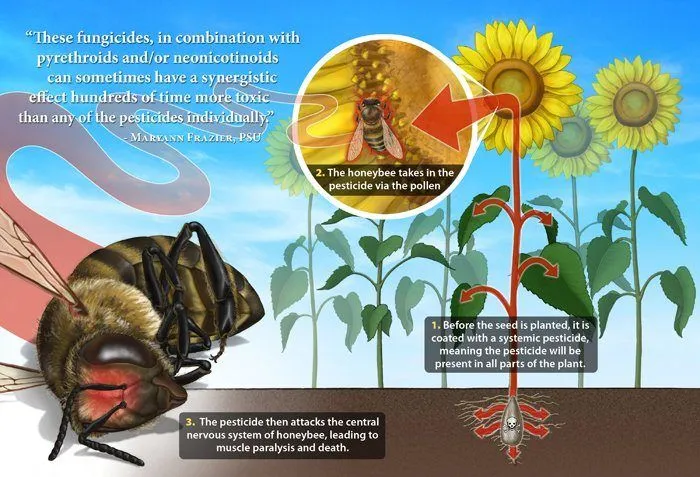
One class in particular, neonicotinoids (insecticides introduced in the 1990s that affect the central nervous system of insects, resulting in paralysis and death), has had a major role in the bees’ decline (source). When bees are exposed to neonicotinoids, they go into a shock and forget their way home (sort of like the insect version of Alzheimer’s).
Parasites
Along with pesticides, parasites known as Varroa mites (Varroa destructor) are also responsible for their death (source). Varroa can only reproduce inside a bee colony, and they attack adult and young bees alike. For decades they were described as blood-sucking, but research published in 2019 showed that they actually feed on the bee’s fat body, an organ that works like a combined liver and immune system, which helps explain how badly they weaken their hosts (source). They also spread viruses such as deformed wing virus, and the damage can leave bees missing legs or wings, essentially killing them.
Colony Collapse Disorder
Beekeepers started reporting a sudden reduction in the number of bees. The adult bees disappeared suddenly and mostly together. The hives were left with just the queen and immature bees. Even the food was present in high quantities. In some cases, few adult bees were found attending to the queen. Reasons mentioned above are two of the many factors that play a role in this disorder.
The problem has not gone away. The 2024 to 2025 season was one of the worst on record for US beekeepers, with commercial operations losing an estimated 60 to 70% of their colonies (source). Researchers have linked much of that die-off to Varroa mites that have grown resistant to amitraz, one of the main chemicals beekeepers use to control them.
Effects Of Bee Extinction
Extinction of bees will affect plants, animals, availability of fuels, topography, clothing and of course, human life.
Effects on plants
Some plants are pollinated by wind, but that rate is very slow. Insects are the primary pollinators on the planet. Beetles and butterflies also pollinate, but bees are the most efficient insects for this purpose. Without bees, we wouldn’t be able to savor delicious apples, cherries, and many other fruits and veggies (blueberries, avocado, broccoli, most leafy greens, cucumbers, pumpkins, and many more). Almond trees would be among the first casualties.
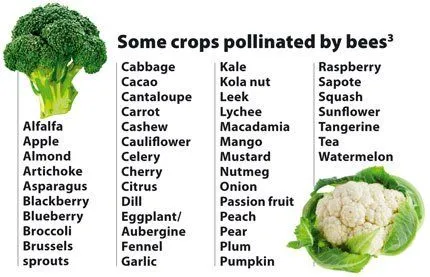
If bees went extinct, there would be a massive decline in the production of crops. Although crops like rice and wheat don’t require insect pollination, can people survive by eating rice and bread all their life?
Effects on animals
Herbivores, who depend on certain plant species, will be affected first. They would go extinct if plants ceased to exist. For example, many cattle used for milk and meat depend on alfalfa and lupins, both of which depend on insect pollination. If the cow’s food supply declines, then meat and milk production will decrease. This will seriously affect the human diet.
Due to the declining population of herbivores, tertiary carnivores will begin to suffer immediately. The only beneficiaries from this scenario would be scavengers (eagles, vultures, ravens etc.)
Fuel
Canola, which is grown to use as both a fuel and cooking oil, depends highly on pollination. It is also used to produce biofuel. If we were to run out of biofuel, we’d have to rely on fossil fuels completely, thus putting further pressure on the environment.
Clothing
Cotton is very reliant on pollination. The disappearance of bees will lead to a huge setback in cotton production, as it will significantly reduce our choices in clothes (good luck enduring the humidity of the tropical regions while wearing nylon attire).
Topography
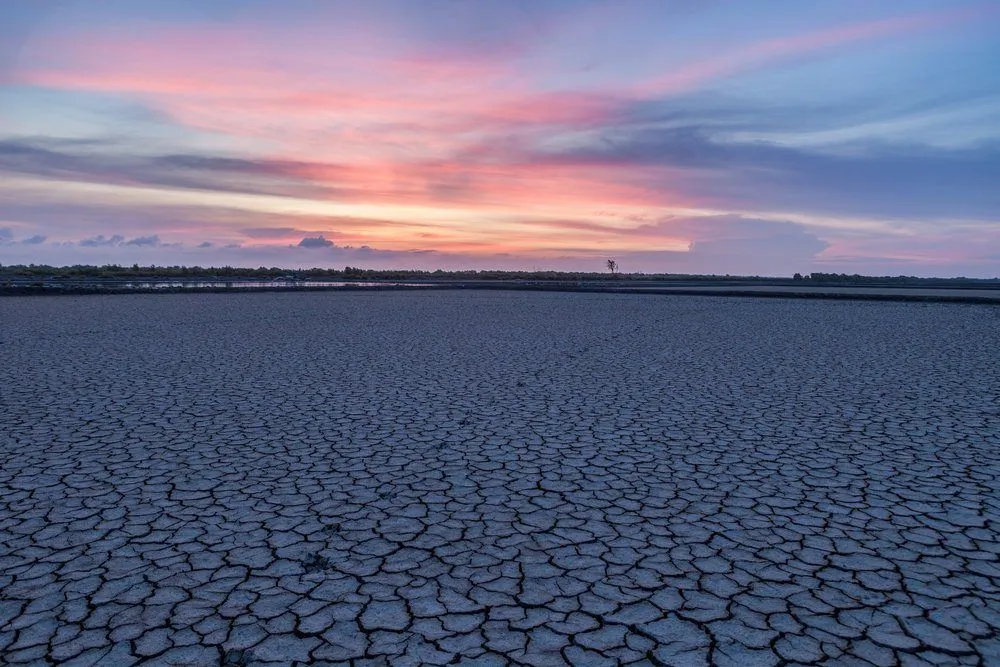
Since most plants would be unable to grow, grasslands would become barren and large-scale desertification will take place. Landslides would wipe out villages in one sweep. Ultimately, Earth will become one large plastic-laden desert.
Effects Of Bee Extinction On Human Life
Less production of food crops will ultimately lead to worldwide famine. Hunger and poverty will be very common. Freshwater would start drying up too, as there would be fewer trees and plants to hold water in the soil. With less water and diminishing food, the poorest regions would be hit by thirst and starvation first. Wind-pollinated staples like wheat, rice and corn would keep us fed at a basic level, so a total human extinction is unlikely, but the world that survived would be hungrier, less stable and far less green.
Unless scientists could build robotic bees to do the jobs that honeybees once did, recovering that lost variety would be enormously difficult. And although it is far from the most serious repercussion, we would never again taste that sweet, savory honey that we forcibly steal from honeybees every day.
The tragic irony of this is that by killing bees, we’re only hurting ourselves. Our survival depends on the health of the planet and its species, and unless we begin to face this fact, we will continue to contribute to our own demise. Unless we take drastic measures to save the bees, the planet’s survival is in doubt.
References (click to expand)
- Importance of pollinators in changing landscapes for world crops. Proceedings of the Royal Society B.
- Bees in Decline - sos-bees.org
- Alfalfa for Dairy Cattle - www.uaex.edu
- How Neonicotinoids Can Kill Bees - ento.psu.edu
- Varroa Mites Infesting Honey Bee Colonies | Entomology - entomology.ca.uky.edu
- Varroa destructor feeds primarily on honey bee fat body tissue and not hemolymph. PNAS (2019).
- 2025 Colony Losses. WSU Honey Bees + Pollinators Program, Washington State University.