Table of Contents (click to expand)
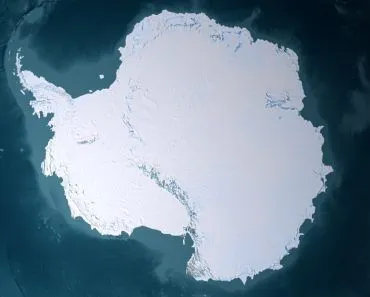
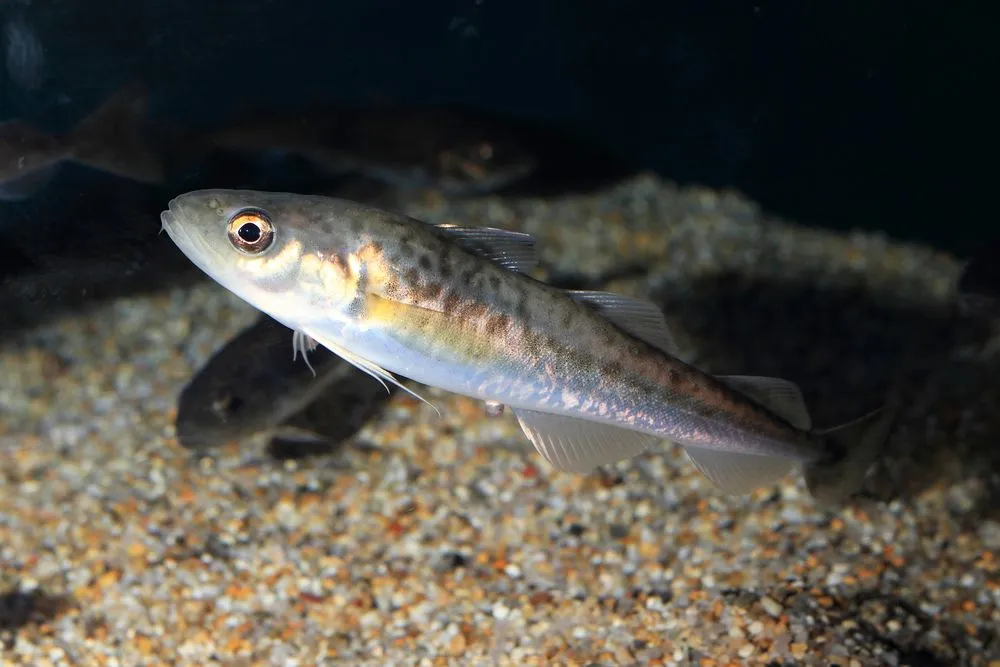
Fish in the Southern Ocean around Antarctica don’t freeze to death, even though the seawater sits near -1.9°C (28.6°F), because their blood is full of antifreeze glycoproteins. These proteins latch onto tiny ice crystals and stop them from growing big enough to harm the fish’s cells.
The South Pole is as inhospitable a place as they come. Temperatures lie far below the freezing point, with strong gusting winds and not a tree in sight. It’s a wonder anything can live there. What really baffles me is how creatures as vulnerable as fish are able to live there. (To be precise, no fish live at the pole itself, which sits on a thick ice sheet far inland. The ones we’re talking about swim in the Southern Ocean, the ring of frigid seawater that encircles Antarctica.)
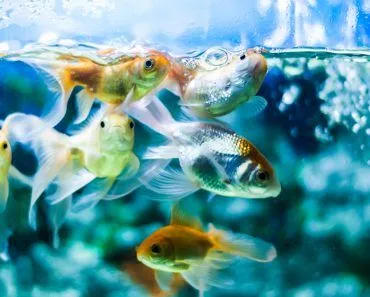
Have you ever had a pet goldfish? If so, then you know how sensitive they can be to change. I can’t tell you how often I’ve woken up to my dear pet floating upside down in my sad little fishbowl. So what makes fish so vulnerable to change? How do fish swimming in the frigid waters of the South Pole survive?
Cold-blooded Creatures
Fish are cold-blooded, a phrase that we often hear, but what exactly does it entail? A cold-blooded organism is an animal whose body temperature is dependent on the environment around them. This is seen in almost all fish, reptiles and amphibians.
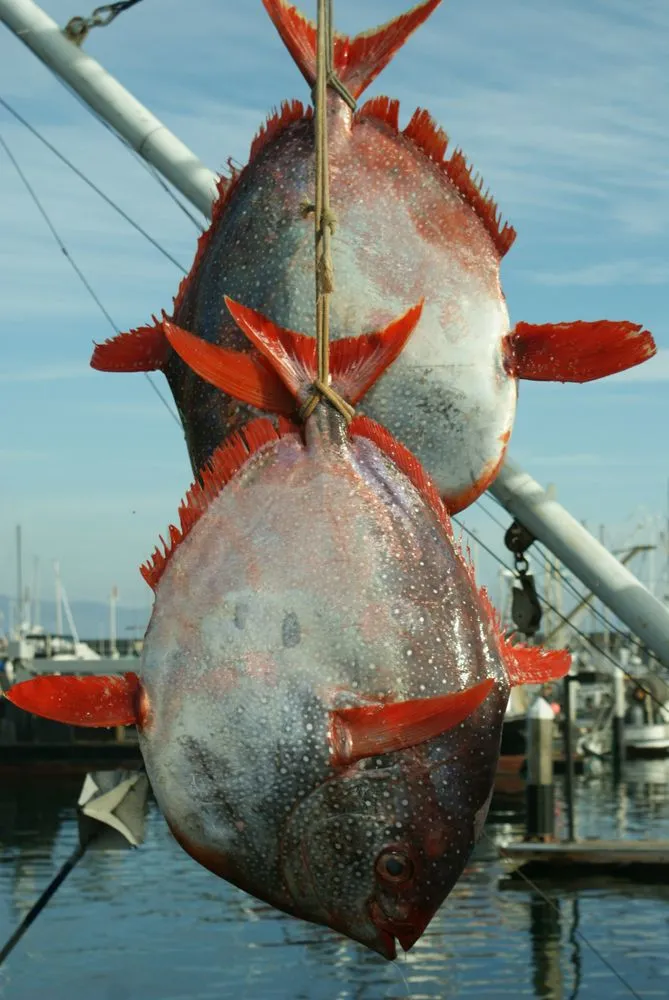
Warm-blooded animals, on the other hand, can maintain their own body temperatures. Most warm-blooded animals will have little trouble when adapting to a range of temperatures. This is mostly seen in mammals and birds. Some fish have adapted to have a warm-blooded system, like the Pacific blue-fin tuna, which exhibits an exchange of heat from the arteries and veins. The Opah, a fish found in Hawaii, is actually fully warm-blooded.
However, that’s not the case with the fish in the Antarctic Ocean. They have the composition of a cold-blooded animal, but have evolved an interesting adaptation.
The Dangers Of Freezing Temperatures
It is essential for blood to keep flowing throughout a living animal’s body. As we all know, blood carries oxygen and nutrients to all parts of our bodies, so what would happen to regular blood in the Antarctic region?
Well, for starters, blood is mostly water. Plasma, the straw-colored liquid that carries the blood cells, is roughly 90% water, and that water is exactly what gets into trouble in the cold. Because of the salt dissolved in the ocean, the freezing point of Antarctic seawater drops to around -1.9°C (28.6°F). At that below-zero temperature, ice crystals can start to form in an animal’s body fluids, and those crystals harm the cells (like needles poking the delicate balloons of our cells).
Animals like fish, which are cold-blooded, must find other ways to combat these freezing temperatures, as they cannot count on their body heat to save them.
So how exactly does this particular fish beat the frost? With anti-freeze in its blood!
Antifreeze Blood
Antifreeze refers to certain compounds that can be added to water to reduce its freezing temperature. The way a typical antifreeze works is by preventing the formation of ice crystals.
In Antarctic fish, these particular compounds are “antifreeze glycoproteins,” special proteins with sugar molecules attached that circulate in the fish’s blood. They are produced just like any other protein in the body (learn more in the “What does DNA do” part of this article). They were discovered by Dr. Arthur L. DeVries, now a professor at the University of Illinois, in the late 1960s, when scientists around the world were wondering how these fish were able to survive in such harsh conditions.
Now, what do these proteins do in order to prevent blood from freezing?
Ice forms when the water compresses into a specific crystal lattice. What this means is that water condenses as the molecules come closer and closer together, and as their intermolecular space decreases, the water molecules attract each other more strongly, creating a crystal lattice.
The antifreeze glycoproteins in the fish’s blood latch directly onto the surface of these tiny ice crystals. Once a protein is stuck to a crystal, water molecules can no longer attach at that spot, so the crystal can’t keep growing. The ice stays locked at a harmless, microscopic size. This opens up a gap between the temperature at which the ice would normally melt and the much lower temperature at which it can actually grow, a gap scientists call “thermal hysteresis.” It is exactly this trick that lets the fish keep liquid blood in seawater that would otherwise freeze them solid.
Curiously, this gripping action cuts both ways. A 2014 study by DeVries and his colleagues found that once the antifreeze glycoproteins bind to ice already inside the fish, they also stop that ice from melting, even when the surrounding water warms above the normal melting point. The proteins are, in effect, anti-melt proteins too, so a little internal ice can linger inside notothenioids through the Antarctic summer.
Interestingly, fish are not the only place we see this ability!
Antifreeze In Nature
Antarctic fish aren’t the only living creatures that have evolved this intriguing adaptation; antifreeze proteins are actually found in many other organisms.
This adaptation is seen in many primitive organisms, such as sea ice diatoms and certain bacteria, but it’s also seen in more evolved organisms like snow mould fungi and even certain beetles!
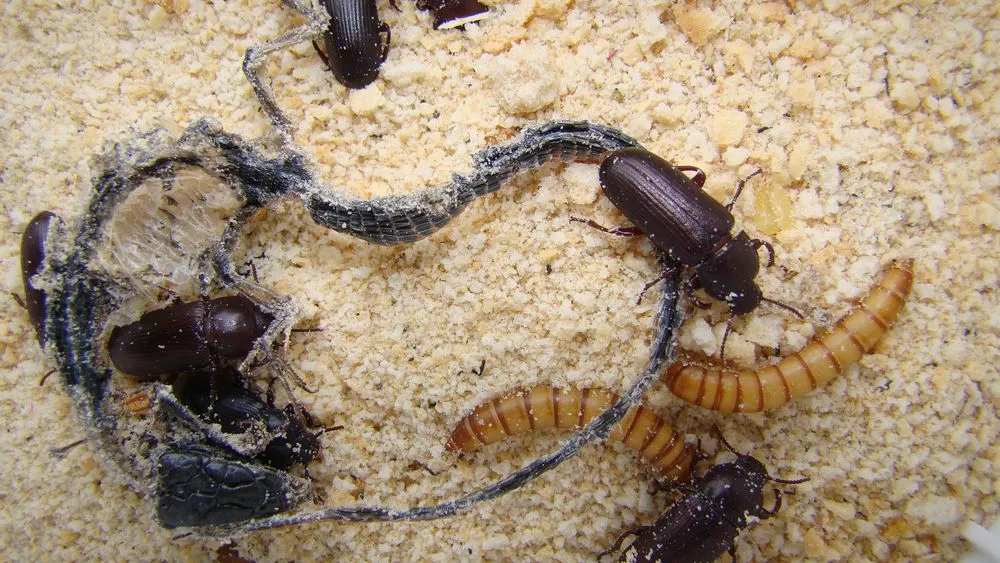
The interesting thing is that these adaptations evolved in different ways, but ended up accomplishing the same result. In the study of evolution, this phenomenon is known as convergent evolution. In simple terms, it’s like many different routes on a map that end at the same destination.
Conclusion
The exciting thing about these antifreeze proteins is that they could actually be useful to humans too!
They could be used as an applicant in cryopreservation, especially in medicine, when preserving tissue. These compounds could be used as a natural alternative to existing antifreeze compounds that are toxic to human bodies.
It could be used in agriculture as well. Frost damage is a huge damaging factor in plants, so using these natural polypeptide compounds could help plants survive through particularly harsh winters.
It’s exciting how unexpected discoveries in the natural world take a turn in innovating the way we live!
References (click to expand)
- Thermoregulation in homeothermic and poikilothermic organisms - EPA. The Environmental Protection Agency
- Are all fish cold-blooded? - NOAA's National Ocean Service. The National Ocean Service
- Molecular ecophysiology of Antarctic notothenioid fishes. Philosophical Transactions of the Royal Society B. PubMed Central (NCBI).
- Basu, D., & Kulkarni, R. (2014). Overview of blood components and their preparation. Indian Journal of Anaesthesia. Medknow.
- Pegg, D. E. (1987). Ice Crystals in Tissues and Organs. The Biophysics of Organ Cryopreservation. Springer US.
- Schaefer, V. J. (1952, June). Formation of Ice Crystals in Ordinary and Nuclei-Free Air. Industrial & Engineering Chemistry. American Chemical Society (ACS).
- Xiang, H., Yang, X., Ke, L., & Hu, Y. (2020, June). The properties, biotechnologies, and applications of antifreeze proteins. International Journal of Biological Macromolecules. Elsevier BV.
- Cziko, P. A., DeVries, A. L., Evans, C. W., & Cheng, C.-H. C. (2014). Antifreeze protein-induced superheating of ice inside Antarctic notothenioid fishes inhibits melting during summer warming. PNAS. PubMed Central (NCBI).