Table of Contents (click to expand)
Fish almost certainly don’t get thirsty the way we do. Saltwater fish actively drink seawater to fight constant dehydration. Freshwater fish don’t drink at all; water flows into them through their gills by osmosis (their blood is saltier than their surroundings), and they pee out the excess as dilute urine.
Freshwater fish don’t actively drink water by their mouth, because if they do, they run a high risk of having their blood diluted. However, seawater fish actively drink a lot of water to keep themselves hydrated at all times.
Humans, for the entirety of their lives, are constantly dependent on a few ‘tangible’ things; in other words, humans cannot possibly survive without a handful of things. Water, undoubtedly, is one of the most crucial of these human necessities.
Regarding our absolute dependence on water for survival, have you ever wondered if other creatures share this aquatic dependency? For the scope of this article, let’s narrow down the category of ‘creatures’ to creatures that are surrounded by water all the time – fish.
This may sound a bit strange, but do fish get thirsty too?
What Is Thirst?
This question is interesting because it involves the term ‘thirst’, which, in the most basic terms, is the urge to drink water. Humans show this desire in varying degrees (you can be just a little thirsty or I-can-gulp-the-whole-barrel-down thirsty). This drive to drink water is humans’ way of making sure that a healthy balance of water and salts is maintained inside their body.
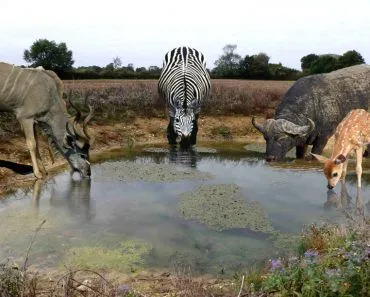
Not only humans, but all animals living on land, are faced by the threat of dehydration, and therefore drink water. In other words, these animals drink water when they feel thirsty.
Aquatic Animals
Thirst is an altogether different thing when we’re talking about creatures that dwell in water for the vast majority of their lives. Think of it this way: how would you ever feel hungry if you lived inside a pizza? Similarly, how can fish feel a strong urge to drink water (or be thirsty) when they are practically surrounded by water all the time?
However, it’s not as simple as that. Both freshwater and seawater fish show different behaviors when it comes to actively drinking water. This is further related to the anatomy of their bodies.
Freshwater Fish
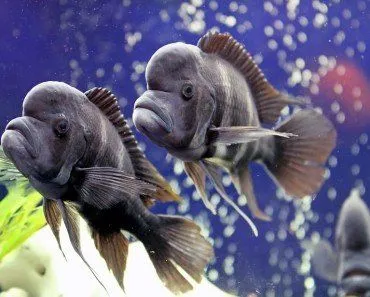
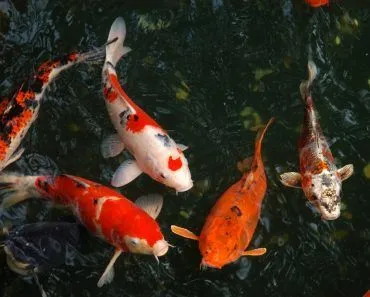
Freshwater fish (those fish living in fresh water, which doesn’t have a high salt content, like seawater) have blood with a higher concentration of salt than the water they are surrounded by. Therefore, they run a high risk of having their blood diluted if they drink water. This is why they don’t actively drink water to maintain the balance of salt and water inside their bodies. Instead, water seeps into them by the process of osmosis, mostly across their gills (the gill membrane has to stay permeable so the fish can breathe, while their skin and scales are nearly watertight). To get rid of all that incoming water, their kidneys churn out large volumes of very dilute urine.
Seawater Fish
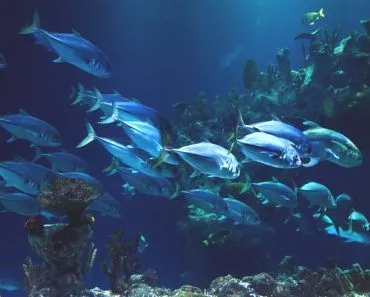
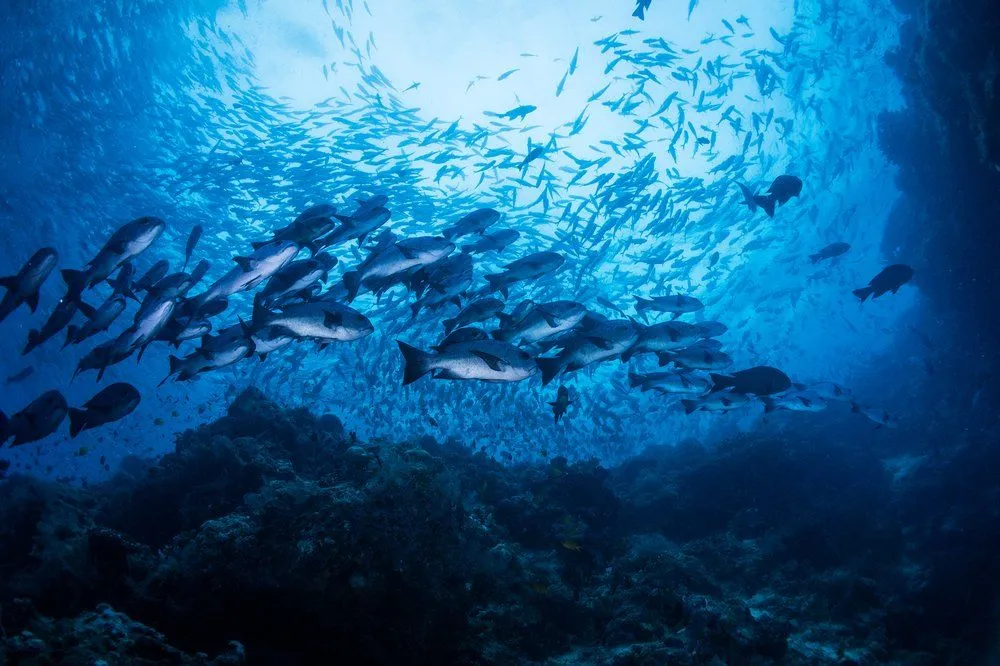
Since the salt concentration in the blood of seawater fish is lower than the water they are surrounded by (since seawater is highly saline), they are constantly threatened by dehydration, so they actively drink water.

They gulp seawater through their mouths and absorb the water in their gut, then deal with all that swallowed salt using specialized chloride cells in their gills that actively pump the excess salt back out. Their kidneys pitch in too, producing only a tiny trickle of concentrated urine so they hold on to as much water as possible.
Easy-peasy!
Do Fish Ever Get Thirsty?
They actively drink water, yes, but do they get thirsty? According to current thinking, probably not.

There are two reasons behind this; first, unlike land mammals who have to seek endlessly for water in order to stay hydrated, fish basically live in water, so they don’t really feel that strong of an urge to drink water. The other reason is that thirst, in fish, is more of a reflex that occurs without requiring a conscious decision on their part (unlike humans); it just happens. They don’t necessarily have to feel thirsty in order to drink water.
Well, isn’t that nice for fish? They don’t have that incredible urge to chug water after a rigorous round of exercise, or after walking across town on a hot, sunny day. One less thing to worry about!
Can Fish Get Dehydrated?
Here’s a riddle worth chewing on: can an animal that lives its whole life underwater actually dry out? Strangely enough, yes. Dehydration isn’t about being out of water; it’s about losing more water from your body than you take in. And that is a daily battle for a saltwater fish.
Because seawater is saltier than a marine fish’s blood, osmosis is forever tugging water out of the fish, across its gills, into the surrounding ocean. Left unchecked, the fish would slowly shrivel from the inside, much like a slice of cucumber sprinkled with table salt. Drinking seawater is exactly how a marine fish stays ahead of that loss. So a saltwater fish that couldn’t drink, or whose salt-pumping gill cells failed, really would dehydrate, even while completely submerged.
Freshwater fish face the opposite problem. Their surroundings are more dilute than their blood, so water keeps flooding in, and the risk isn’t drying out but becoming waterlogged. Their kidneys deal with that by churning out a steady stream of very dilute urine. In short, fish don’t get thirsty, but they absolutely can get dehydrated; their bodies just fight that fight automatically, around the clock, without ever feeling parched.
Do Sharks, Whales and Sea Turtles Get Thirsty?
Fish are only part of the ocean’s cast. So what about the big, charismatic swimmers people actually wonder about, like sharks, sea turtles and whales? Each one solves the salt-and-water puzzle in its own way, and none of them sits around feeling thirsty.

Sharks (along with their relatives, the rays and skates) pull off a neat trick. They load their blood with urea and a compound called trimethylamine N-oxide (TMAO) until their body fluids are roughly as concentrated as seawater. With almost no osmotic gradient to fight, water neither floods in nor drains away, so a shark barely needs to drink at all. Any extra salt that does sneak in gets dumped by a dedicated organ near the tail called the rectal gland, which secretes a brine even saltier than the surrounding sea.
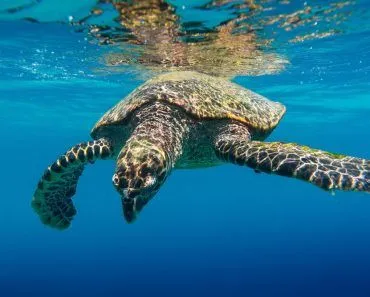
Sea turtles do gulp seawater, and their reptilian kidneys simply can’t flush out that much salt. Their fix is a pair of salt glands behind the eyes. When salt levels climb, these glands weep out a concentrated salty secretion, measured at roughly 1,680 to 2,000 mosmol/kg in green sea turtles, several times saltier than their blood. That’s why a nesting turtle on the beach can look like she’s “crying.” She isn’t sad; she’s just taking out the salt. Marine birds and sea snakes run the same play with salt glands in the head.
Whales and dolphins go a different route entirely. They mostly don’t drink the sea at all. Instead they extract metabolic water, the water released when their bodies burn the fats and proteins in their prey, and fish-eaters get a bonus, since fish are only about as salty as the whale’s own blood. Backing this up are remarkably efficient kidneys that concentrate urine far beyond what ours can manage. Between a watery dinner and a powerful kidney, a whale or dolphin stays hydrated without a single sip. (Curious why creatures end up locked into fresh water or salt water in the first place? See why freshwater fish can’t survive in saltwater and vice versa.)
References (click to expand)
- Do Fish Drink? | A Moment of Science - Indiana Public Media. WFIU
- How people can drink ocean water, but animals like fish can not; and how can fish breath ocean water and drinking it is not healthy for those animals which live in bad ocean waters? - UCSB Science Line. The University of California, Santa Barbara
- Osmoregulation and Gill Function - WFS 550 Fish Physiology. University of Tennessee
- Salt Gland Function in the Green Sea Turtle Chelonia Mydas - Journal of Experimental Biology
- The Rectal Gland of the Shark: Transepithelial Chloride Transport - Kidney360. NCBI PMC
- How can sea mammals drink saltwater? - Scientific American