Table of Contents (click to expand)
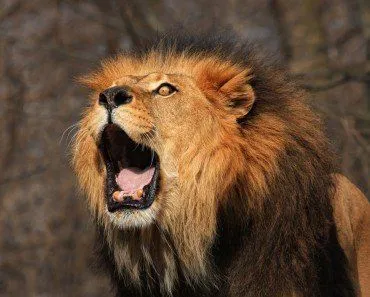
Male lions grow manes mainly as a signal shaped by sexual selection. A longer mane warns off rival males, while a darker mane advertises high testosterone, good nutrition and strength, so lionesses prefer dark-maned mates that sire stronger, better-protected cubs. The trade-off: dark, thick manes trap heat, leaving these males hotter in summer.
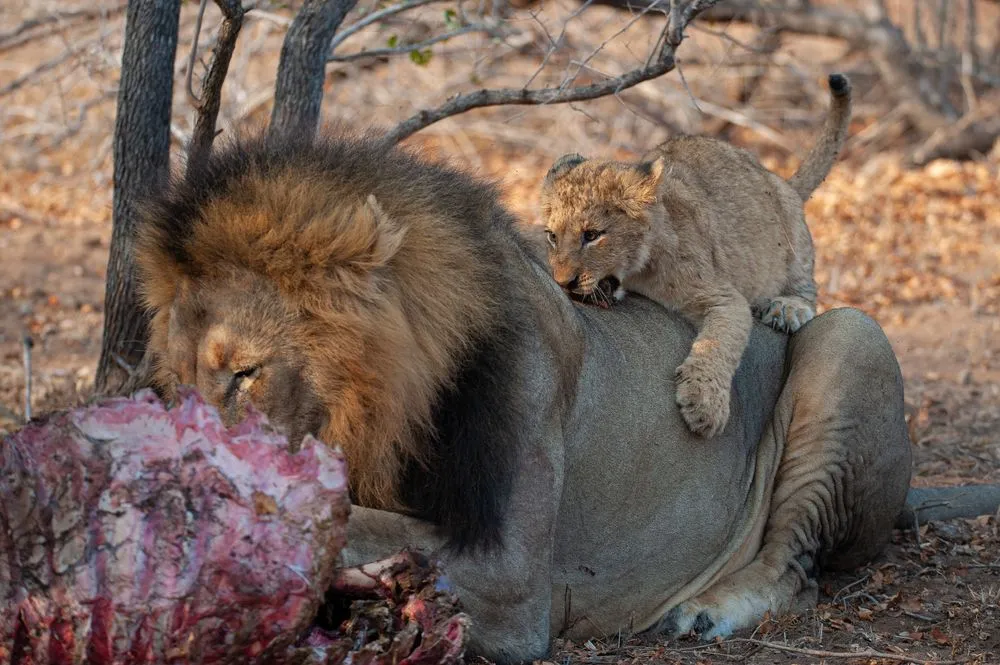
The big cats of the genus Panthera (lions, tigers, leopards, jaguars and snow leopards) all evolved from a common ancestor, but the kings of the jungle are the only ones to sport lush manes around their necks. In fact, lions are the only cat species that grows a mane at all, so it must serve a solid function, right?
A Mane To Combat Rival Lions
Charles Darwin stated, in The Descent of Man, “The mane of the lion forms a good defence against the one danger to which he is liable, namely the attacks of rival lions.”
Truth be told, Darwin’s strong suit was finches, but his statement (which was nothing but a hypothesis) was accepted by most in the scientific community and stood its ground until 1972. At that point, George Schaller, an ecologist who knew enough about lions to write and publish The Serengeti Lion, suggested that a lion’s mane could potentially flag him as a quality mate. Schaller pegged lions as avid sexual performers, having observed one to have mated about 157 times in just 55 hours!
However, neither of the two hypotheses were backed with proof. The popular belief for most common folk, until recently, was that a mane’s primary function was to provide protection to its bearer. Male lions are aggressive competitors, and will fight to climb the social hierarchy. The mane, as a protective cover, seemed like an evolutionary advantage against wounds and injuries around the neck. Unfortunately, this hypothesis didn’t make much sense, as lions who fight each other tooth and nail hardly ever strike at the other’s neck.
With the question still hanging about, theories had to be put to test. In 1995, the mystery of the lion’s mane grasped the attention of biologists Peyton West and Craig Packer, who set out to put the rival theories to the test.
Testing The Mane’s Function
The scientists drove to Tanzania’s Serengeti National Park with a set of life-sized dummy lions sporting manes of different lengths and colors. These stuffed stand-ins were romantically named Lothario, Fabio, Julio and, you guessed it, Romeo! They set the models out in pairs that differed in just one trait at a time (long versus short, or dark versus blond), then lured the real lions over by ringing their dinner bell, a recording of the cackle a hyena makes during a kill.
What the scientists observed made the role of a mane strikingly clear. Males went for the rival that looked beatable: they approached the shorter-maned dummy nine out of ten times, and made a beeline for the light-maned dummy in all five trials. The dark-maned dummies, meanwhile, cast a spell on the females, who approached them in nine out of ten tests.
Who would’ve thought that a dark mane could spice up the love life of Africa’s biggest cat?
With the results of a successful experiment in hand, the reasons behind this selection became easier to explain.
The Mane And Sexual Selection
Sexual selection is a common practice across the animal kingdom, where the individuals of one sex choose mates of the other sex based on who developed specific superior physical and behavioral attributes. These traits can appeal to the mate-seeking individual, as it increases the chances of passing good genes to their offspring. Similarly, the lion’s mane may have evolved through sexual selection.
Like a rite of passage, the males of the pride begin growing manes when they reach the age of two, and at this stage, must secure a dominant position in a new pride. The longer the mane, the more intimidating this young male will seem to the current leader of the new pride, who he must overthrow to become a prime member.
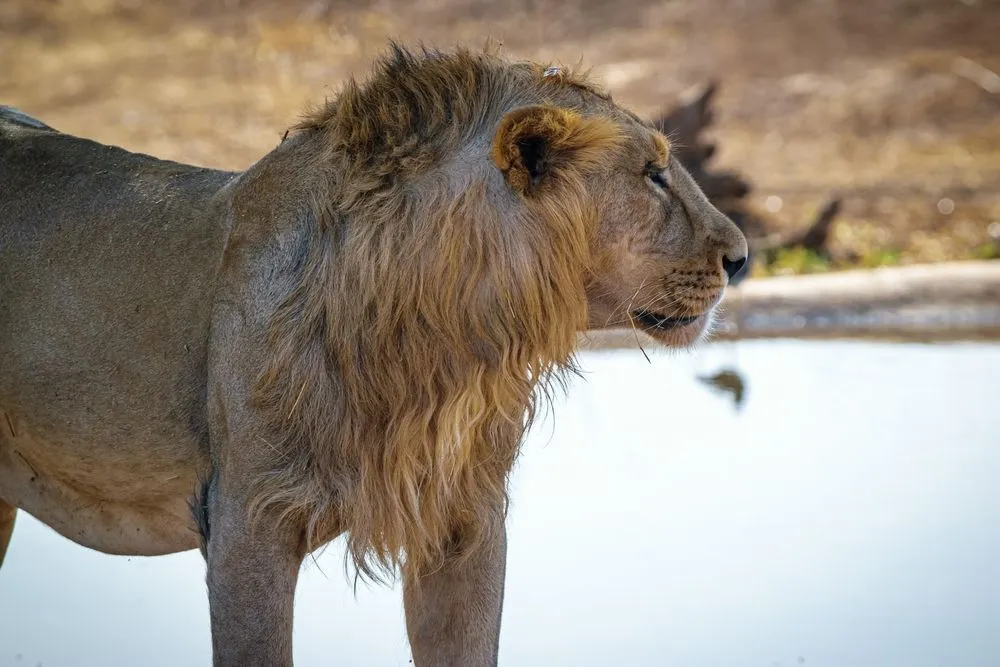
A young male lion has a scanty mane (Photo Credit : Ashmanphotography/Shutterstock)
Much like boys that hope for a deep bass voice when they hit puberty, young male lions can luck out if they’re able to grow a lushly filled-out mane.
Mane color starts varying in the earliest stages of development, and a male’s mane keeps darkening as he matures, tracking the rise in his testosterone levels between roughly one and four years of age.
Research shows that the blood of dark-maned lions shows higher levels of the male sex hormone, testosterone, so it makes sense why lionesses don’t prefer blondes. Dark manes indicate a male’s health, sexual prowess, strength and fighting capabilities to its potential mates or competitive rivals. In line with this, dark-maned males are more likely to survive the year after being wounded, and coalitions with darker manes hold their territory for longer.
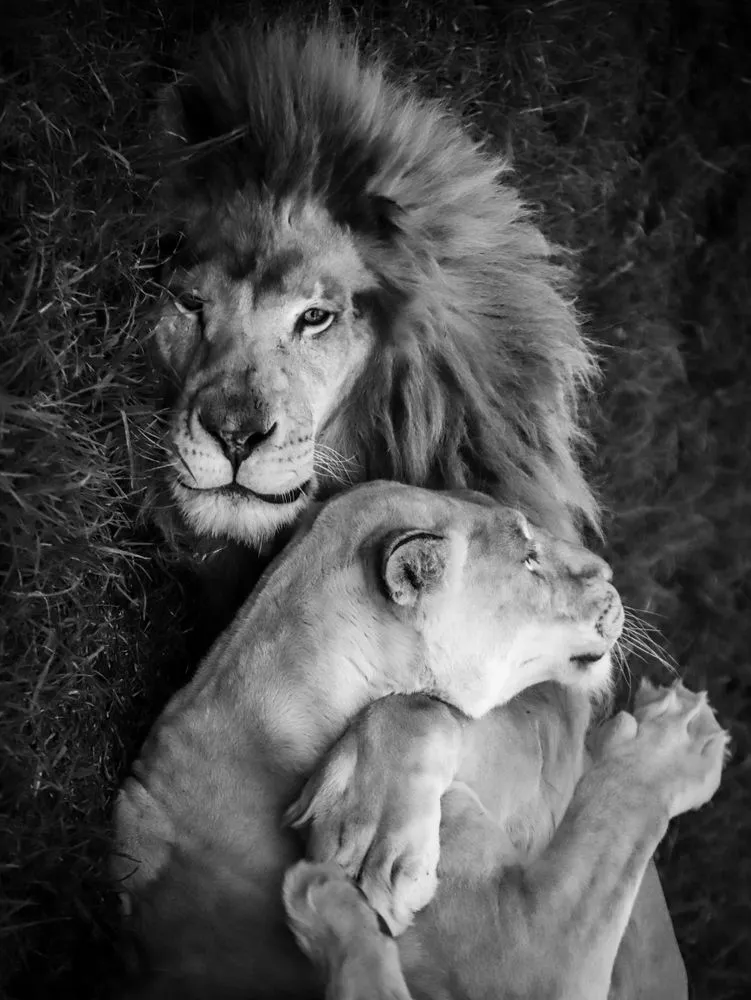
In a pride, you’ll see a lot more females than males. During mating season, the females of the group were observed to give most of their time and attention to the dark-maned lions. This effort is not in vain; if a lioness pairs up with a dark-maned gent, her cubs tend to enjoy a longer-lived, better-protected father and a higher survival rate.
Moreover, dark-maned males can better perform their duties of stay-at-home dads and fend off any potential threat that might hurt their cubs. So, length of the mane aside, these young lions should probably keep their claws crossed for a darker mane too!
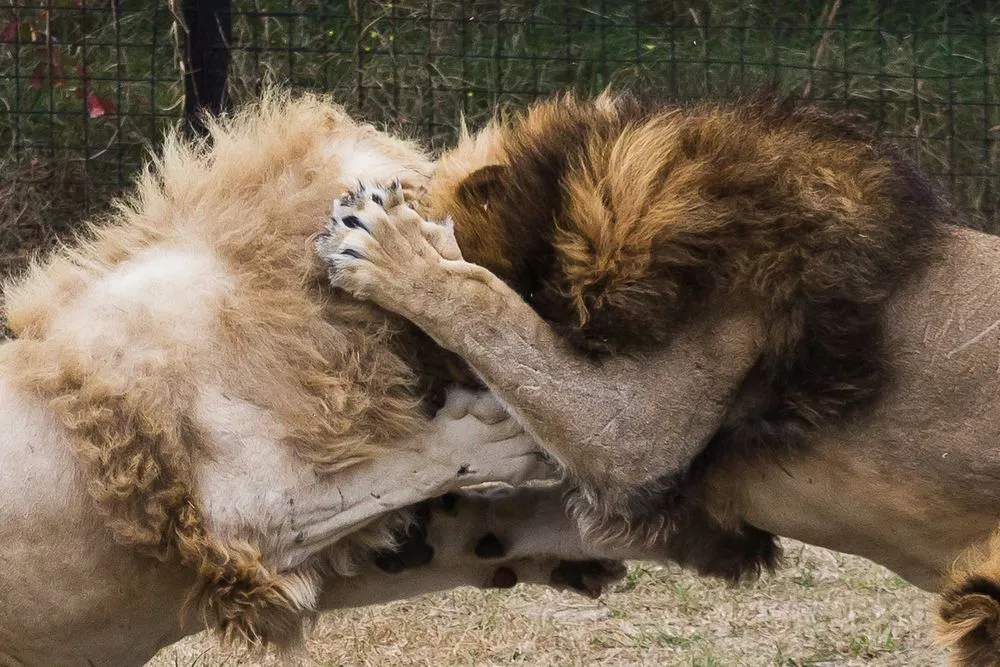
Maned Lions Are Literally Hot!
The dark manes of lions might get them their sex appeal and much needed intimidation, but there’s a catch, and it comes at a cost. Lions don’t have cool wet noses like dogs do, nor do they sweat like we can. They need to breathe and radiate their body heat through their skin to keep their temperatures in check. This is where their dark thick manes won’t play to their strengths.
Using cameras that can measure the surface temperature of objects, it was observed that maned lions were hotter than their mane-less counterparts. Dark hair is much thicker than light-colored hair, so it traps more heat and renders the whole process of heat dissipation inefficient.
During the hottest months, dark-maned males run hotter still, and the study found they produce more abnormal sperm and a lower sperm count as a result. They also eat less when temperatures climb, which can take a toll on their strength and condition.
A Final Word
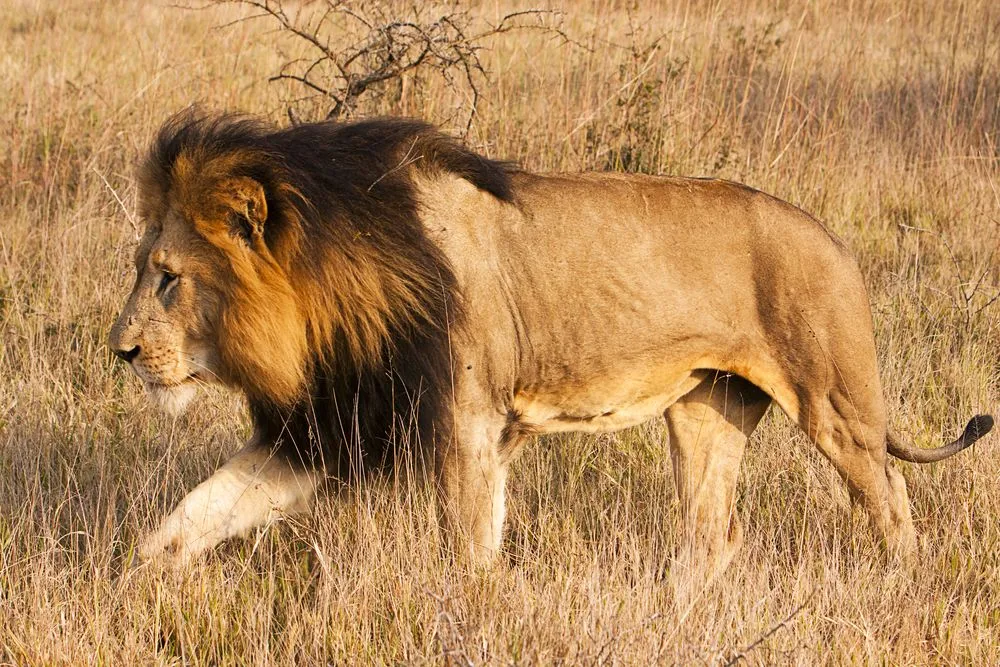
When it comes to lions, the darker the mane, the higher the level of testosterone in their blood. The more testosterone being produced, the more attractive they will seem to the ladies. A female lion prefers to mate with a black-maned male in order to have better surviving offspring, and premier care for her young cubs.
Disney’s The Lion King, should have given Simba a thick dark mane, because technically speaking, the dark-maned Scar had a better chance at winning Nala’s heart!
References (click to expand)
- West, P. M., & Packer, C. (2002). Sexual Selection, Temperature, and the Lion's Mane. Science, 297(5585), 1339-1343.
- Sexual selection, temperature, and the lion's mane. PubMed. National Library of Medicine.
- West, P. M. (2005). The Lion's Mane. American Scientist, 93(3), 226-235.
- Yamaguchi, N., Cooper, A., Werdelin, L., & Macdonald, D. W. (2004). Evolution of the mane and group-living in the lion (Panthera leo): a review. Journal of Zoology. Wiley.
- Cho, Y. S., et al. (2013). The tiger genome and comparative analysis with lion and snow leopard genomes. Nature Communications. Springer Science and Business Media LLC.