Table of Contents (click to expand)
Plants do not have ears and cannot hear the way we do, but they do detect sound as vibration and respond to it. Some flowers make sweeter nectar when they sense a bee buzzing nearby, and some leaves brace their chemical defenses against the vibrations of a chewing caterpillar.
We live in a world of sound. By way of evolution, animals have developed various ways by which they can receive sounds and use them to their advantage. Humans have an entire organ dedicated to the perception of sound, our ears. Certain other animals, like snakes, have no external ears at all and instead pick up sound as vibrations carried through their jawbone and skull to the inner ear.
However, we share our world with another class of living organisms: plants. Can plants hear sounds too?
What Is Sound?
Sound is a vibration that travels through a medium, like air, water, or solid matter. When animals intercept these vibrations, organs evolved for sound perception amplify them and convert them into electrical signals. Organs for sound amplification are present within us, and are known as ear ossicles. They are the smallest bones in the human body.

The converted electrical signals then travel to our brain via the auditory nerve and are ultimately processed in the auditory cortex present in the temporal lobe of the brain.
The sound frequency is measured in Hertz (Hz), while its loudness is measured in decibels (dB).
Can Plants Perceive Sounds?
Plants do not possess a brain, but that doesn’t stop them from interacting with their environment. Sunflowers turn toward the sun, while Touch-me-nots wither upon physical contact. If plants can respond to light and touch, can they respond to sound as well?
Studies done on the impact of acoustics on plants show that plants do respond to sounds.

Plants intercept sounds in two ways:
- As direct vibrations. For example, a caterpillar chewing on leaves. Plants can feel the rhythmic chewing pattern of the caterpillar.
- As vibrations that travel through a medium, such as air or soil. Plants can feel a trickle of water in the ground, as well as the buzzing of insects.
Scientists from the University of Missouri used a laser to record the tiny leaf vibrations made by caterpillars as they chowed down, then played those vibrations back to Arabidopsis plants. The exposed plants did not pump out chemicals on the spot. Instead, the vibrations primed their defenses, so that when caterpillars later fed on them, they ramped up higher levels of glucosinolates and anthocyanins, both of which help protect plants from herbivores.
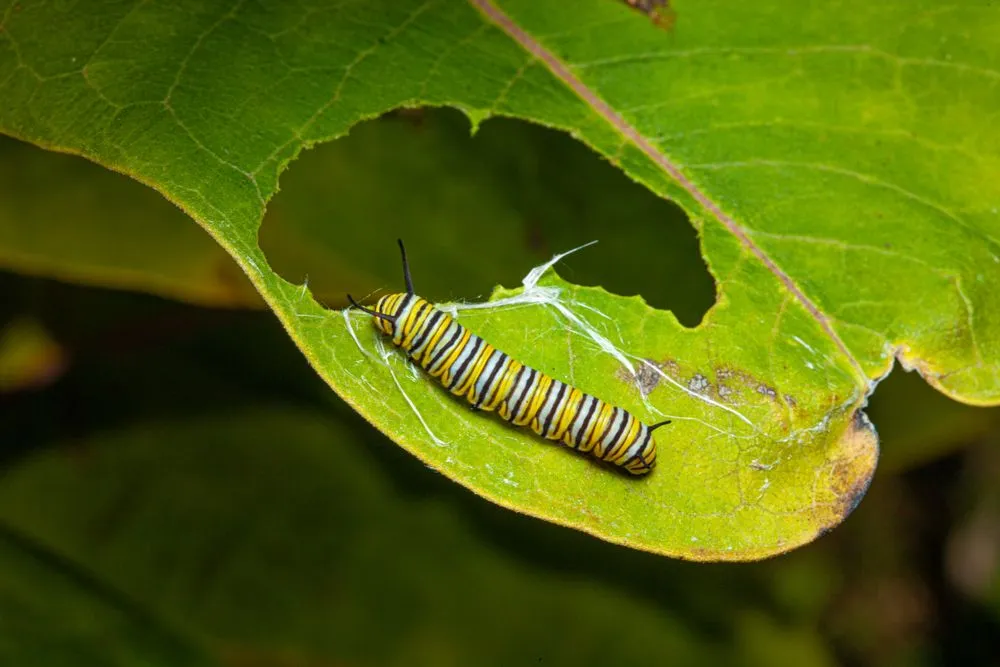
Interestingly, the plants told the difference between a threat and harmless background noise. Vibrations from wind, or from the songs of non-feeding insects, did not trigger the same primed response. The plants reacted specifically to the chewing signature of something eating them, a remarkably targeted defense against the vibrations of a herbivore at work.
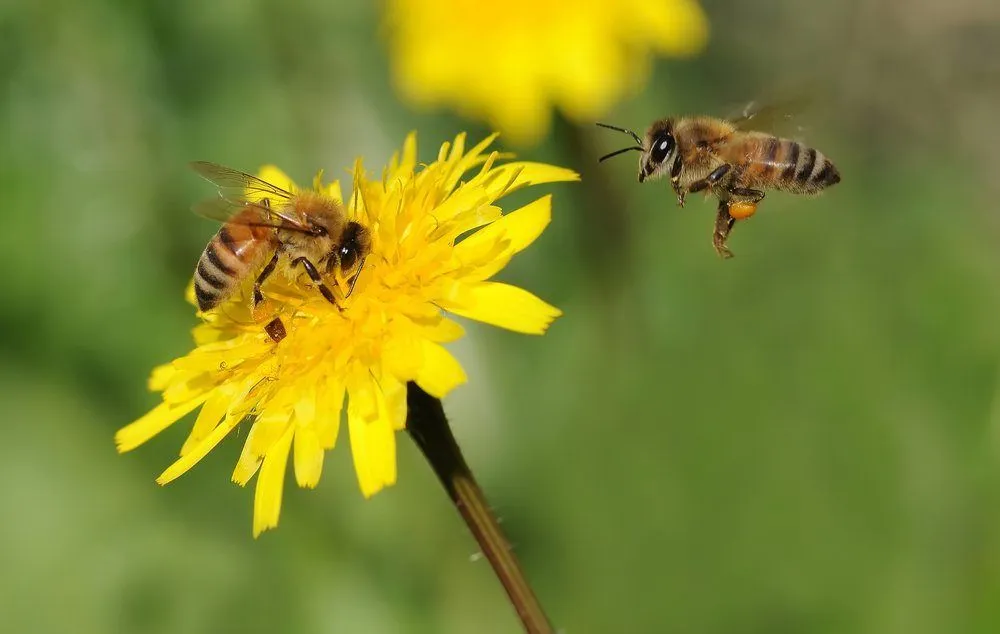
Plants also have unique responses to the sounds produced by insects, such as the buzzing of bees. Insects, especially bees, are crucial for pollination, and thus the propagation of plants. When a team led by Lilach Hadany at Tel Aviv University in Israel played the buzz of a flying bee to the flowers of the beach evening primrose (Oenothera drummondii), the flowers raised the sugar concentration of their nectar by 12 to 20 percent within three minutes of hearing it.
Plants can even sense the sound of trickling water. Evolutionary biologists from the University of Western Australia found that the roots of the pea plant extend towards the sound of water. Plant roots act as sensors for water, and they use moisture gradients to navigate through the soil to reach water-rich areas. The question is, how do they know where to look for water in the first place? The scientists hypothesized that plants could sense the sound of water in the soil, which ultimately directed them to the accurate location.

Plants Do Not Have Ears, So How Can They Hear?
As mentioned earlier, a sound is nothing but a form of vibration. We hear sounds in the way we do because of how our brain converts these vibrations into electrical signals. A snake, for example, perceives sound in a completely different manner, sensing vibrations through its jawbone and skull rather than through an external ear, almost like a form of rhythmic touch.
Plants also have certain morphological parts that help them perceive sound better. The shape of the Evening Primrose flower is such that it can amplify the sound frequency of the wing flaps of an insect pollinator.

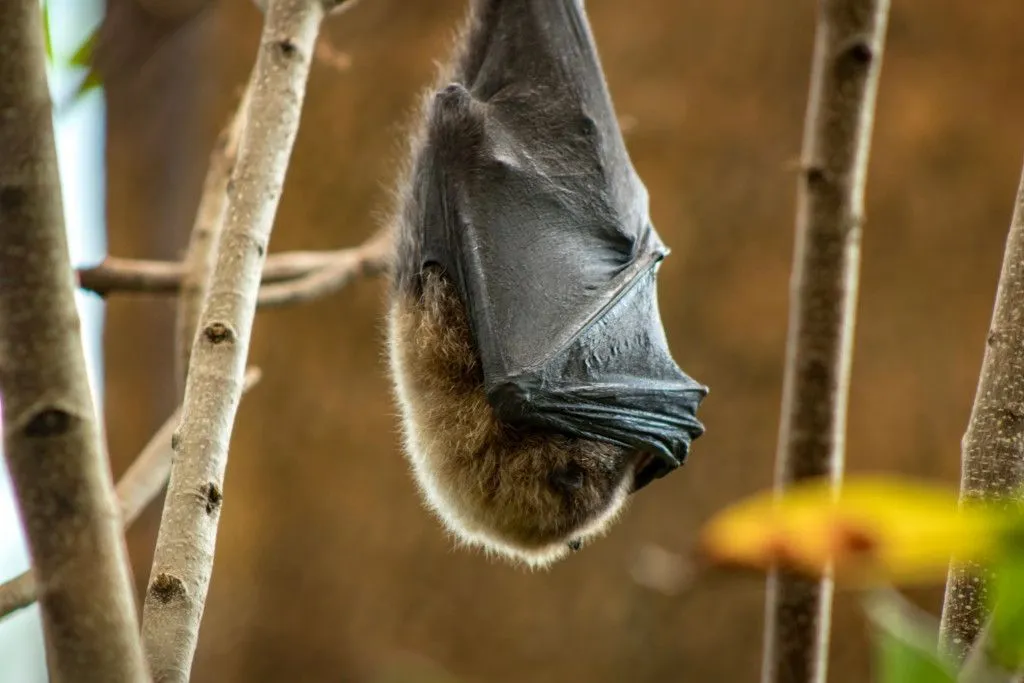
Certain plants can even echo sound back to animals. For example, bats utilize echolocation to navigate their surroundings. Marcgravia evenia, a bat-pollinated vine in the rainforests of Cuba, grows a single concave, dish-shaped leaf just above each cluster of flowers.
This leaf essentially acts like a sound reflector. It bounces the bat's echolocation calls right back with a strong, distinctive echo. This echoing back of the sound allows the bats to find the vine among the dense foliage of the forest, and in lab tests it roughly halved the time bats needed to locate a hidden feeder.
Conclusion
Like any other organism or adaptation, sound perception has developed in plants to benefit their survival and propagation. Plants are exposed to various sounds throughout their lifetime: the cacophony of insects, the slow rush of underground water, the aggressive chewing of herbivore predators, and the rustling of their own and their neighboring plants’ leaves in the wind, among others.
Scientists have theorized that plants convert these sounds into mechanical (like roots growing toward the water) or metabolic (like plants secreting chemicals or nectar) signals, as opposed to electrical signals, as is the case for humans.
Particular sound frequencies can even be used to bring about a better crop yield. Sound frequencies in the range of 1 to 2.5 kHz, at a loudness of around 90 dB, notably speed up the growth and germination of mung bean sprouts.
It has clearly been well-established that plants can react and respond to sounds. Scientists are now trying to figure out the mechanism behind these responses, as well as the effects of sound pollution on plants.
References (click to expand)
- Frongia, F., Forti, L., & Arru, L. (2020, October 13). Sound perception and its effects in plants and algae. Plant Signaling & Behavior. Informa UK Limited.
- Zaraska, M. (2017, June 20). Can Plants Hear?. Scientific American. Springer Science and Business Media LLC.
- Appel, H. M., & Cocroft, R. B. (2014). Plants respond to leaf vibrations caused by insect herbivore chewing. Oecologia.
- Veits, M., et al. (2019). Flowers respond to pollinator sound within minutes by increasing nectar sugar concentration. Ecology Letters.
- Gagliano, M., et al. (2017). Tuned in: plant roots use sound to locate water. Oecologia. PubMed.
- Simon, R., Holderied, M. W., Koch, C. U., & von Helversen, O. (2011). Floral Acoustics: Conspicuous Echoes of a Dish-Shaped Leaf Attract Bat Pollinators. Science. PubMed.