Table of Contents (click to expand)
Venus is the hottest planet in our solar system because its dense, carbon-dioxide-rich atmosphere traps the Sun’s heat in a runaway greenhouse effect, pushing surface temperatures to about 464 °C (867 °F), hot enough to melt lead. Mercury sits closer to the Sun but has almost no atmosphere to hold that heat in, so it cools off on its night side and ends up cooler overall than Venus.
Venus orbits second from the Sun, just outside Mercury’s orbit. Apply some crude logic and you’d expect the closest planet to the Sun to be the hottest, right? But interestingly enough, that’s not the case.
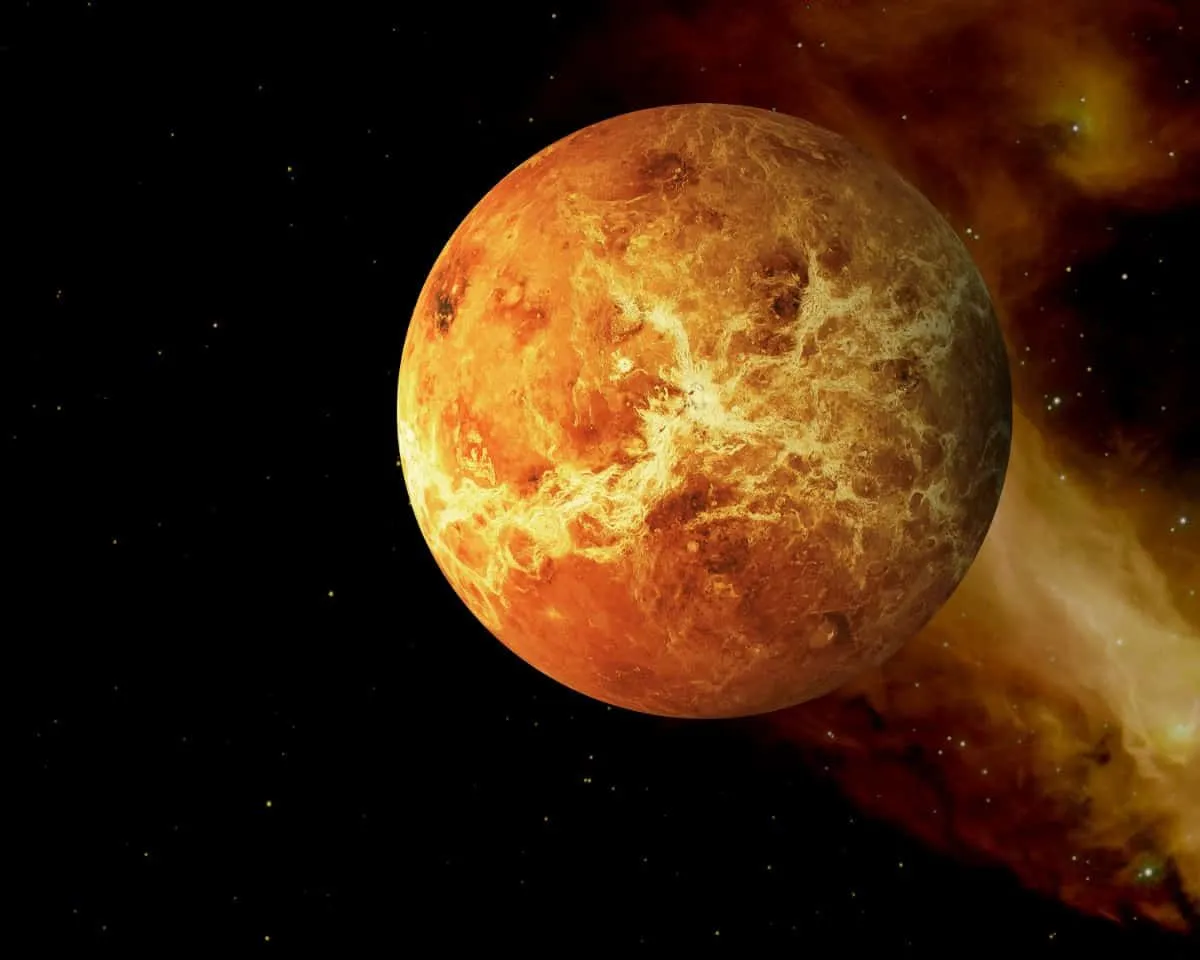

That’s true! Despite being the closest planet to the sun, Mercury is not the hottest planet in our solar system… but why is that?
Facts About Venus
Venus is the second planet from the sun and an immediate neighbor of planet Earth. Given that its size is quite similar to that of our home planet, Venus is sometimes also referred to as ‘Earth’s twin planet’ or ‘Earth’s sister planet’.
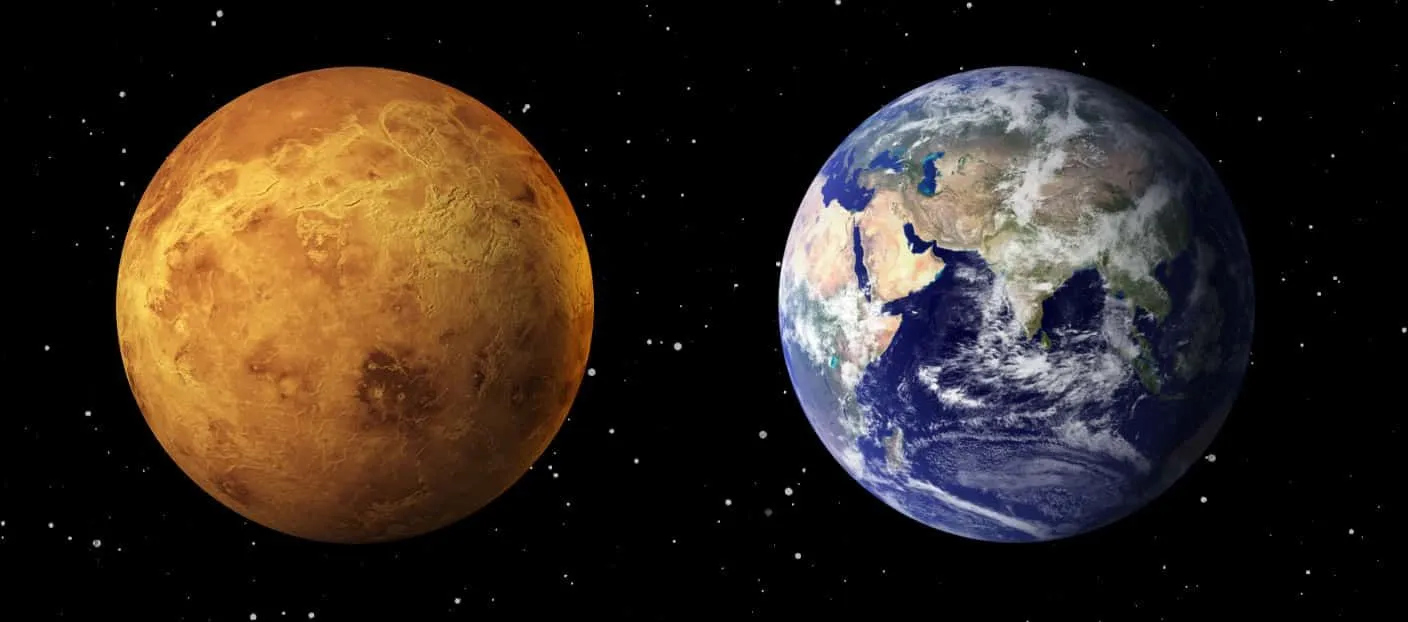
With a diameter of 12,104 kilometers (7,521 miles), Venus is only slightly smaller than our planet. It does not have any natural satellites or rings, and it rotates from east to west, i.e., in the opposite direction to most other planets. This is also called retrograde rotation.
What Is Venus Made Of?
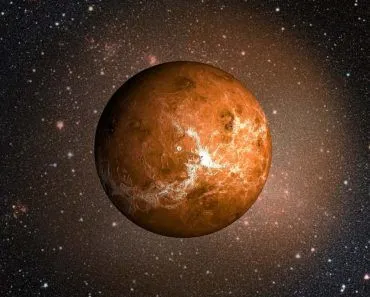
Venus is composed of smooth volcanic plains that cover most of its surface. The planet also consists of two big continents – Ishtar Terra and Aphrodite Terra – which stand out visually. Venus’ surface is relatively smoother than Mercury’s and Mars’, whose respective surfaces are dotted with impact craters. However, visual observation of Venus is particularly difficult due to the thick gaseous clouds that shield it from the eyes of distant observers.
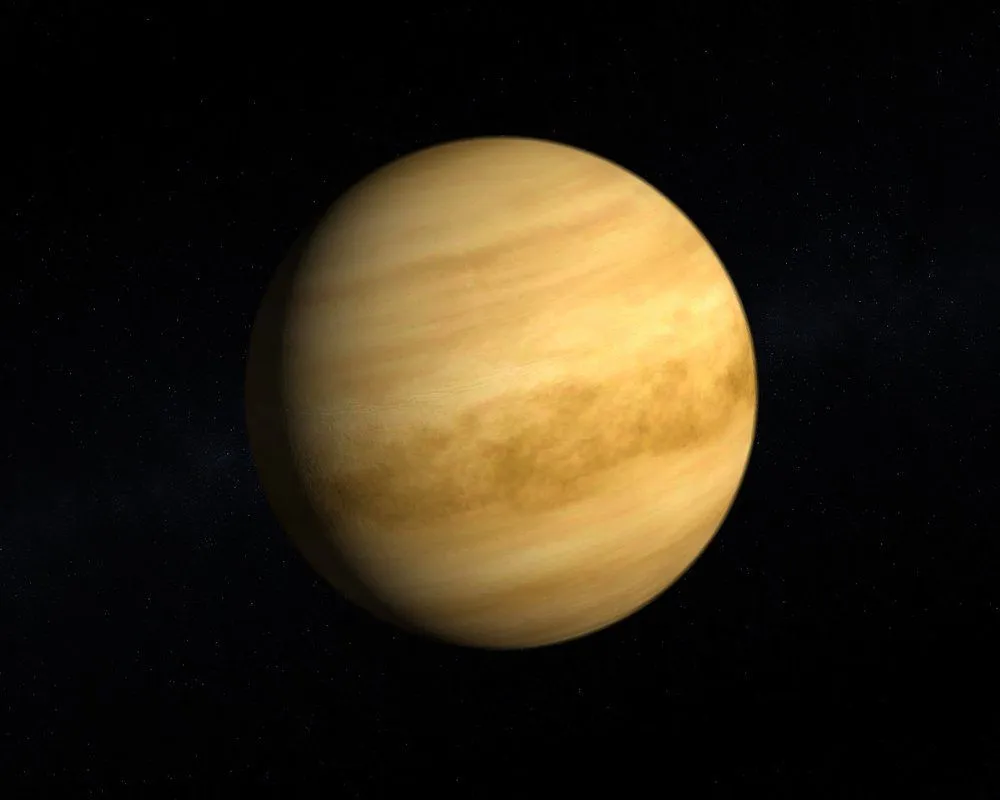
Due to its similarities to our planet, astronomers believe that Venus’ interior would also be fairly similar to Earth’s. It’s also believed to have a central iron core and a rocky mantle (much like our planet), but, unlike Earth, Venus has no internally generated magnetic field; the weak magnetosphere it does have is induced by the solar wind interacting with its upper atmosphere.
Venus Planet Surface
The surface of Venus is constantly rocked by fierce volcanic eruptions. For decades, planetary scientists tracked around 1,600 major volcanic features on Venus, but a 2023 reanalysis of NASA Magellan radar data by Hahn and Byrne catalogued roughly 85,000 individual volcanic edifices across the planet, the vast majority of them smaller than 5 kilometers across. In other words, Venus isn’t just dotted with volcanoes; it’s blanketed in them, and most are so small that they slipped past earlier surveys. Another thing that hinders a clear view of Venus’ surface is the thick, opaque cover of clouds (made of sulfuric acid) that envelop the planet.
Now, let’s come to the issue that we raised in the beginning of the article – the incredible heat of Venus! The average surface temperature on Venus is about 464 °C (867 °F), and it stays roughly that hot day or night, equator or pole. That’s hot enough to easily melt lead on the surface of the planet.

Why Is Venus So Hot?
The extreme temperature of Venus can be attributed to the thick atmosphere it boasts. In fact, Venus’ atmosphere is so thick that if you were to stay there, you would constantly experience an atmospheric pressure around 93 times what you experience at sea level on Earth — roughly 9.3 megapascals, or about 1,350 psi. Although you could experience that kind of pressure on Earth, you would have to dive more than a kilometer below the ocean’s surface to feel it.
Venus’ atmosphere almost entirely consists of carbon dioxide, which is a very good greenhouse gas. For the uninitiated, a greenhouse gas is a gas that helps trap heat in the atmosphere of a planet. Other examples of greenhouse gases include methane, nitrous oxide, fluorinated gases (like hydrofluorocarbons, perfluorocarbons, sulfur hexafluoride and nitrogen trifluoride).
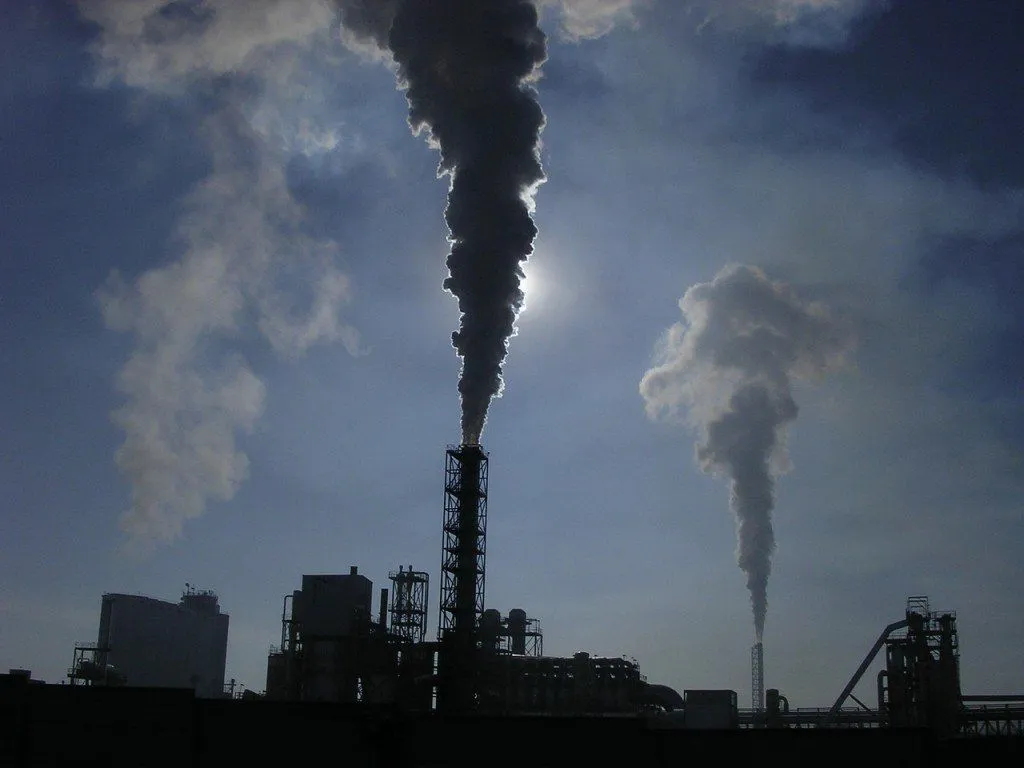
Since its atmosphere primarily consists of carbon dioxide, and the atmospheric pressure is high, the heat from the sun has a difficult time escaping Venus’ surface. Sunlight passes through the thick cover of carbon dioxide clouds and warms the rocks on the surface of Venus.
However, the bulky, carbon dioxide-rich atmosphere prevents the infrared heat emanated from these rocks to escape the planet, thereby increasing the temperature of Venus and making it the hottest planet in our solar system.
In contrast, Mercury, the planet closest to the sun, is not the hottest because it has no substantial atmosphere — just a wispy exosphere of hydrogen, helium, oxygen, sodium and potassium atoms knocked loose from its surface by the solar wind. That’s nowhere near enough to trap heat, so while Mercury’s dayside scorches at around 430 °C (800 °F), it plunges to about −180 °C (−290 °F) at night. Venus, by contrast, never gets a chance to cool off, which ends up making it the hotter of the two and the hottest planet in the solar system.

In addition to being the hottest, Venus also happens to be the brightest planet of the solar system when seen from Earth. Its exceptional brightness is also attributed to its heavy, reflective clouds of gases and sulfuric acid, which allow light rays to easily bounce off them.
What Have We Learned About Venus Recently?
For most of the last three decades, Venus was the forgotten planet — overshadowed by Mars rovers and outer-system flagships. That’s changing fast. In 2023, a re-examination of archival Magellan radar data by Robert Herrick and Scott Hensley turned up direct evidence of an active volcanic vent changing shape between 1991 flyovers of Maat Mons, one of Venus’s largest volcanoes. A follow-up study in 2024 by Davide Sulcanese and colleagues, published in Nature Astronomy, identified fresh lava flows around Sif Mons and in Niobe Planitia in the same dataset. After decades of debate, Venus is now confirmed as a geologically active world.
The phosphine controversy that flared in 2020 also refuses to settle. Independent re-detections of phosphine (PH3), along with a tentative ammonia signal, were reported in 2024. Phosphine has no widely accepted abiotic explanation for the conditions in Venus’s clouds, but neither has it been confirmed as a biosignature — the debate over what, if anything, is producing it remains wide open.
A small fleet of missions is now headed to Venus to settle these questions. India’s ISRO approved the Shukrayaan-1 (Venus Orbiter Mission) in September 2024 for a March 2028 launch. NASA’s DAVINCI probe is targeting a launch around December 2030, and the agency’s VERITAS radar orbiter is slated for no earlier than 2031. ESA’s EnVision orbiter follows in the early 2030s. Within a decade we should know far more about Venus’s atmosphere, its geology, and the chemistry of its clouds than we’ve learned in the last fifty years combined.
References (click to expand)
- The University of Maine - Emera Astronomy Center - Upcoming Events Fun Facts About Mercury! - astro.umaine.edu
- Venus | Exploring the Planets | National Air and Space Museum. The National Air and Space Museum of the Smithsonian Institution
- NASA's Space Place: The Hottest Planet in the Solar System (PAESTA, www.paesta.psu.edu)
- Venus Facts (NASA Science, science.nasa.gov)
- A Morphological and Spatial Analysis of Volcanoes on Venus - Hahn & Byrne, JGR: Planets (AGU, 2023)
- Evidence of ongoing volcanic activity on Venus revealed by Magellan radar - Sulcanese et al. (Nature Astronomy, 2024)