Table of Contents (click to expand)
Venus has zero moons, and so does Mercury — the only two planets in the solar system with no natural satellites. Their proximity to the Sun makes the long-term orbit of any moon unstable: the Sun's gravity tends to strip moons away before they can settle. Some astronomers think Venus did briefly have a moon early in solar-system history, but a giant impact (the one that also gave Venus its retrograde, backward rotation) destabilized the moon's orbit and it eventually crashed back into the planet.
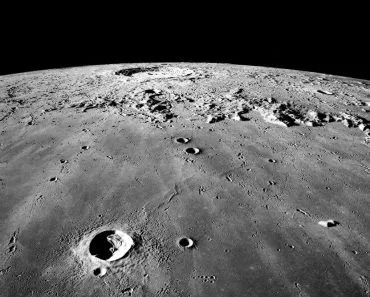
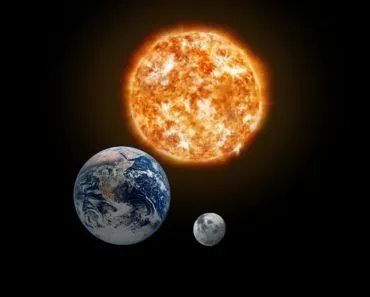
Whenever we look up at the night sky, we see a greyish-white object hung brightly among thousands of other visible stars. It also seems to be pockmarked by a lot of dark spots. This object stands out amongst others due to its sheer size and brilliance compared to other celestial bodies. By now, surely you realize we’re talking about the moon!
Earth’s Moon
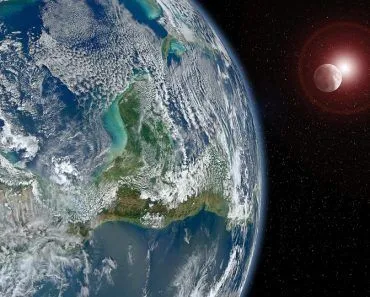
Earth has only one natural satellite, which we generally refer to as ‘the moon’. Here’s a fun fact: All natural satellites (moons) of other planets have been given proper names, but our natural satellite is simply called the moon.
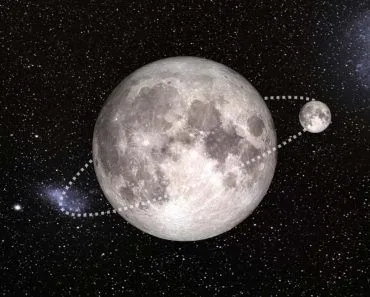
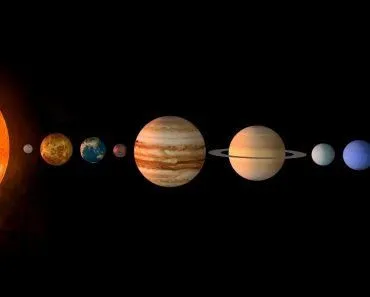
The moon, just like any other natural satellite, revolves around our planet in a well-defined orbit. With the exception of Mercury and Venus, every planet of our solar system has at least one moon. So, before we get into a discussion about the unusual absence of moons on Mercury and Venus, let’s first look at how other planets fare when it comes to having moons.
How Many Moons Each Planets Have?
Starting with Earth, of course, we all know it has only one moon. It is also the only moon where humans have set foot. Our neighbor—Mars—where Elon Musk is likely to take us in the future (hopefully!) has two moons: Phobos and Deimos. They are dark and lumpy and much smaller than our own moon.
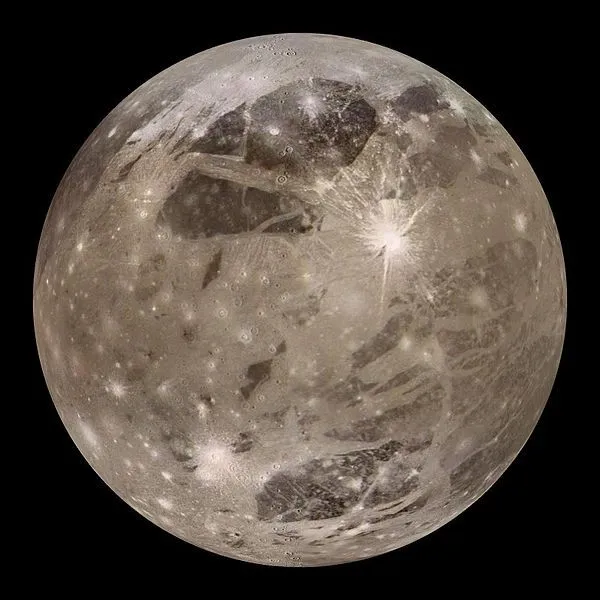
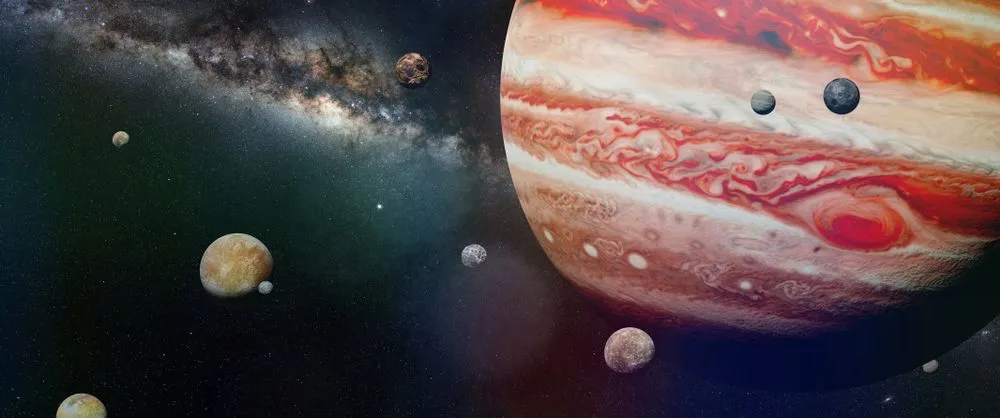
Next is the big daddy of all the planets: Jupiter. This gas giant has an eclectic collection of 95+ confirmed moons (the count keeps climbing as new small ones are discovered — 12 were added in early 2023 alone). The biggest planet of our solar system also boasts the biggest moon: Ganymede, which is even larger than the planet Mercury. You can actually spot Ganymede (and the other three Galilean moons — Io, Europa, and Callisto) with a modest pair of binoculars from a dark-sky site. Io, one of the moons of Jupiter, is the most volcanically active body in the solar system, while Europa is thought to harbor a giant saltwater ocean beneath its icy crust.
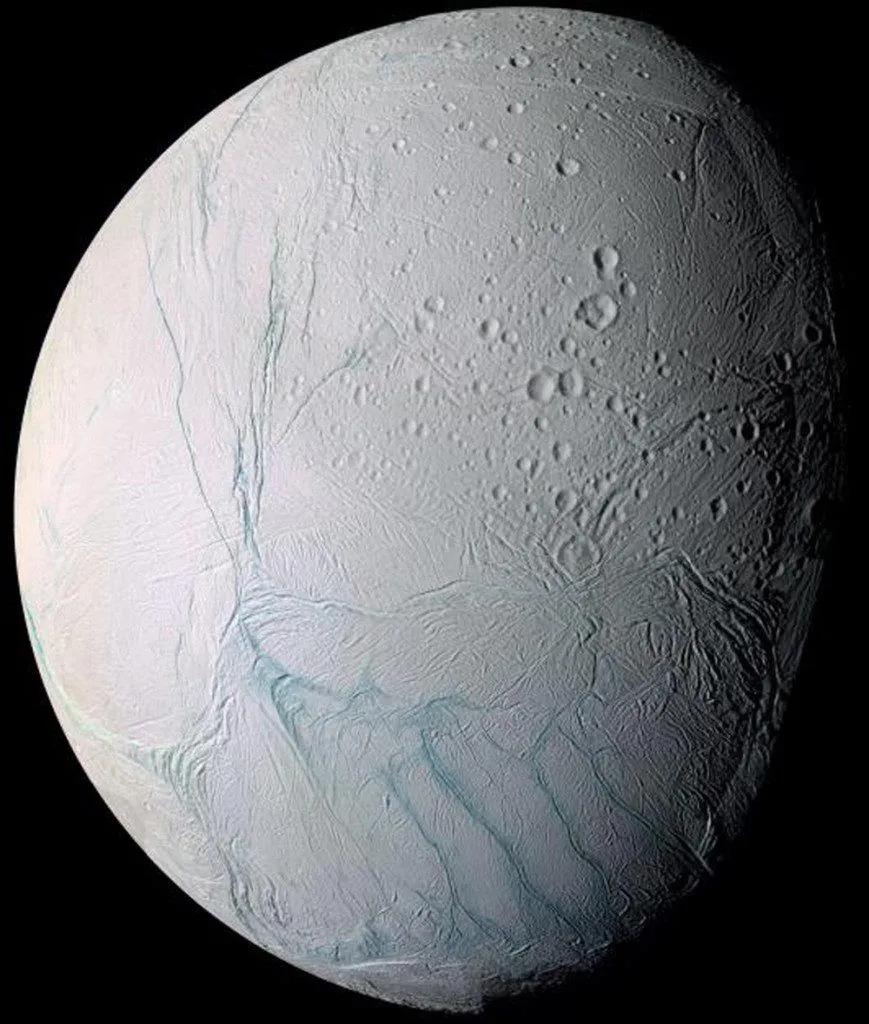
Saturn isn't just teeming with moons — it currently holds the solar-system record. As of the IAU's May 2023 announcement and follow-up confirmations, Saturn has 146 confirmed moons, surpassing Jupiter. At least two of them, Titan (which has dense atmosphere, methane lakes, and rivers!) and Enceladus, are ocean moons in the same general category as Jupiter's Europa. The Cassini-Huygens mission (a NASA/ESA/ASI collaboration) discovered that the underground ocean on Enceladus actually shoots plumes of icy particles from cracks at its south pole, straight into space.
Uranus has 28 confirmed moons as of 2024 (one new tiny moon was announced in 2023). The larger ones, like Ariel, are roughly half water ice and half rock. Neptune has 16 confirmed moons (with two added in 2024). Triton, the largest of them, has cryovolcanoes that erupt nitrogen and ammonia ice rather than lava. Even Pluto, which lost its planet status in 2006, has 5 moons of its own.
Almost all the planets except Mercury and Venus have moons, but why does this anomaly exist? Is there are a plausible scientific explanation for the dearth of moons on Mercury and Venus? Let’s find out!
How Is The Moon Formed?
To understand why Mercury and Venus do not have moons, we need to understand how moons are formed in the first place. There are basically three ways by which the planets get moon(s): co-formation, capture, and collision.
Co-formation
In this case, moons are formed at the same time as their parent planet. For example, take the case of gas giants like Saturn and Jupiter: in the days when they were being formed, billions of years ago, they were covered with clouds of gas and debris. As the planet started to take shape and become spherical, the cloud of gas and debris around the planet took on the shape of a ring.
After a while, this ring started to undergo a process called accretion. In accretion, the particles come closer to each other, stick, and finally merge into a single substance. As the accretion process continues, a great deal of random debris coalesces together and ultimately takes the form of a sphere, evolving gradually into moons. If you think this process is cool, you’ll be delighted to know that this is also how planets in our solar systems were formed!
Capture
The second way by which moons are formed is when the planet captures them! Sounds a bit like an action movie about kidnapping, but it’s true!
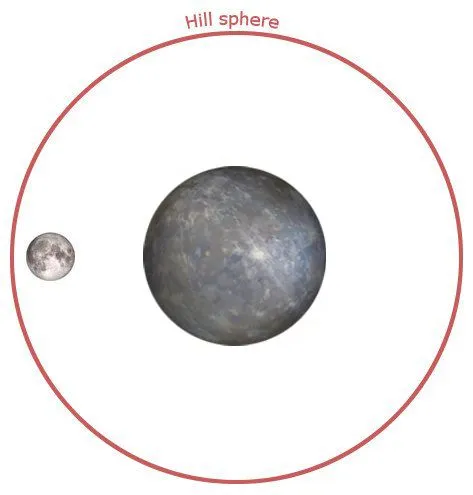
To understand how this is done, you need to understand a concept called the hill sphere. The hill sphere refers to a region around the planet in which it is capable of holding a moon and keeping it in a nice stable orbit. Basically, when a vagabond moon or any spherical entity trespasses this hill sphere, the planet is able to capture it and make it orbit around itself.
Collision
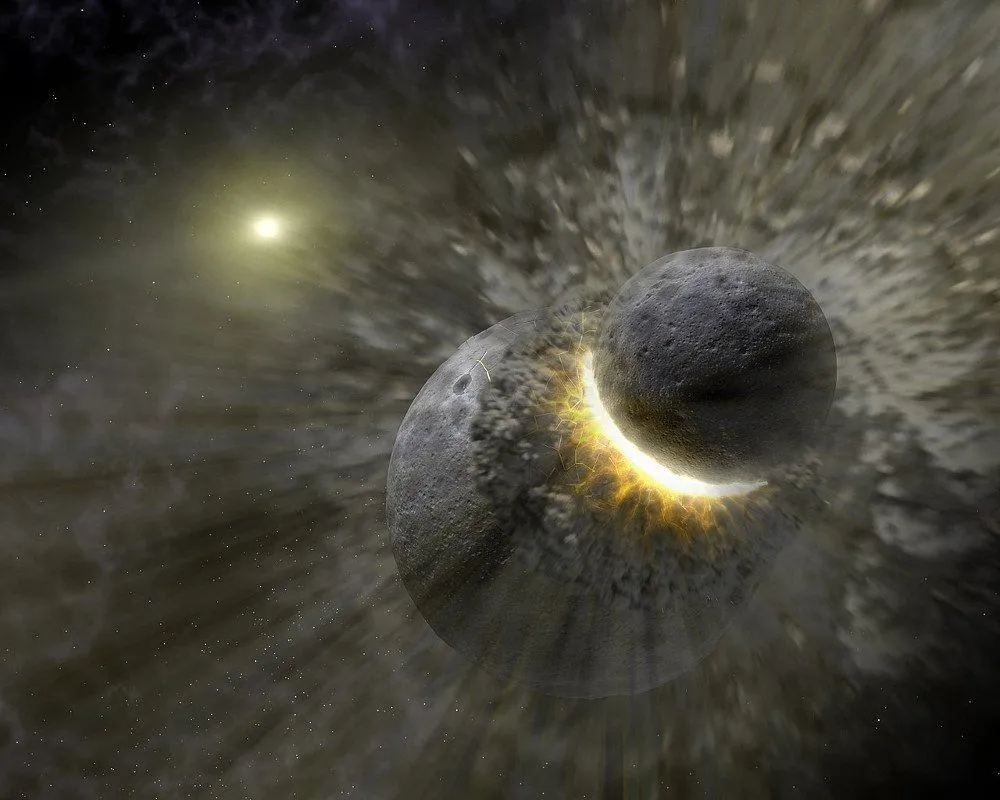
Finally, the third possibility of moon formation arises from a high-impact collision. This is probably the nastiest way in which a planet can get a moon! There have been many instances wherein moons were formed from debris following a massive collision, wherein some other large celestial body rammed into the planet. In fact, our own moon is presumed to be formed from such a collision that took place on Earth approximately 4.5 billion years ago!
Why Does Mercury Have No Moons?
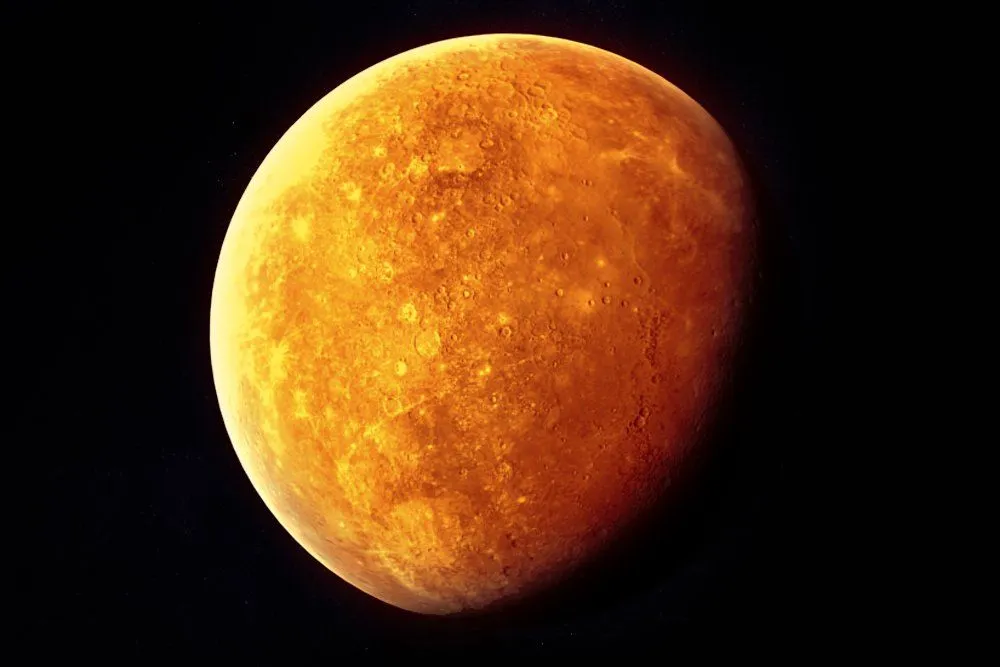
Mercury is the smallest planet of our solar system. It is also the closest to the sun. Mercury, like many other planets, was formed through the process of accretion. If that’s the case, then the question arises: why didn’t any moons accrete around Mercury? Simply put, because there wasn’t really any material left for the moon to form…
Dearth Of Moon-forming Materials
To understand this, we need to go back in time. When the planets like Mercury were in the process of forming, our solar system was very young and our star, the Sun, was in an early stage of stellar development. During this time, in the T Tauri phase, the Sun started exuding strong solar winds that swept away all lighter materials, such as hydrogen, methane and ice into the outer reaches of solar system.
Actually, it’s out of these abundant lighter elements, along with the heavier ones, that gas giants like Saturn and Jupiter were formed. As they were quite far from the Sun, they were relatively shielded from the repercussions of powerful solar winds. This made it somewhat easier for Saturn and Jupiter to develop or harness moons, which is why we see so many moons around them.
So, due to the impact of solar winds blowing away the lighter elements and Mercury using up all the available heavier ones to form itself, there was basically nothing left at the time of inception of Mercury to form a moon.
Just Too Close To The Sun!
Even assuming that something was left and the moon was formed, it is very unlikely that the Mercury could retain the moon for very long. Remember the concept of the hill sphere we just covered? Well, the Hill sphere of Mercury is only about 175,000 km (109,000 mi) in radius. Even if Mercury somehow got a grasp of a moon within the hill sphere, it would have been quickly pulled off by the intense gravitational force exerted on it by the Sun, which is incredibly close by. This force would have eventually snatched the moon away from Mercury’s dominion.
Why Does Venus Have No Moons?
The reasons why Mercury does not have moons are pretty much the same for Venus, but there are a few additional considerations when it comes to the second planet from the sun.
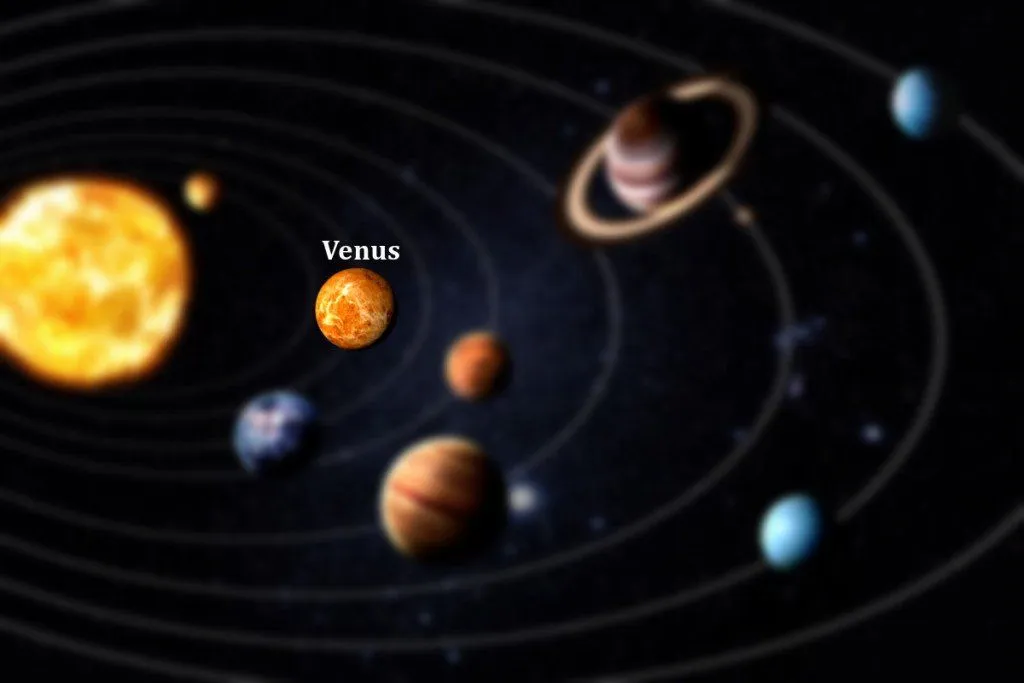
If there is a planet that is most similar to Earth, it’s Venus. Venus is even sometimes called the Earth’s twin. The diameter of Earth is about 12,756 km (7,926 mi), while Venus is 12,104 km (7,521 mi). Very close in size! Also, the two have a nearly identical composition, mass, and densities. Given that it is so similar to Earth in size and not the ‘closest’ to Sun, intuitively, it has a better chance of having a moon, right? So why is Venus similarly moon-deprived?
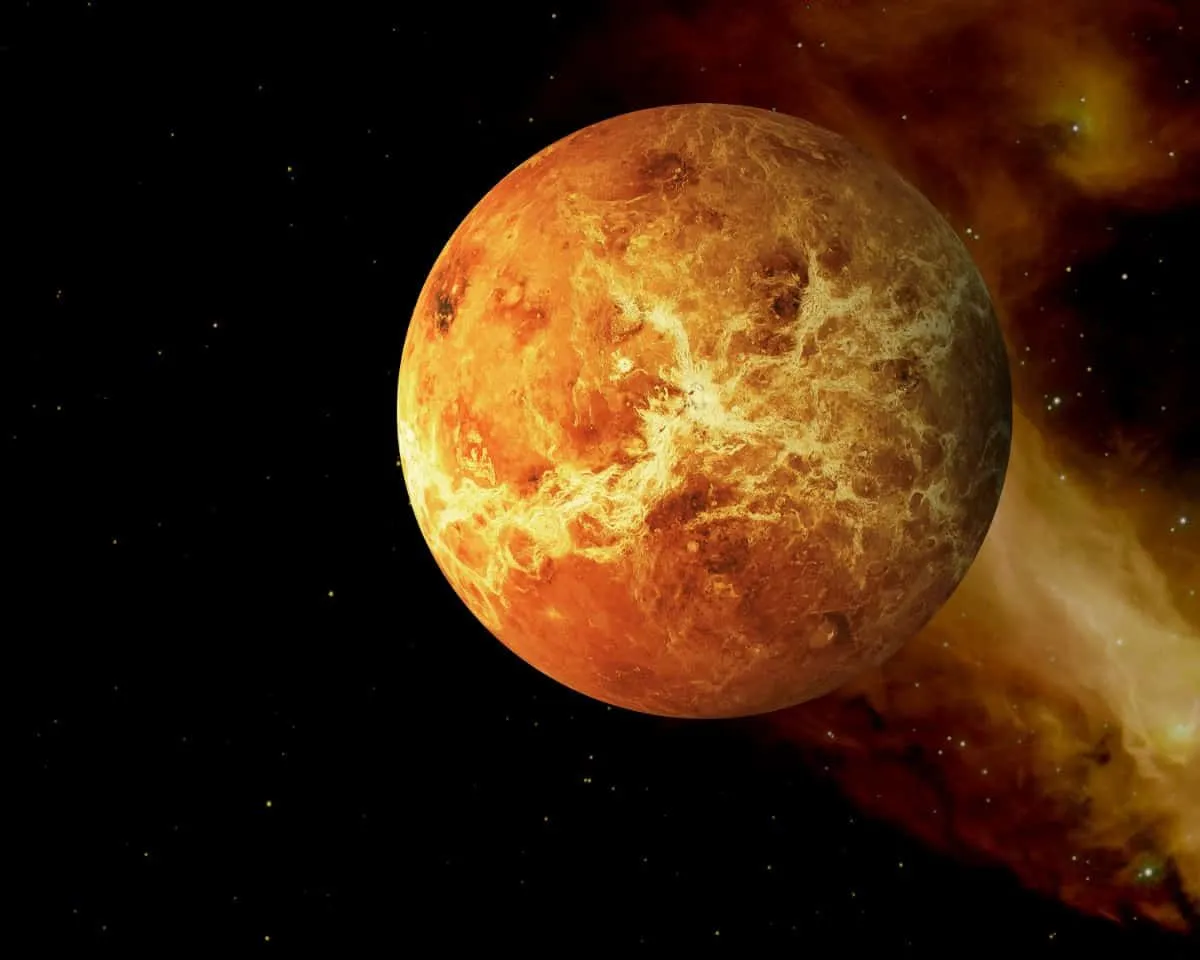
Well, despite almost twinning with Earth in terms of shape and composition, Venus is a quirky planet. In contrast to the popular belief, it is actually the hottest planet of the solar system, even beating out Mercury. Sure, this sounds counterintuitive, but it’s the truth!
Slow Rotation Coupled With Retrograde Motion
Another odd thing about Venus that it’s a really slow rotator. It takes longer for Venus to complete a single spin on its axis than to complete one revolution around the Sun. Or to put it differently, a day on Venus is longer than a year! Add on to that the fact that the Sun would rise from the west and not from the east on Venus! This is because it follows retrograde motion, which is opposite to the direction in which most planets (including Earth) rotate. Many astronomers reckon that having such an extremely slow rotation, coupled with retrograde motion, makes it challenging for any moon to have a stable orbit around Venus.
How Venus Became Moonless
Interestingly, many scholars posit that Venus wasn’t always moon deprived. For example, there is the hypothesis proposed by researchers Alex Alemi and David Stevenson of the California Institute of Technology in 2006, suggesting that in the early days of the formation of the solar system, Venus must have been bombarded by many asteroids, which released large quantities of ejecta into Venus’ orbit. These countless pieces would have then coalesced to form moons. However, due to the retrograde spin of the planet (supposedly caused by another asteroid impact!), the moon’s orbit might have been destabilized, causing it to crash into Venus, leaving the planet ‘moonless’.
A Final Word
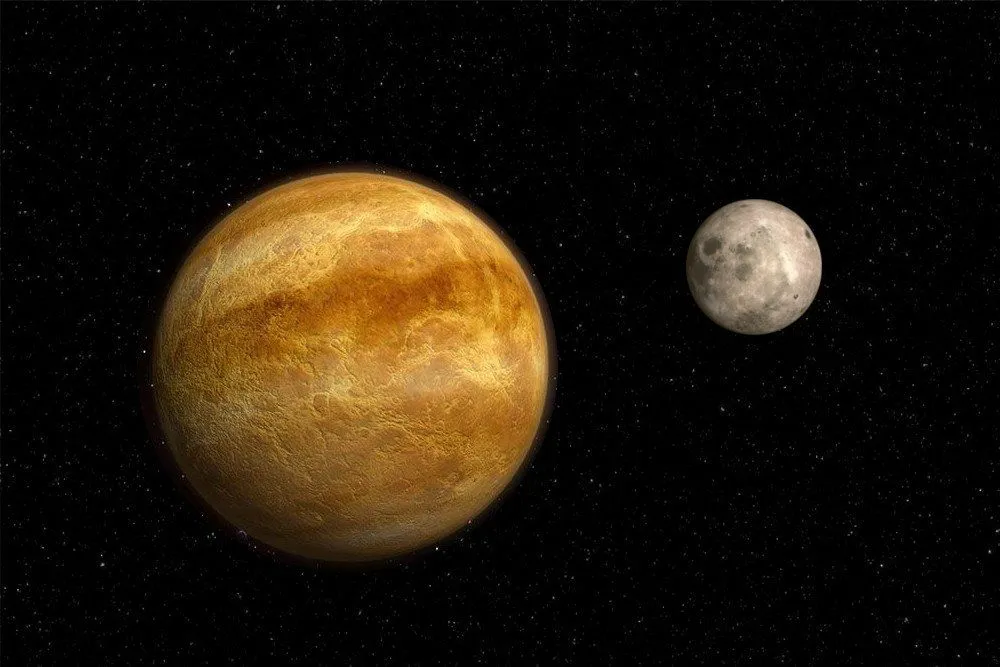
So, to summarize the moonlessness of Mercury and Venus, it is mostly attributed to their proximity to the sun. Being so close to the sun means that they are not only exposed to a lot of solar radiation, but also experience an intense gravitational pull from our star. When it comes to Mercury, it’s simply too close to the Sun to have any sustainable gravitational influence to orbit a moon around it. And for Venus, its sluggish reverse rotation makes it challenging for a moon to be bound to the planet.
A moon that is too far away from them would be in an unstable orbit, and would consequently be pulled in and captured by the mighty sun tugging on it with its monstrously high gravitational pull. On the other hand, if the orbiting moon is too close to the planet, it would be torn apart by strong tidal forces. In the case of Venus, the moon would lose energy due to atmospheric friction and crash into the planet. That is likely why we see so many craters on Venus. It has had massive collisions in the past, meaning that any moon that may have formed couldn’t stay in orbit for very long.