Table of Contents (click to expand)
A huckleberry is a small, round, edible wild berry native to North America. The name covers two different plant groups in the heath family (Ericaceae): western huckleberries belong to the genus Vaccinium (the same as blueberries), while eastern huckleberries belong to Gaylussacia and are distinguished by ten hard, crunchy seeds inside each berry. Huckleberries resist domestication and are still mostly foraged from the wild.
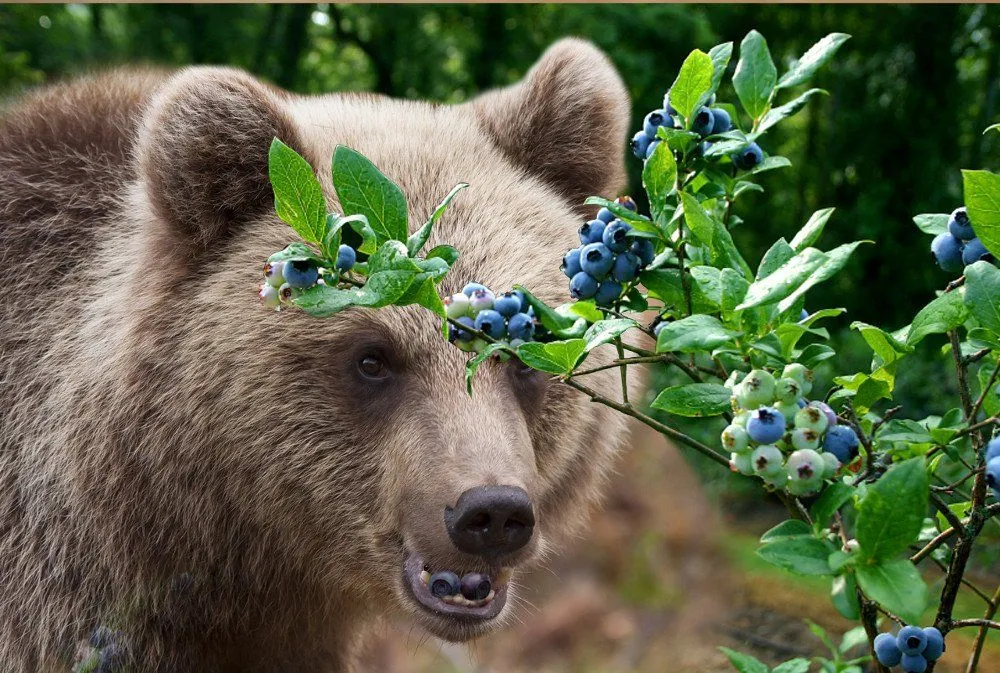
If you are hiking in the mountains of Montana and discover a cluster of blueberries lurking behind green leaves, the chances are that they are actually huckleberries. At this point, I would also advise you to run for your life because you might be in a grizzly bear’s favorite patch. Grizzly bears travel long distances specifically to find huckleberries, one of their favorite meals, that make up a large part of their food in late summer.
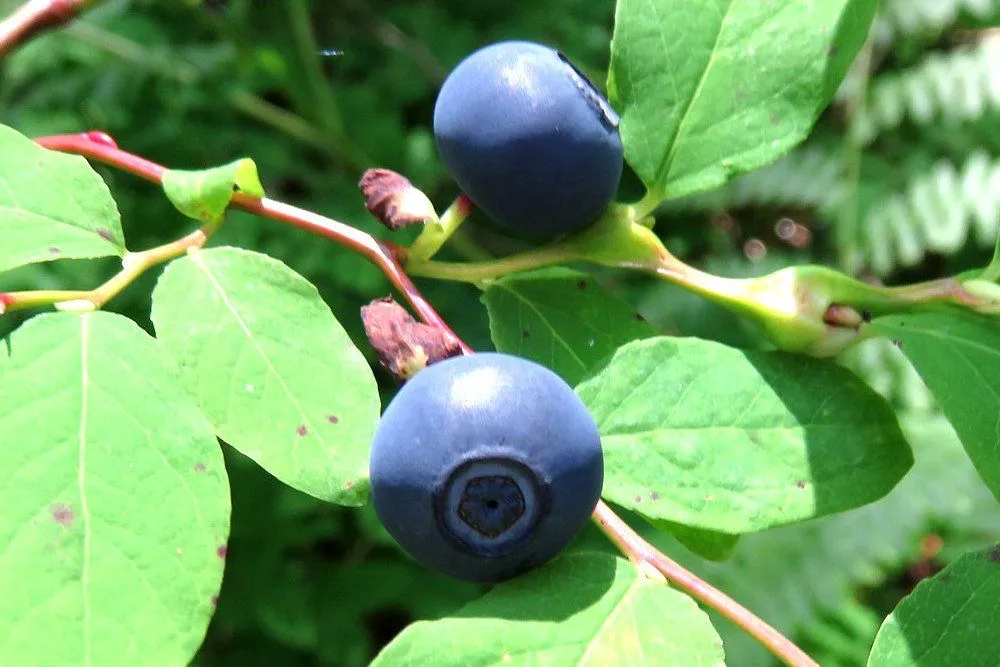
Huckleberries are so common in Montana that their popularity has earned them a cult following. Several communities in Montana celebrate festivals dedicated exclusively to huckleberries. In fact, Huckleberry is the state fruit of Idaho.
Classification Of Huckleberry Plant
Huckleberry is a term used in the US to describe numerous variations of plants, all of whom bear small berries that take on different colors, such as red, blue, or black.
The plants collectively belong to the family Ericaceae, a family of flowering plants commonly referred to as the heath family. They thrive on acidic, nutrient-poor soils, which is why members of the broader heath family can be found from temperate forests all the way up into the High Arctic and on subantarctic islands. Huckleberry plants themselves, however, are native to North America, mostly the Pacific Northwest and the eastern United States.
History Of Huckleberries In The USA
The name huckleberry is a North American variation of the English dialectal name hurtleberry or whortleberry. According to one fable, it got its name by mistake and is actually a corruption of different names. When early American colonists encountered native American berries, they misidentified them as European berries called hurtleberries. The berries were called hurtleberries until 1670 when the name was gradually corrupted to huckleberry.
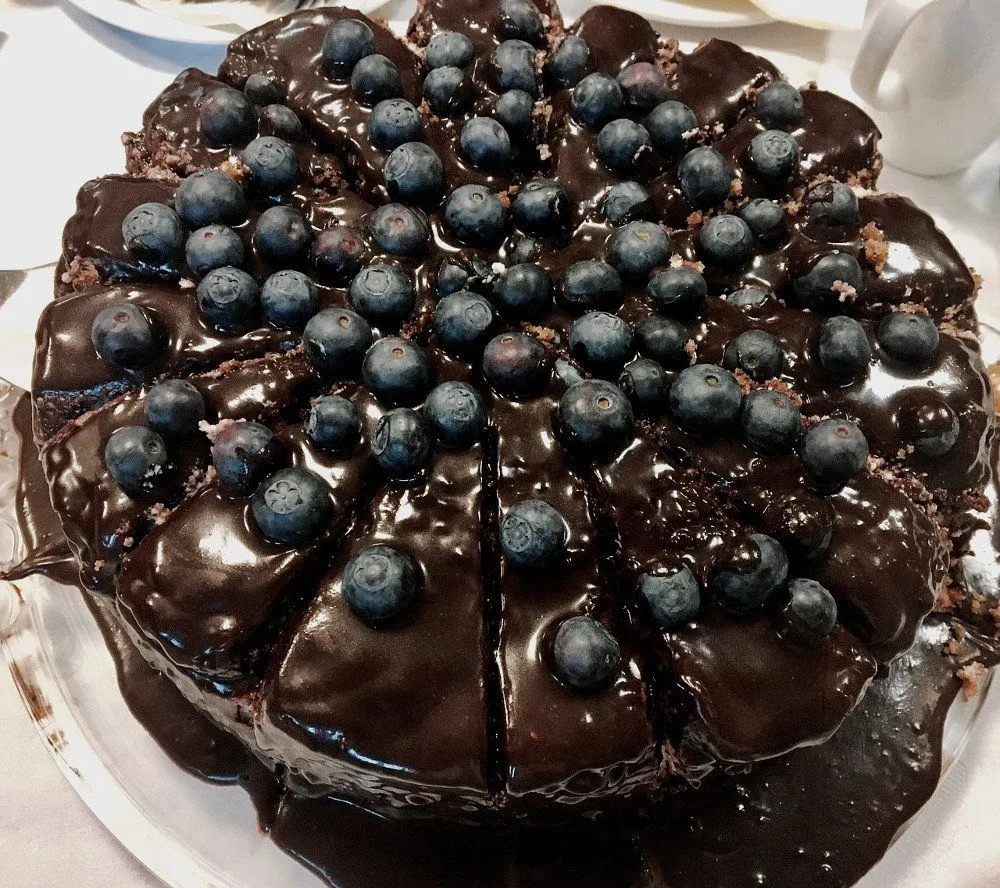
The native Americans and First Nation peoples in the Pacific Northwest also collected huckleberries for food and traditional medicine. The berries are known to relieve pain, ease heart ailments and treat several infections. Later, their sharp sweetness led to them being recruited to prepare various popular foods and beverages, such as jam, pudding, candies, pies, muffins, pancakes, juice, tea, soups, and syrups. Besides grizzly bears, birds, deer, and coyotes are some of the other wild animals who find huckleberries irresistible.
However, there are some exceptions in this group that do not possess the delightful sweetness of sugar. Some taste tart, while others contain bitter seeds. Their taste is similar to certain blueberries, and in fact, huckleberries and blueberries are very close cousins.
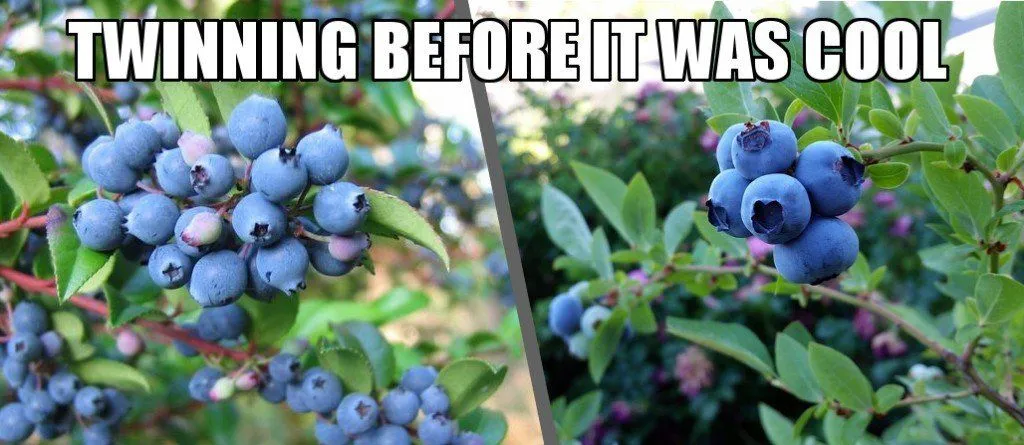
Both belong to the same family, which gives them very similar characteristics. Huckleberries are 5-10 mm in diameter and uncannily resemble dark blueberries, which makes us wonder how foragers can even differentiate between them.
What’s The Difference Between Huckleberries And Blueberries?
The differences between the two species are less botanical and largely geographical. Common names may refer to either of the different flowering species or the same plant in different parts of the US. The common names make sorting processes difficult. As mentioned, both are called whortleberries, defined as the members of the plant family Ericaceae. The subtle differences surface when we peek beneath the skin.
In east and southwestern states, huckleberries belong to the genus Gaylussacia. In contrast, in the northwestern states, huckleberry species are members of the genus Vaccinium, the same genus of blueberries cherished by many. The berries hold the key to why, despite the perceptible similarities, different botanical names have been coined.
Both western huckleberries and blueberries have five chambers in their ovaries, and therefore tiny, soft, almost imperceptible seeds. Still, blueberries sprout berries in clusters, whereas huckleberries produce single berries where the leaves join the stem, with the fruit borne on new shoots. On the other side, literally, eastern huckleberries (genus Gaylussacia) bear fruit singly as well, but their flowers have ten chambers in the ovary instead of five, which produces ten distinctly hard, crunchy seeds inside each berry. Also, a single huckleberry plant yields less than a blueberry plant, but the former’s fruit has intense and flavor-rich chemicals, making it more preferable to some.
Another major difference is that, unlike blueberries, huckleberries despise domestication. In other words, huckleberries cannot be grown in your back garden; they are traditionally harvested from the wild. Yes, one can find “garden” huckleberries around, but again, common names are to be blamed for this misclassification. These impostor huckleberries are not edible until ripe and cooked. The raw, unripe fruit is actually toxic and bitter. This is how sorting difficulties are often exacerbated due to this overlapping, common nomenclature.
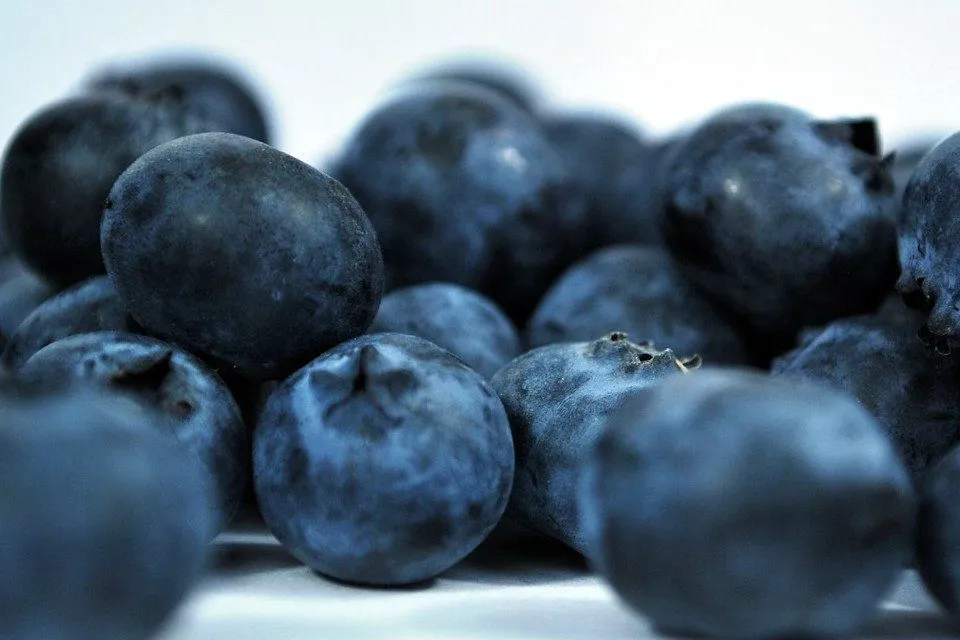
Other than enjoying fame in the kitchen, huckleberries have crept into literature as well. Their small size is conveniently cited as a metaphor for insignificance. Some scholars believe this inspired Mark Twain to name his character “Huckleberry”, an impoverished boy who perches on the lowest branches of the social hierarchy in Huckleberry Finn. These berries are also compared to persimmons, a larger fruit, to illustrate ineptitude. The phrase “a huckleberry over my persimmon” implies an activity beyond one’s abilities!
What Do Huckleberries Taste Like?
If you have only ever eaten a supermarket blueberry, a wild huckleberry is a small revelation. A fully ripe one is sweet, but it carries a brighter, more tart edge and a deeper, almost wine-like intensity that cultivated blueberries lack. There is a simple reason for the punch: huckleberries are tiny, usually 5 to 10 mm across, so they have a high skin-to-pulp ratio, and the skin is where most of the color and flavor lives.

Taste also depends heavily on which huckleberry you have picked and how ripe it is. The mountain or black huckleberry (Vaccinium membranaceum) is the one most prized for eating and pies thanks to its rich, sweet-tart flavor. By contrast, the red huckleberry (Vaccinium parvifolium) is, in the words of a USDA plant guide, "quite tart," which is why many foragers reach for the blue or black species instead. Ripeness is the other variable: a deeply colored, slightly soft berry is sweet, while a firm, dull-purple one stays sour and astringent.
One safety note is worth repeating. The true wild huckleberries described here, all members of the genus Vaccinium or Gaylussacia, are perfectly safe to eat raw once they have been correctly identified and are fully ripe. The so-called "garden huckleberry" is a different plant entirely, a nightshade relative, and its raw, unripe fruit is genuinely toxic until cooked. As with any wild berry, never eat anything you cannot identify with certainty.
Red, Blue, And Black: The Many Colors Of Huckleberry
Ask what color a huckleberry is and the honest answer is "it depends." "Huckleberry" is a catch-all common name covering a dozen or more wild species, and their ripe fruit ranges from bright red through deep blue to a near-black purple. In the West alone there are at least seven wild Vaccinium species scattered across Oregon, Washington, Idaho, and parts of Montana and Wyoming, which is exactly why the names get so tangled.

The red huckleberry (Vaccinium parvifolium) bears small, brilliant red berries and grows along the Pacific Coast from southeast Alaska down to central California, often sprouting straight out of old, decaying stumps in moist coniferous forest. The black or mountain huckleberry (Vaccinium membranaceum) is the famous one: its fruit ripens from red through bluish-purple to an almost black berry about 1 cm wide, and it grows in higher-elevation forests and clearings. There is also a genuinely blue huckleberry, the Cascade or blueleaf huckleberry (Vaccinium deliciosum), which has waxy blue, sweet, and very tasty fruit, as its species name suggests. Out east, the black huckleberries people pick belong to a different genus altogether, Gaylussacia, and hide ten hard little seeds inside each berry.
So "what color is a huckleberry?" has no single answer. It is best thought of as a family of berries that happen to share a name, painted in reds, blues, and blacks depending on the species and where it grows.
Why Are Huckleberries A Grizzly Bear’s Favorite Food?
There is a reason hikers in Montana are told to make noise near a huckleberry patch. For grizzly and black bears across the interior West, late-summer huckleberries are not a snack, they are a lifeline. The berries deliver a flood of sugar-rich calories at exactly the moment a bear needs to pack on fat before its long winter sleep.

The numbers are striking. The National Park Service estimates that huckleberries make up as much as 15% of the diet of bears in and around Glacier National Park. In some grizzly populations the dependence runs far deeper: a study of bears in the Cabinet-Yaak and Selkirk ranges found that during a roughly two-month window from mid-July to mid-September, berries (mostly huckleberries) can account for upwards of 70% of the dry matter a bear eats. The same research linked good berry years to lower human-caused bear deaths, since well-fed bears wander less in search of food. Huckleberries are not only a bear treat, though. The USDA notes that songbirds, grouse, turkeys, deer, elk, foxes, and many other animals feed on the fruit, twigs, and foliage too.
This appetite also helps the plant. Bears that gorge before hibernation roam for kilometers between patches and scatter the seeds in their droppings, spreading huckleberries across the very high-country forests where they thrive, which is one more reason these stubbornly wild berries resist the back garden.
References (click to expand)
- ) is widespread from the southern United States into Canada. Box huckleberry ( - www.uidaho.edu
- Difference Between Blueberries & Huckleberries. hunker.com
- Richards, R. T., & Alexander, S. J. (2006). A social history of wild huckleberry harvesting in the Pacific Northwest.. []. U.S. Department of Agriculture, Forest Service, Pacific Northwest Research Station. Retrieved from
- Huckleberry Information and History - What's Cooking America. whatscookingamerica.net
- Red Huckleberry (Vaccinium parvifolium) Plant Guide. USDA NRCS National Plant Data Center.
- A huckleberry by any other name: The story behind Westerners' favorite wild berries. Oregon Public Broadcasting (OPB).
- Bears, Berries, and Bees: The Implications of Changing Phenology. U.S. National Park Service.
- Teisberg, J. E., et al. (2026). Huckleberry Habitat and Its Influence on Two Small Populations of Grizzly Bears (Ursus arctos). Ecology and Evolution.
- Vaccinium deliciosum (Cascade blueberry / blueleaf huckleberry). Wikipedia.