Table of Contents (click to expand)
- Where Are Mosquitoes Found Across The World?
- The Harsh Conditions In Antarctica Are Unsuitable For Mosquitoes
- Iceland’s Unique Conditions Keeps Mosquitoes At Bay
- Seychelles Is A Tropical Country With Limited Mosquito Species
- So Which Countries Are Truly Mosquito-Free?
- Are There Any US States Without Mosquitoes?
- Do Mosquitoes Live At High Altitude?
- The Importance Of Understanding The Geographic Distribution Of Mosquitoes
- In Summary
Iceland was long the only inhabited country with no mosquitoes, until three were confirmed there in October 2025; Antarctica still has none. A handful of remote tropical islands like the Seychelles, plus the central Pacific atolls, host only a few species. The common thread is missing one of mosquitoes’ basic requirements: warm temperatures, stagnant freshwater, or a stable climate without harsh freeze-thaw cycles.
Remember all the times you’ve been woken up by the buzz of a mosquito on an otherwise silent night? These blood-sucking insects not only annoyingly buzz near our ears, but also give us itchy bites and disturb our slumber. They vanish as soon as we try to get rid of them, as though they can sense a fatal swat approaching.
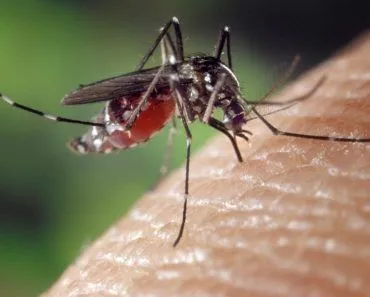
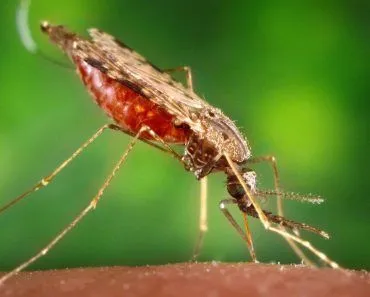
There are over 3500 species of mosquitoes found worldwide. The females from 6% of these species draw blood from humans to help develop their eggs. The bite of a mosquito can also spread the germs they carry. Mosquito-transmitted diseases kill about 500,000 people every year around the world.
Mosquitoes do particularly well in hot and humid conditions. They can lay eggs in wet conditions and thrive in warm temperatures. They do not function well in temperatures below 10 °C, and are most active between temperatures of 15 to 25°C. There are also some places in the world where mosquitoes cannot survive. Such places either lack mosquitoes altogether, or contain only a few species.
Where Are Mosquitoes Found Across The World?
Although they are more common in hot and humid tropical regions, mosquitoes are found almost worldwide. A study found that the majority of mosquitoes carrying diseases are found in Africa and Asia. Some are also localized in North America. Another study showed that some mosquito species have spread to South America and Europe.
The geographic distribution of mosquitoes varies depending on species. For example, one species occurs close to geothermal springs in Uganda, while another species is found all the way from Ireland to Central Siberia.
The tropical climate of India makes it a suitable breeding ground for mosquitoes, and India is home to over 50 species of the Anophelinae subfamily. Mosquitoes of different species inhabit several places all over the country, ranging from the foothills of the northeastern states to brackish waters of the Andaman and Nicobar Islands.
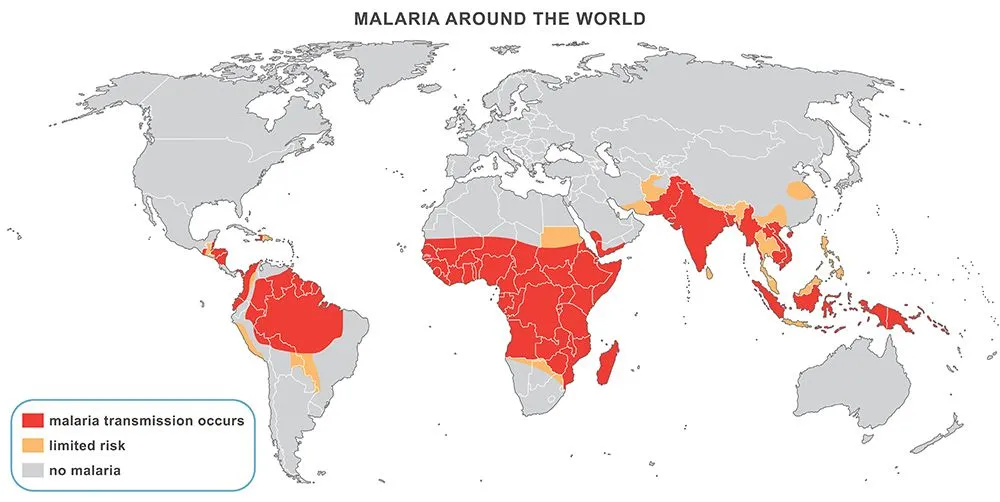
Mosquitoes do not occur in Antarctica and a few other subpolar regions. Iceland is one of the only habitable places on Earth that is mosquito-free. Some tropical islands, like the Seychelles and islands in the Central Pacific, also contain limited mosquito species.
The Harsh Conditions In Antarctica Are Unsuitable For Mosquitoes
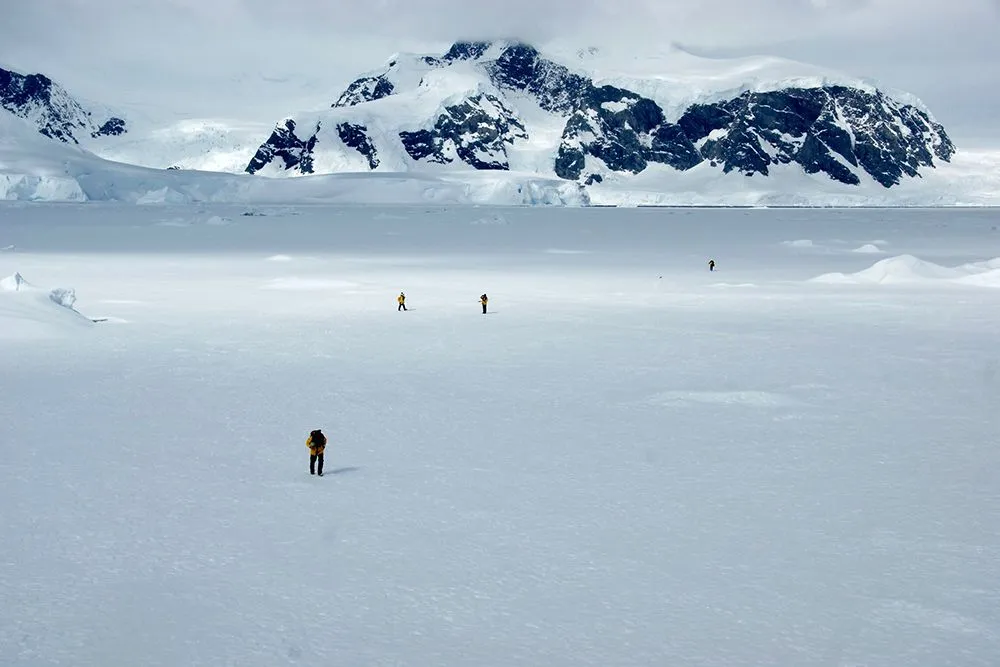
About a million species of insects exist on Earth, but only one is a true native of Antarctica that survives year-round: the flightless Antarctic midge, Belgica antarctica. (A second midge, Parochlus steinenii, is found in the sub-Antarctic.) These tiny midges have evolved freeze-tolerant biochemistry to survive the extreme cold. Mosquitoes, which lack such mechanisms, do not do well in the harsh climate of Antarctica. Besides the freezing cold and limited food, there is no stagnant water where mosquitoes can lay eggs. There are also no places for mosquitoes to burrow, and the cold makes it difficult for them to fly.
Iceland’s Unique Conditions Keeps Mosquitoes At Bay
Iceland isn’t as cold as Antarctica, and lakes and ponds where mosquitoes could breed are plentiful. Despite this, Iceland was for a long time the only inhabited country on Earth with no mosquitoes at all, even though neighboring countries like Norway, Denmark, Scotland, and Greenland have them in abundance.
Some scientists hypothesize that Iceland’s oceanic climate helps control mosquitoes. In other cold places, when mosquitoes lay eggs in winter, the larvae emerge only after spring has broken. Iceland has cool summers and cool winters, as well as multiple freeze-thaw cycles each year. This can create conditions that may be too unstable for the survival of mosquitoes.
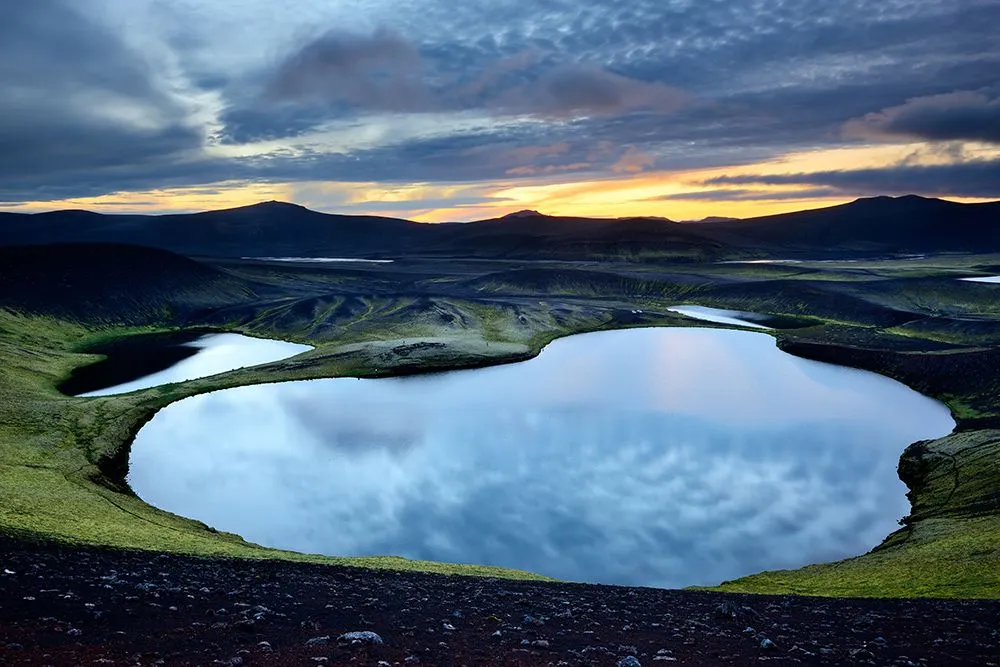
Another theory is that the chemical composition of the water and ground keeps the bugs at bay. Scientists had long guessed that mosquitoes could one day be carried to Iceland on airplanes or ships and adapt to the climate there. In October 2025, that finally happened.
Between 16 and 18 October 2025, insect enthusiast Björn Hjaltason caught three mosquitoes (two females and one male) on wine-soaked ropes in a garden at Kjós, north of Reykjavík. Entomologist Matthías Alfreðsson of the Natural Science Institute of Iceland identified them as Culiseta annulata, the banded house mosquito, a cold-hardy Palearctic species that overwinters as an adult in sheltered spots like barns and basements. It was the first time mosquitoes had been recorded in the wild in Iceland’s history, leaving Antarctica as the only sizeable mosquito-free region left on the planet. Culiseta annulata is regarded as a biting nuisance rather than a major disease carrier. Researchers cautioned that it is not yet clear whether the insects have established a breeding population, and they were divided over how much to credit a warming Arctic. Some pointed to milder winters and a longer warm season, while others noted Iceland may simply have been hospitable enough once the species arrived by ship or plane.

Seychelles Is A Tropical Country With Limited Mosquito Species
The Seychelles have a tropical climate that should, normally, be conducive for mosquitoes. Despite this, the islands do not have more than a few species of mosquitoes. Anopheles mosquitoes, infamous for carrying malaria-causing germs, are not found in the Seychelles island group.
Mosquitoes of Anopheles species were briefly introduced to the Aldabra region in Seychelles by a boat arriving from Madagascar in 1908. This led to widespread malaria cases, but the mosquitoes were eventually eliminated from the region. In fact, there has been no incidence of locally acquired malaria in Aldabra since 1931!
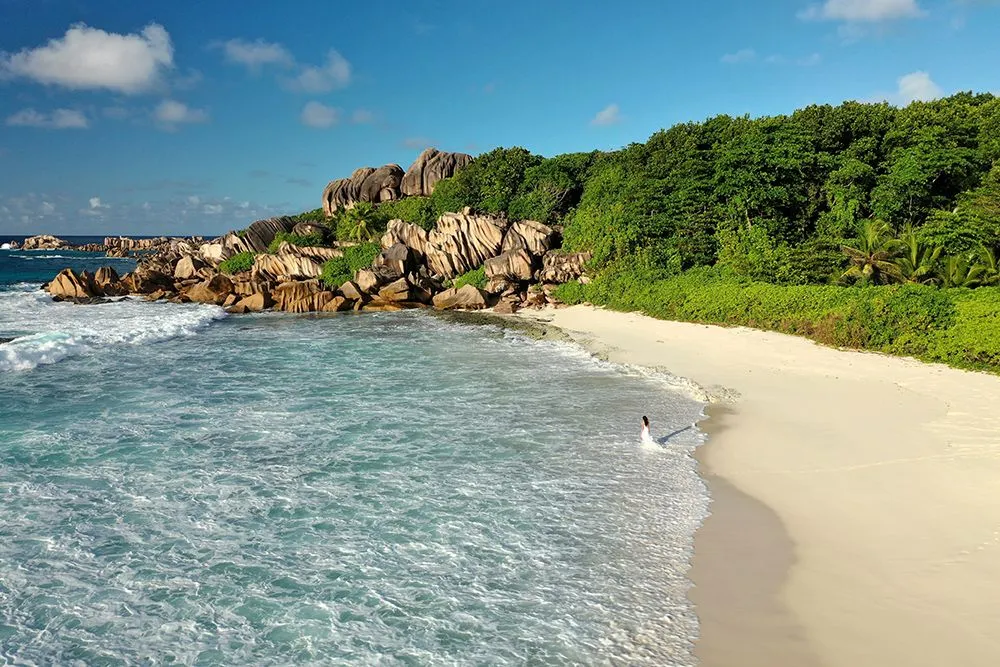
Scientists think that these islands’ remoteness and seasonal winds protect them against mosquitoes. Moreover, the steep slopes on the islands means stagnant freshwater is not commonly found, and mosquito larvae require stagnant freshwater to develop. Some parts of the islands face a long and dry season of up to nine months and have no sources of natural freshwater. All these conspiring factors make it impossible for some species of mosquitoes to thrive in the Seychelles.
So Which Countries Are Truly Mosquito-Free?
If you are looking for a holiday spot where nothing whines in your ear at night, the honest answer is that the list is very short and getting shorter. Mosquitoes live on every continent except Antarctica, and they turn up in almost every country on Earth. Until October 2025, Iceland was the single famous exception, an inhabited country with no mosquitoes at all. With three Culiseta annulata now confirmed there, Antarctica is the only large region that remains genuinely mosquito-free.
Beyond that, the picture is one of fewer mosquitoes rather than none. Remote islands tend to be the best bet, because mosquitoes have to be blown in or carried in by ship or plane before they can take hold. The Seychelles has culicine mosquitoes but no malaria-carrying Anopheles, and some central Pacific atolls and parts of French Polynesia historically had unusually few species. Even there, the gap is closing as global trade and travel ferry eggs and adults to new shores, which is exactly how dengue-spreading Aedes mosquitoes have expanded their range in recent decades. So rather than chasing a mythical mosquito-free country, it is more realistic to look for places where cold, aridity, or remoteness keeps numbers low.
Are There Any US States Without Mosquitoes?
No US state is mosquito-free. According to the Centers for Disease Control and Prevention (CDC), more than 200 kinds of mosquito live in the continental United States and US territories, and about a dozen of them spread germs that can make people sick. What changes from state to state is not whether mosquitoes are present, but how many there are and how long their season lasts.

The states with the fewest mosquitoes are the dry, high-desert ones in the interior West, such as Nevada, Arizona, Utah and Idaho. The reason comes straight from the biology covered above: mosquito larvae need standing freshwater to develop, and these states are simply too arid to offer much of it, while summer heat well above 35 °C (95 °F) pushes adults past their comfort range. Even so, mosquitoes cluster wherever water collects, around irrigation canals, golf courses, garden ponds and storm drains, so no part of the country is truly off-limits to them. Humid, warm states in the Southeast such as Florida, Louisiana and Texas sit at the opposite end of the scale, with long seasons and dozens of species.
Do Mosquitoes Live At High Altitude?
Climbing high is another way to escape mosquitoes, though not as reliably as you might hope. Most mosquitoes are weak, low fliers that spend their time within a few meters of the ground, and their activity falls off sharply once temperatures drop below about 10 °C (50 °F), which is exactly what happens as you gain elevation. That is why mountain summits and high passes feel blissfully bug-free compared with a warm, marshy valley.

There is no single hard ceiling, though. Researchers long treated land above about 2,000 meters as effectively malaria-free, but field studies in the Ethiopian highlands have since found Anopheles mosquitoes and local malaria transmission above 2,400 meters, a shift the authors link partly to a warming climate. The limit is really temperature, not height as such, so it rises in warm regions and on warmer years. The takeaway is that high ground means far fewer mosquitoes, but rarely a guaranteed zero.
The Importance Of Understanding The Geographic Distribution Of Mosquitoes
Mosquitoes are more than just annoying insects. They can carry potentially lethal diseases. Knowing which mosquito species are focused in specific locations on the globe can help researchers identify populations at higher risk of mosquito-borne diseases, which can then guide future public health efforts.
In Summary
Mosquitoes lack biochemical mechanisms to survive in cold and dry places, so they require hot and humid conditions to thrive. Their larvae also need stagnant freshwater sources to properly develop. The absence of some or all of these factors means that some areas on Earth have no mosquitoes, while some areas have limited mosquito species. Polar and sub-polar regions have very few or no mosquitoes: Antarctica has none, and Iceland had none at all until the first ones were confirmed there in October 2025. Remote tropical islands like the Seychelles also have surprisingly few mosquito species.
References (click to expand)
- Gao, H., Cui, C., Wang, L., Jacobs-Lorena, M., & Wang, S. (2020, February). Mosquito Microbiota and Implications for Disease Control. Trends in Parasitology. Elsevier BV.
- Robert, V., Rocamora, G., Julienne, S., & Goodman, S. M. (2011, February 8). Why are anopheline mosquitoes not present in the Seychelles?. Malaria Journal. Springer Science and Business Media LLC.
- Why are there no mosquitos in Iceland, when they live on ....
- Would it be wrong to eradicate mosquitoes?.
- Europe's Mosquito-Free Island Paradise: Iceland.
- Where to Move if You Hate Mosquitoes.
- Mosquitoes.
- Iceland Is No Longer Mosquito Free. Is Climate Change to Blame? Smithsonian Magazine.
- About Mosquitoes in the United States. Centers for Disease Control and Prevention (CDC).
- Variation in species composition and infection rates of Anopheles mosquitoes at different altitudinal transects. Parasites & Vectors.