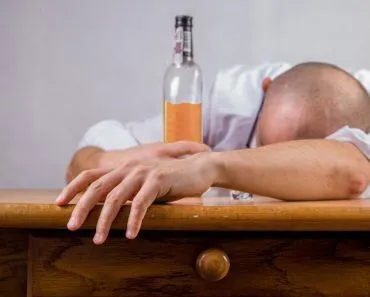
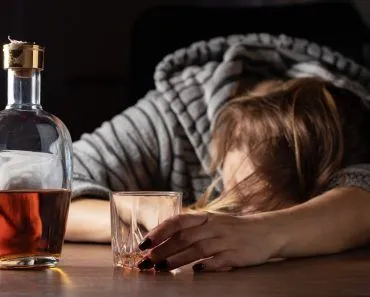
Cheap or low-quality liquor tends to give worse hangovers because it carries higher levels of congeners (fusel alcohols, methanol, acetaldehyde, esters and other fermentation by-products) that the body treats as mild toxins. Better-distilled, top-shelf spirits are filtered or distilled more thoroughly to remove these compounds. The ethanol content (and thus how drunk you get) is similar; it’s the impurities, not the alcohol itself, that make the hangover savage. Dark spirits like bourbon, brandy and whisky have more congeners than clear spirits like vodka.
A friend recently told me that, after a night of hard partying, he suffered through a terrible hangover. He said that he drinks frequently, but the hangovers that he gets are never as bad as the one he had that day. He also added that he thought it was because he had chosen cheap booze the night before to save a few bucks, which be blamed for the savage hangover.
I agreed with him.
First off, it’s important to note that not all cheap or inexpensive alcohol is bad. We use the word ‘cheap’ in this article to refer to ‘low-quality’ alcoholic drinks.
Trace Alcohols
One of the main reasons why cheap alcoholic drinks (may) cause a very bad hangover is that they contain a certain amount of trace alcohols.
You see, the alcohol you consume is not pure alcohol, of course. The label of any alcohol usually contains a notation of how much alcohol content it has.
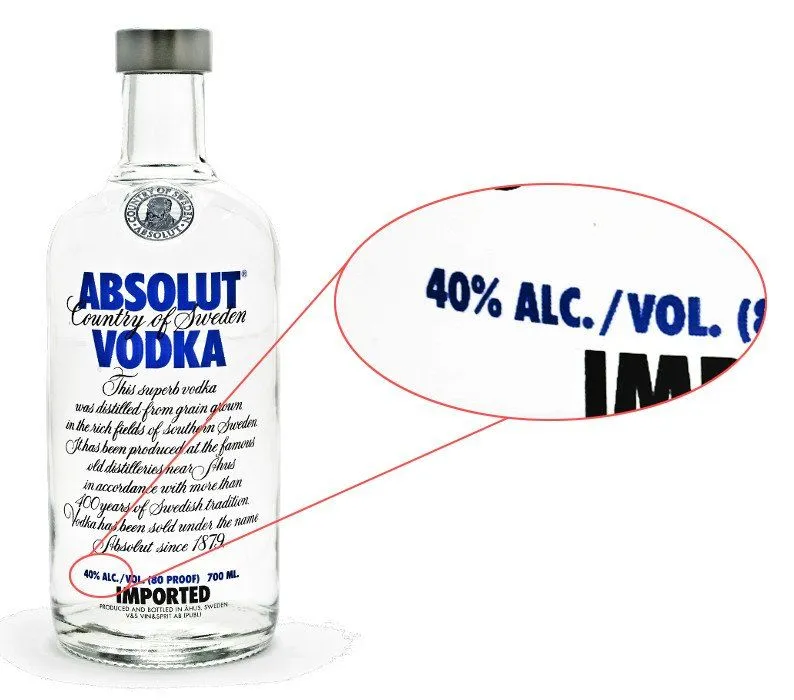
If the label on a vodka bottle says 40%, it means that 40% of the content of that bottle is ethanol. Now, the brewing process that creates ethanol also creates a number of other trace alcohols (like methanol). These trace alcohols can really mess up your system, especially when consumed in higher quantities.
Congeners
One of the byproducts of the mash fermentation process is congeners. Also known as fusel alcohols or fusel oils (in Europe), these are a mixture of several alcohols that are produced as a result of alcoholic fermentation. The word ‘fusel’ is German for ‘bad liquor’.
There are many kinds of fusel oils, some of which are higher-order alcohols. These are the alcohols that have more than 2 carbons (ethanol has 2 carbon atoms, so non-ethanol alcohols are called higher-order alcohols) and therefore have a higher boiling point and molecular weight.

The thing about higher alcohols is that our bodies can’t really process them. Our bodies treat them like poison, and a headache is a very common symptom of the body processing poison.
Therefore, it’s highly likely that cheap alcoholic drinks have higher than usual amounts of trace alcohols, which often result in an unpleasant feeling and a raging hangover when consumed. (Note: different people have different reactions to these alcohols, as in, some people tolerate cheap booze better than others.)

Purity
In order to separate alcohol from water, a process called distillation is used. It is carried out by raising the temperature of the water-alcohol mixture to below the boiling temperature of water, but above the boiling temperature of alcohol. The alcohol (present in the alcohol-water mixture) turns into vapor, which is then collected and ultimately condensed to turn back into liquid again. Thus, you have pure alcohol at the end of the distilling process.
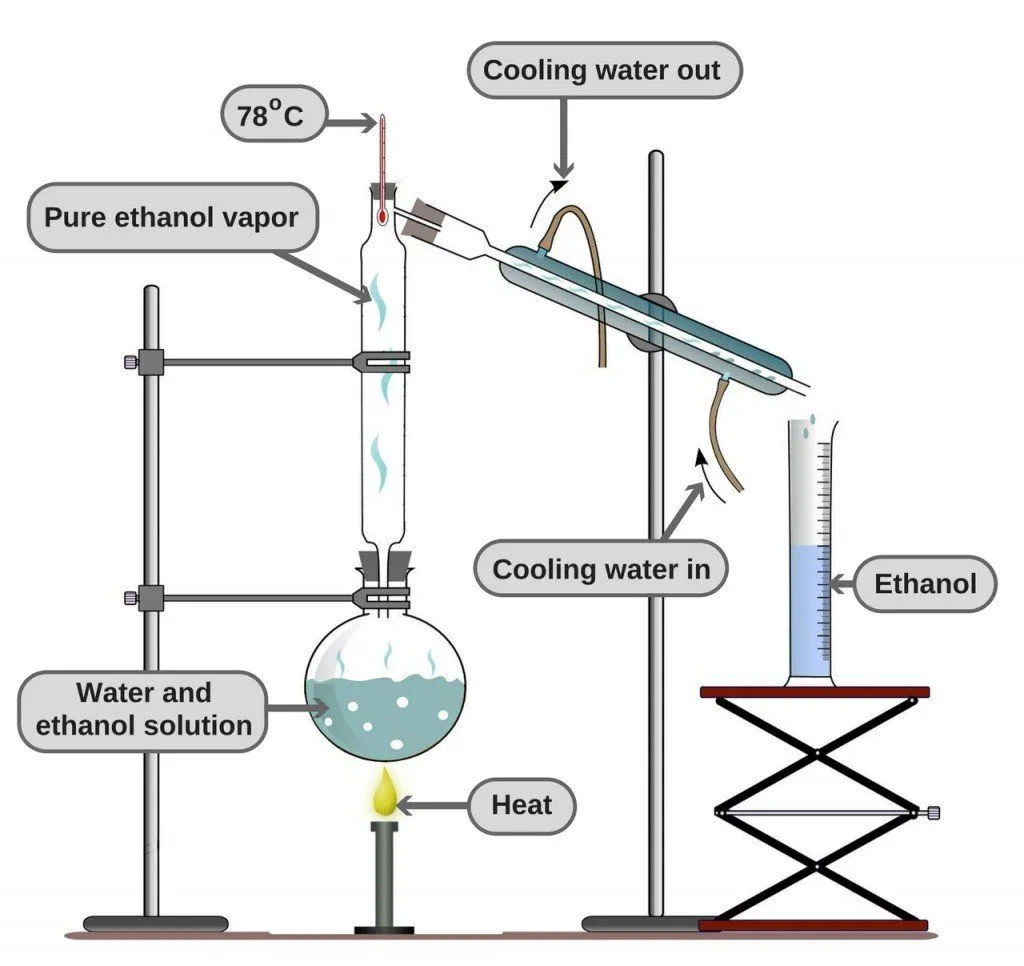
Now, it’s interesting to note that distillation is typically carried out a number of times so that the purity of alcohol is maximized. As such, a better-quality alcohol can be assumed to have been distilled multiple times, but a cheap alcoholic beverage may have been distilled only 1-2 times.
So, if you drink cheap booze, you risk taking in more impurities to your system than your body can easily process. Hence, the godawful hangover.
Why Does Cheap Liquor Give You A Headache?
The pounding head is usually the first thing people notice, and it’s the single most common reason readers come looking for this article. So why does a night on cheap booze leave you with a worse headache than the good stuff?

Here’s the honest answer that most websites skip: scientists don’t fully know. A major review of hangover research in Alcohol Health & Research World flatly states that “the etiology of hangover headache remains unknown.” What we do have is a list of strong suspects, and cheap liquor tends to load up on several of them at once.
The leading suspect is methanol, one of the trace alcohols we met earlier. Your liver uses the same enzyme (alcohol dehydrogenase) to break down both ethanol and methanol, but it has a far higher appetite for ethanol. So while there’s still drinking alcohol in your system, the methanol just sits there, untouched. Only once the ethanol clears does your body start converting methanol into formaldehyde, and then into formic acid, both genuinely toxic compounds. Researchers have noted that blood methanol stays elevated for hours after the ethanol is gone, lining up neatly with the time your hangover tends to peak. Cheaper, less-distilled spirits carry more methanol to begin with, so there’s more of this toxic clean-up to do the morning after.
On top of that, alcohol is a diuretic, so it leaves you dehydrated, and the resulting drop in blood volume and shift in your body’s salts is a classic headache trigger. Add the congeners we discussed (which the body treats as mild toxins), and a cheap drink simply stacks more irritants onto an already sensitive system. The takeaway: it’s probably not one villain but several, and low-quality liquor brings more of each to the party.
Is Cheap Alcohol Actually Worse For You, Or Just The Hangover?
This is the question I get asked most once the hangover talk is over: is the cheap stuff genuinely more harmful, or does it just make the next morning more miserable? It’s worth separating the two, because the answer is reassuring on one count and sobering on the other.

The best evidence comes from a controlled study at Brown University, led by Damaris Rohsenow. Ninety-five healthy heavy drinkers drank to a matched breath-alcohol level of about 0.11% on two separate nights, once with bourbon and once with vodka. Bourbon carries roughly 37 times the congeners of vodka, and sure enough, people reported feeling distinctly worse the morning after the bourbon. But here’s the key finding: their next-day performance on attention, reaction-time and coordination tests was no worse after bourbon than after vodka. As the researchers put it, congener content affects how you feel, but it doesn’t appear to increase the risk to your functioning.
That points to the real answer. The compound doing the lasting damage in any alcoholic drink, cheap or top-shelf, is the same molecule: ethanol. A review of the congener research concluded that ethanol itself is the main source of a hangover, with the trace impurities playing only a secondary role. The long-term harms of drinking, to your liver, heart and brain, track the amount of ethanol you put away, not the price tag on the bottle. There simply isn’t good evidence that an expensive spirit is physically safer than a cheap one at the same dose. So cheap liquor earns you a rougher hangover, but a pricey bottle is not a health upgrade. If you’re worried about the harm, the lever that matters is how much you drink, not what you paid for it. (And remember that on an empty stomach, even a modest amount hits harder and faster.)
Had Too Much Alcohol? Get Ready For A Hangover!
Remember that, regardless of whether you consume an expensive alcoholic drink or a cheap one, consuming any alcoholic beverage, especially in excess, can lead to an appalling hangover. And the root cause behind that is dehydration.

You see, alcohol is a diuretic. This means that it’s something that makes you urinate more frequently. When you pee more, your internal organs obviously get less water than they normally do. In a bid to sustain themselves, they try to take in as much water as they can get their ‘hands’ on, including from the water supply of your brain.
This irritates the brain, and bam! You’ve got yourself a dreadful hangover!
So, it’s best to keep a check on your alcohol consumption, especially if you’re binge-drinking (which is actually very difficult, because the more your drink, the more you want to go on drinking), because if you drink to excess, an awful hangover is coming, whether you like it or not.

References (click to expand)
- Hangovers | Office of Substance Use Programs Education & Resources - super.stanford.edu
- Hypoglycemia and alcohol | Go Ask Alice! - goaskalice.columbia.edu
- Hangover Clarity - | Exploratorium. The Exploratorium
- What's your poison? | New Scientist. New Scientist
- Verster, J. C. (2008, January 23). The alcohol hangover-a puzzling phenomenon. Alcohol and Alcoholism. Oxford University Press (OUP).
- Rohsenow, D. J., et al. (2010). Intoxication With Bourbon Versus Vodka: Effects on Hangover, Sleep, and Next-Day Neurocognitive Performance in Young Adults. Alcoholism: Clinical and Experimental Research.
- Rohsenow, D. J., & Howland, J. (2010). The Role of Beverage Congeners in Hangover and Other Residual Effects of Alcohol Intoxication: A Review. Current Drug Abuse Reviews.
- Methanol Toxicity. StatPearls. NCBI Bookshelf.
- Swift, R., & Davidson, D. (1998). Alcohol Hangover: Mechanisms and Mediators. Alcohol Health & Research World.