Drying method itself barely changes absorbency. The real culprit is fabric softener: its waxy, water-repelling coating clogs the cotton’s wicking action, so any towel washed with softener absorbs less. Because softener is used more often before air-drying (to fight stiffness), air-dried towels can end up feeling less absorbent than machine-dried ones. Skip the softener and the gap disappears.
For those of you who take your laundry activities very seriously, and pay attention to the quality of your fabrics, the debate between air-drying and machine-drying is a constant battle. While the pros and cons of these two drying approaches is discussed at length here this article is specifically related to the absorbency of the towel after it has been dried.
 Most people won’t notice the difference, but those keen sticklers will always know if their towel has been line- or tumble-dried. The mystery to this, of course, is that if both approaches dry out the fabric by removing water molecules, why would machine-dried towels be less absorbent after future showers than those towels hung on a line out in the yard?
Machine-Dried Vs. Line-Dried Towels
When you wash a load of clothes, you typically do so with laundry detergent or bleach, which is then rinsed off, leaving your clothes soft and clean, ready to be brought back out into the world. However, there is another addition that many people like to include in their laundry loads: fabric softener. This is especially popular if people are going to air-dry or line-dry their clothes, since the fabric softener will prevent the stiffness and clumping that often occurs when clothes dry on the line.
If you add that liquid fabric softener to your laundry load, as so many people do, some residue of that substance will remain on the fibers of the towel after it is done being washed. Remember, the addition of fabric softener is usually seen as a “post-laundry” addition; in automatic machines, the softener may not be added until the rinse cycle. Therefore, when you hang it on the line, that thin layer of the substance will often remain on the towels, where it will help prevent clumping and hard patches, which can make the drying experience unpleasant.
 However, therein lies the “rub”. While that fabric softener makes the towels feel better against the skin, that residue also reduces the absorbency of the towels. The active ingredients in most softeners are cationic (positively charged) compounds that latch onto the negatively charged cotton fibers and leave behind a thin, waxy, water-repelling coating. That coating is exactly what makes the towel feel plush, but it also blocks the capillary wicking that normally pulls water up into the cotton, which is why it might not feel like the towel is doing much to help you dry off! The friction and heat of a regular dryer, as opposed to air-drying your clothes, will make this absorbency issue less noticeable; furthermore, since fabric softener isn’t as commonly added to laundry loads that will be machine-dried, the problem doesn’t arise as often.
Dryer sheets are an easy solution that can keep clothes soft and static-free, which is another reason why people often go with the convenience of tumble-drying their clothes.
A Solution To The Problem?
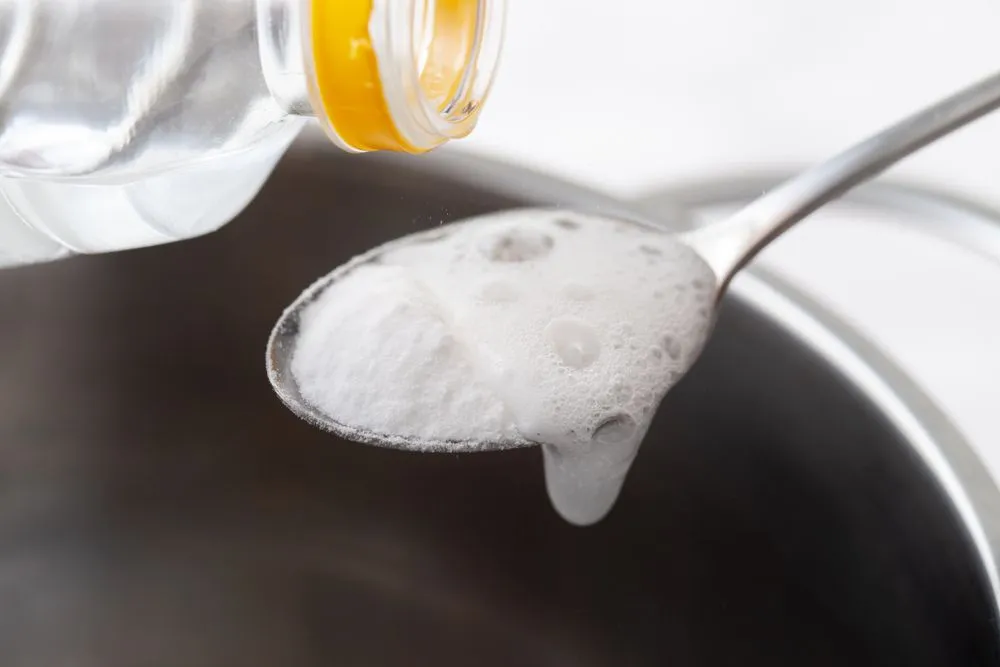
There are some other approaches to keeping clothes soft without the addition of fabric softener, even if you’re planning on hanging them out on the line. Perhaps the most well-known DIY approach is simply adding some white vinegar to your rinse cycle instead of fabric softener. The mild acetic acid in the vinegar cuts through the waxy softener residue and helps strip it out of the clothes during the final spin, leaving the fibers free to wick water again. A half-cup per load (about 120 mL) should be more than enough to have the desired effect, and it rinses away clean without leaving a vinegar smell.
Dryer “balls” are also growing in popularity in recent years. Crumpling up a ball of aluminum foil and tossing it into the dryer can reduce static (the metal harmlessly draws off the charge that builds up as clothes tumble), but it won’t boost softness. Purpose-made wool or rubber dryer balls bounce around and keep the laundry from clumping, so it tumbles freely and dries faster, and because they leave no chemical residue, they don’t hurt absorbency the way liquid softener does. The ideal solution to this problem, of course, is to simply eliminate fabric softener use of any kind, which will leave your towels equally absorbent, regardless of how you choose to dry them.
Why Do Air-Dried Towels Feel Stiff In The First Place?
Here is the part most people never stop to question: if a tumble-dried towel comes out soft and a line-dried one comes out crunchy, what is actually happening to the fibers? You might assume the towel is simply "drier" off the line, but the opposite is closer to the truth. The stiffness comes from the tiny bit of water that stays behind.

Cotton is made of cellulose, and cellulose holds onto water tightly. Even a towel that feels bone-dry still carries roughly 8% of its weight in moisture under normal room conditions. In 2020, a team led by Takako Igarashi of Japan's Kao Corporation, working with Ken-ichiro Murata at Hokkaido University, used atomic force microscopy to look directly at this leftover water on individual cotton fibers. Writing in the Journal of Physical Chemistry C, they showed that this "bound water" behaves less like a free liquid and more like glue. Through hydrogen bonds, it bridges neighboring fibers together by capillary adhesion, locking the fabric into a stiff, cross-linked mesh as it dries.
So why does a tumble dryer rescue the same towel? The answer is movement. As the load tumbles, the constant flexing and beating snaps those water-mediated bonds before they can set, so the fibers stay loose and the surface feels plush. A towel hung outdoors in still air never gets that workout, so the bonds harden in place. The Kao researchers even confirmed the link in reverse: when they drove every last trace of water out of a stiff towel by heating it in a vacuum, the fluffiness came back. Bound water, not the drying method on its own, writes the texture. (For more on this curious effect, see our companion piece on why clothes feel soft from the dryer but crunchy off the line.)
Do Dryer Sheets Also Hurt Absorbency?
It is tempting to treat dryer sheets as a clean alternative to liquid softener, but chemically they are cut from the same cloth. Both rely on cationic (positively charged) softening agents, typically quaternary ammonium compounds, that cling to the negatively charged cotton and lay down a thin, lubricating film. A dryer sheet just delivers that film a different way: the heat of the drum melts the coating off the sheet and transfers it onto your clothes as they tumble. The softness you feel afterward is the same kind of waxy layer that liquid softener leaves, which means it can dull absorbency through the very same route, by getting in the way of the capillary wicking that pulls water into the fibers.
The difference is mostly one of dose. A single dryer sheet deposits far less coating than a capful of liquid softener poured into the rinse, so a one-off use barely registers on a fresh towel. The trouble tends to show up gradually: use a sheet on every load and the residue builds up, layer on layer, until towels and moisture-wicking athletic wear can noticeably stop soaking up water. This is one reason fabric softeners and dryer sheets are widely flagged as a poor match for towels and microfiber. If you want the static gone without the buildup, the residue-free options from the previous section, wool or rubber dryer balls, do the job without coating the cotton.
The bottom line is, whether you tumble dry or line dry your towels, there could be absorbency issues if you use a traditional fabric softener. If you want your towels (as well as athletic wear and other microfiber materials) to come out soft and fully functional, you may need to use some of the tips, tricks and advice you learned in this article!
References (click to expand)
- The Effects of Household Fabric Softeners on Cotton and Polyester Fabrics - Virginia Tech (VTechWorks)
- The Physics of Drying Cloth - conservationphysics.org
- Fabric Softener - Wikipedia
- Direct Observation of Bound Water on Cotton Surfaces - The Journal of Physical Chemistry C (ACS)
- Why Towels Get So Stiff When You Dry Them on the Line - American Institute of Physics
- Elucidation of Softening Mechanism in Rinse Cycle Fabric Softeners - Journal of Surfactants and Detergents (PMC)