Table of Contents (click to expand)
- Why Do They Spray Water On Fruits And Vegetables At Grocery Stores?
- How Do Plants Stay Hydrated (When They’re Still In The Ground)?
- Hydration Of Greens In Grocery Stores
- Spraying Water On Vegetables Makes Them Look Fresh
- Using The Concept Of Osmosis, Why Does Spraying Change The Produce And Help The Store?
- Excess Misting On Vegetables Can Be Counter-productive
Grocery stores spray water on fruits and vegetables so that osmosis can pull water into the plant cells. The mist creates a hypotonic environment outside the cell wall, raising the cells’ turgor pressure and keeping leafy produce firm, crisp, and visually fresh. Without misting, the cells lose water, lose turgor, and visibly wilt.
If you’re the kind of person who buys your own vegetables, then you have probably observed at your local grocery stores that the staff keeps spraying water on the vegetables and fruits. Since the plants have already been uprooted, why do they need to be sprayed so often?
Why Do They Spray Water On Fruits And Vegetables At Grocery Stores?
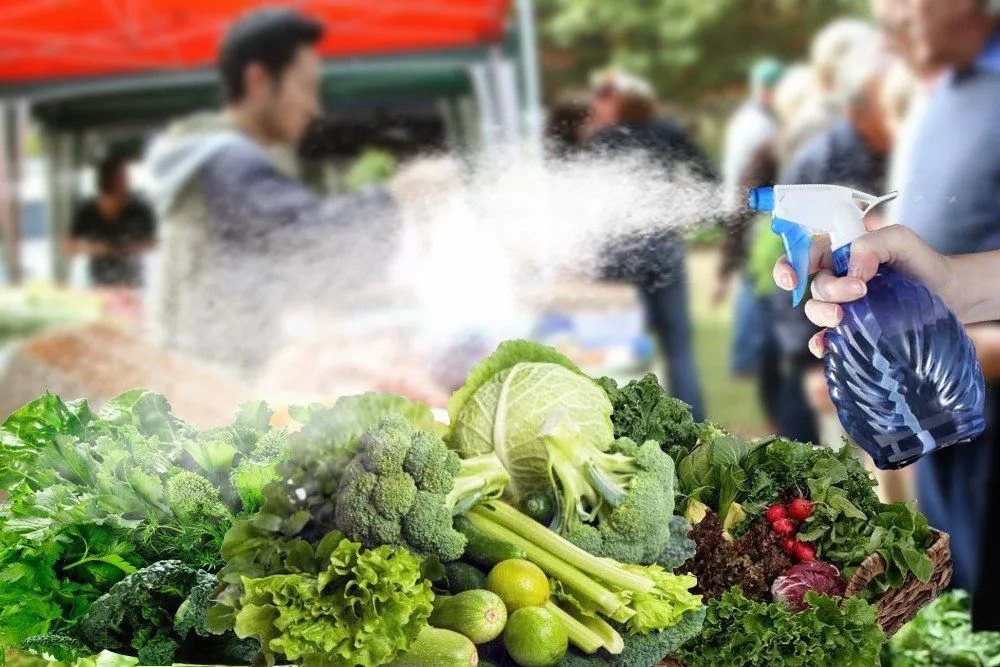
Short answer: There are a few reasons behind this act; spraying water over green leafy vegetables and fruits keeps them hydrated and prevents them from drying out over the course of their shelf life. It also makes those greens look fresher and more appealing to customers.
How Do Plants Stay Hydrated (When They’re Still In The Ground)?
Just like humans, plants need water for a number of biochemical and metabolic activities that keep them alive. When they’re still rooted in the ground, they get all the water they need from the soil where they’re planted. The root hairs of plants help them absorb water and essential nutrients from the soil through a biological process called osmosis.
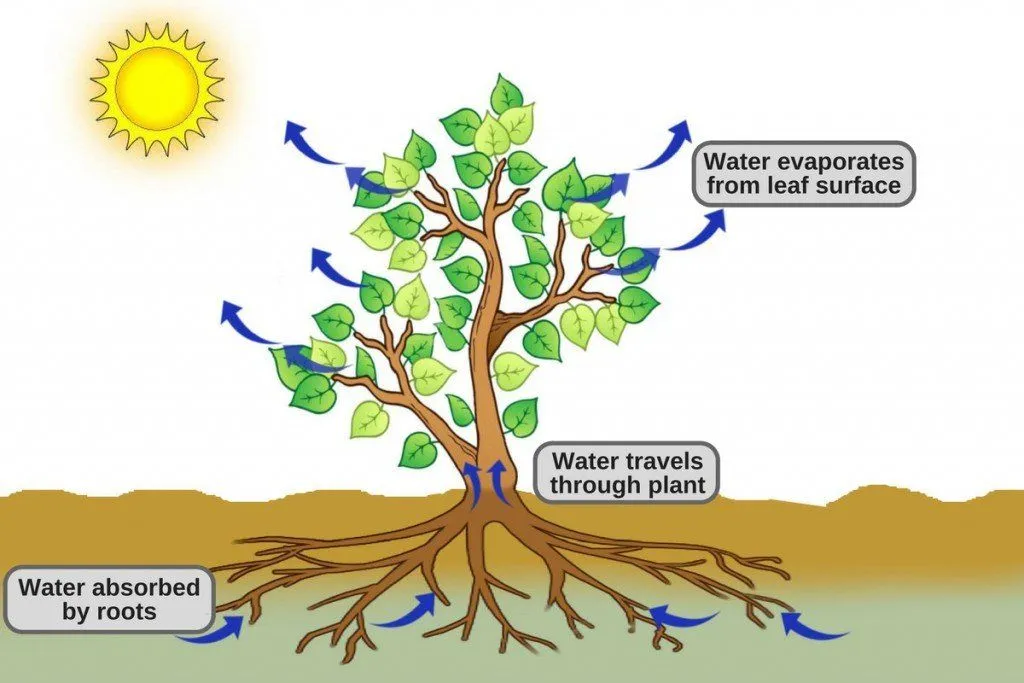
The water (and minerals) absorbed by the roots is transported to various parts of the plant to keep those crucial metabolic processes up and running.
Hydration Of Greens In Grocery Stores
It’s quite evident that plants can take care of their water needs all by themselves as long as they’re still attached to the ground. However, when they’re uprooted and stored somewhere else (like a grocery store), their water needs must be taken care of, so that moisture is maintained throughout their shelf life.
So what actually happens at the cellular level when a misting nozzle hits a head of lettuce? Plant cells contain a salty, sugary cytoplasm and a large central vacuole, both ringed by a stiff cell wall. When the surrounding mist is much purer than the fluid inside the cells, the cell interior is hypertonic relative to the spray and the spray is hypotonic relative to the cell. Water moves down that gradient by osmosis, the central vacuole swells, and the cytoplasm pushes out against the cell wall. That outward push is called turgor pressure, and it is what makes a fresh leaf snap and a celery stalk crunch. Let the cells dry out and turgor collapses, which is exactly why an unsprayed bunch of spinach goes from perky to limp within hours.

If it weren’t for the regular ‘misting’ of greens, they would start to wilt and rapidly dry out in the (relatively) dry confines of the store. They would also experience a reduction in weight and shrink in size.
In order to prevent this from happening, store owners take special care of their vegetables and fruits. In some stores, they even have automatic misting machines that spray small amounts of water all over the greens, keeping them hydrated all day. Note that not all vegetables (e.g., potatoes and onions) need to be sprayed regularly when stored.
Spraying Water On Vegetables Makes Them Look Fresh
Vegetables are frequently sprayed with water not just for the sole purpose of keeping them hydrated, but to also make them look fresher. Store owners know that customers are more likely to choose vegetables that appear misted and green, rather than veggies that appear to be all dried out, as though they’re struggling through their last days on Earth.
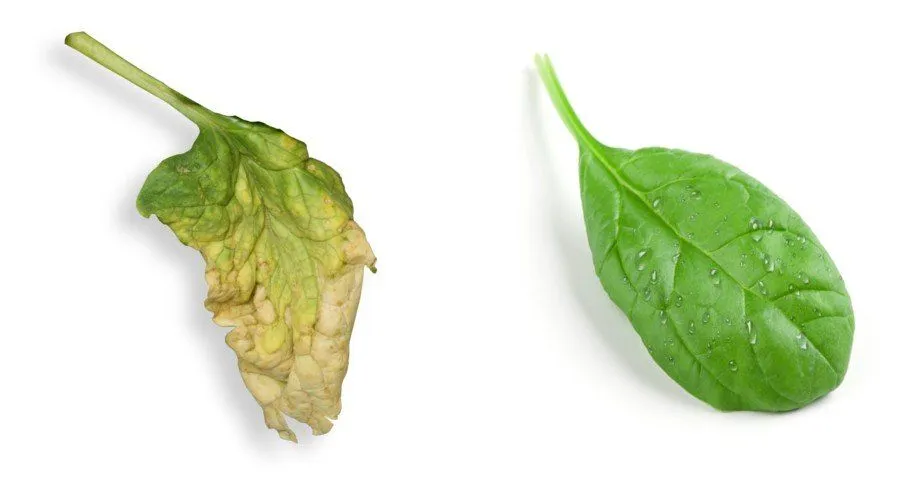
Hence, the frequent misting.
Using The Concept Of Osmosis, Why Does Spraying Change The Produce And Help The Store?
This exact scenario is a favorite in biology classrooms, so let’s lay the answer out cleanly, step by step. Osmosis is the net movement of water across a selectively permeable membrane, from where water is more concentrated (fewer dissolved solutes) toward where it is less concentrated (more solutes). A vegetable’s cells are packed with salts and sugars, so the watery sap inside is hypertonic compared with the nearly pure mist sprayed on the outside. Put another way, the mist is hypotonic relative to the cell. Water therefore moves down that gradient, in through the cell wall and membrane and into the large central vacuole.

How does this change the appearance? As the vacuole fills, it swells and presses the cytoplasm outward against the rigid cell wall. That outward push is turgor pressure, and it is what makes a leaf stand up straight and a celery stalk snap. A fully watered cell is turgid, so the produce looks plump, firm, and glossy. Let the cells dry out and turgor collapses: the cell goes flaccid, the tissue droops, and a perky bunch of spinach turns limp within hours. The mist simply tops the cells back up before that happens.
And why is this desirable for the store? Once produce is picked, it can no longer pull water from the soil, yet it keeps losing moisture to the dry air through transpiration. Leafy vegetables, with their thin skins and many surface pores, are the worst offenders and lose water fastest. Once produce sheds roughly 5 to 10 % of its fresh weight, it begins to wilt and shrivel and is no longer marketable. By raising the humidity right at the display and keeping the cells turgid, misting slows that loss, protects the salable weight, and keeps the produce crisp and appealing, which is exactly what makes a shopper reach for it.
Excess Misting On Vegetables Can Be Counter-productive
Spraying water on the greens in the store is good, but just like anything else in the world, too much of it can be a bad thing. Excess water on the greens allows microorganisms to degrade plant tissue, thereby producing mold and rot. Not only does this have a severe impact on the shelf life of the greens, consuming plants with rot can also be highly dangerous to those who consume it.
Therefore, when preserving green leafy vegetables, make sure that you spray water on them regularly, but don’t overdo it, as it could have some very unsavory consequences!
References (click to expand)
- Absorption of water - Wikipedia. Wikipedia
- Does Spraying Greens With Water Keep Them Fresh?. The New York Times
- 2.1: Osmosis. Introductory Biology (CK-12). Biology LibreTexts
- Bulletin #4135, Storage Conditions: Fruits and Vegetables. University of Maine Cooperative Extension
- Keeping Produce Fresh: Best Practices for Producers. Penn State Extension