Sepia toning was originally used as a way to make photographic prints more resistant to environmental pollutants. The process involves converting the metallic silver in the print to a sulfide compound called silver sulfide, which is more stable than silver.
Photographs can be thought of as tangible memories of the past, providing a lens to reminisce and revel in nostalgia. I’ve always felt like I’m traveling back in time whenever I see those warm, brown-tinted old pictures that belong to my grandparents. Even today, almost all new-age photo editing software has the ‘Sepia’ tone filter that helps you make your recently snapped picture look vintage.
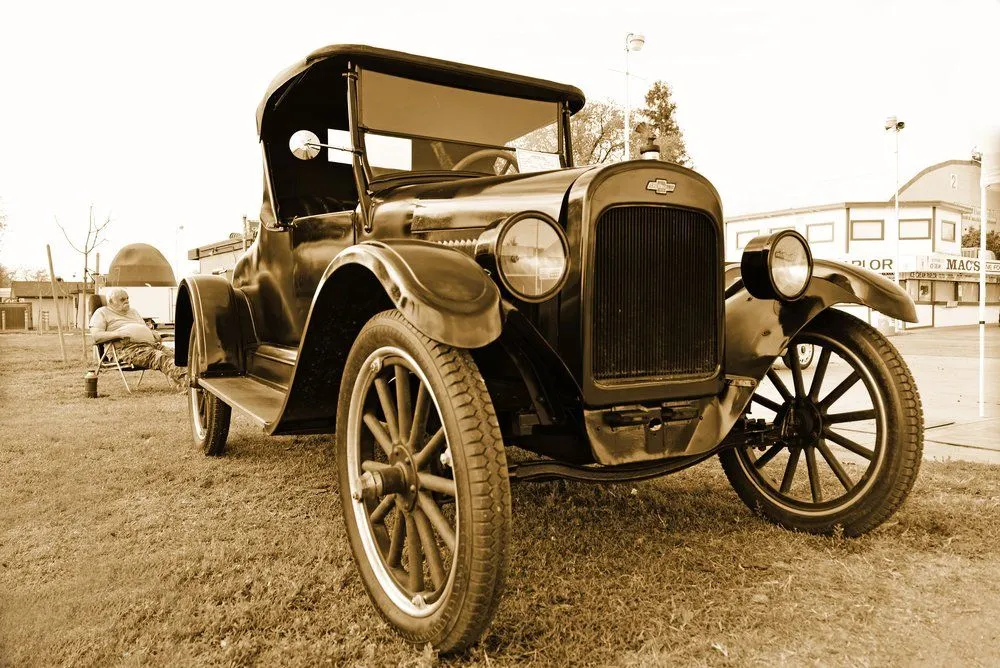
Although that sepia tone is strongly associated with olden times for us, these pictures did not actually get that brownish tint due to the passage of time, as many people incorrectly believe. These pictures were originally developed in that Sepia tone to increase their longevity. Surprised and confused? Well, let’s rewind and unfold the story piece by piece.
Photographic Printing
Remember when there were no smartphones? Pictures had to be printed in order to be viewed. The film in those older cameras was developed in a darkroom to produce hard-copy prints of your pictures. The paper used to make prints is chemically sensitized and then exposed to a photographic negative and a positive transparency (a slide). The latent image is then chemically processed. This type of chemical development of the image reduces the silver halide (a compound) in the latent image to metallic silver. The image is then removed from the developing chemicals and washed in solution to remove the excess chemicals. The undeveloped silver halide is dissolved in a process called “fixing” the image. The finished image is then thoroughly washed to remove all the developing chemicals so they don’t damage the image.

Photographic Toning
Sepia is a monochrome image with a dark brown tint, meaning that it records light in a single color or wavelength. This coloration is achieved through a chemical process called toning, which is carried out on finished silver-based photographic prints. In the toning process, a toner (usually a silver compound) replaces the metallic silver. Different toning processes give different colors to the finished images.
In the case of digital images, different filters are used to manipulate the saturation, hue and image frequency to achieve the desired effect. Hence, even color images can be dyed with a sepia tone. However, in the case of photographic prints, an already developed color print cannot be changed into sepia.
Sepia Toning
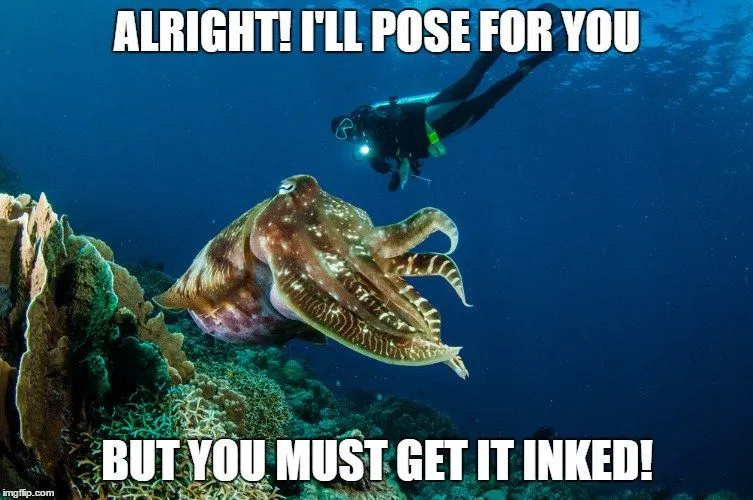
The word “sepia” comes from Sepia, the genus of cuttlefish (which, despite the name, are not fish at all but cephalopod mollusks related to octopuses and squids). Now, any guesses as to why a cephalopod’s name would end up signifying the tone of a photographic image? Maybe you’ve already guessed! Originally, the process of sepia toning an image involved adding a pigment made from the inky secretions of a cuttlefish during print development. Later, artificially developed toners replaced this purely organic (and underwater) pigment.
In sepia toning, chemicals are used to convert the metallic silver in the print into silver sulfide (Ag2S), a far more stable compound that resists environmental pollutants like atmospheric sulfur compounds and humidity. Conservators estimate sepia-toned prints can last up to 50% longer than untoned silver prints. Therefore, people in the olden days originally processed/developed their images in sepia to make them last longer.
I guess our forefathers were smarter and more perceptive than we are today, or perhaps they just cared about ensuring that things were made to last!
What Does “Sepia-Toned” Actually Mean?
If you have ever wondered what those warm, brown old photos are even called, the answer is right there in the name: they are sepia-toned, or simply sepia. As a color, sepia is a soft reddish-brown, and the web color named “sepia” sits at the hex value #704214 (an RGB mix of 112, 66, 20). So when people describe an image as sepia-tinted, sepia-hued, or sepia-toned, they are all pointing at the same thing: that nostalgic, coffee-stained warmth.

The word carries the same cuttlefish backstory as the toning process. “Sepia” is the Latinized form of the Ancient Greek sēpía, meaning cuttlefish, and the ancient Greeks and Romans were already using the creature’s dark inky secretion as a writing and drawing pigment. The substance entered English as the name of a “rich brown pigment” in 1815, and artists (Leonardo da Vinci among them) prized it for sketches and washes well into the 19th century. Only later did the word get borrowed to describe the brown tint of early photographs. So a “sepia tone” is, quite literally, the color of cuttlefish ink, whether it comes from a real pigment, a darkroom toning bath, or a digital filter that mimics the look.
Did Old Photos Turn Brown On Their Own, Or Were They Made That Way?
Here is where it gets a little nuanced. The classic, deliberately sepia-toned prints we have been talking about did not drift into brown through age. They were toned that way on purpose. But that does not mean time leaves black-and-white photos untouched. Many untoned silver prints really do shift toward yellow and brown all on their own, just through a different chemical route.

The image in a black-and-white print is made of fine metallic silver. Over the years, that silver can oxidize and react with sulfur compounds, again forming silver sulfide, but this time as an unwanted side effect rather than a controlled treatment. The culprits are usually leftover fixer (thiosulfate) that was never washed out properly, airborne pollutants, poor-quality storage materials, heat, and humidity. Because silver sulfide is a lighter yellow-brown, the print appears to fade and take on a brownish stain, often with a metallic bluish sheen called silver mirroring.
So how do you tell accidental aging from intentional sepia? The giveaway is detail. Deterioration eats into the fine detail of a print, washing out the highlights and softening contrast, while a deliberately toned image keeps its crisp detail and simply wears a uniform warm color. The remedy for the accidental kind is the same advice conservators give for any old photo: keep it cool, dry, out of direct light, and tucked into acid-free, archival-quality storage.
References (click to expand)
- Photographic print toning - Wikipedia. Wikipedia
- Sepia (color) - Wikipedia. Wikipedia
- Selenium Toning. DePaul University
- Photographic printing - Wikipedia. Wikipedia
- Sepia, Definition & Meaning. Merriam-Webster Dictionary
- Sepia, Etymology, Origin & Meaning. Online Etymology Dictionary
- Caring for Photographs: General Guidelines. Conserve O Gram 14/4. U.S. National Park Service