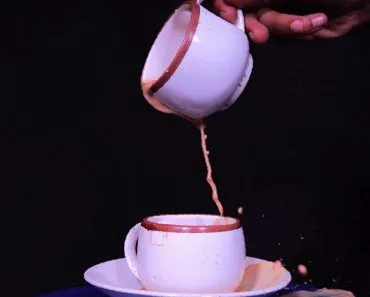
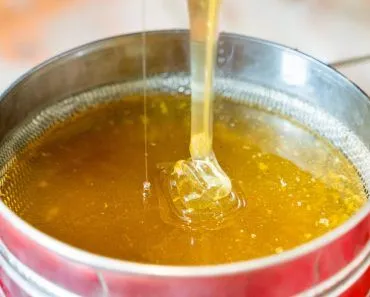
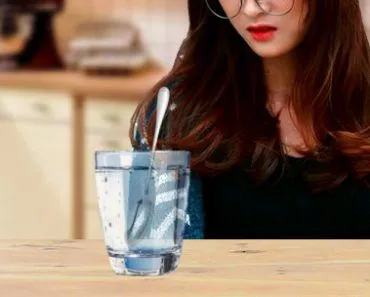
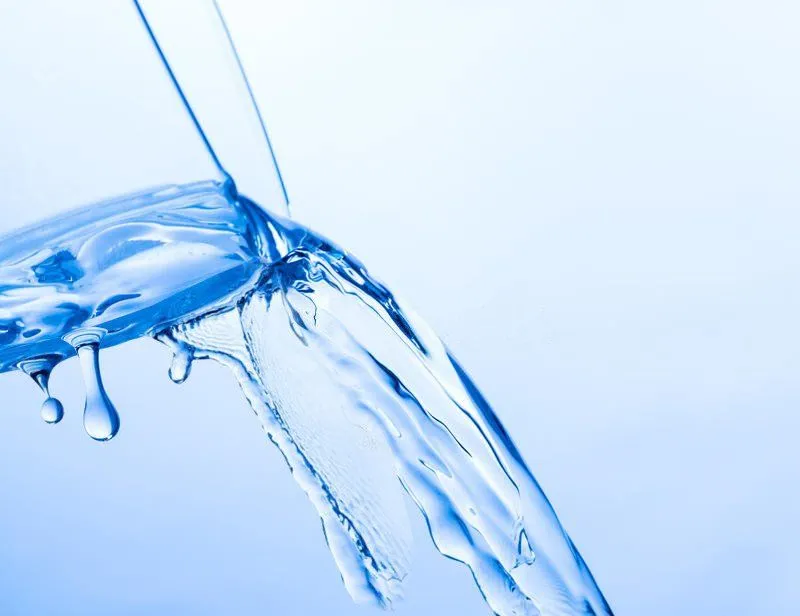
It comes down to the cohesive and adhesive forces at play when liquid is poured from one container to another. When poured slowly, the liquid has more time to wet the container’s lip, and surface tension anchors a thin film to the underside of the edge, dragging the stream down the outside. Scientists call this the teapot effect.
This is one of those daily life phenomena that I’m sure you must have observed thousands of times. When you pour any liquid, say, tea, from one container to another, it pours out gloriously. However, at times, especially if you use a different container, instead of pouring out normally, the liquid decides to run down the side of the container and creates a mess for you to clean up.
Not only is this super frustrating, but it also seems… cruel. I mean, why would a ‘regular’ liquid decide to act like this and play with our feelings by ruining the tablecloth where it creates a mess? This is one of those mysterious things that seem to have no answer… or can this strange phenomenon be explained by science?
Well, let me tell you that a bunch of interesting fluid dynamics action goes on in the background while this utterly common occurrence unfolds.
Cohesion And Adhesion
Everyday liquids, in general, have a tendency to stick to other surfaces (adhesion). They also have a tendency to stick to themselves (cohesion). These are the two characteristics of water that affect every water molecule on Earth, as well as the interaction of water molecules with molecules of other substances.
The ‘stickiness’ that water molecules have for each other or other substances is dictated by them. As such, these are the two properties that drive the whole liquid-running-down-the-surface business. So, let’s talk a bit more about them.
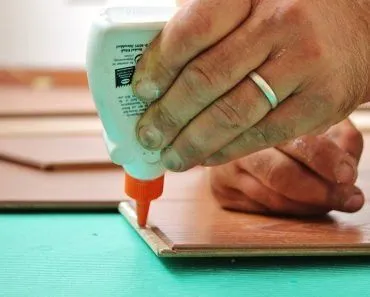
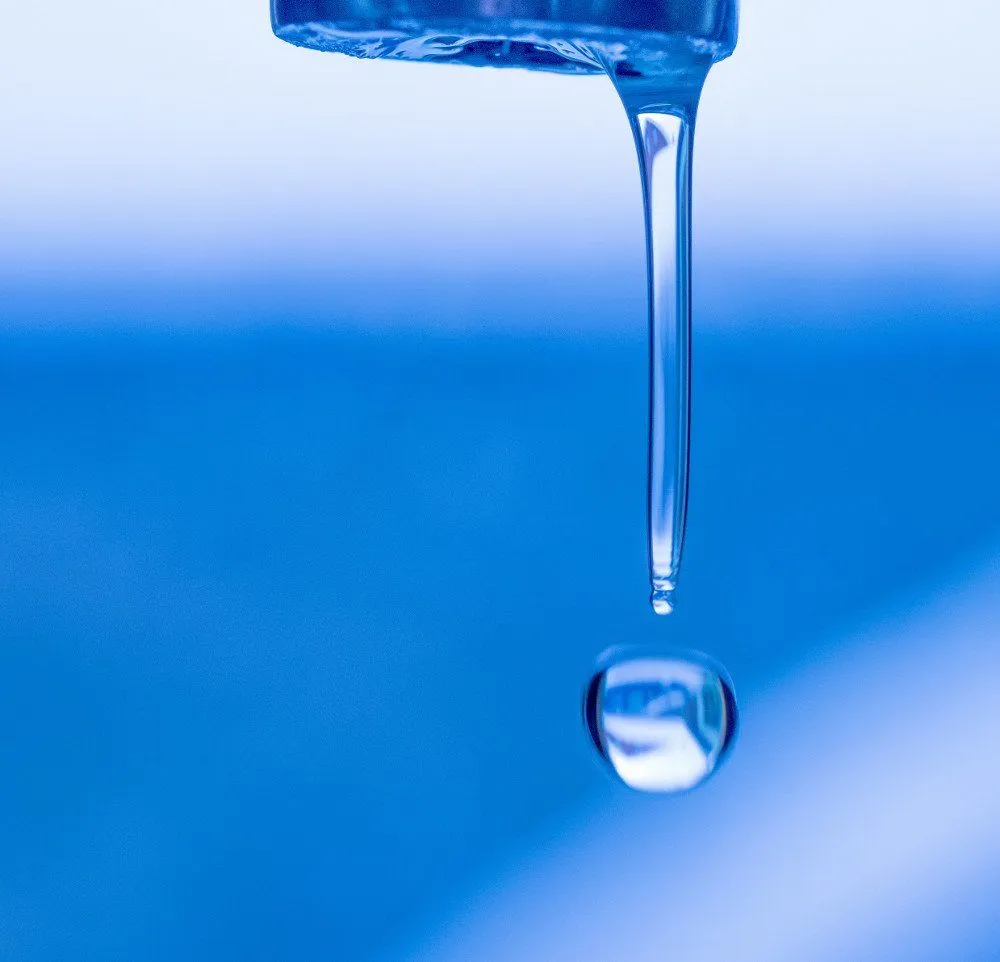
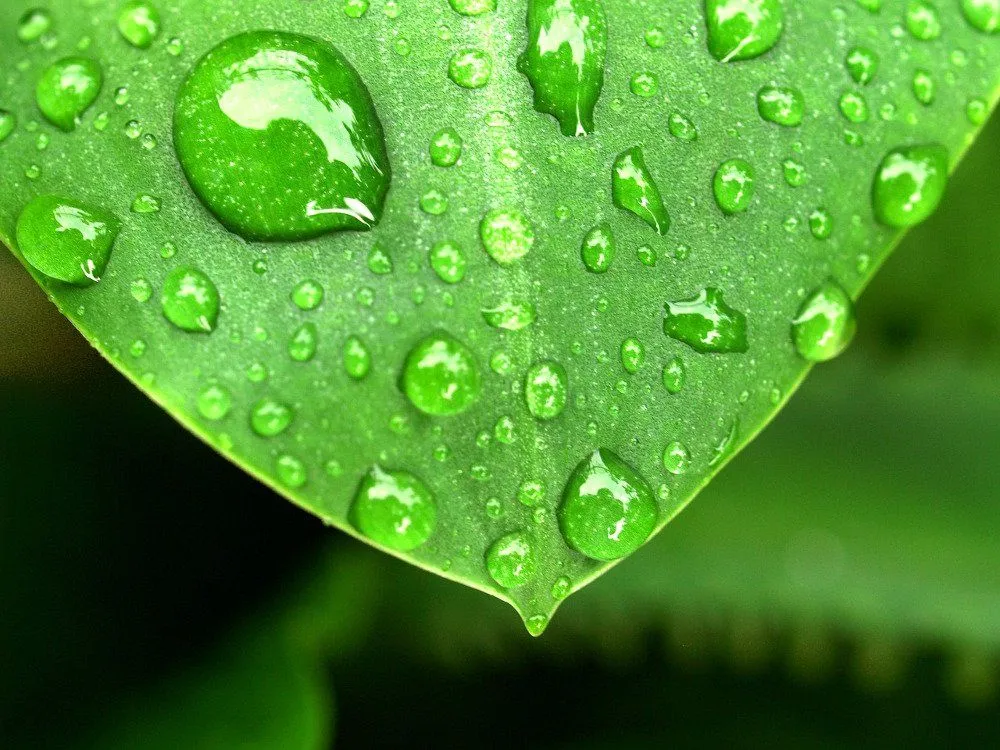
Cohesive forces are the intermolecular forces that make the molecules of a liquid stick together and ‘seek’ each other out. In other words, these are the forces that make liquids resist separation. Note that these forces exist between molecules of the same substance. A classic example of cohesive forces in water is the shape of water droplets.
Adhesion, on the other hand, is a liquid’s (e.g., water’s) attractiveness to other materials, such as metal containers, pine needles and even your skin. In more technical terms, adhesive forces are the attractive forces that exist between unlike molecules.
Liquid Flowing Down The Side Of The Container
Liquids (let’s consider the example of water) want to stick to rigid surfaces, thanks to adhesive forces. This is the same reason why a meniscus forms in a test tube.
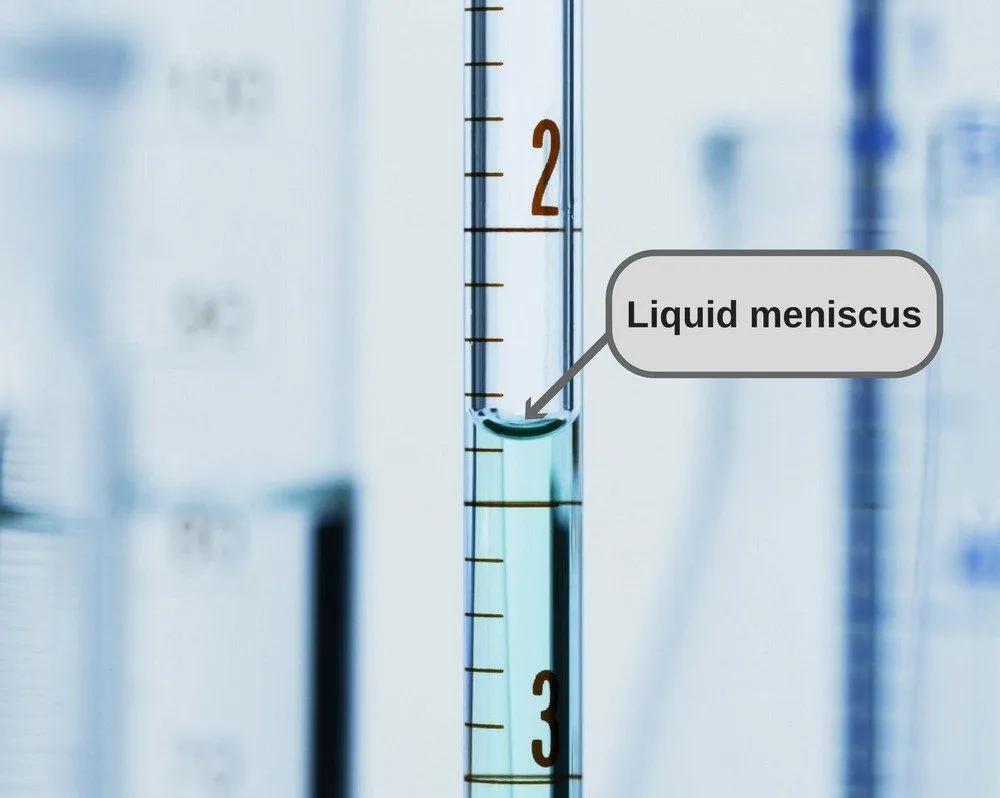
When pouring tea or water out of a container (especially when you do it slowly), the attraction between the surface and the water molecules is stronger than that of the water molecules among themselves. That’s why the force of gravity acting on water needs to overcome the adhesive forces (between water molecules and the container’s surface) to pull water away from the container.
Angle And Speed
Pour a drink slowly and it dribbles down the outside of the glass (in other words, it runs down the side of the container). The mess comes from water’s adhesion and surface tension keeping a film stuck to the lip. Pour quickly, or from a sharp edge, and the stream pulls cleanly away instead.
In simple terms, water sticking to itself tends to make it follow itself out of the container in a smooth, glorious flow. Unfortunately, water also likes sticking to other stuff, which tends to make it dribble over and down the sides. Which one of these properties dominates depends on a lot of factors, including material properties and time spent in forming bonds (i.e., the speed with which water is poured out), among others.
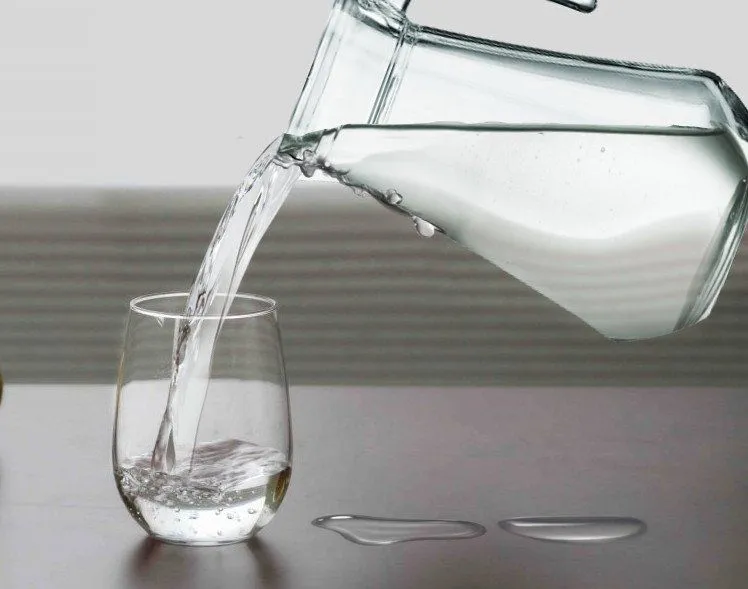
Speed (of the pour) is a crucial factor. If you pour water quickly, water molecules do not get enough time to bond to the container’s surface, and will therefore pour out without any problems. However, when you do it slowly, water spends too much time bonding to the container surface. As a result, some water molecules bond more strongly to the edge of the container than to their molecule brethren, and water runs down the side.
Furthermore, if water is poured from a sharp edge it will most likely pour cleanly, because the abrupt corner forces the stream to detach. Smoother, rounded lips, on the other hand, let the liquid hug the container’s surface and produce this universal ‘pouring problem’. You will often see this blamed on the Coandă effect, but as the sections below explain, the modern physics pins it mostly on surface tension and wetting rather than on Coandă-style flow attachment.
Is This The Teapot Effect?
That dribble down the side of your cup has a name. Physicists call it the teapot effect, because a teapot with a nicely rounded spout is the worst offender of all. The rheologist Markus Reiner, who earned his doctorate at TU Wien, coined the term back in 1956, and the same physics applies whether you are pouring from a fancy teapot, a kitchen jug, a wine bottle or a chipped mug. The shape of the lip changes how badly it misbehaves, but the underlying cause is identical.

You would think something this ordinary would have been nailed down a century ago. It was not. The teapot effect resisted a complete explanation for decades, and the puzzle was annoying enough that it even picked up a tongue-in-cheek reputation among physicists. A full theoretical description of why the drip forms, and why the underside of the lip stays wet, did not arrive until a 2021 study from researchers at TU Wien and University College London, published in the Journal of Fluid Mechanics. So if you have ever felt foolish for losing a battle with a teapot, take heart: it took mathematicians 65 years to fully win the same fight.
Why It Is Not Just The Coandă Effect
Pop-science explanations love to blame the dribble on the Coandă effect, the tendency of a flowing stream to hug a nearby curved surface. It is a tidy story, but it is not the whole story, and the Coandă effect is actually cited surprisingly rarely in the serious fluid-dynamics literature on pouring.
The 2021 Journal of Fluid Mechanics analysis by Bernhard Scheichl, Robert Bowles and Georgios Pasias showed the teapot effect is really an interplay of three forces at the rim: inertia, which wants the liquid to keep going in its original direction; viscosity; and capillary forces (surface tension), which put the brakes on the flow right at the edge. Below a critical pour speed, a tiny bead of liquid stays wetted to the underside of the lip, and that little anchored drop is enough to steer the entire stream around the corner and down the outside.
Crucially, the effect is governed by the contact angle between the liquid and the rim. The lead author, Bernhard Scheichl, put it plainly: the more hydrophilic (water-loving) the material, the harder it is for the liquid to let go of the edge. Gravity, oddly, barely matters to whether the dribble happens at all. As Scheichl noted, you would still get the teapot effect pouring tea on a moon base, just not on a weightless space station. Gravity only sets the direction the jet falls, not whether the liquid clings.
Can You Beat The Dribble?
If wetting is the villain, then making the rim repel water is the cure. A 2010 study in Physical Review Letters by Cyril Duez and colleagues at the University of Lyon showed exactly this: surface wettability controls whether a poured stream separates cleanly or trickles, and on a superhydrophobic surface (one that water beads up on instead of spreading) the trickling is suppressed completely.

You do not need a lab to use this. The three practical levers all fall out of the same physics:
- Pour faster. Above the critical speed, inertia wins and the liquid does not get the chance to wet and cling to the lip.
- Use a sharp edge. A crisp, thin lip forces the stream to detach. This is why a well-designed spout has a fine pouring edge, and why pouring over a knife blade or a clean angular corner works as a kitchen trick.
- Make the rim less wettable. A non-stick or waxy lip raises the contact angle so the liquid lets go sooner. It is the same lotus-leaf principle that keeps raindrops beading up and rolling off, rather than spreading.
References (click to expand)
- Coandă effect. Encyclopaedia Britannica.
- Hydrogen Bonds Make Water Sticky. The University of Hawaiʻi at Mānoa
- Cohesive and Adhesive Forces - Chemistry LibreTexts. LibreTexts
- Adhesion and Cohesion of Water | U.S. Geological Survey. The United States Geological Survey
- Coandă Effect. Wikipedia.
- Developed liquid film passing a smoothed and wedge-shaped trailing edge: the ‘teapot effect’ at large Reynolds numbers. Journal of Fluid Mechanics (2021).
- Why teapots always drip. TU Wien (2021).
- Wetting Controls Separation of Inertial Flows from Solid Surfaces. Physical Review Letters (2010).