Table of Contents (click to expand)
The “pee dance” isn’t random fidgeting — it’s your body’s way of helping you hold it in. Crossing your legs, jiggling, and clenching your thighs all squeeze the pelvic-floor muscles and the external urethral sphincter, which reflexively dampens the bladder’s contractions. The movement also distracts your brain from the urgency signals coming up from the bladder, buying you a few extra minutes until you reach a toilet.
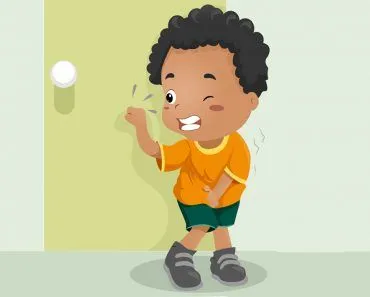
Humans display all kinds of weird habits and behaviors that, if you take a moment to think about them, make no sense at all. For example, we say ‘oww’ or ‘ouch’ when we hurt ourselves, despite knowing that it won’t do us any good (but, it does somehow!). Another strange behavioral quirk is when we start to wriggle, squirm, and stamp our feet, which may look like a dance move to an onlooker, when in fact we simply have an urgent need to urinate. We know that this ‘dancing’ won’t do us any good, so why do we do it?
Why Do We Pee?
Urination is, without a doubt, a vital function of the human body. It is one of the few ways we are able to excrete excess or waste materials from our body. For those who don’t know, urine is produced in the kidneys during the process of blood filtration. The waste materials present in the blood form a major part of our urine. It is then passed on to the bladder through the ureters, where it is stored until you get up and pee.
The longer you hold in the urine, the more it stretches the bladder wall. Stretch receptors there fire signals up the pelvic nerve and spinal cord to a relay station in the brainstem called the pontine micturition centre, which is what your conscious brain perceives as that growing “I really need to go” feeling. The first urge usually shows up at around 150–250 ml of urine, and the unmistakable, dance-inducing urgency hits closer to 400–500 ml.
Holding It In
When the bladder is full, that uncomfortable feeling of urgency is in your head — quite literally. But if there’s no way to pee right then, your brain has a workaround. The prefrontal cortex sends a signal back down to clamp the external urethral sphincter (the voluntary, skeletal-muscle valve at the bottom of the urethra) and tense the pelvic-floor muscles around it. That voluntary contraction triggers a reflex called the voluntary urinary inhibition reflex, which actively quiets the bladder’s detrusor muscle and softens the urge for a while. The dancing, fidgeting and squirming all help recruit those same muscles — and provide a steady stream of distraction signals so your cortex stops dwelling on the bladder.
Why Do We Dance When We Need To Pee?
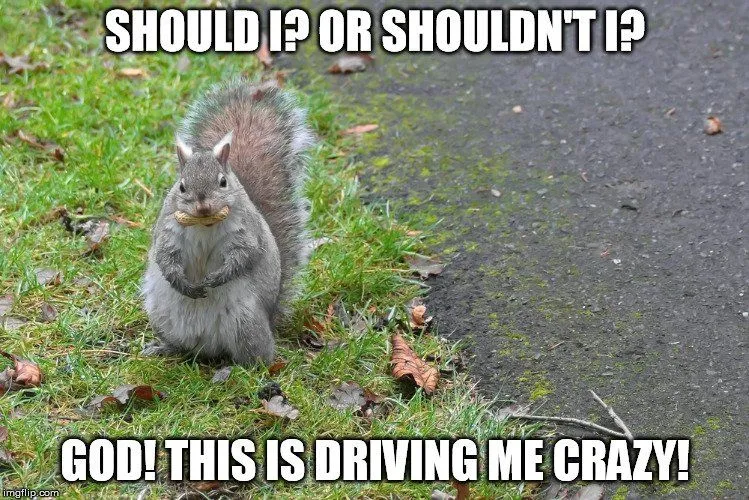
You’ll sometimes hear the pee dance described as a textbook “displacement behaviour” — the kind of unrelated, seemingly out-of-place action that animals perform under conflict (a squabbling bird that suddenly stops to preen, for instance, or a person scratching their head when faced with a tough question). The pee dance has elements of that, in the sense that it’s a not-very-useful-looking behaviour that pops out under stress. But the dance is also doing real mechanical work: those tense thighs and jiggling legs are bracing your pelvic floor and pressing on your urethra, which is more than just a distraction.
Crossing the legs and squeezing the thighs together is the most efficient version — it both compresses the urethra externally and helps the pelvic-floor muscles fire harder. That’s why kids who haven’t yet learnt the cross-legged trick tend to do the most dramatic full-body version of the dance.
Things You Do When You “Hold It”
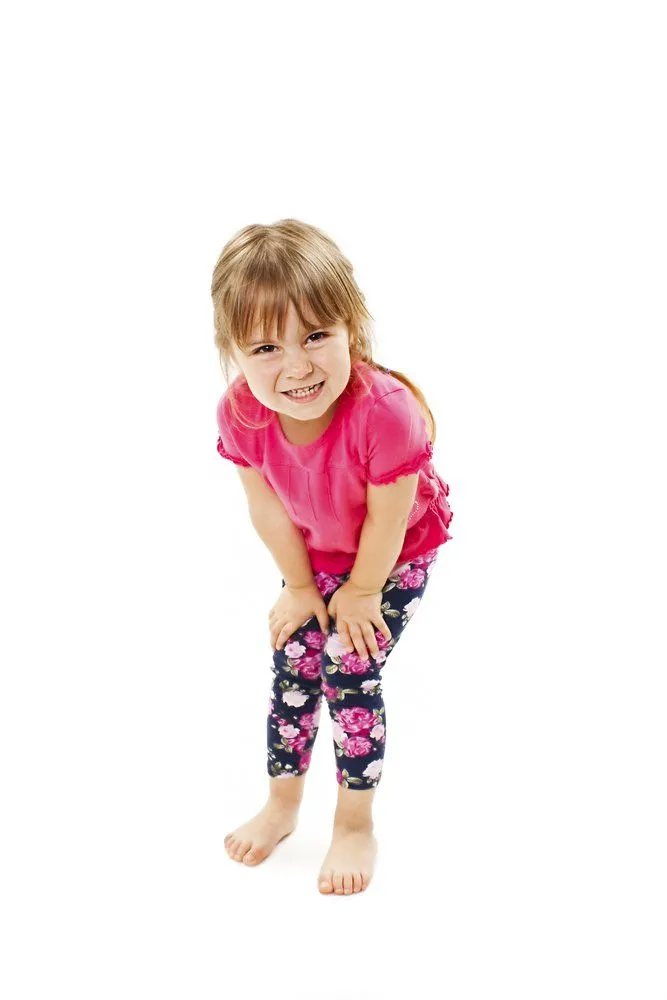
There are a number of ways that people behave when they suppress a strong urge to pee. These include tapping their feet, drumming their fingers, pacing up and down, or humming (to take your mind off it). These are the signs that commonly appear when a person holds in a relatively weaker urge to urinate. However, when you haven’t urinated in a while (and your bladder is completely full), you might hop from one foot to another, clench and unclench your muscles, and wriggle and squirm. The most interesting part about this is that you know that staying calm will help you last longer!
It’s not a good idea to make a habit of holding it in. The occasional long wait is harmless for most healthy adults, but doing it constantly can over-stretch the detrusor muscle, weaken bladder contractility, and let bacteria multiply in the stagnant urine — which is one reason urologists generally suggest emptying the bladder every three to four hours during the day, rather than waiting until you’re in real pain. So if you can, urinate when your body tells you to. As a bonus, peeing after a long wait happens to be one of life’s smaller but more reliable pleasures.
Why Does Peeing Feel So Good?

If you’ve ever held it in for hours on a long drive, you know the feeling: that first second of relief at the toilet is almost blissful. There’s a real reason for it, and most of it comes down to your brain rather than your bladder. As the bladder fills, stretch receptors in its wall keep firing signals upstream, and those signals are mapped in a part of the cortex called the insula, the brain region that builds your sense of what’s happening inside your body. The fuller the bladder gets, the stronger the insula’s response, which your brain reads as a steadily mounting desire to void. By the time you’re doing the dance, that sensation has crossed into genuinely unpleasant territory.
The moment you finally let go, the bladder’s detrusor muscle contracts and squeezes it empty. The brainstem keeps that contraction going even as the wall-tension signals fade, so the bladder drains all the way down rather than stopping halfway. With it emptied, the distension is gone, the stretch receptors quiet down, and the insula’s alarm switches off. What you experience as that wave of pleasure is mostly the sudden removal of an unpleasant, escalating signal: the satisfaction of relief, not a special reward chemical. It’s the same reason scratching a maddening itch or setting down a heavy bag feels good. The bigger the pressure beforehand, the bigger the sense of release, which is exactly why a hard-won pee after a two-hour wait feels far better than a routine trip. It’s the flip side of why the urge spikes the instant you reach a toilet, since both are your brain, not your bladder, deciding how urgent things really feel.
References (click to expand)
- Troisi, A. (2002, January). Displacement Activities as a Behavioral Measure of Stress in Nonhuman Primates and Human Subjects. Stress. Informa UK Limited.
- Physiology, Urination. StatPearls. NCBI Bookshelf.
- Autonomic Regulation of the Bladder. Neuroscience, 2nd edition. NCBI Bookshelf.
- Pang, D., Gao, Y., & Liao, L. (2022). Functional brain imaging and central control of the bladder in health and disease. Frontiers in Physiology.
- Lower Urinary Tract: Physiology. University of Minnesota.