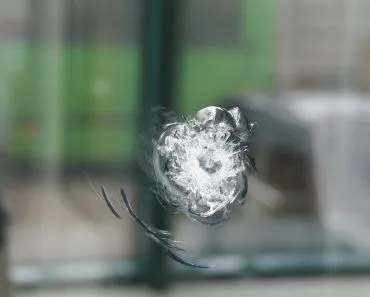
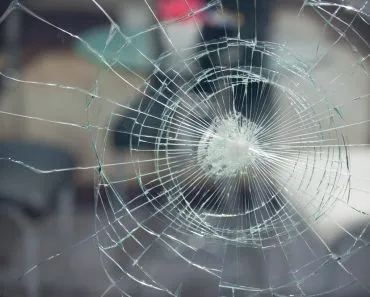
A screen protector mostly shields a phone’s screen from scratches, not drops. Tempered-glass protectors absorb minor impacts by cracking themselves first, sacrificing themselves to keep the screen underneath intact. Plastic (PET or TPU) protectors guard against scratches and small abrasions but do little against serious drops. They reduce the chance of a cracked screen but do not prevent it.
I remember when I bought my first smartphone… I was mighty concerned that its sleek, smooth screen would get scratches on the surface.
“Get a screen protector,” advised the salesman at the phone store. “It will save your phone from anything the world throws at it.”
He was, of course, referring to those little scratches that mess up the appearance and sometimes the sensitivity of an electronic device’s screen.
Although many people buy screen protectors for their smartphones, at the time, I didn’t understand how exactly they protect the phone screen. After all, a screen protector is just a thin, transparent film of plastic (or so it seemed to me) – how could it possibly protect the screen from all kinds of physical damage? And if it could, then how could it be so unbelievably cheap!
As it turns out, a screen protector is not what most people perceive it to be.
What Is A Screen Protector?
A screen protector is exactly what its name signifies: a thin sheet of material that’s attached to the screen of an electronic device to protect the latter’s surface from physical damage, primarily scratches. Also known as a screen guard, a screen protector is usually made of laminated tempered glass (quite similar to the host device’s screen) or plastics such as polyethylene terephthalate (PET) or thermoplastic polyurethane (TPU).
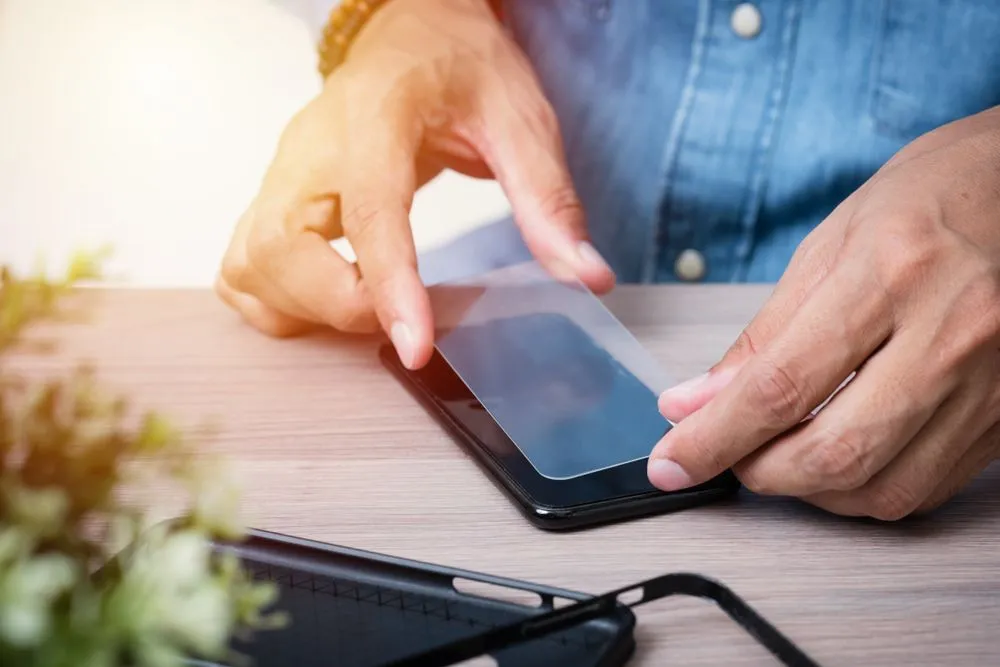
A plastic screen protector is cheaper and thinner than glass, and is also more flexible. A glass protector, however, feels more like the host device’s original screen and is better at resisting scratches on the surface.
One would think that a screen protector has some nifty features hidden inside that help it protect a screen from scratches, but that couldn’t be further from the truth.
What Are Screen Protectors Made Of?
Broadly, screen protectors come in two families: plastic and glass. The plastic ones are made from a thin film of polyethylene terephthalate (PET) or thermoplastic polyurethane (TPU). PET is stiffer and gives a crisper feel, while TPU is softer, more flexible and a little better at shrugging off light surface marks. Both are cheap, thin and good at fending off scratches, but they offer little real resistance to a hard impact.

The premium option is the so-called “tempered glass” protector, and here the marketing name is a little loose. True tempered glass is made by heating a sheet above its softening point (around 620 °C, or roughly 1,150 °F) and then chilling the surface with blasts of cold air. The skin cools and contracts faster than the core, locking the surface into permanent compression while the inside is held in tension. That surface compression, which exceeds 100 megapascals (about 15,000 psi) in safety glass, is what makes the sheet roughly four times stronger than ordinary glass. (It is the same locked-in stress that makes a tempered car window crumble into tiny pebbles instead of dagger-like shards.)
Most thin protectors, though, are too slim to be air-quenched like a car window. They are instead chemically strengthened, the same trick used on phone cover glass such as Corning’s Gorilla Glass. The glass is bathed in molten potassium salt at about 400 °C (750 °F), and the small sodium ions near the surface are swapped out for larger potassium ions. Those oversized ions are crammed into the surface, again leaving it under heavy compression. Either way, the compressed outer layer is the real secret: a scratch or crack has to fight its way through a surface that is actively squeezing itself shut.
How Does A Screen Protector Protect A Device’s Screen?
A screen guard protects a screen simply by taking all those scratches and physical damage on itself, thereby protecting the screen that lives beneath it.
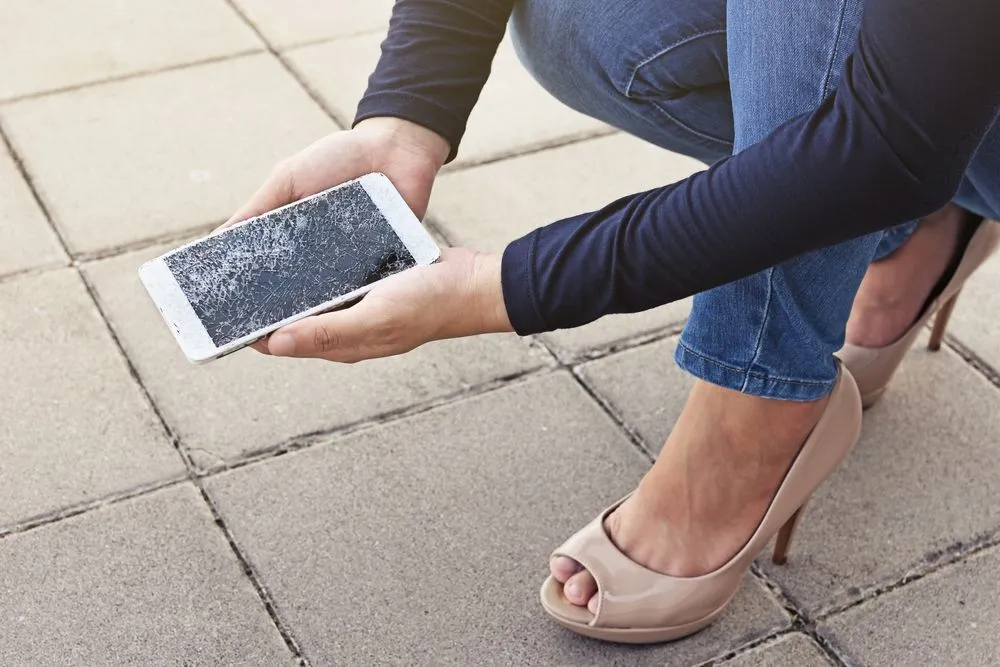
When an ‘unprotected’ phone falls on the ground or gets scratched, all the damage is borne directly by the phone screen. Now, if the phone screen is made of Gorilla glass, and is particularly resistant to physical punishment, then it might still be fine, even after a nasty drop.
However, any electronic device without a particularly strong screen surface will either crack or at least sustain a big, ugly scratch without a screen protector in place.
This is exactly where a screen protector comes to the rescue!
It’s generally more fragile than the screen it protects, which means that should a nasty fall occur, the protector will absorb most of the energy from the impact and break, but leave the screen unscathed (in theory).
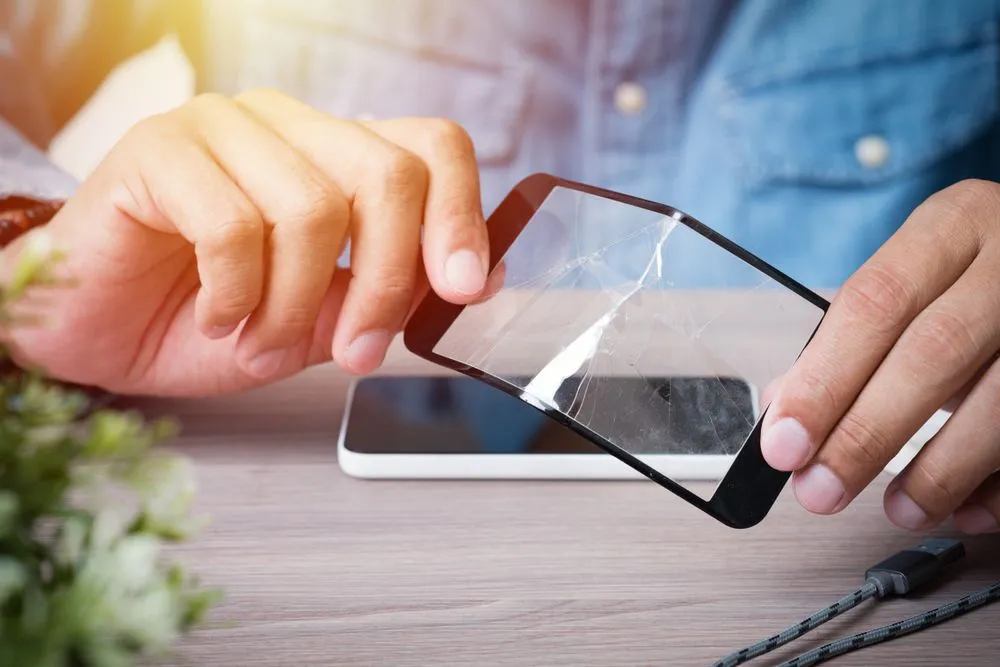
A particularly scratched phone screen not only looks hideous, but it may adversely impact the screen’s touch sensitivity. This is why screen protectors are commonly used on smartphones, tablets and even laptops.
However, it’s important to remember that a screen protector will not protect your phone screen from all (physical) evils.
Screen Protectors And The Hype
Although it’s true that screen protectors do shield a phone’s screen by primarily resisting scratches on the surface, it’s a huge misconception that screen protectors are the ultimate solution to all kinds of screen damage.
If you drop your phone (with a screen protector), then yes, it might prevent the screen from scratching or breaking, but a lot of it depends on the kind of screen protector you use.
For example, some models only protect the upper layer of the phone screen, i.e., the part that you see and interact with.
But if your phone falls on the ground at an angle and lands on one of its corners, then that first kind of screen protector won’t help much. In fact, it may not help at all. You may have heard of many cases where people have had their phone screens broken despite having a screen protector on.
What’s the takeaway from all this?
Don’t expect a screen protector to protect your device’s screen from every kind of physical damage!
Will A Screen Protector Stop A Crack From Spreading?
Here’s a question that comes up the moment disaster strikes: the screen underneath is already cracked, so can slapping a protector on top stop that crack from creeping further? The honest answer is “a bit, but don’t count on it.”

A protector laid over a cracked screen acts a little like a splint. It bridges the broken pieces, holds loose shards in place and stops your fingertip from snagging on a sharp edge, which can keep the damage from getting visibly worse for a while. What it cannot do is restore the screen’s structural strength. The crack is a permanent flaw in the glass, and every flex of the phone in your pocket concentrates stress at its tip, so it will tend to keep growing slowly no matter what sits on top.
If you need to buy time before a repair, Arizona State University’s tech guidance suggests a genuinely temporary fix: dab a thin bead of cyanoacrylate (ordinary super glue) along the crack, rock the phone gently so it seeps in, wipe away the excess and let it cure. A fresh screen protector applied over the top then helps keep the patched area sealed. Treat all of this as a stopgap, not a cure: for a badly shattered display, the only real answer is a professional screen replacement.
What’s A Better Alternative To Screen Protectors?
A phone case offers much better overall protection for a smartphone than a screen protector. This is because a case covers the edges, corners and back of a phone, allowing it to efficiently absorb impacts in those areas.
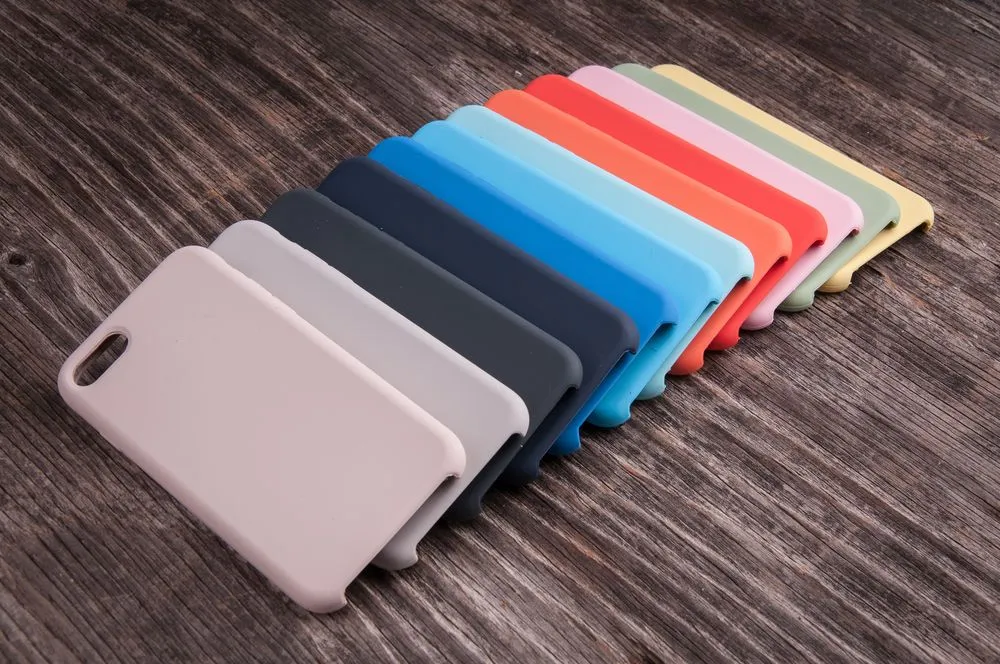
Some people put both of these defensive measures on their smartphones (a screen protector and a phone case) to maximize protection against physical damage of any kind.
All in all, a screen protector is a good add-on tool if you want to protect your screen from scratches and minor damages, but don’t expect it to be a one-stop solution for all types of physical damage to your phone!
References (click to expand)
- How to Stop a Crack From Spreading on Phone | News. Arizona State University
- To fix or not to fix: The cracked screen conundrum. The Universe
- Protect Mobile Devices (Smartphone, iPad, or Other Tablet). Cornell University
- Gorilla Glass Victus Will Be a Lot Harder to Scratch | WIRED. Wired
- Tempered glass. Wikipedia
- Gorilla Glass. Wikipedia