A brain-computer interface (BCI) is a device that translates brain signals into commands a computer or machine can carry out. Non-invasive BCIs read the brain through the scalp; invasive ones use implanted electrodes. They mainly help people with paralysis control cursors, type, or speak. Companies like Neuralink and Synchron now test them in humans.
When we think of a Brain-Computer Interface, the best example I can give is Mark 42 from Iron Man 3. It was a suit built to respond to Tony Stark’s thoughts. We all know how cool that was, right? What if I told you that the technological principle for this kind of tech already exists? With that in mind, let’s take a look at how a brain-computer interface works.
Brain-Computer Interface Types
A brain-computer interface acquires signals from the brain, analyzes them and translates them into commands. These commands are then translated into a signal from peripheral devices to provide the desired output. The primary goal of a BCI is to restore useful function for people who have developed neuromuscular disorders, such as amyotrophic lateral sclerosis, cerebral palsy, stroke, or spinal cord injury. There are two kinds of Brain-Computer Interface: Non-Invasive Brain-Computer Interface and Invasive Brain-Computer Interface.

Non-Invasive Brain-Computer Interface
As the name suggests, a non-invasive brain-computer interface is one that can work without intrusive procedures into the brain. A non-Intrusive Brain-Computer Interface mostly works on the principles of EEG (Electroencephalography).
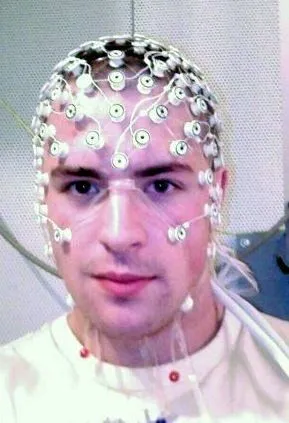
Electroencephalography is mostly used in the medical field to see and analyze the brain wave activity of patients. The way an EEG is performed in a medical setup is by attaching multiple electrodes to the scalp of the patient. EEG measures the voltage fluctuations in the brain caused by the ionic current within the neurons of the brain. An EEG records the spontaneous electrical activity of the brain over a certain period.
Most Non-Invasive BCI uses the concept of EEG in their models. The most famous among them is Neurosky, a consumer-friendly product that uses the concept of EEG. It has various modes where one can test one’s level of attention, mental effort, and meditation level. It consists of one EEG sensor that touches the front left upper part of the skull, just above the left eyebrow. The applications are only limited by the user’s own ability to use the product.
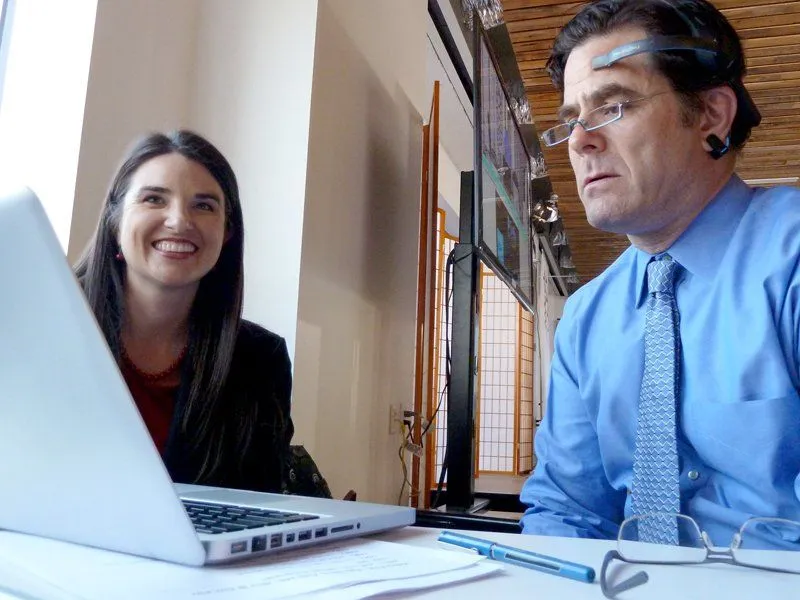
The advantages of a non-invasive brain-computer interface stem from the fact that it is much cheaper to work with and heavy research focus is always given to non-invasive BCI. Also, multiple people from diverse backgrounds can work on non-invasive BCI, whereas in the case of an invasive BCI, a medical professional is always needed.
Invasive Brain-Computer Interface
An invasive brain-computer interface involves the surgical implantation of a device into the skull of the user. There are two kinds of Invasive BCI that have been tried and tested thus far.
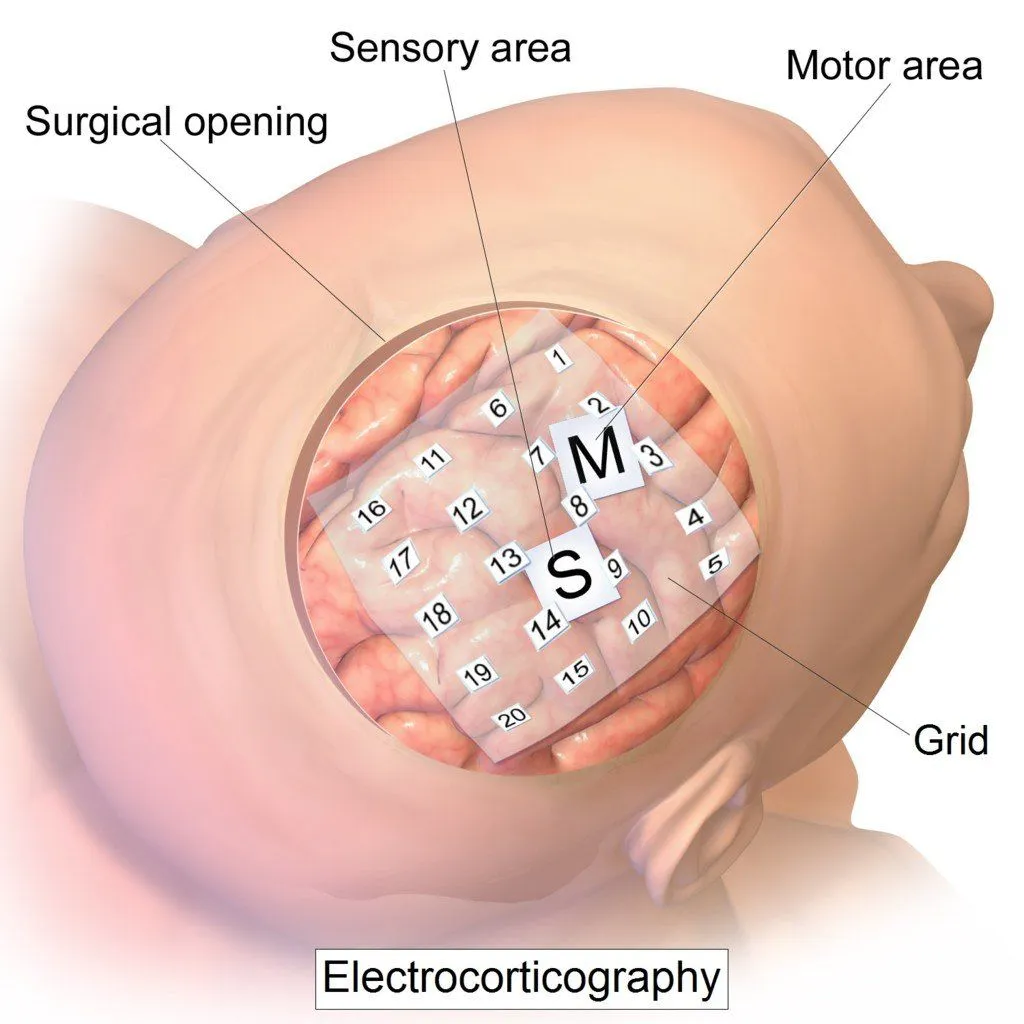
The first example is ECoG (Electrocorticography), which is when an electrode plate is kept in direct contact with the brain’s surface to measure the electrical activity of the cerebral cortex. To access the cerebral cortex, a surgeon must perform a craniotomy, opening a part of the skull to expose the brain’s surface. This procedure is usually done under general or local anesthesia if patient interaction is required. ECoG arrays usually carry anywhere from a handful to 64 or more electrodes, commonly made of platinum or platinum-iridium alloy and embedded in a thin, flexible sheet or grid. The grids are transparent, flexible, and numbered at each electrode contact. The electrodes sit lightly on the cortical surface and are designed with enough flexibility to ensure that regular movements of the brain do not cause injury.
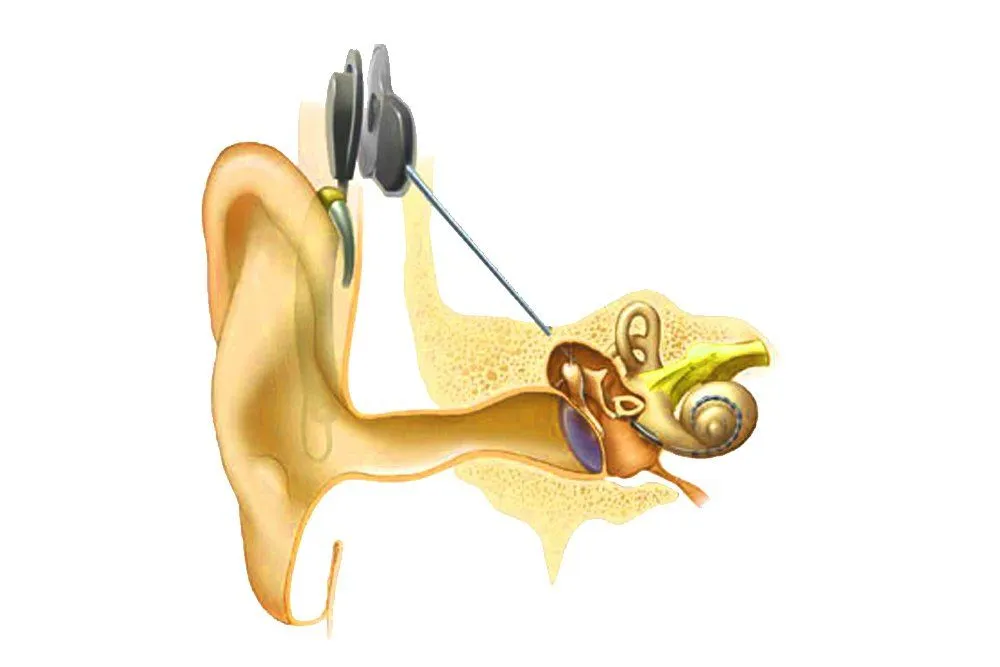
Finally, we have the Intracortical Microelectrodes, also known as chronic electrode implants. A chronic electrode implant is an electronic device that is usually implanted into the brain or other tissue for an extended period. It has two significant applications, one for stimulating and the other for recording. Applications for stimulating involve sensory prosthetics, such as cochlear implants. A cochlear implant is a device that provides the sensation of sound to a person with severe or profound sensorineural hearing loss.
Brain-Computer Interface Examples and Applications
So where does all of this stand today? The Mark 42 suit is still science fiction, but real brain-computer interfaces have moved out of the lab and into actual human volunteers, and the pace has picked up sharply since 2024.
The best-known name is Neuralink, Elon Musk’s company. Its PRIME study implanted its first participant, Noland Arbaugh, in January 2024. Arbaugh, who is paralyzed below the shoulders, used the implant to move a cursor, browse the web, and play chess and video games purely by thinking about it. Neuralink has since implanted the same coin-sized device, which it calls Telepathy, in several more people with paralysis from spinal cord injury or ALS.
Not every BCI requires opening the skull, though. Synchron takes a cleverer route with its Stentrode: a mesh tube of electrodes that a surgeon threads up a blood vessel (via the jugular vein) until it rests against the wall of a vessel sitting over the motor cortex. No craniotomy needed. In Synchron’s US feasibility study, all six implanted participants went a full year without a serious device-related complication, and they were able to text, email, and control devices hands-free.
A third approach sits in between. Precision Neuroscience builds a thin film, about one-fifth the thickness of a human hair, studded with more than 1,000 tiny electrodes that drape over the surface of the brain rather than piercing it. In 2025, it became one of the first next-generation BCI makers to win US Food and Drug Administration clearance, allowing its electrode array to record and stimulate brain activity for up to 30 days.
Perhaps the most striking application is restoring speech. Research teams at Stanford and UC San Francisco have built BCIs that decode the brain signals a paralyzed person produces when they try to talk, then turn those signals into text or a synthetic voice. One Stanford system reached about 62 words per minute, while a UCSF setup drove a talking digital avatar at close to 80 words per minute, both edging toward the speed of ordinary conversation. For someone who has lost the ability to speak, that is life-changing.
Brain-computer interfaces are a cutting-edge and fast-moving field. With universities and well-funded companies racing to make implants smaller, safer, and easier to fit, this technology keeps reaching a whole new level, and it is doing so far sooner than most of us expected.
References (click to expand)
- Brain–computer interface.
- Fernández, E., Greger, B., House, P. A., Aranda, I., Botella, C., Albisua, J., … Normann, R. A. (2014, July 21). Acute human brain responses to intracortical microelectrode arrays: challenges and future prospects. Frontiers in Neuroengineering. Frontiers Media SA.
- NeuroSky.
- Willett, F. R., et al. (2023). A high-performance speech neuroprosthesis. Nature.
- Metzger, S. L., et al. (2023). A high-performance neuroprosthesis for speech decoding and avatar control. Nature.
- PRIME Study Progress Update. Neuralink.
- Synchron’s BCI meets primary endpoint in feasibility trial. Clinical Trials Arena.
- Precision Neuroscience Receives FDA Clearance for High-Resolution Cortical Electrode Array (2025).