Table of Contents (click to expand)
Wildfires start when heat, fuel, and oxygen (the fire triangle) come together: a heat source ignites dried-out vegetation in oxygen-rich air. The spark comes from lightning or from people. Nearly 85% of US wildfires are human-caused (campfires, cigarettes, power lines, arson), while lightning starts fewer fires but burns the most total acreage.
The annual damage to the global economy caused by fire disasters ranges from $4.6 million to $12,318 million (in 2015 dollars). It is estimated that around 4% of the global land surface burns every year. Closer to home, the January 2025 wildfires that swept through Los Angeles, fanned by hurricane-force Santa Ana winds, burned more than 57,000 acres (about 23,000 hectares), destroyed over 18,000 homes and structures, and killed at least 31 people, ranking among the most destructive fire events in California’s history.
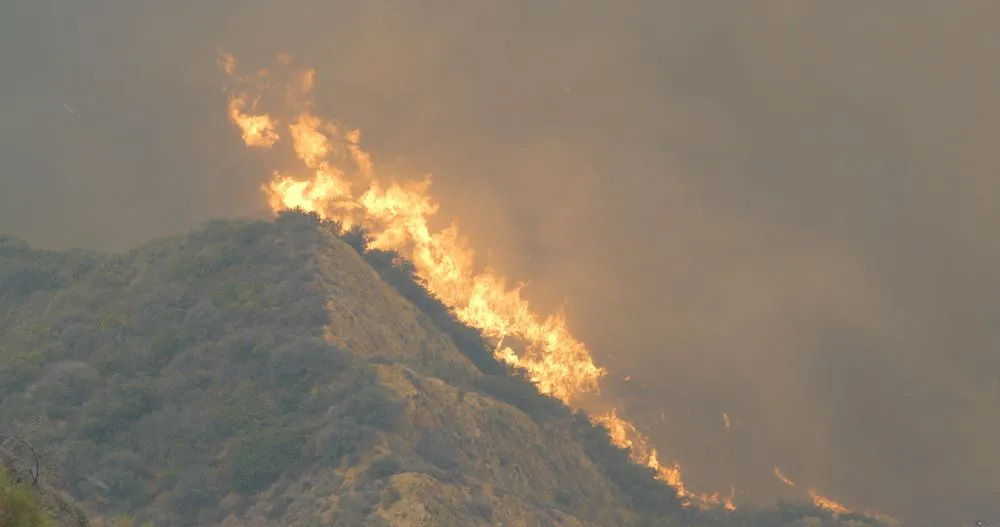
Clearly, wildfires wreak havoc in many people’s lives around the globe. Nations spend enormous amounts of resources in combating these fires, often relocating thousands of people due to unlivable conditions in the devastated areas. Dedicated fire units have been set up to counter the spread in the event of a wildfire. However, every good countermeasure starts with an understanding of the root cause of the problem.
The root cause in the case of a wildfire begins when three main ingredients come together.
The Fire Triangle
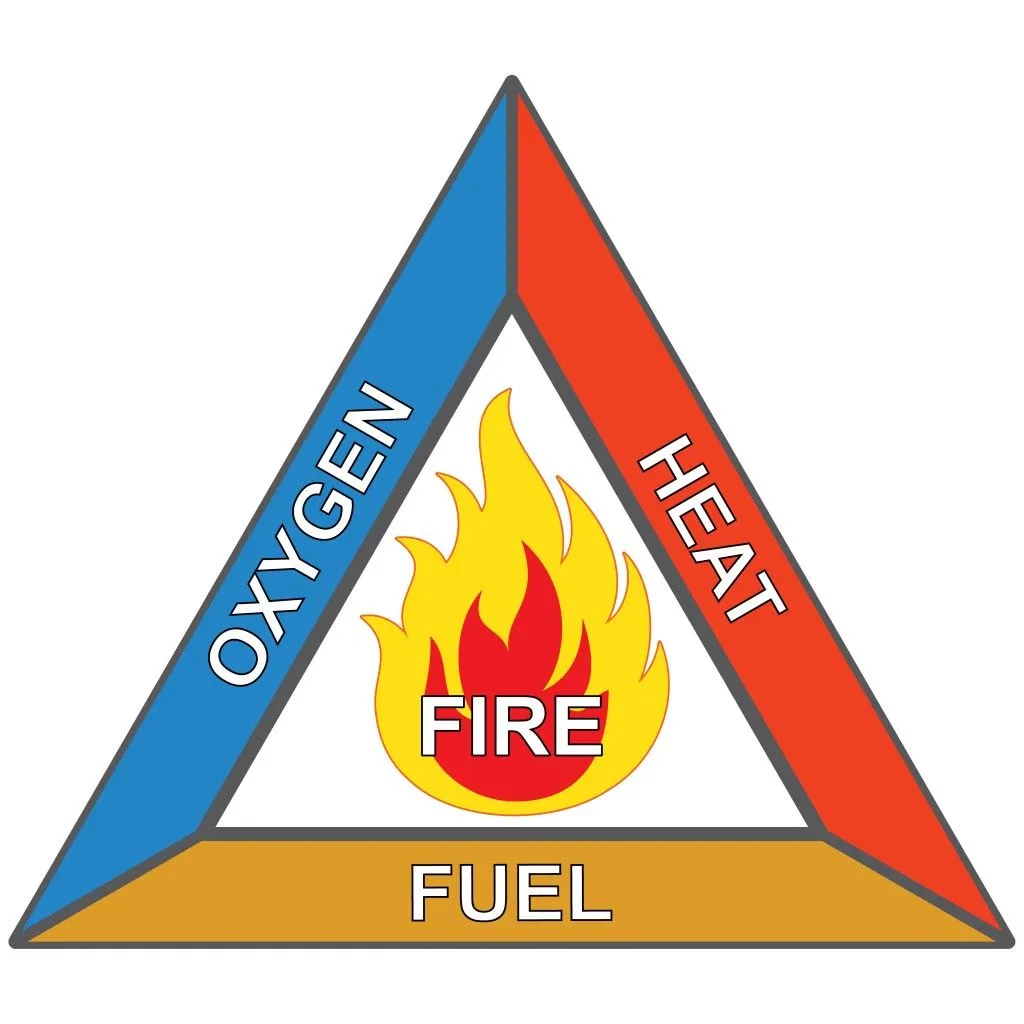
A fire occurs when three key ingredients combine together:
- Oxygen – Just as it is essential for us to breathe oxygen to survive, a fire can also be suffocated if oxygen is removed. Oxygen in the air combines with a source of fuel to create the right conditions at a molecular level for ignition to light it. However, maintaining a balance in the amount of oxygen is important. Too much oxygen and the fuel will give off vapors that don’t ignite, but too little oxygen will make it non-combustible. The vapor-to-oxygen ratio is known as the explosive or inflammable limit of a gas.
- Fuel – The thing that burns in the fire is the fuel. Fuels can take any form, ranging from deadwood in the forest and rough leaves on the ground to fabric, plastic, and liquids. Different types of fuels burn at different intensities, with forest fires commonly reaching 800°C (around 1,470°F) or hotter.
- Heat – A way of transferring heat to the oxygen and fuel completes the triad and gets the fire started. Lightning and lava are some common sources through which wildfires start. If the wildfire is caused by humans, the source could be unfinished cigarette butts, fireworks, sparks from power lines, or arson.
These three ingredients form in different ways to start a wildfire. The causes of a wildfire fall into two groups: manmade or natural. The main causes of wildfires are:
Lightning
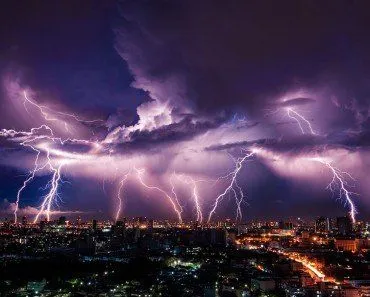
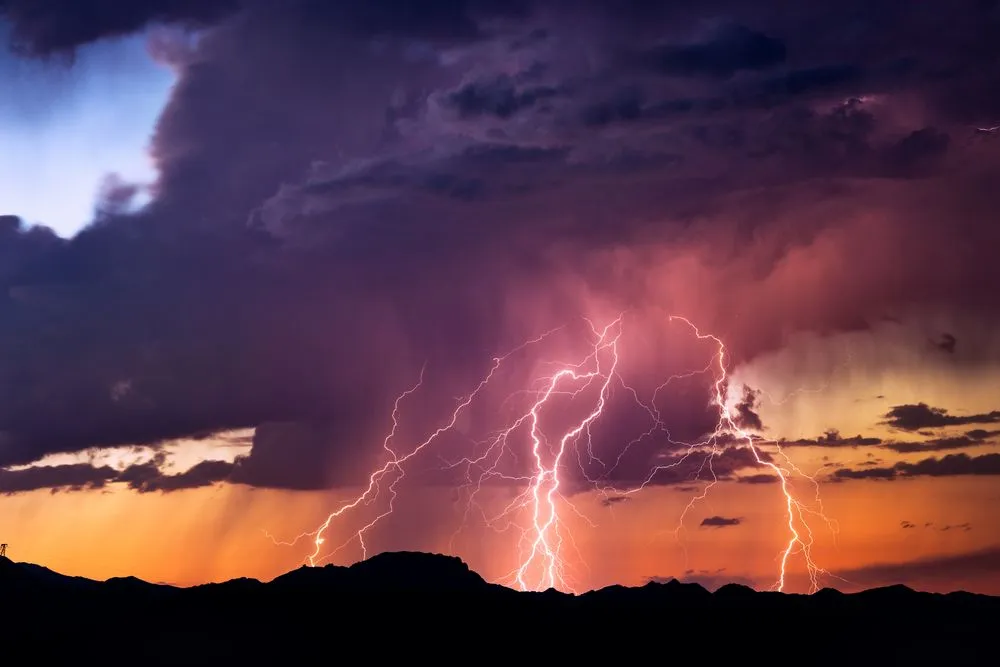
This is one of the main natural culprits behind wildfires, and it accounts for the most area burned of any type of wildfire. Although lightning starts far fewer fires than people do, its fires tend to ignite in remote, hard-to-reach country, so they grow large before anyone can respond; lightning is responsible for roughly half to 60% of all acreage burned in the United States. Dry climates spawn dry thunderstorms, and lightning from these storms ignites the forest. Lightning comes in two varieties: cold and hot. Cold lightning delivers an intense electric current, but only for a very short instant. Hot lightning carries a "continuing current" that flows for a longer duration, transferring more heat into the fuel below; wildfires usually start from these long-lasting bolts.
Dry Climate
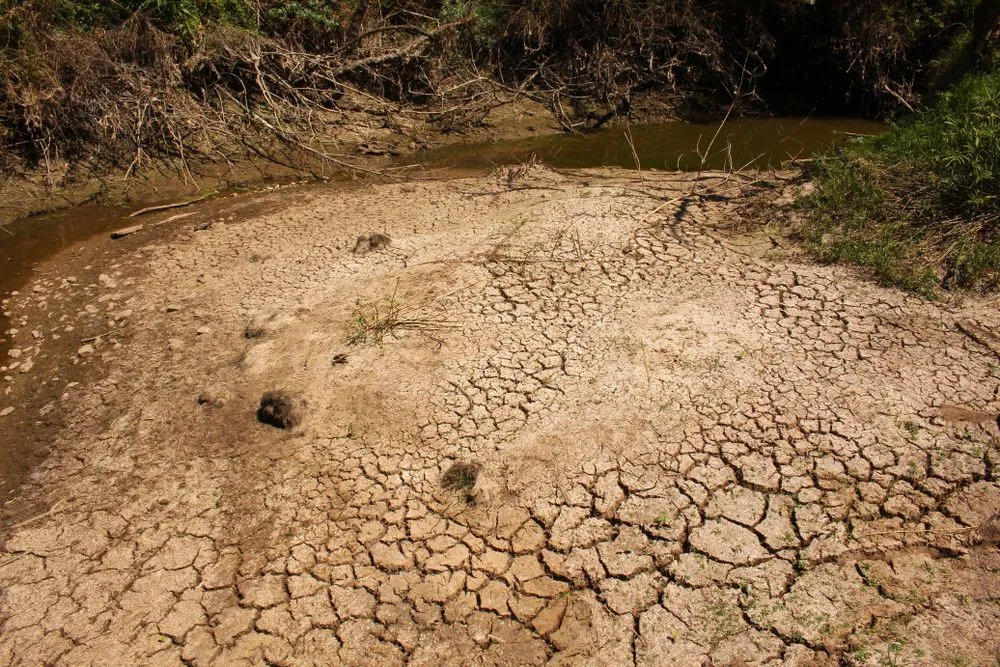
A dry climate represents the perfect recipe for the fire triangle. Prolonged drought, low rainfall, and high temperatures leave the landscape parched. The trees, leaves, and sticks are baked by the sun and dehydrated, making them the perfect fuel for any source of ignition. These wildfires tend to begin in the afternoon when temperatures are soaring. The prevailing wind in dry regions then spreads the wildfire rapidly throughout an area. Climate change is loading the dice here: warmer temperatures dry out vegetation faster and lengthen the fire season, which is one reason recent fire seasons have been so severe. It is therefore only a matter of time before a heat source ignites the fuel, which could be lightning or any human activity, including camping, agriculture, animal husbandry, etc.
Volcanic Eruption
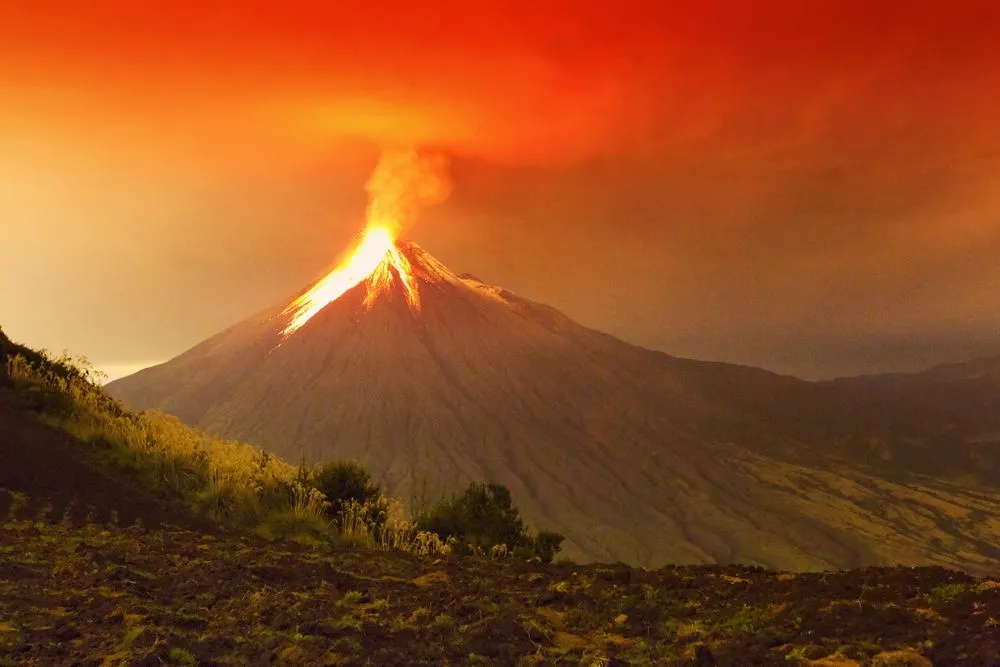
An active volcano could be surrounded by a large forest. When that forest ignites as a result of super-hot lava spills, it will burn the nearby landmass. The fuel does not need to be very flammable, because the lava from the eruption has an extremely high temperature, burning everything in its path. A volcanic eruption can be somewhat mediated before this happens, as the human population can be evacuated from the area it affects.
Human Error
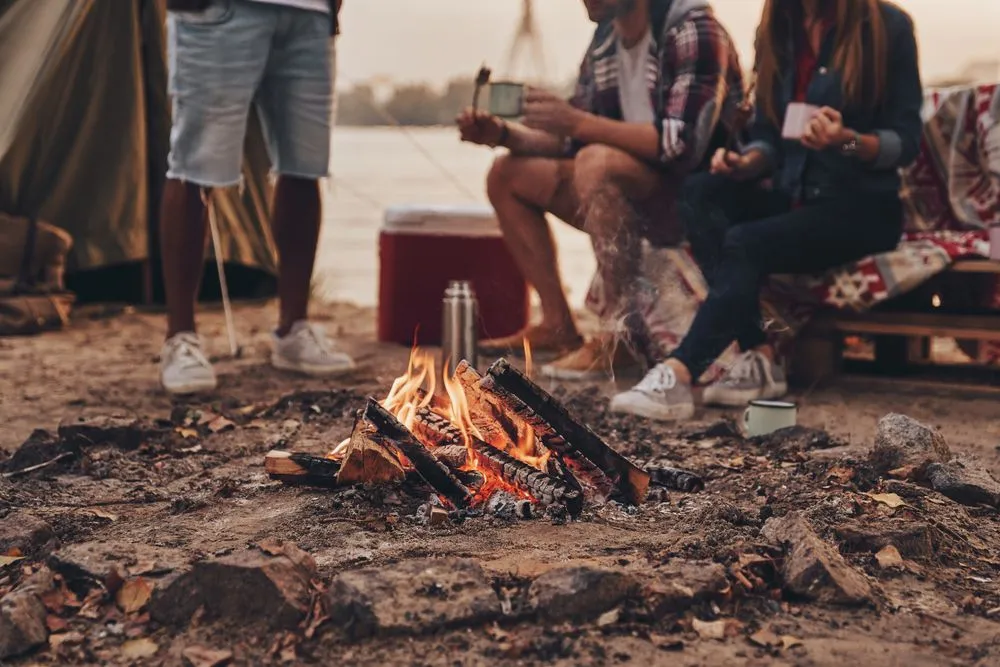
Humans cause the largest number of wildfires by far. According to the National Park Service, nearly 85% of wildfires in the United States are started by people, though the area each one burns is usually smaller than that of a natural fire, thanks to earlier detection near populated areas. Such a wildfire could happen due to criminal arson (a willful attempt to burn a piece of land). Campfires left unattended, discarded cigarettes, equipment sparks, and debris burning are also common ways in which wildfires start.
Agriculture and animal husbandry can start wildfires, as land is sometimes burned knowingly to clear it for harvesting. Fires starting from faulty power lines have also been recorded. Humans usually provide the necessary ignition for the already flammable fuel and appropriate oxygen content.
Prevention And Mitigation
Knowing how a fire will spread in a given area can help in mitigating it. The spread of any wildfire depends on the flammable nature of the fuel present, the moisture in the air, and the topology of the forest, i.e., its vertical arrangement. Following are some of the ways in which fire spreads:
- Surface fire burns consistently, but at a very low intensity; the mature trees are not harmed in this situation. The organic fuel buildup over time increases the chances and the intensity of the fire. Occasional fuel removal through controlled fires effectively reduces the buildup of this fuel, making it less likely to start a larger fire.
- Ground fires are the most intense of all, destroying entire areas of landmass, leaving only the bare earth behind. These fires feed on the subterranean roots and duff (the forest ground that contains dead leaves, the bark from trees and other organic residues).
- Crown fires occur in the canopy level of the trees, spreading throughout that elevation. This fire is dependent on the height of the canopy, the density of the suspended material, vegetation moisture content and weather conditions. Crown fires are the fastest-spreading and most dangerous to fight, because high winds can carry burning embers far ahead of the main fire front.
Preemptive measures are important to ensure that wildfires don’t get out of control. Many local fire safety norms allow natural fires to burn out in order to maintain the ecological order. Given that most fires are caused by human involvement, it, therefore, becomes imperative to control human activity in fire-prone regions.
Early detection of fire also helps in curtailing its spread. Fire lookout towers are set up to help achieve this. Satellite-based mapping and early detection surveillance systems have also been established to prevent the loss of landmass, property and human life.
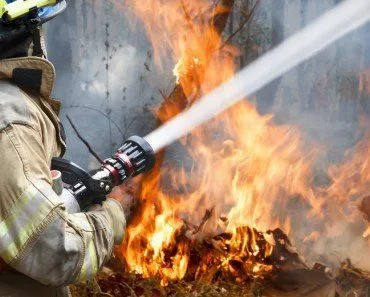
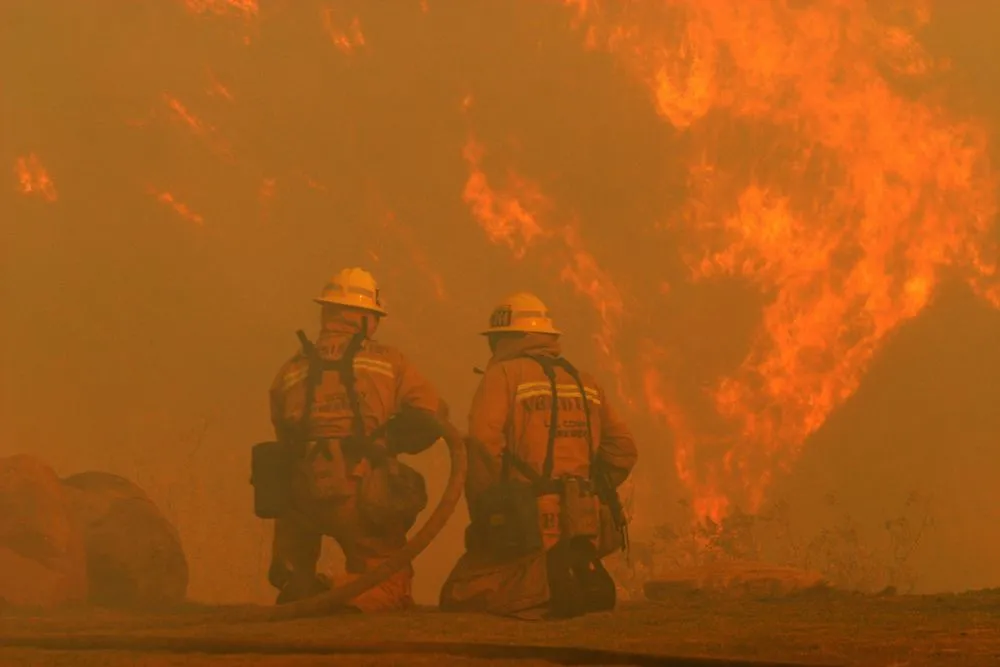
In the case of an uncontrollable and damaging wildfire, firefighters try to suppress it with the available technological tools at their disposal. This could range from fire engines and hand crews digging containment lines to aircraft dropping water and fire retardant, along with other means of fire extinguishing.
References (click to expand)
- Doerr, S. H., & Santín, C. (2016, June 5). Global trends in wildfire and its impacts: perceptions versus realities in a changing world. Philosophical Transactions of the Royal Society B: Biological Sciences. The Royal Society.
- Los Angeles wildfires of 2025: Deaths, Damage, & Facts. Encyclopaedia Britannica.
- Wildland Fire Facts: There Must Be All Three. The National Park Service
- Wildfire Causes and Evaluations (U.S. National Park Service). The National Park Service
- Human-caused wildfires. National Interagency Fire Center (NIFC).
- Understanding Lightning: Continuing Current. NOAA National Weather Service.