Table of Contents (click to expand)
Yes. A single plant can grow different types of fruit or vegetables, using grafting or somatic hybridization. Grafting joins a scion (a bud or shoot) from one plant onto the rootstock of a compatible relative, so one trunk feeds many fruits. Somatic hybridization fuses the protoplasts of two plants into one hybrid cell.
If I told you that I grow different fruits in my garden, you might imagine a spacious garden with giant trees bearing colorful fruits. However, imagine if there exists a single tree that bears different fruits… Sounds like a bit of fantasy, right? But wouldn’t it be delightful if it was real?
Well, thanks to science, this fairy tale has come true!
There are two ways to get a tree to bear different types of fruit. The first is breeding by somatic hybridization. The second is the horticultural science of grafting. To fully understand this idea, let’s dive into the science of fruit and veggie fusion.
What Is Somatic Hybridization?
This is a breeding method employed to fuse somatic cells (non-sex cells) of different plants. Upon successful fusion, the hybrid plant acquires the qualities of both plants. For example, if you combine the protoplast (plant cell without a cell wall) of a tomato and a potato in the lab, you can get a pomato!
Somatic hybridization has broader applications, such as transferring traits, i.e., drought resistance, between different species.
Prerequisites For Somatic Hybridization
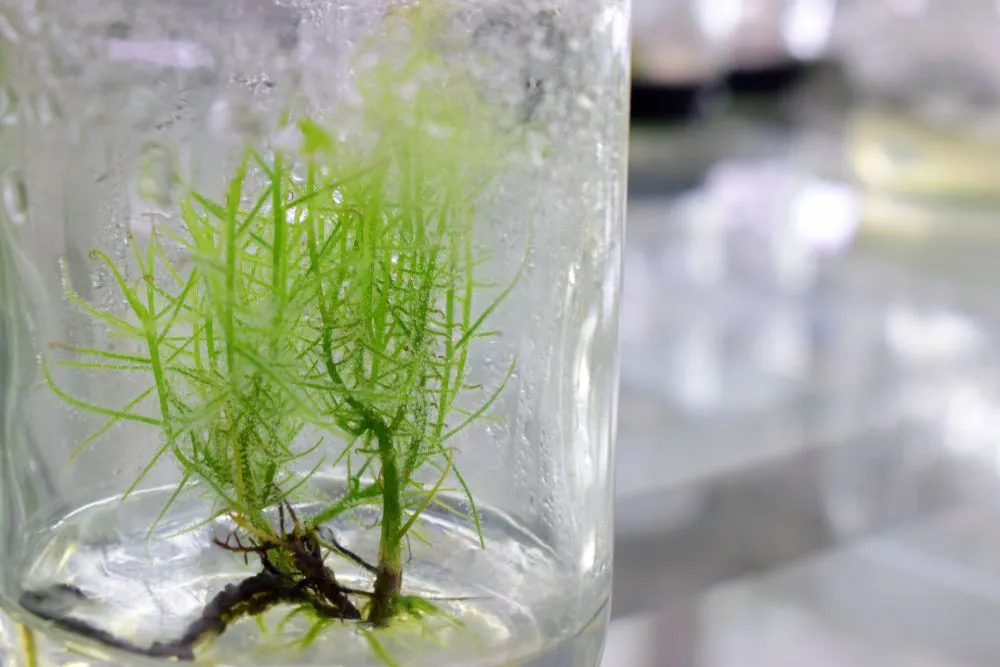
Plants must meet two criteria for somatic hybridization. These plant cells should be totipotent, which means that a single plant cell should be able to grow into an entire plant. Also, we should extract a vast number of protoplasts. The totipotency ensures that hybrids can regenerate after fusion, whereas having a large number of protoplasts makes it easy to scan for the ideal hybrid.
How Somatic Hybridization Works
The process of somatic hybridization involves four steps, as follows:
1. Protoplast Isolation
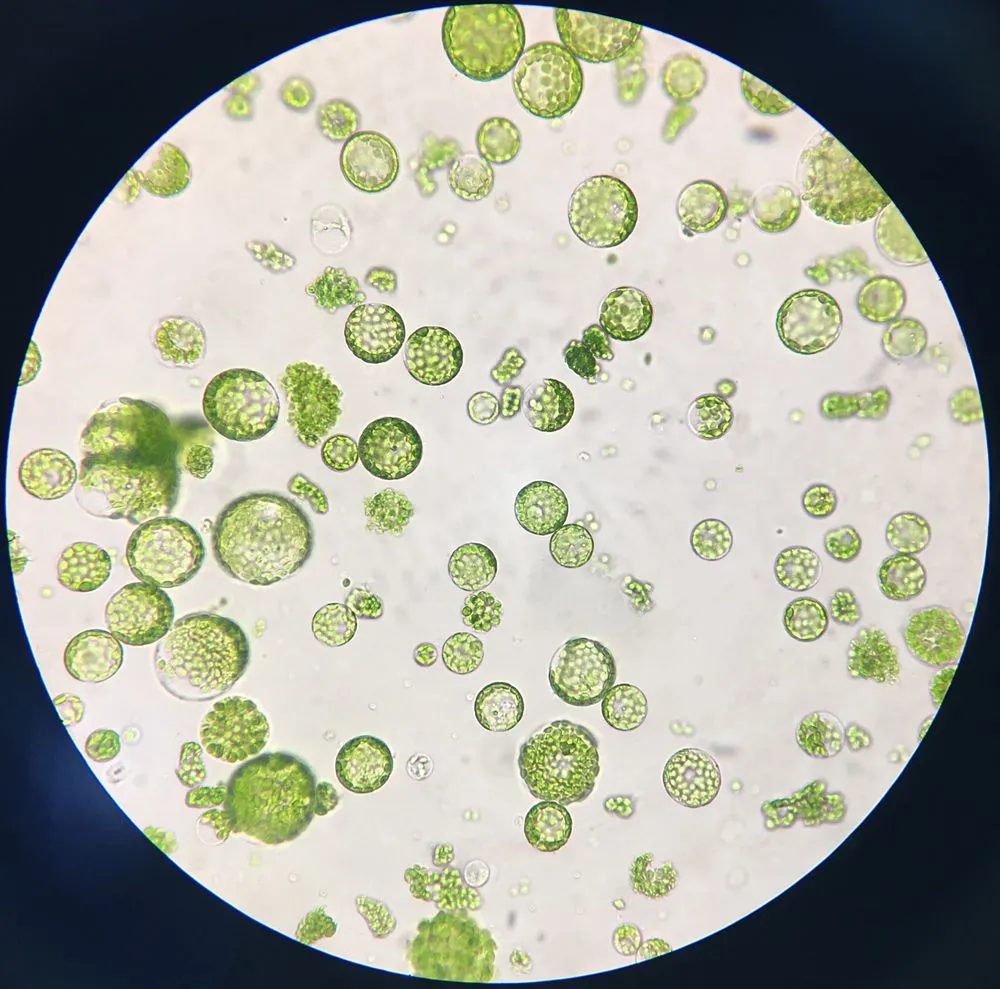
All plant cells contain a cell wall, and since the cell wall is a rigid structure, it prevents two cells from fusing with each other. Scientists must therefore extract protoplast to carry out hybridization.
First, we select plant parts, such as roots, leaves or pollen, then sterilize and shred them. After that, we add enzymes, such as cellulase and pectinase, to the cells. Since the cell wall contains pectin, pectinase splits cells by disintegrating the pectin. In comparison, cellulose is the primary constituent of the cell wall, so cellulase breaks it down.
2. Protoplast Fusion
The protoplasts isolated above need a suitable environment to fuse. The outer cell membrane of the protoplasts are negatively charged. Due to having a similar charge on the surface, they repel each other. Thus, applying fusogens like polyethylene glycol and calcium ions reduces repulsion and fuses them. You can think of fusogens as a bio-gum that sticks protoplasts together.
Besides fusogens, centrifugation and electric charges promote fusion, but they pose a risk of damaging the protoplasts.
3. Isolation Of Hybrid Cells
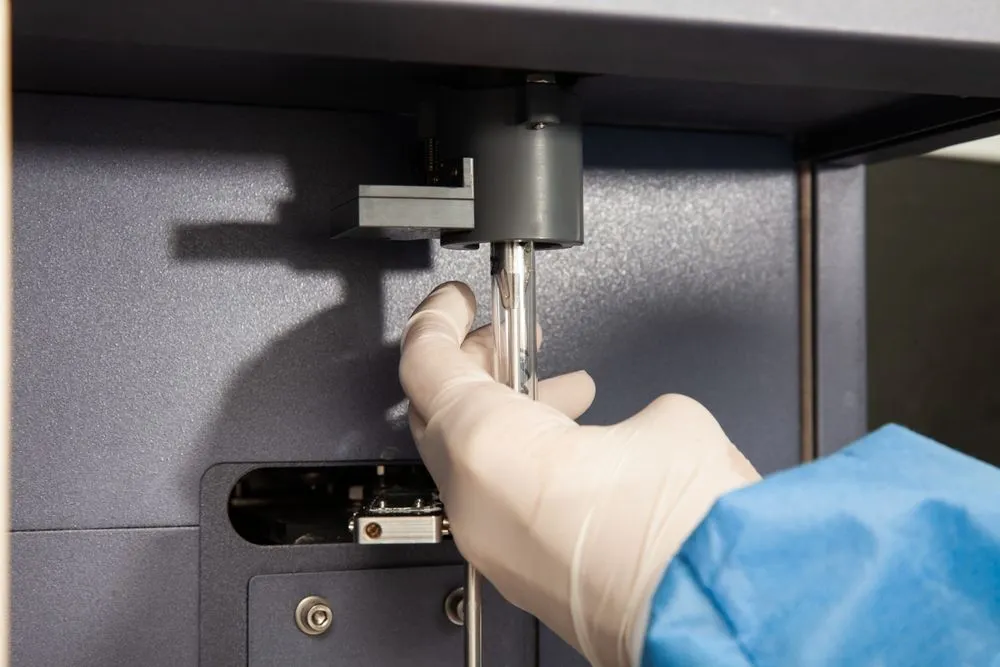
A perfect somatic hybrid contains protoplasts from both plants, but some cells fuse with neighboring cells of their own plant. These cells don’t serve our purpose. Techniques such as flow cytometry and biochemical selection help pick out the hybrid cells. In flow cytometry, the cell suspension passes through a cytometer, which sorts the hybrids from the unfused cells.
In the case of biochemical sensitivity, chemicals eliminate sensitive protoplasts. For example, protoplast A and B are susceptible to chemical 1 and 2, respectively. Thus, to remove protoplast A, we can grow them on chemical 1. As it is sensitive to chemical 1, all the protoplasts of A will fail to survive. At the same time, protoplast B forms smaller colonies than somatic hybrids AB.
4. Plant Regeneration
Now the prime selection criteria of totipotency comes into play. These hybrid cells begin to regain their cell walls and continue to divide. The colonies are then transferred to suitable nutrient media. This media allows them to regenerate as a whole new plant.
Now, let’s learn about the second approach, grafting. It is an uncomplicated technique and doesn’t require growing new plants from cells. It’s more about combining existing plants.
What Is Grafting?
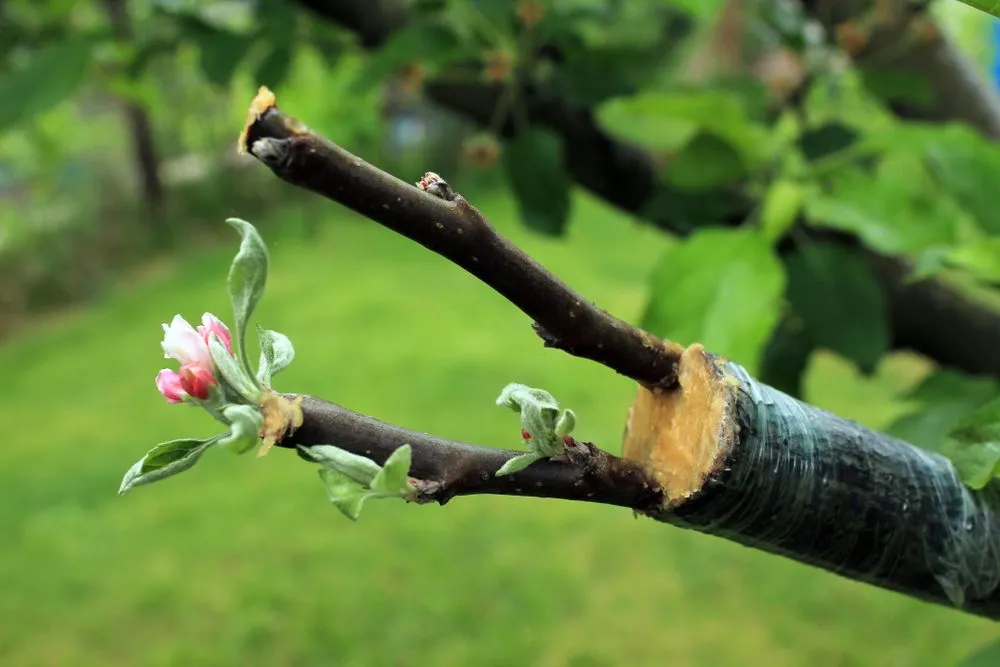
Grafting is joining a scion (a bud or shoot) from one plant to another plant’s stock (the rooting part). Sometimes, an interstock helps to overcome incompatibility. An interstock is a shoot that is suitable with stock and scion. Hence, it serves as a middle man to unite them.
Grafting has been successful in both vegetables and fruits. The “TomTato” (sold in the United States as “Ketchup ’n’ Fries”) is a grafted plant that grows cherry tomatoes above ground and potatoes below; it reached US garden centers in 2015. Note that this is a graft, not a somatic hybrid: the tomato top and potato bottom keep their own genes and are simply joined. Researchers have grafted tomato-and-eggplant (aubergine) plants in the same way, because tomato, potato and eggplant all belong to one family, the nightshades (Solanaceae). When it comes to grafted fruits, the astonishing “Tree of Forty Fruit” is an incredible example.
Prerequisites
Grafting works best between close relatives. Two plants of the same species almost always take, and many grafts between different species of the same genus succeed too. Compatibility falls off as the plants grow more distantly related: some grafts between different genera of one family work (quince rootstock for pears, for example), but grafts between separate plant families almost never heal. The closer the kinship, the better the scion and stock can knit their wounds and fuse into one.
Grafting The “Tree Of Forty Fruits”
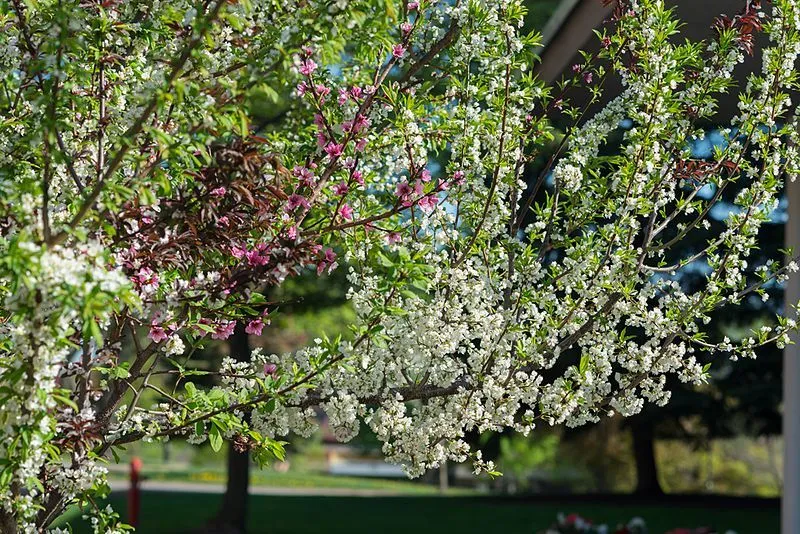
This grafted tree is a perfect blend of art and science. It is the brainchild of Sam Van Aken, an art professor at Syracuse University. Forty varieties of stone fruit, such as peaches, plums, apricots, cherries, nectarines and almonds, bloom and fruit from the branches of this tree. (All of these belong to the genus Prunus, which is exactly why they graft together so readily; apples, being a pome fruit, are not part of it.) The grafting technique used to grow this tree is quite remarkable. We also have an article on grafting where you can learn more about the process.
A compatible rootstock of a stone fruit tree was grown for two years. It was then trained to have four to five branches. These branches were then used as anchor points for buds taken from other stone fruit trees. There are many types of grafting that can unite different plants. However, in this particular instance, chip budding was chosen. In this technique, a bud chip (scion) is selected and inserted into a fitting slit made on branches of rootstock.
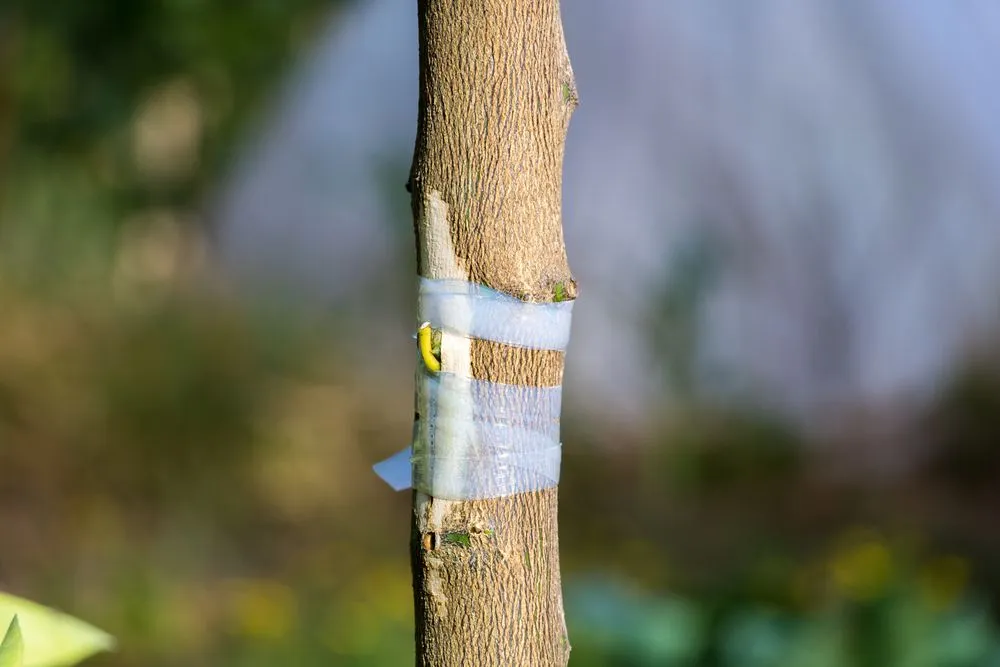
After a few weeks, the vascular bundles of the scion and stock join and the graft is deemed successful. These two different plants will now grow as one plant. Likewise, we can graft other varieties of plants on rootstock branches.
Conclusion
At present, two techniques allow plants to grow different types of fruits/vegetables. One is somatic hybridization, in which the protoplasts of two plants fuse. This fusion transforms the protoplasts into one functioning plant. An example of this is the pomato, a lab-made hybrid of a tomato and potato (though the original somatic-hybrid pomatoes were sterile curiosities rather than crops).
Another technique to achieve a similar effect is grafting. Plant parts, such as buds or shoots, act as scions. Another plant of a relative species serves as a stock (the rooting plant). The scion is fixed onto the stock and allowed to heal. Once it heals, both plants function as a single plant with a shared vascular system. An impressive example of grafting is the “Tree of Forty Fruit.”
References (click to expand)
- AR Shuro. Review Paper on the Role of Somatic Hybridization in Crop .... arcjournals.org
- Sculptor Sam Van Aken's Tree of 40 Fruit. Syracuse University
- Grafting - University of Missouri Extension. The University of Missouri
- G Melchers et al. Somatic hybrid plants of potato and tomato regenerated from fused protoplasts. Carlsberg Research Communications
- Gardener's Twofer: First Ketchup 'N' Fries Plant Hits U.S. Market. NPR
- Mechanisms Underlying Graft Union Formation and Rootstock-Scion Interaction in Horticultural Plants. Frontiers in Plant Science (PMC)