Table of Contents (click to expand)
Many things we use every day are NASA spinoffs born from space technology, including the CMOS sensors in smartphone cameras, invisible braces, LASIK eye-tracking, cochlear implants, memory foam, the cordless DustBuster vacuum, and the DHA/ARA nutrients in infant formula. Contrary to popular belief, NASA did not invent Velcro, Tang, or Teflon.
There is often a debate over whether we should explore space. Should we really spend our valuable resources on developing technologies that will enable us to better understand and physically travel the vast cosmos? Or is it better to spend those resources to solve the problems running rampant here on Earth? Well, the answer isn’t binary, as we can do both at the same time; in fact, this is in our best interest, as NASA’s 60-year run of success shows.
NASA’s primary objective is to explore and gain a better understanding of the cosmos. In doing so, it must develop technologies to establish a better picture of the universe, make devices to physically explore different types of terrain, make equipment that can orbit the earth and other planets, and develop a space station for space environment research, among many other things.

This pursuit has led NASA to develop many new technologies, some of which have trickled down into our everyday life. NASA has a magazine called Spinoff, in which it details thousands of its inventions that have come to widespread use.
Let’s take a look at some of these.
From Space To Everyday Life
Cameras In Smartphones
Mobile phones have become ubiquitous these days, packed with incredible processing power, as well as high-quality front and back cameras. Miniaturized cameras have found a major market, with the selling point of phones often being their higher megapixel camera, as well as standalone products from companies like GoPro.

One of the ways this miniaturization has been possible is due to the invention of digital image sensors, which can be traced back to NASA JPL scientist Eric Fossum. In his effort to reduce the size of cameras for interplanetary missions, Fossum reduced the signal noise, which was a problem in earlier attempts at CMOS (converting the captured light to electrical signals) imagers. Through that effort, he invented the CMOS active pixel sensor, which is currently used in smartphones and many other applications.
Invisible Braces
Braces can be unpleasant and can hamper one’s physical appearance. Thankfully, we have other alternatives, such as invisible braces, which provide seamless integration with a person’s dentures without them sticking out and drawing attention.
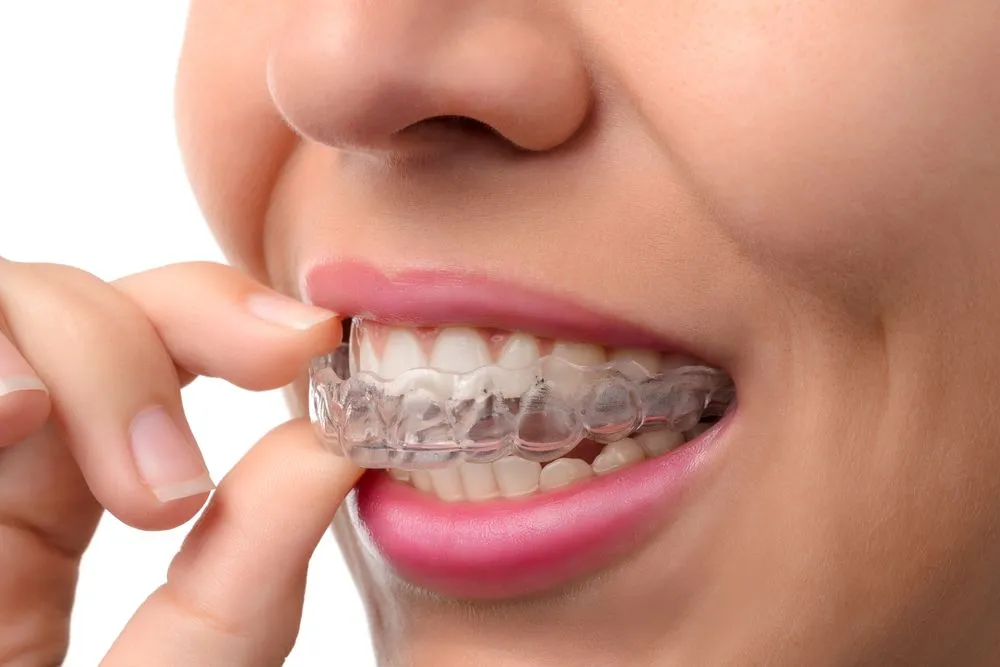
These braces are a form of transparent ceramics called translucent polycrystalline alumina (TPA). A company named Ceradyne developed it. They worked in conjunction with NASA Advanced Ceramics Research to find a method to protect the infrared antennae on heat-seeking missile trackers.
LASIK
Nowadays, LASIK is the go-to procedure for long-lasting vision correction, making it the best alternative for eyeglasses and contact lenses. It is commonly referred to as laser eye surgery and is used for the correction of myopia, hyperopia, and astigmatism. It uses lasers to reshape the cornea in the eyes, thus improving visual acuity.
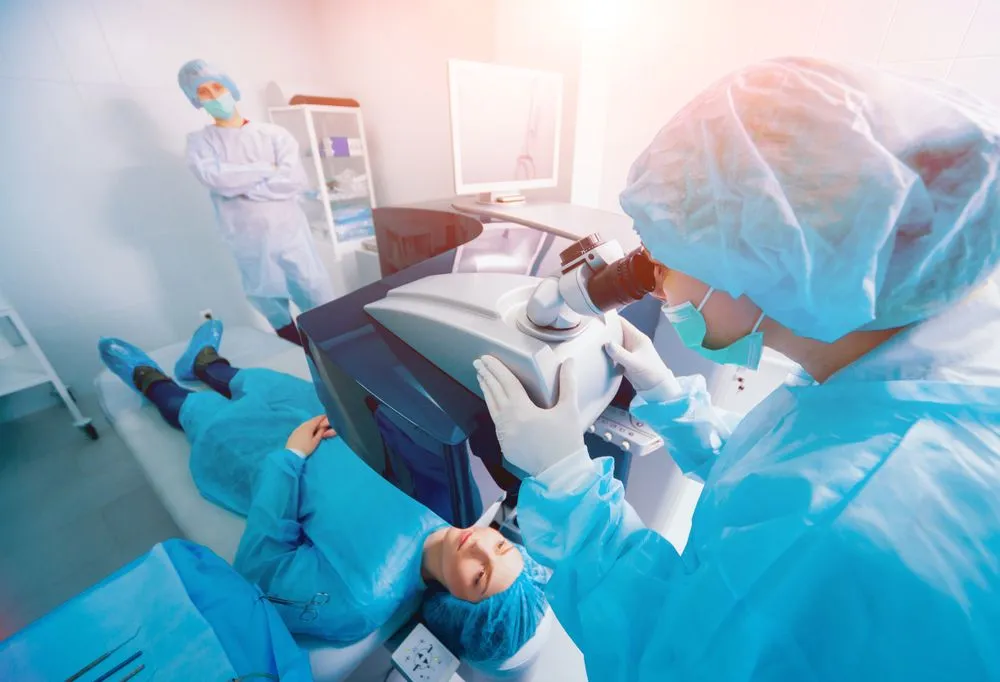
NASA didn’t invent LASIK itself, but one critical piece of the modern procedure traces back to spaceflight. In the 1980s, NASA wanted to automatically dock space vehicles to service satellites, which required locking two moving objects precisely in sync. To do this, NASA helped develop laser radar (LADAR, also called lidar) tracking. That same fast, accurate tracking turned out to be exactly what eye surgeons needed: the eye flickers up to 100 times per second, so the laser must follow it to reshape the cornea cleanly. The technology became the eye-tracking system ophthalmologists use to keep the laser locked on a patient’s eye during LASIK.
Cochlear Implants
Hearing aids don’t help everyone who has a hearing deficiency, which is where cochlear implants come into the picture; they are surgically implanted to provide a sense of sound to a person with hearing loss. These implants bypass the normal hearing system and instead replace it with electric signals that directly stimulate the auditory nerve.

Cochlear implants have been around since the 1960s, but their modern application was pioneered by Adam Kissiah, an engineer at NASA’s Kennedy Space Center. Kissiah, who was hearing-impaired himself, started working on the problem in the mid-1970s, leading to a device that would provide hearing sensation for people who receive no help from hearing aids. He developed it over 3 years while working at NASA, taking time out of his lunch breaks and evenings to study in the center’s technical library. Kissiah studied the impacts of engineering principles on the ear and applied the knowledge gained while working as an electronics instrumentation engineer at NASA. He patented the technology in 1977.
Memory Foam
A good night’s sleep is essential in everyone’s life, as it provides ample rest and alertness for the following day. Doctors recommend a memory foam mattress that gives the essential lumbar support for perfect recuperation at night. The foam takes the form of the person sitting or sleeping to provide adequate support, but returns to its resting position once the person gets off, giving it the name “memory” foam.
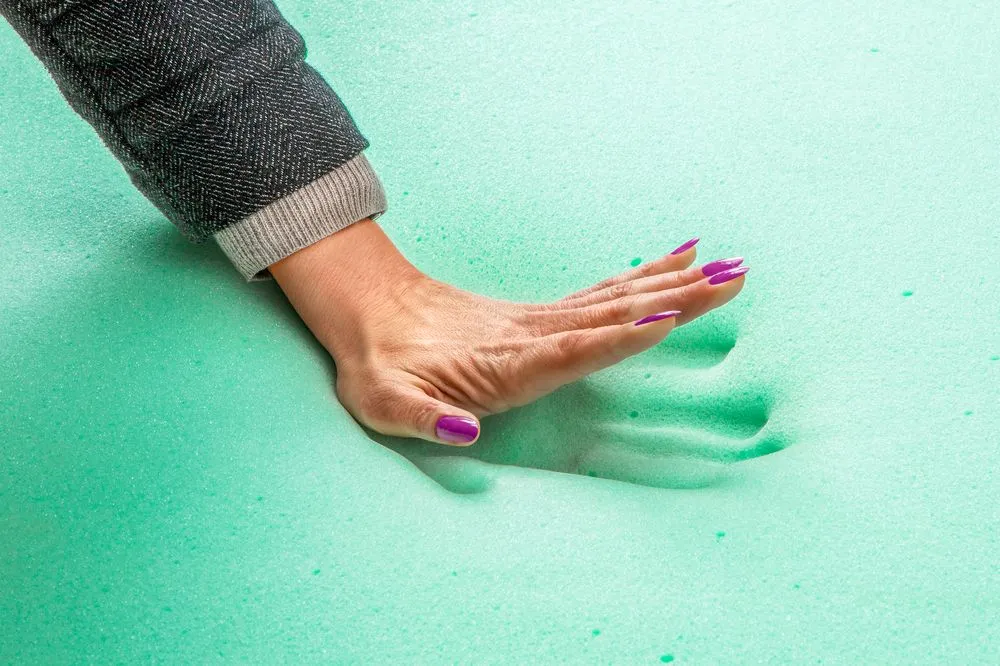
In 1966, designers wanted a cushioning material that could absorb a sudden impact and cradle a body of any weight, improving crash protection in aircraft seats. A rigid, custom-shaped cushion would never fit every passenger, but a foam that softened to mold itself to whoever sat on it, then sprang back to its base position once they got up, solved the problem neatly. This temperature-sensitive “slow spring-back” foam was developed under contract for NASA’s Ames Research Center, and is now widely used in civilian aircraft, sports safety equipment, mattresses, pillows, and more.
Portable Cordless Vacuums
Cordless vacuums have become a necessity for cleaning household surfaces, especially carpets and rugs.
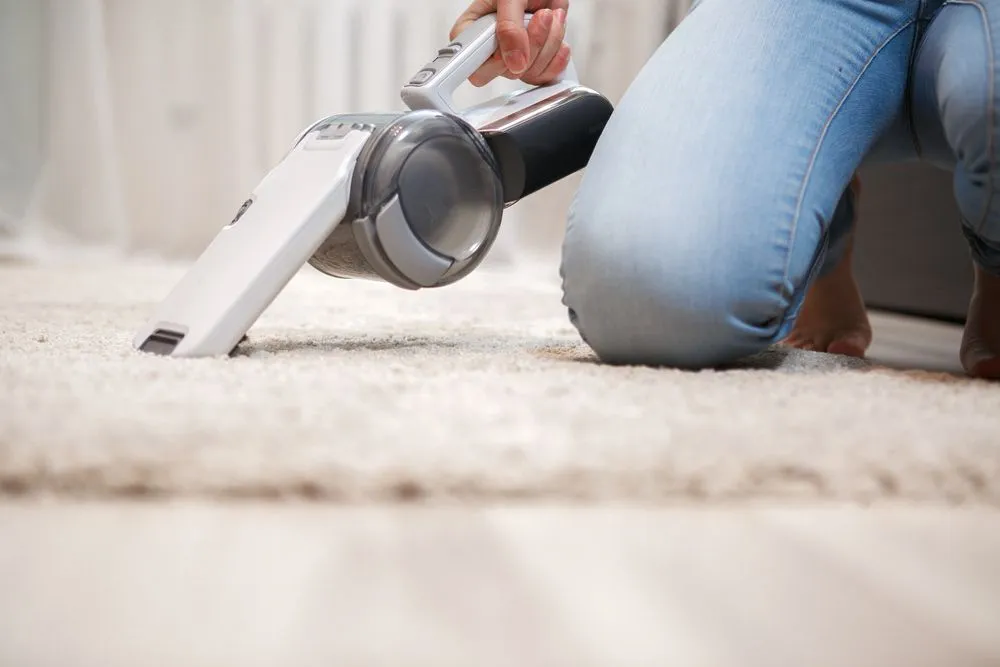
A portable, self-contained drill was required to extract core samples from the lunar surface during the Apollo space mission. NASA tasked Black & Decker with developing a portable machine that could be used for the task; to do this, they optimized the design of the drill’s motor through a computer program, which also used minimal power. This led to the development of a vacuum cleaner called the DustBuster, which was released to the masses in 1979.
Swimsuits
Another of the applications of space exploration technologies is seen in competitive swimming. NASA’s Langley Research Center supported Speedo’s design for a swimsuit through their wind tunnel testing and fluid flow analysis software. This resulted in the LZR Racer, which reduced skin friction drag more than 24% over previous Speedo swimsuits.
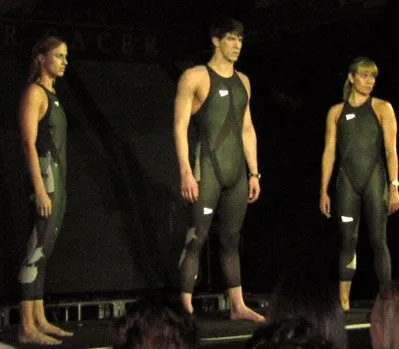
The LZR Racer is comprised of woven elastane-nylon and polyurethane, and was released in March 2008. The athletes who wore this line of swimsuits broke 13 swimming world records in that month alone! The suit proved so effective that swimmers wearing it broke 23 of the 25 world records set at the 2008 Beijing Olympics, prompting swimming’s governing body, FINA, to ban polyurethane and other non-textile racing suits from 2010 onward.
Baby Food
Toddlers are required to have high-nutrition food, which facilitates healthy development, most of which is gained from human breast milk. There are times when substitutes are required to feed the child and enriched baby food helps in these cases.

The available infant formulas today have a nutritional enrichment ingredient that originated from NASA-sponsored research. In the 1980s, NASA studied whether microalgae could serve as a food supply, an oxygen source, and a recycling agent for waste on long-duration space missions. That work led scientists to two fatty acids, DHA and ARA, that are vital for an infant’s brain and eye development. Today, these algae-derived nutrients are found in 99% of infant formulas sold in the United States and are added to formulas in over 75 other countries!
Closing Thoughts
We clearly enjoy many of the advancements derived from our journeys into space; many things that have come from it are ubiquitous in our everyday use, making further investment in space a valuable proposition.
However, that shouldn’t be the only justification for venturing into space, as such leaps into the void also tap a very primal drive of humans to explore the unknown!
References (click to expand)
- NASA Spinoff: Home. The National Aeronautics and Space Administration
- Nutritional Products from Space Research | NASA Spinoff. The National Aeronautics and Space Administration
- CMOS Sensors Enable Phone Cameras, HD Video | NASA Spinoff. The National Aeronautics and Space Administration
- Hearing Is Believing | NASA Spinoff. The National Aeronautics and Space Administration
- Space Age Swimsuit Reduces Drag, Breaks Records | NASA Spinoff. The National Aeronautics and Space Administration
- DustBuster | NASA. The National Aeronautics and Space Administration
- Links to NASA Spinoffs/Technology Transfer. boulder.swri.edu