Frozen bananas taste sweeter mainly because the ice crystals rupture the fruit’s cell walls, releasing the sugars locked inside and softening the pulp so your tongue meets that sugar right away. The total amount of sugar barely changes; thawing simply makes the sweetness that was already there much easier to taste.
Have you ever observed this strange fruit phenomenon? If you haven’t, then you might want to give it a try. Take a banana and let it freeze (keep it in the freezer for a day for good measure), then take it out and let it thaw. After it’s defrosted completely, give it a taste, and you’ll find that it tastes sweeter than a ‘normal’ banana.
Once you’re done savoring that sweeter-than-normal banana, take a moment and think: why does this happen?
Freezing A Fruit
Fresh fruits and vegetables, as you likely know, are incredibly prone to deterioration and spoilage, thanks to a number of chemical changes they go through that start once they’re harvested. The thing is that fresh fruits and vegetables contain enzymes, which, if activated, may lead to the loss of nutrients, discoloration, and flavor changes of the fresh produce.
That’s why it is so important to prevent the activation of these enzymes (which subsequently prevents such chemical reactions) if you want to preserve your fruits!
Fruits Contain Water
Fruits, like most other organic things, contain water, and bananas are no exception to this rule.
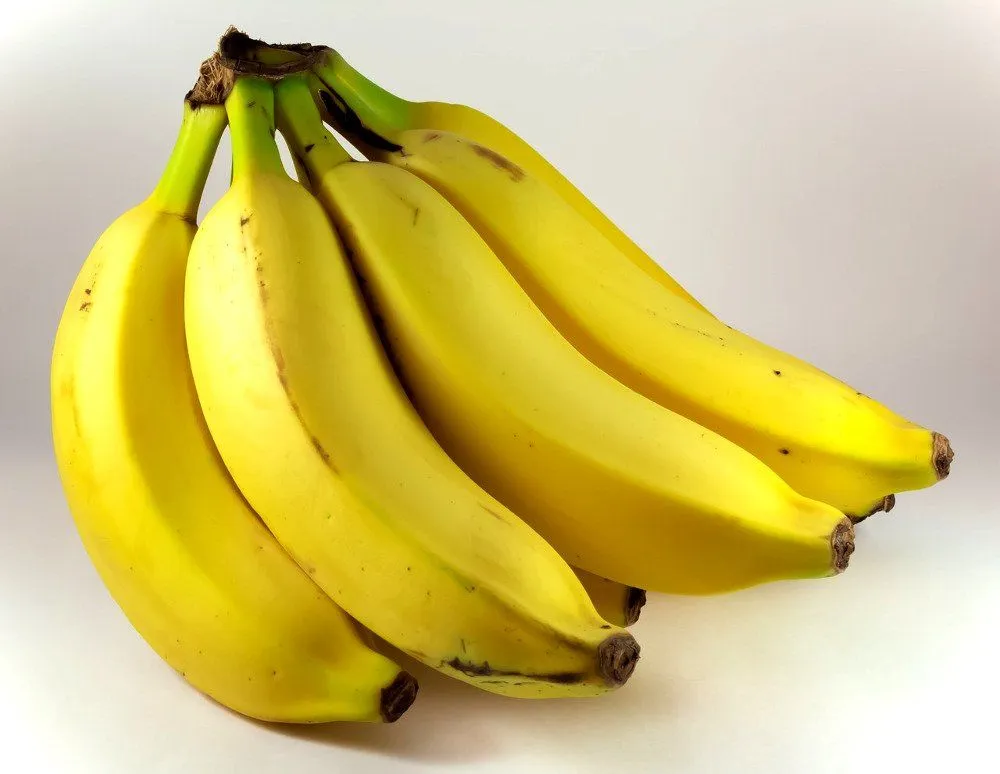
Bananas (and many other fruits) ripen and taste sweet when savory or flavorless starches are converted into sugar with the help of an enzyme called amylase. Amylase is present in foods that contain a significant amount of starch, but little sugar, such as potatoes, rice etc.
Interestingly, amylase is also present in the saliva of humans (and many other mammals), and plays an instrumental role in the digestion of food. That’s why foods that contain lots of starch, but very little sugar, start to taste somewhat sweet when they are chewed, as the amylase present in the saliva breaks down a portion of that starch (in the presence of water) into sugar.
There are usually two ways in which a fruit tastes sweeter: one, it has a high sugar content to begin with; or two, your tastebuds can access the sugar present in that fruit more rapidly (compared to other fruits).
With a frozen-to-thawed banana, it’s mostly that second factor doing the work. The banana doesn’t suddenly manufacture a pile of new sugar in the freezer; instead, the freezing and thawing unlocks the sugar that was already inside and hands it straight to your tongue.
What Happens When A Frozen Banana Is Thawed?
As mentioned earlier, bananas contain water, so when these fruits are frozen, the water inside it crystallizes and expands. This sort of expansion breaks the cellular structure of the banana (i.e., destroys its cell walls), which makes it somewhat limp and soggy when thawed.
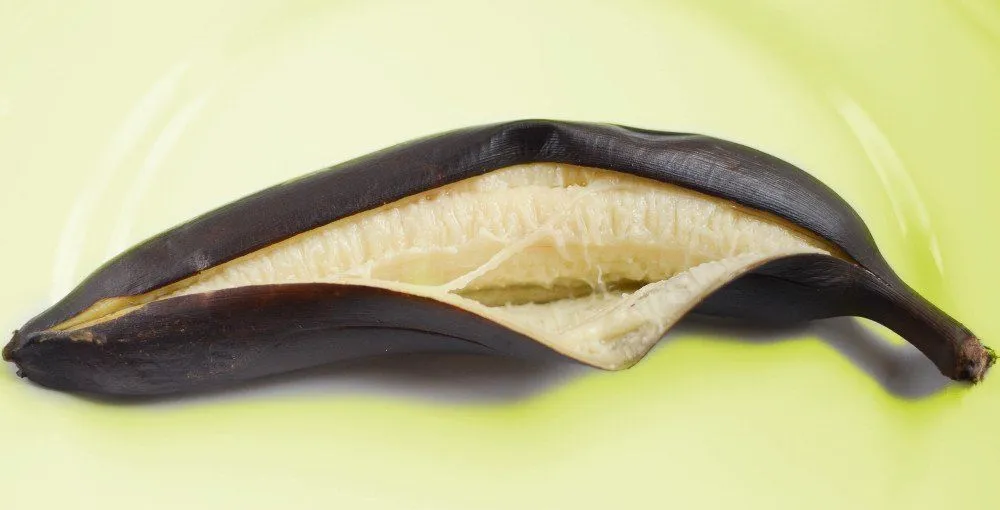
Such freezing and thawing of a fruit also causes its cell contents to run off its surface. If you taste the liquid running off a frozen-thawed fruit, you would find that it’s incredibly sweet, because it’s loaded with the sugars that used to be tucked away inside the cells.
However, there isn’t much excess liquid in bananas (unlike some other juicy fruits, such as oranges), so the cell contents (that splurged out due to the destruction of the cell walls) mostly stay within the pulp of the banana, making it much sweeter than a ‘normal’ banana.
There’s a second, smaller effect at play too. Once the cell walls are broken, the amylase and starches that were sealed inside separate cells can finally mingle in the thawing pulp. The amylase is no longer confined to the cell where it started, so as the banana warms up it can nibble at any leftover starch from neighboring cells and convert a little more of it into sugar.
Don’t overstate this part, though. Amylase barely works in the cold: its activity is sharply slowed near 0 °C (32 °F) and effectively stalls while the banana is frozen solid, so the freezer itself isn’t quietly brewing new sugar. Whatever extra conversion happens is modest and only during the brief, warmer window of thawing. The big starch-to-sugar conversion that makes a banana sweet in the first place is ordinary ripening, which happens over days on your counter, not minutes in the freezer.
One nice detail: the amylase mostly survives a trip through the freezer. A single enzyme molecule is far smaller than a cell, so the growing ice crystals that shred the cell walls don’t pierce it. Some amylase is inevitably lost, but the enzyme rides out a single freeze-thaw cycle far better than the banana’s cell walls, which are wrecked for good. So when you bite into that thawed banana, you’re mostly tasting sugar that was already there, now released and a touch boosted, rather than a whole new batch made in the cold.
Does Freezing Make Every Fruit Sweeter?
If you have ever popped a frozen grape in your mouth on a hot afternoon, you already know the banana isn’t special here. The same trick works on grapes, berries, mango chunks and most other fruit, and for the very same reason: the water inside every fruit freezes into ice crystals that punch through the cell walls, and when the fruit thaws those broken cells hand their sugar straight to your tongue.

There’s one important catch, though: freezing intensifies whatever flavor the fruit already had, rather than inventing sweetness from nothing. A sweet grape comes back sweeter, but a sour one comes back even more sour, because those same ruptured cells release the acids too. So freezing is less of a sugar machine and more of a flavor amplifier.
How hard you freeze matters as well. Slow freezing in a home freezer grows large ice crystals that tear cell walls apart, which is exactly why thawed fruit ends up so soft and leaks juice. Faster, colder freezing produces smaller crystals that do less damage, which is how commercial flash-frozen fruit keeps a firmer texture. As Penn State Extension puts it, “the faster the food freezes, the smaller the crystals that form,” and small crystals do less damage to cell walls.
Where Does A Banana’s Sweetness Really Come From?
Here’s the part the freezer can’t take credit for. The vast majority of a banana’s sweetness is built during ordinary ripening, long before the fruit ever sees a freezer. A green, unripe banana is mostly starch, and almost all of that starch is steadily converted into sugar as the fruit ripens.

The numbers are striking. At commercial harvest a banana’s pulp can be roughly 12 to 35% starch by fresh weight, but in a fully ripe banana the soluble sugars can reach up to 20% of the fresh weight while the starch all but vanishes. By the time it’s ripe, sucrose makes up about 80% of those soluble sugars, with glucose and fructose splitting the remaining 20% in roughly equal shares. This conversion is also why bananas change color as they ripen, going from green to spotted yellow.
What drives the change is a burst of the ripening hormone ethylene, which switches on starch-digesting enzymes called amylases (both the alpha and beta varieties). The amylases chew the long starch chains into simple sugars over several days on your counter. So when bakers stash spotty, overripe bananas in the freezer for banana bread, they aren’t freezing them to make sugar; they’re locking in fruit that ripening has already loaded with it, and the freeze-thaw step just makes that sugar even easier to taste.
Do Frozen Bananas Have More Sugar Than Fresh Ones?
No. Freezing doesn’t add a single gram of sugar to a banana. The total carbohydrate and sugar content is essentially fixed at the moment you put the fruit in the freezer; the cold only rearranges where that sugar sits and how readily your taste buds reach it. A frozen-then-thawed banana tastes sweeter, but on a nutrition label it’s the same banana it was going in.
The one carbohydrate that genuinely shifts is resistant starch, and that shift happens during ripening, not freezing. A firm green banana is rich in resistant starch, a type that resists digestion in the small intestine and behaves more like fiber, which is part of why green bananas barely taste sweet. As the banana ripens and that resistant starch is converted to sugar, the fruit gets sweeter but loses most of its resistant-starch content. So a sweeter banana is generally just a riper one with less resistant starch, whether or not it later spends time in the freezer.
If you’re watching your sugar intake, the practical takeaway is simple: the ripeness of the banana, not the trip through the freezer, decides how much sugar you’re actually eating. A frozen overripe banana and a fresh overripe banana carry the same sugar load; only the perceived sweetness differs.
References (click to expand)
- The science of freezing foods | UMN Extension. extension.umn.edu
- Food Freezing Guide | NDSU Agriculture and Extension. North Dakota State University
- Chapter 1. Introduction to freezing. The Food and Agriculture Organization of the United Nations
- Amylase - blood: MedlinePlus Medical Encyclopedia. MedlinePlus
- (2008) Properties of an amylase from thermophilic Bacillus SP - PMC. The National Center for Biotechnology Information
- Understanding the Process of Freezing. Penn State Extension
- The Starch Is (Not) Just Another Brick in the Wall: The Primary Metabolism of Sugars During Banana Ripening. Frontiers in Plant Science / PMC
- Dietary fiber, starch, and sugars in bananas at different stages of ripeness in the retail market. PLOS ONE