Table of Contents (click to expand)
No. Strolling away unscathed is a movie myth. A bomb injures you in four ways: the blast (overpressure) wave that ruptures eardrums (from about 35 kPa, or 5 psi) and lungs, flying shrapnel, being hurled into solid objects, and burns. Overpressure drops off steeply with distance, so how far away you are matters far more than how cool you look walking.
I’ll be the first to admit that I love superhero movies; the incredible, spectacular feats they show their protagonists (or villains, for that matter) pulling off just takes my breath away and acts as an amazing escape from the realm of ‘real life’. I know I’m not alone in this! However, after watching those movies, when I think back to some of the events that I witnessed, I realize how impossible so much of it seems! There are many scenes and moments like this in action movies, but for this particular article, let’s look at something that these movies can’t seem to get enough of: Explosions.
In many superhero and sci-fi movies, they often show heroes coolly sauntering away from an explosion, absolutely unscathed; the way they depict it makes it seem as though the act of surviving an explosion is as effortless as taking a stroll in a park. Take this scene from the movie Wolverine Origins:
But is that really the case? Is it actually that simple to survive an explosion?
How Is An Explosion Actually Deadly?
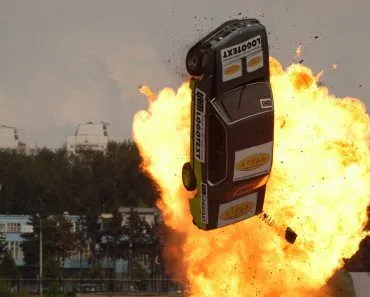
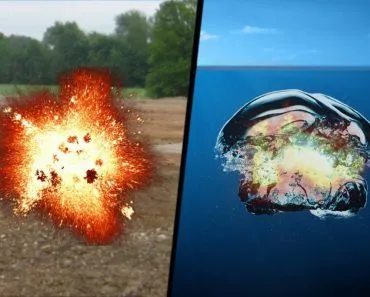
You may have been led to believe that explosions are flashy and cinematic, where a gigantic fireball erupts out of nowhere and towers over everything else. Now, while these types of huge explosions can happen, more often than not, real-life explosions are considerably different from the ones they show in movies.
Fire And Shrapnel
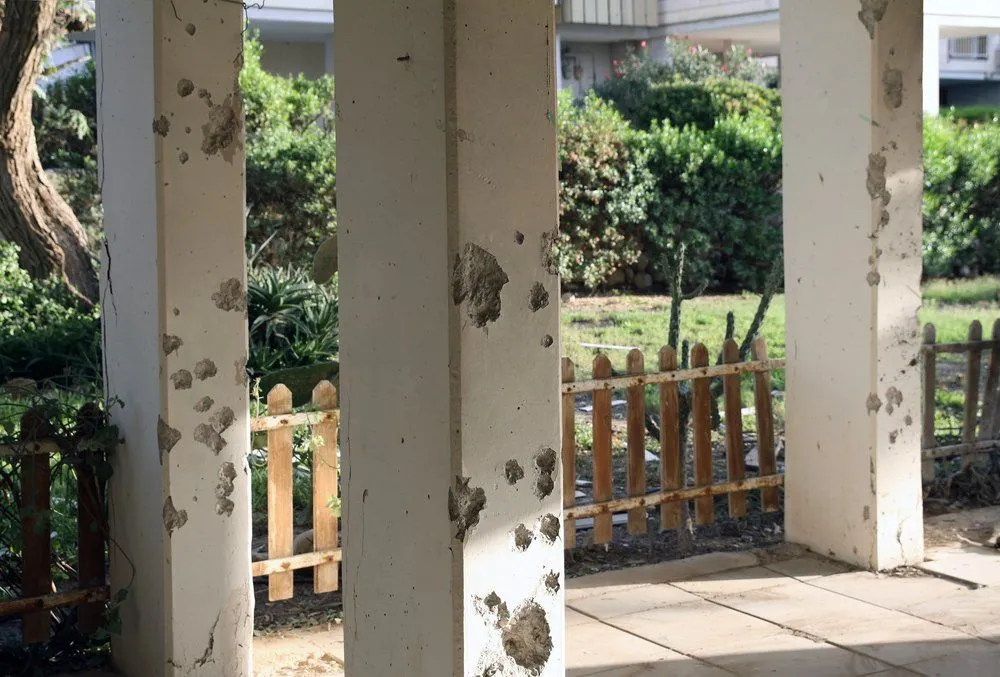
Trauma doctors actually sort blast injuries into four buckets: primary (the pressure wave itself), secondary (flying debris), tertiary (your body being thrown into things) and quaternary (burns, smoke and everything else). The one most people picture is the secondary kind. An explosion flings a sudden shower of hot metallic fragments in all directions, and these pieces, called shrapnel, can punch through skin without much difficulty. Because they spray out so widely, shrapnel is the most common cause of serious injury after a bombing.
Blast Wave
What many people don’t know about (or don’t consider much of a threat) is the blast wave that accompanies the explosion. When an explosion goes off, the detonation releases a huge burst of energy in a fraction of a second, slamming the surrounding air outward as a wall of high-pressure gas. That moving wall is the blast wave, and the spike in pressure it carries above normal atmospheric pressure is called the overpressure. It races out from the blast faster than sound, and it is this pressure jump, not the flames, that does the quiet, invisible damage.
The Problem Of Abrupt Pressure Change
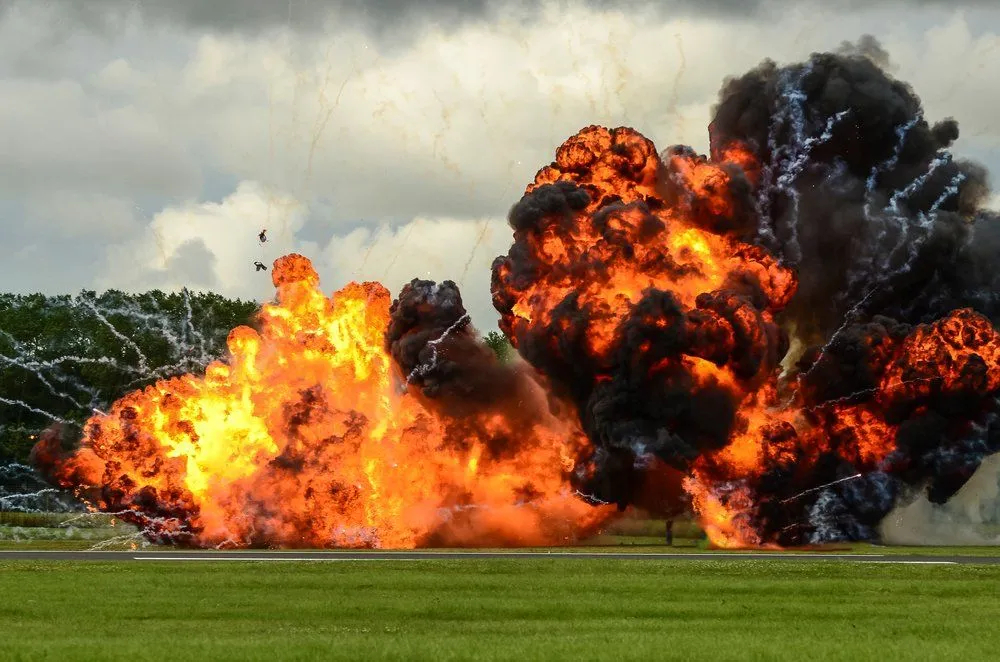
Do you realize that you’re always ‘walking through air’? We know that we’re surrounded by air all around us, but do you ever think about the fact of actually walking through it? You don’t, thanks to the thousands of years of human existence on the planet. Humans (and animals too, for that matter) are accustomed to a certain amount of air pressure around us; this is why you don’t get crushed by atmospheric pressure.
Now an explosion shatters that calm in an instant. The overpressure wave squeezes your body with a sudden, violent jump in pressure, and your air-filled organs (the lungs, the ears and the gut) take the worst of it. The eardrum is the most fragile: it can tear at an overpressure of just 35 kPa (about 5 psi), which is why ruptured eardrums are one of the most common injuries seen in bombing survivors. Push the overpressure higher and the lungs start to bruise and bleed, an injury doctors call blast lung. Reach roughly 100 to 200 kPa (about 15 to 29 psi) and the direct effect of the pressure alone becomes lethal for a growing share of people, even before any debris touches them.
Then there is the wind. The same wave drags a torrent of air along behind it, and this blast wind is ferocious. Going by data from nuclear-weapon studies, an overpressure of 35 kPa (about 5 psi) whips up a gust of roughly 260 km/h (about 163 mph), while 138 kPa (about 20 psi) drives a wind near 760 km/h (about 470 mph). So what would a wind like that do to a person standing nearby?
It can knock them off their feet and send them flying through the air, and that, my friends, is not a pleasant journey!
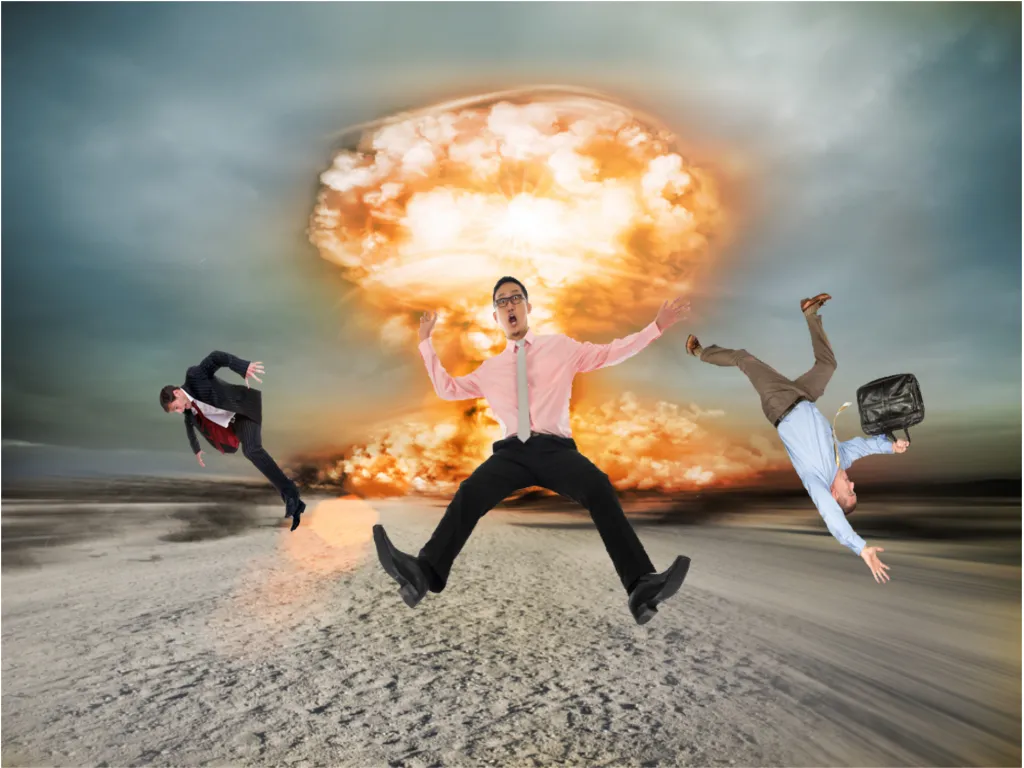
In fact, the wind and the wave together can hurl people into walls, vehicles and other rigid objects with enough brute force to be deadly all on their own. There is one piece of good news buried in all this physics, though: overpressure fades fast as you move away from the blast. Double your distance from a small charge and the pressure spike drops by far more than half, because the energy spreads out over a rapidly expanding sphere of air. Distance, not bravado, is what actually keeps people alive.
To conclude, it might look cool to see Wolverine casually walking away from an explosion with his “the-bad-guy-deserved-it” look on his face, but in real life, that just wouldn’t happen.
Your best bet against an explosion is: