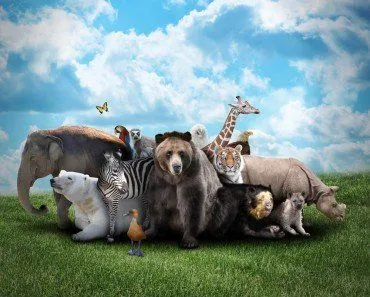
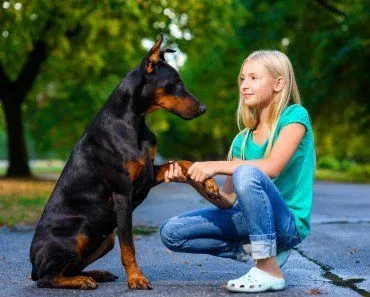
Almost all air-breathing animals sneeze — humans, dogs, cats, elephants, bears, reptiles and birds. Fish can’t sneeze because they have gills instead of lungs, and even whales and dolphins don’t sneeze the way land mammals do.
We have all come across at least one person in our life who sneezes with a huge “Aachoooooo!!” and it feels like a gust of wind flows past whenever they sneeze. It won’t come as a surprise to you that apart from humans, many animals sneeze too! Their sneeze might not feel like a storm—unless it’s coming from an elephant—but most animals do sneeze as a response to nasal irritation.

Why Do Animals Sneeze?
Sneezing is a reflex in response to irritants in the upper nasal canal, often on the mucus lining of the nasal passage. It is a way of clearing out irritants from the respiratory tract by involuntarily blowing out air from the lungs through the nose and mouth.
Dust, pollen, mucus or any other obstruction can irritate the nasal canal. Besides these, strong smells that irritate the nose, allergies, an infection, a tiny nasal parasite known as nasal mites, or even changes in external conditions, such as a sudden drop in temperature or exposure to bright light, can cause an animal to sneeze.
Commonly, cats sneeze due to cat flu, caused by viruses. Feline herpesvirus type 1 (FHV-1) or feline calicivirus (FCV) are the main causes of cat flu. Dogs, however, can use sneezing as a form of communication with humans and other animals. They even use it as a sign to show that they are excited and ready to play by “play sneezing“.
Isn’t that just adorable?
Do All Animals Sneeze?
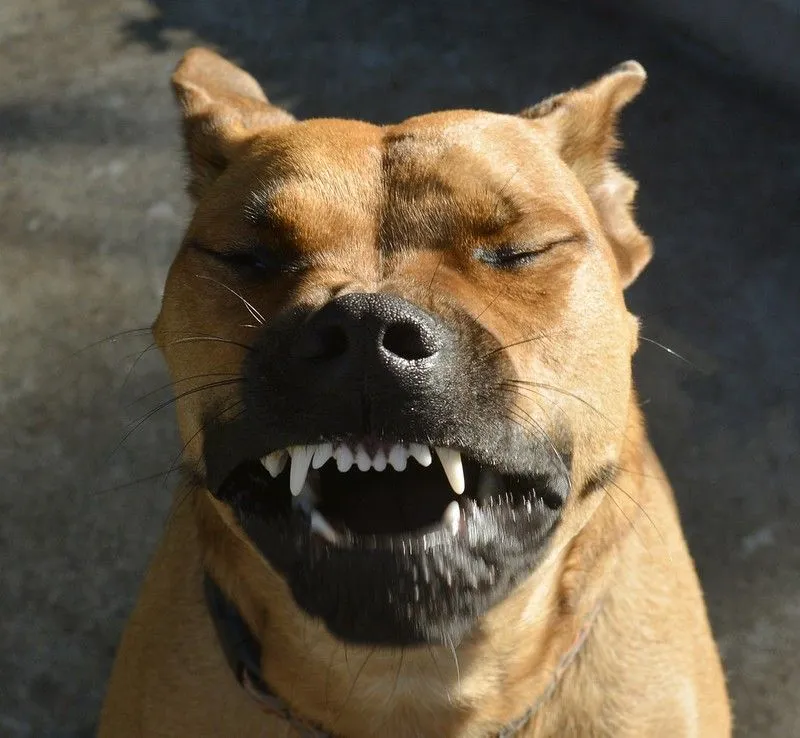
Many animals, including humans, pandas, tigers, bears, reptiles and elephants sneeze. You might have also seen pets like dogs, cats, rabbits, guinea pigs and horses do it.
Now, perhaps we can imagine these animals sneezing, but how do elephants sneeze with their big, long trunks?
The elephant trunk can perform many different functions, such as smelling, touching, hearing, carrying and, of course, sneezing. Even though the trunk performs so many tasks, it is still technically the nose of an elephant. They have 150,000 muscle units and two nostrils running down their trunks. Due to the presence of millions of olfactory receptor cells, they actually have a better sense of smell than dogs! They can even sense various vibrations with their trunks, and in a way, use their trunk to hear.
Just like a human nose, the elephant trunk has hair-like structures called cilia. The wavy movement of cilia can remove irritants from the nasal passage. Elephants have fewer cilia, so their trunks are less sensitive to foreign particles. This is why they sneeze less often than humans.
However, when they do, it can be loud, accompanied by a good drizzle of mucus.
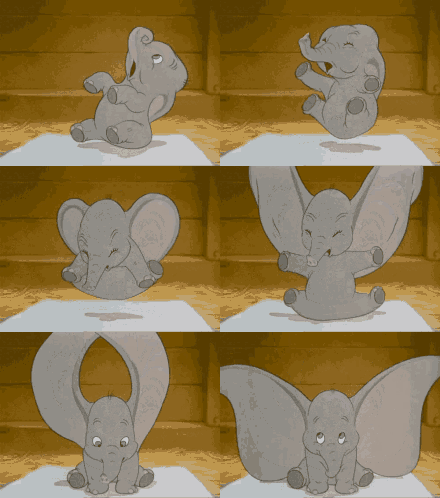
Some dogs have a condition known as reverse sneezing or paroxysmal respiration. In this condition, the dogs make snorting sounds, trying to inhale while sneezing.
This happens when a dog is rapidly pulling air into their nose. This condition might seem scary, but it is common in dogs and has no ill effects on their health. The exact cause remains unknown, but any irritation to the nose can trigger this reverse sneezing.
African wild dogs use sneezing as a voting mechanism to make a consensus decision. Researchers found that the more sneezes there are at a rally, the more likely it is that dogs are being sent on a hunt. I guess even wild dogs have democracy!
Interestingly, most animals cannot sneeze while sleeping. Animals wake up to sneeze only when there is enough irritation to cause the sneeze-stimulation.
Now… what about aerial animals… can they sneeze too?
Birds, just like other animals, are capable of sneezing. Irritants like dust, cigarette smoke, fumes, feather dust, bacterial or fungal infection and vitamin A deficiency can all cause sneezing in birds. It is normal for birds to sneeze, but if it’s accompanied by wet nasal discharge, it can be a cause of concern. The wet discharge is a symptom of an infection caused by viruses, bacteria, fungi, parasites or malnutrition.

Is There Any Animal That Can’t Sneeze?
So far, we have established that to sneeze, an animal must have the ability to move air up from the lungs and out through the nose. Therefore, lungs and nasal passages must be present to sneeze.
Fish though, don’t all have lungs. Instead, they have gills to take in oxygen dissolved in the water. It is a good thing they don’t have lungs because if they did, you might find them floating on water. On a lighter note, wouldn’t it be hilarious to find a fish sneezing while looking through the aquarium tank?
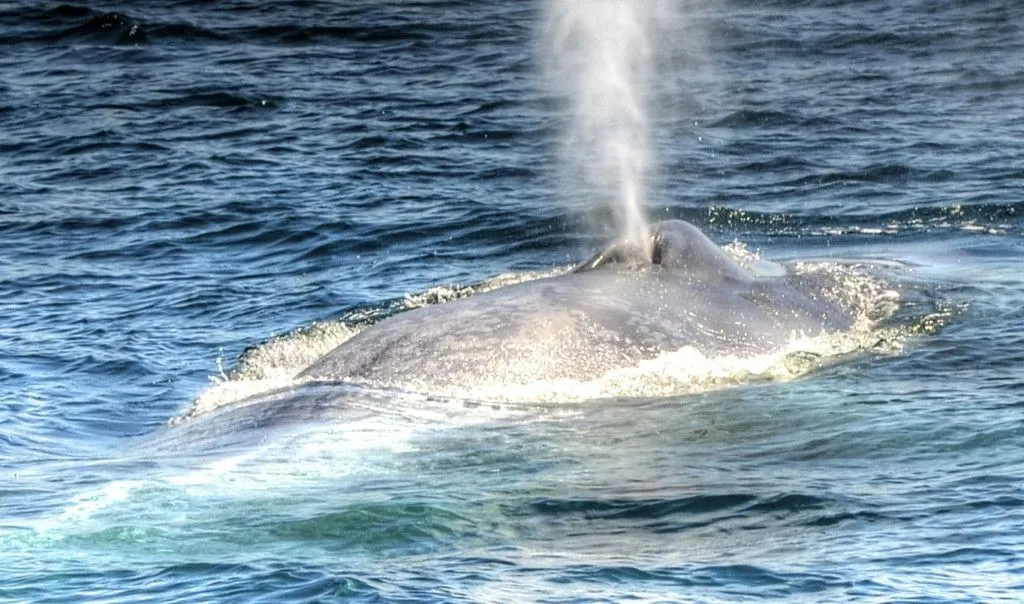
Fish like sharks have two nostrils, but cannot perform the dual function of smelling and breathing like a nose. They can smell through the nares, but they can’t sneeze. This is because they don’t have lungs and, unlike the human nose, their nostrils don’t join at the back of the throat. While they might not be able to sneeze, their nares have a powerful sense of smell that can detect even minuscule traces of blood in the water.
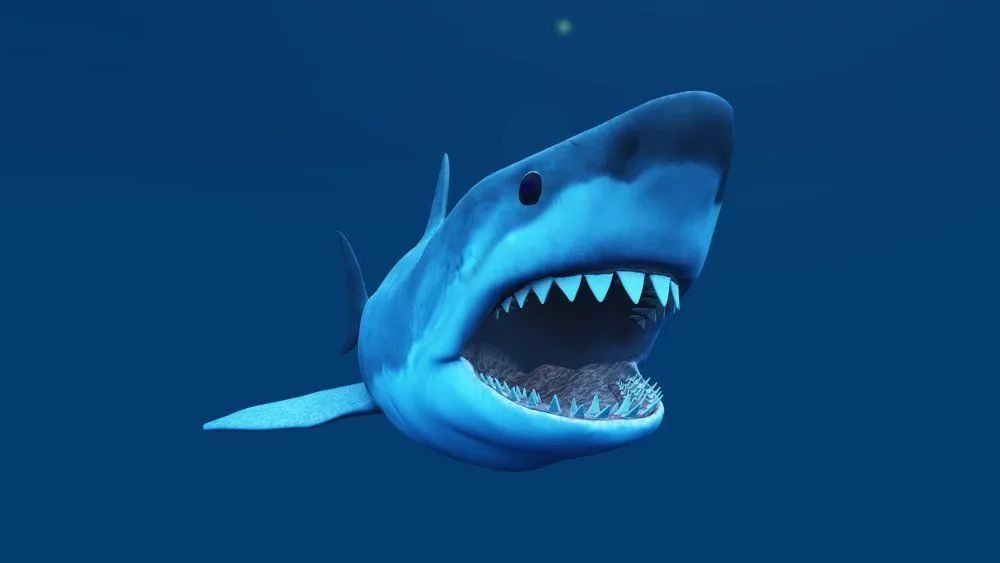
Some marine animals, like marine iguanas and whales, can expel unwanted substances through their nose. Living in the salty oceans, marine iguanas can have high intakes of salt, which can be fatal. To get rid of salt from their snots, they quite literally ‘sneeze salt’. There are special glands in iguanas that remove salt from the blood. The salt is then forcefully expelled through their nose excretion, which might look like a sneeze to us. (Source)
Whales and dolphins are the only aquatic animals with lungs instead of gills. Whales breathe through the nostrils present on the top of their heads, called blowholes. They have to swim back to the surface to breathe by pushing water out through those blowholes. This can be considered as a controlled sneeze that expels water and air. Despite having lungs, whales and dolphins cannot sneeze the way humans can.
Which Animals Sneeze And Which Don’t?
If you have ever typed “do fish sneeze?” or “do sharks sneeze?” into a search bar, here is the quick rundown. The rule of thumb is simple: a true sneeze needs lungs that can shove air up and out through nasal passages, triggered by irritation in the nose. Anything built that way can sneeze; anything that isn’t, can’t (even if it does something that looks like one).
- Dogs, cats, bears, tigers, pandas, horses, rabbits and guinea pigs: Yes. All of these land mammals share the same lung-and-nose plumbing we do, so they sneeze for the same reasons (dust, pollen, infections, a tickle in the nose).
- Elephants: Yes, and loudly. The trunk is just a very long nose, so a sneeze travels the whole length of it.
- Birds: Yes. Birds have lungs and nostrils (called nares, usually near the base of the beak) and will sneeze to clear dust, feather debris or fumes.
- Reptiles: Sort of. Snakes and lizards can force air out with a sneeze-like wheeze or click, usually when irritated by tank dust or, more often, a respiratory infection. It is not the crisp “achoo” of a mammal, and persistent reptile sneezing is usually a sign to call a vet.
- Fish and sharks: No. With gills instead of lungs and nostrils that don’t connect to the throat, they have nothing to power a sneeze. They can do a sharp “cough,” flaring the gill covers to flush out debris, but that is gill-clearing, not sneezing.
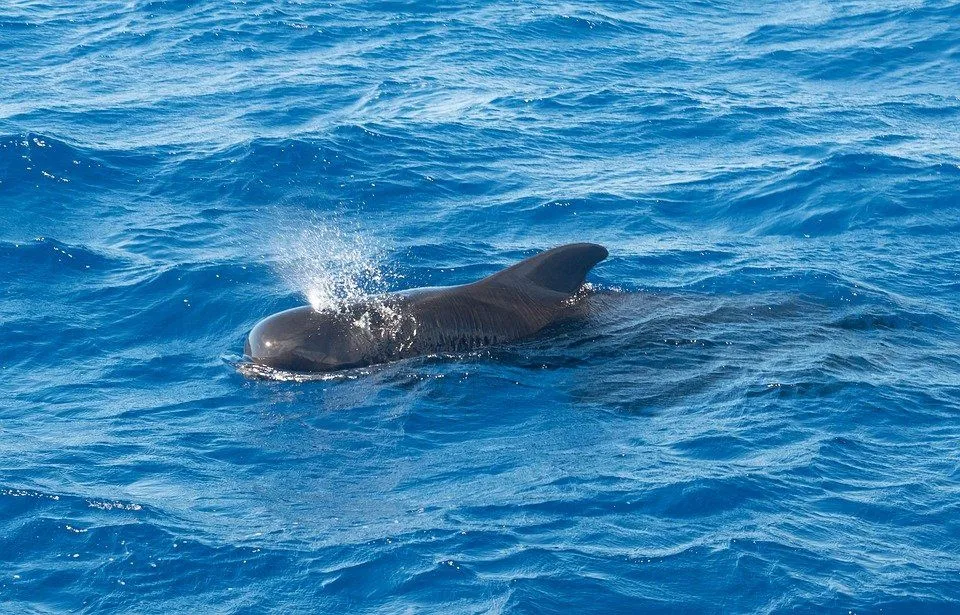
- Whales and dolphins: No, not in the human sense. They breathe through a blowhole on top of the head, and the forceful “blow” when they surface is a controlled exhale, not a reflex sneeze.
So the short answer to “what animals don’t sneeze?” is mainly the water-breathers (fish and sharks) and, despite having lungs, whales and dolphins.
Why Does My Pet Keep Sneezing? Is It Normal?
An occasional sneeze from a pet is completely normal, just the body clearing out a bit of dust or a tickle. What is worth watching is a pet that keeps sneezing, especially with other symptoms.
In cats, repeated sneezing is most often “cat flu,” an upper respiratory infection usually caused by feline herpesvirus type 1 (FHV-1) or feline calicivirus (FCV). In both cats and dogs, sneezing is a classic sign of rhinitis (inflammation of the nasal lining), and a vet should take a look if it comes with thick or colored nasal discharge, pawing at the face, or labored breathing.
Birds are a special case that searchers ask about a lot. A dry sneeze here and there is fine, but if a bird sneezes repeatedly with wet nasal discharge, that points to an infection (viral, bacterial, or fungal), parasites, or a vitamin A deficiency, and warrants an avian vet.
And then there is the one that scares dog owners most: reverse sneezing. Instead of blowing air out, the dog rapidly pulls air in through the nose with loud snorting sounds, often standing with the neck extended and elbows out. It is triggered by irritation at the back of the nose and throat (the nasopharynx), and is reported more in small dogs (under about 15 kg / 33 lb) and flat-faced “brachycephalic” breeds. It looks alarming, but for most dogs it is harmless and passes on its own within seconds.
What Animal Sneezes The Most?
There is no tidy world record for this, but a few good candidates stand out. Among everyday pets, dogs are frequent sneezers thanks to their constant nose-to-the-ground exploring (and that bonus “play sneezing” they use to signal excitement). Flat-faced breeds like pugs and bulldogs sneeze and reverse-sneeze more often because of their crowded airways.
For sheer frequency, though, the marine iguana might win. Living in salty seas, it takes in far more salt than its body can handle, so special glands pull the salt from its blood and it forcefully expels the concentrated brine out through its nostrils, again and again. It looks exactly like a sneeze, which is why these lizards are sometimes nicknamed the ocean’s “salt sneezers.” It isn’t a true irritation-triggered sneeze, but few animals fire off something so sneeze-like so regularly.
The least sneezy? Anything that breathes water. With no lungs to power the reflex, fish and sharks essentially never sneeze at all.
Conclusion
All mammals, birds, reptiles and in a way, some aquatic animals, sneeze. It is a natural response to irritation in the respiratory tract and is a common occurrence. Unlike humans, animals do not understand the concept of being polite versus rude, so they don’t stifle their sneezes to be discreet. Animals sneeze loud and open and quite frankly, it’s hilarious to watch.
References (click to expand)
- J Askenasy. Georhinology A history of 338 million years of the sneezing nose. www.old.rinologie.ro
- Walker, R. H., King, A. J., McNutt, J. W., & Jordan, N. R. (2017, September 6). Sneeze to leave: African wild dogs ( Lycaon pictus ) use variable quorum thresholds facilitated by sneezes in collective decisions. Proceedings of the Royal Society B: Biological Sciences. The Royal Society.
- Hazard, L. C. (2004, March 3). Sodium and Potassium Secretion by Iguana Salt GlandsAcclimation or Adaptation?. IguanasBiology and Conservation. University of California Press.
- Reverse Sneezing. Riney Canine Health Center, Cornell University College of Veterinary Medicine.
- Rhinitis and Sinusitis in Dogs and Cats. Merck Veterinary Manual.
- Sensory Innervation of the Gills: O2-Sensitive Chemoreceptors and Mechanoreceptors. PMC, NCBI.