Spaceflight reshapes an astronaut’s psychology in both directions. Many report a positive cognitive shift called ‘the overview effect’ after seeing Earth from orbit, while the isolation, confinement and disrupted circadian rhythm of life in space also drive sleep deprivation, anxiety and depression.
The thrill of outer space is timeless, beginning when the first person became conscious of the stars beaming down from the sky. It was intrinsic in the tales that were passed along between cultures and generations, humanizing the stars and planets into mythological gods and goddesses.
The enormity of space gave birth to curiosity in equal measure, driving probing minds to decipher the science behind the movement of stars and planets, how they are born, how they will die, forming and supporting the scientific models we develop about the nature of reality.
This accumulation of facts and understanding about both the terrestrial and extra-terrestrial has led to technologies that have enabled us to explore other worlds in our solar system and beyond. It has enabled us to walk on the Moon and look at Earth from a never-before-seen perspective.
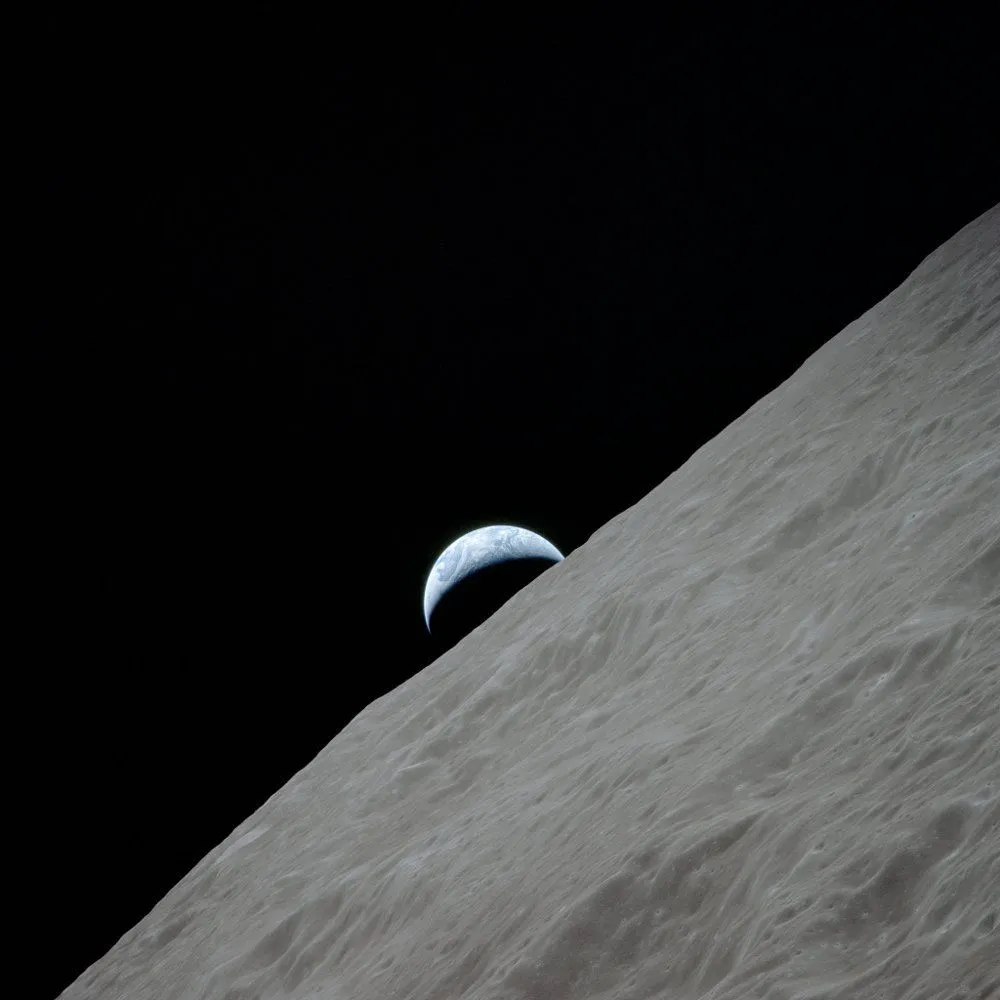
Such extraordinary experiences are bound to have an impact on the psychology of astronauts, both positive and negative. Let’s explore the mental changes a journey to outer space has on an astronaut.
The Overview Effect
Living on Earth and seeing it from the terrestrial vantage point comes with a myopic view on what matters most. This myopic perspective is the reason for the conflicts that arise between people, the greed that succumbs to short-term profits at the peril of the environment, and the need to differentiate among each other through caste, creed and the imaginary boundaries that segregate countries.
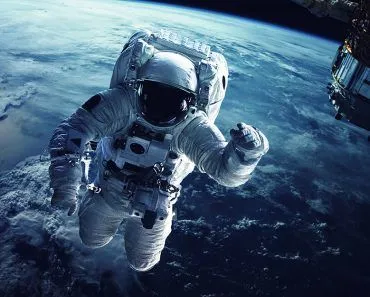
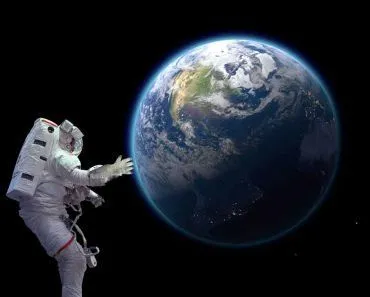
These motivations are inherently rooted in imaginary realities, one that gets completely crushed when seen from outer space. Apart from how beautiful Earth looks from space, many astronauts report how fragile the planet appears with its paper-thin atmosphere, the only thing that shields the plethora of life forms on the planet from the harshness of space. A cognitive shift happens that many astronauts report after seeing Earth from space, an experience called ‘the overview effect’.
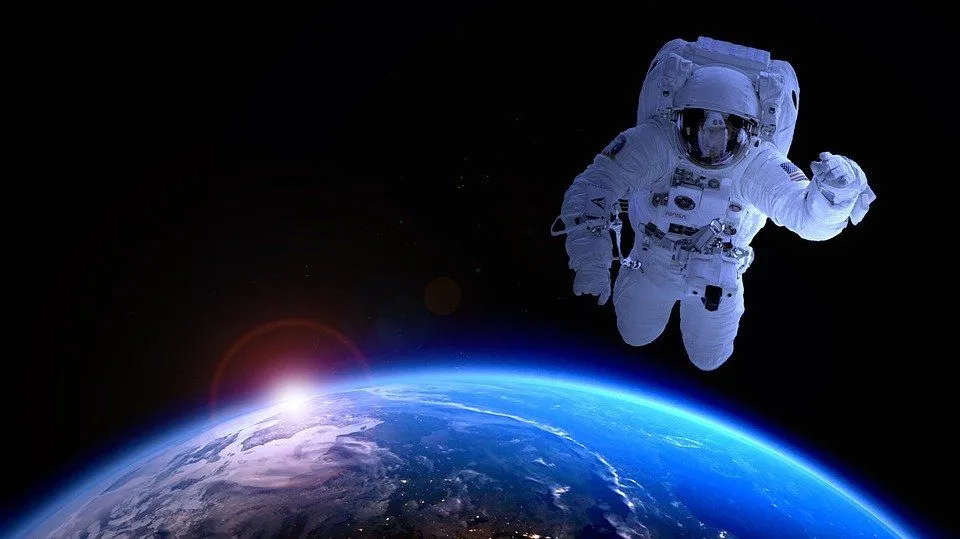
With an awareness of the fragility of Earth comes the realization of how petty our conflicts seem back on Earth, how trivial they appear in the grand scheme of things. It highlights how we ignore the most important aspect of our survival (the gruesome reality of climate change) and keep doing things driven by our misplaced priorities. This is aptly described by the Apollo 14 astronaut, Edgar Mitchell,
“You develop an instant global consciousness, a people orientation, an intense dissatisfaction with the state of the world, and a compulsion to do something about it. From out there on the moon, international politics look so petty. You want to grab a politician by the scruff of the neck and drag him a quarter of a million miles out and say, ‘Look at that, you s*n of a b*tch.’”
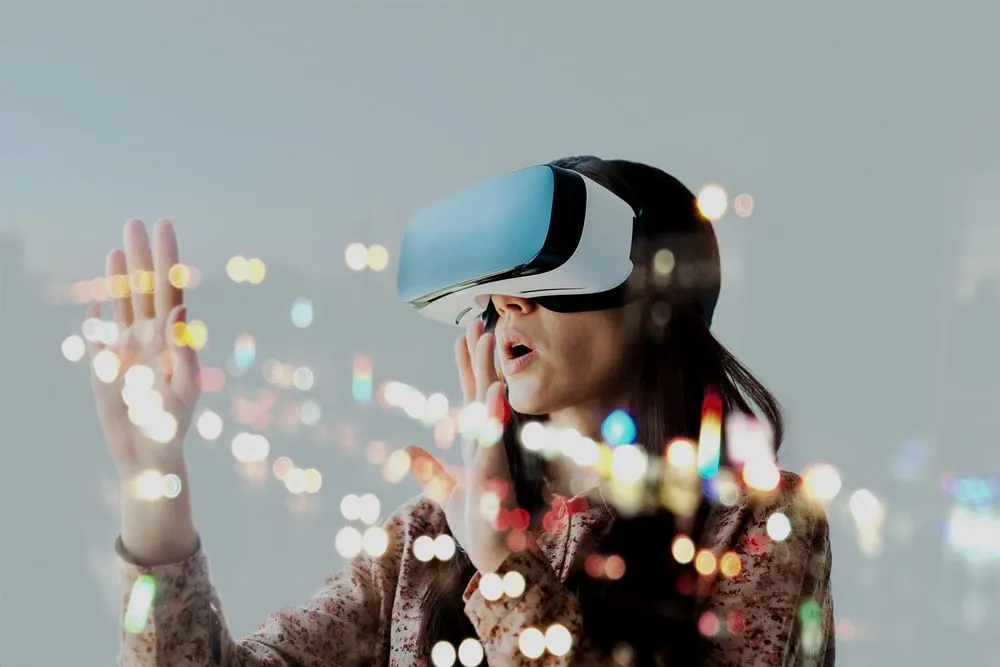
Attempts have been made by the European Space Agency to recreate this feeling back on Earth, by using VR (Virtual Reality) headsets to visualize what the Earth looks from space. Perhaps one day we will be able to completely replicate this effect back on Earth and help the population realize what our most important priorities should be.
The Mental Toll Of Living In The International Space Station (ISS)
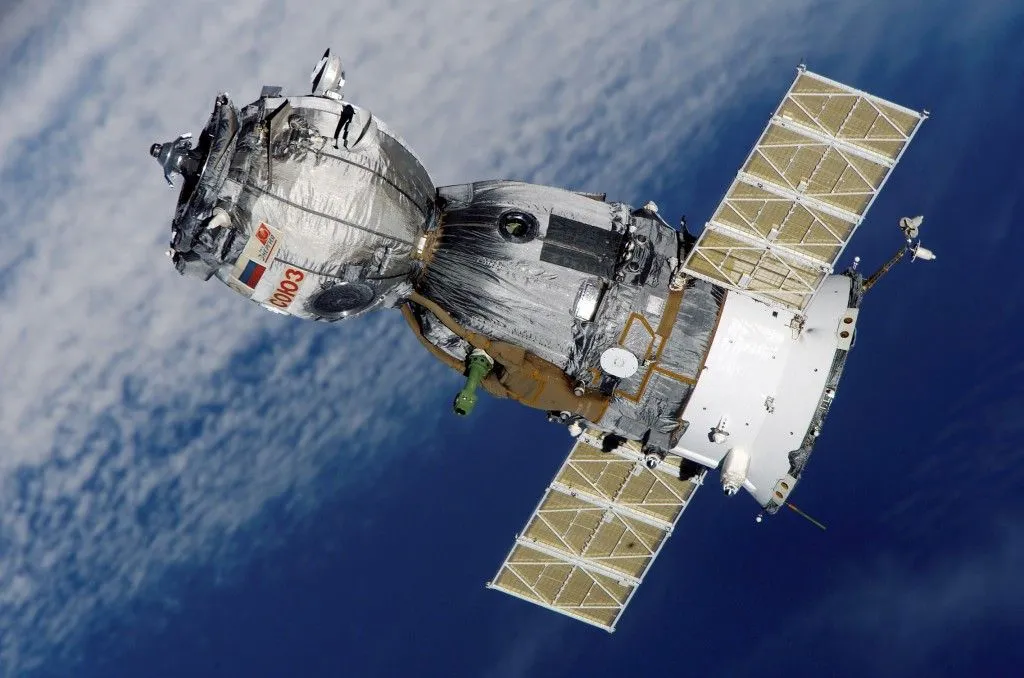
The ISS is hurtling through Low-Earth Orbit (LEO) at a speed of roughly 28,000 km/h (about 17,500 miles per hour). Jointly operated by NASA (USA), Roscosmos (Russia), JAXA (Japan), ESA (Europe) and CSA (Canada), it orbits Earth at an average altitude of about 400 km (250 miles) and completes around 16 circles per day, once every 92 minutes. In other words, the astronauts see the Sun rise and set 16 times every day!
The ISS measures about 109 meters (358 feet) end to end and 73 meters (239 feet) across its solar arrays, roughly the footprint of an American football field, and components get added and removed periodically. The station is inhabited by astronauts conducting research in various fields, while also using it as an observatory to explore Earth and outer space. It is also intended to be a transportation center for spacecraft that are bound for the Moon, Mars and other interplanetary voyages.
The crew is not only responsible for the scientific experimentation and research being conducted onboard, but also the upkeep and maintenance of the vessel, a vessel that is continuously in motion and exposed to the worst possible elements. Such conditions are bound to have a significant impact on the psyche of the astronauts and is therefore a significant area of study for researchers.
The most common effect of space is the initial contact, getting used to such an alien environment. Astronauts are often seen to display anxiety or depression as they adjust to the novelty of space, although severe psychological effects like schizophrenia and manic-depression haven’t been reported, according to post-psychiatric screenings of astronauts. Other causes of stress are the high pressure of work while being under frequent public scrutiny, being away from home and family, and missing important events (astronaut Michael Fincke was orbiting aboard the ISS in 2004 when his daughter was born, listening in over a radio link rather than being there in person).
Sleep is another major factor that affects the mood and efficiency of the astronauts. Due to the irregularity in life and the constant rotation of sunrise and sunset, the circadian rhythm of the astronauts goes completely haywire, resulting in poor quality of sleep. The shuttle itself is noisy, with essential equipment always in operation to sustain the vessel. In a decade-long NASA-backed study, around three-quarters of the ISS crew members surveyed relied on sleeping pills at some point to get some rest, yet still managed an average of about 2 hours less sleep than they would back on Earth. Sleep is so critical for functionality that nearly half of all medications astronauts take in orbit are to help them sleep better. Low-Earth Orbit living is a restless endeavor, indeed.
Psychological Health Is Paramount For Becoming A Multi-Planetary Species.
For humans to become a space-faring species, we must understand and be able to minimize the psychological toll that space travel can cause. Efforts are being made to simulate long-distance travel to Mars here on Earth to prepare astronauts and ground mission control for the challenges they could encounter during such a mission.
The Mars 500 mission did just that, as it studied astronauts during a simulated 520-day round trip to Mars. The researchers found that, as the mission progressed, there was a change in the perception of time in individuals, as well as crew tensions with mission control. However, as the astronauts were given autonomy (ability to plan their own missions), their needs reduced, showing some adaptation to their situation. Group values became more coherent, but the astronauts reported feelings of loneliness as time passed.
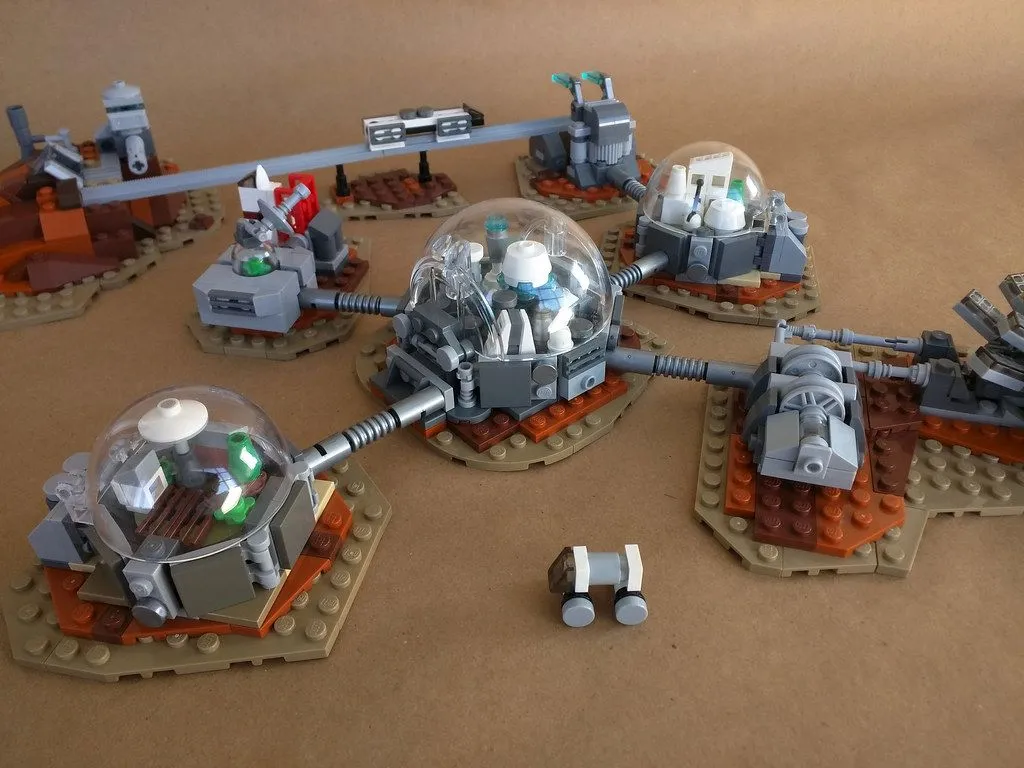
Many more studies of this kind are needed to ensure a smooth journey as lunar and Mars missions progress. That work is no longer hypothetical: in April 2026, NASA’s Artemis II crew flew around the Moon and back, the first crewed lunar mission since 1972, with crewed landings and eventual Mars expeditions to follow. Real-time data from these journeys will further sharpen our understanding of the psychological effects of space travel and the measures needed to counter them.
References (click to expand)
- Psychology of Space Exploration - NASA. The National Aeronautics and Space Administration
- Sleep deficiency and sleep medication use in astronauts. ScienceDaily / Brigham and Women’s Hospital
- The Burden of Space Exploration on the Mental Health of Astronauts: A Narrative Review. PMC, National Library of Medicine
- The Overview Effect: Astronaut Perspectives from 25 Years in Low Earth Orbit. NASA
- ESA - Mars500: study overview - European Space Agency. The European Space Agency