Table of Contents (click to expand)
We speak without speaking through non-verbal communication, which carries meaning through five channels: kinesics (body language, gestures and facial expressions), proxemics (the distance we keep), oculesics (eye contact), haptics (touch) and physical appearance. These silent signals often reveal a person’s true feelings and attitudes more honestly than their words do.
Communication lies at the core of human relationships. As social animals, communication is the medium by which we understand the needs of one another, convey our own needs and establish healthy social contact. Have you ever wondered how we understand that a sibling doesn’t feel like goofing off, a colleague is unwilling to help you, or your spouse is angry without them ever saying so? We can convey a huge amount of information without ever uttering a word. You may have heard the popular claim that “90% of communication is non-verbal,” but that statistic is one of the most misquoted figures in all of psychology. It traces back to psychologist Albert Mehrabian, whose famous 7-38-55 rule found that when we judge someone’s feelings and attitudes, 7% of the impression comes from their words, 38% from their tone of voice and 55% from their facial expression. Mehrabian himself has repeatedly stressed that the rule applies only to communicating emotions, and only when the words and the body signals contradict each other, not to every conversation. So non-verbal cues do not literally outweigh words in all communication, but they carry enormous weight whenever feelings are involved, and that is exactly when we read them most closely.
Non-Verbal Communication
Non-verbal communication is a non-spoken response given by a sender to a receiver with or without having the awareness of doing so. It is also known as the ‘silent language’. It involves Kinesics (body language, facial expression and gestures), Proxemics (personal space), Oculesics (eye contact), Haptics (touch) and physical appearance.
Kinesics
Kinesics refers to non-verbal behavior related to the movement of the body, whether a single part or the whole. The term was coined in 1952 by American anthropologist Ray Birdwhistell, who argued that gestures, posture and expression carry meaning much like spoken language does. Body language can either support your words or reveal true feelings, moods or attitudes. The different aspects of body language, or kinesics, are as follows:
Posture: An open posture shows receptiveness. Facing the person and leaning slightly towards them shows attentiveness, whereas turning away from the speaker shows disinterest or the desire to evade a conversation. Sitting by folding a leg away from the person shows disinterest and a closed attitude.
Gestures: Simple movements like nodding, open palms and slightly moving your hands while conversing has a positive effect during conversations. Whereas staring blankly, folding arms, rolling eyes, pointing fingers, shrugging or closed fists represent repulsion and non-cooperative behavior.
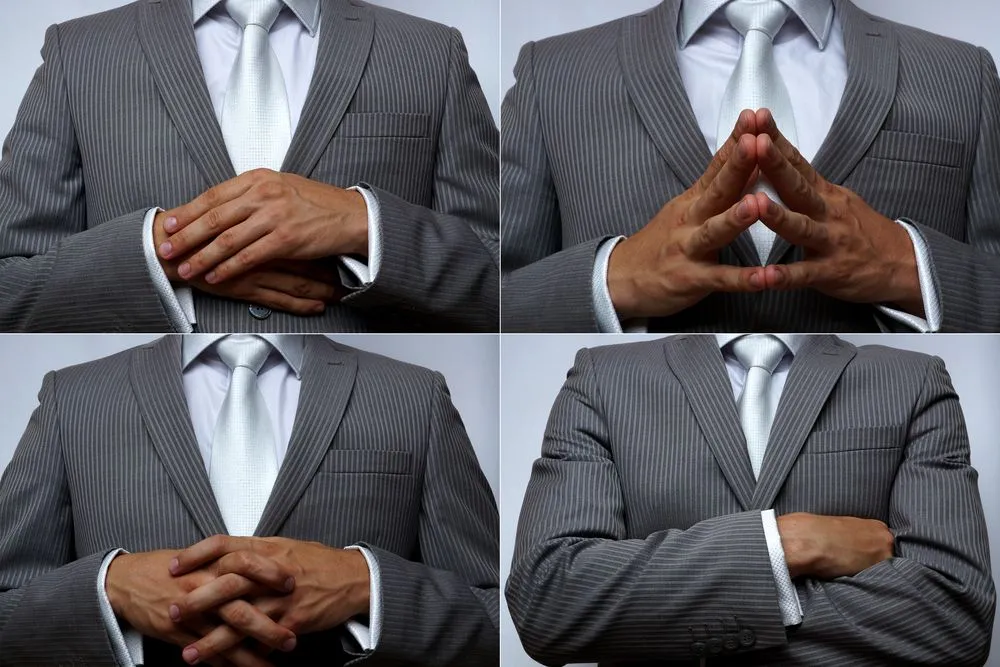
Facial expressions: Our face can give away more than we expect. It is what one looks at while having a conversation. A wrinkled forehead and raised eyebrows show stress and surprise. Staring for long periods of time, dilated eyes and clenching your teeth shows anger.
Proxemics
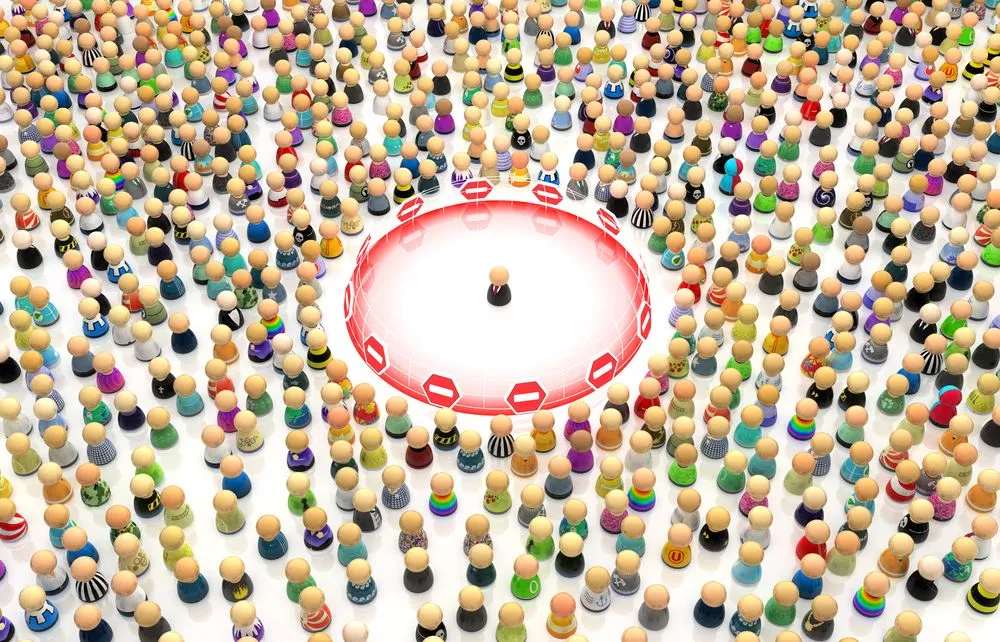
Proxemics, or personal space, is the distance between the speaker and the receiver during a conversation. The concept was introduced by anthropologist Edward T. Hall in his 1959 book The Silent Language, and Hall later mapped out four zones we move between depending on the type of relationship we have with a person: intimate distance, personal distance, social distance and public distance. (These figures are averages for adults in Western cultures; the comfortable distance varies widely from one culture to another.) Just by noticing the distance between two people conversing, we can often read the kind of relationship they share:
- Intimate distance is the closest proximity between two people, from skin contact out to about 46 cm (18 inches). It is reserved for whispering, hugging or touching.
- Personal distance is used for interactions between family members and close friends, roughly 46 cm to 1.2 m (1.5 to 4 feet).
- Social distance is used among acquaintances at social gatherings and in formal settings, roughly 1.2 to 3.7 m (4 to 12 feet).
- Public distance is the greatest distance we keep, beyond about 3.7 m (12 feet). It is typical of public speaking, such as a lecturer addressing a hall.
Oculesics
Eyes are the windows to the soul… as the old saying goes, and there is some truth in it. Oculesics, or eye contact, is one of the most powerful channels we have for sending and receiving information. We can read a great deal about a person simply from where and how they look. Holding eye contact while someone is talking acts as a kind of positive reinforcement for the speaker. It shows that you are interested in the conversation and are taking his or her words seriously.
At the same time, rolling your eyes, blinking too much or not blinking at all, and looking away from the speaker can signal disinterest. One word of caution, though: the popular idea that you can spot a liar because they avoid eye contact is a myth. It is the single most common belief about lying worldwide, yet study after study has found that liars are no more likely to look away than honest people, and skilled liars often hold eye contact more deliberately to seem convincing. So gaze on its own tells you little; meaning emerges only when you read the eyes together with the rest of a person’s body language. Holding a steady, unblinking stare, for instance, can signal intense hostility or intense attraction.
Haptics
Haptics is the study of touch as communication. Psychologist Richard Heslin grouped touch into six categories: unintentional, positive, playful, control, task-related and ritualistic. Touch can sometimes be difficult to interpret and is easily read the wrong way. Touching someone while walking in a crowd can be unintentional, but it can also be taken in the wrong way. Patting someone’s back or a handshake is a positive touch. Touching while playing outdoor games like rugby can be playful, as well as task-related. A parent holding a child’s hand while crossing the road is control. Touch during various ceremonies like marriages is ritualistic.
Physical Appearances
The way one dresses and keeps appearances helps other individuals form a perception about them. People are taken more seriously if they are neatly dressed or wearing uniforms. Clothes can carry more weight than words. A doctor is taken much more seriously when he or she wears a lab coat, while a police uniform instantly demands compliance and authority.
How To Understand Non-verbal Communication?
- Observation: Once you understand the different aspects of non-verbal communication, carefully observe them while having your next conversation. Look for the facial expressions, gestures, proximity and the kinds of touch being employed.
- Discrepancies between verbal and non-verbal behavior: Spot the difference between what the person is saying and what she or he is actually implying. If you are asking for help from a friend and they’re saying “yes”, but their arms are crossed or they aren’t maintaining eye contact, that implies a hesitation to help.
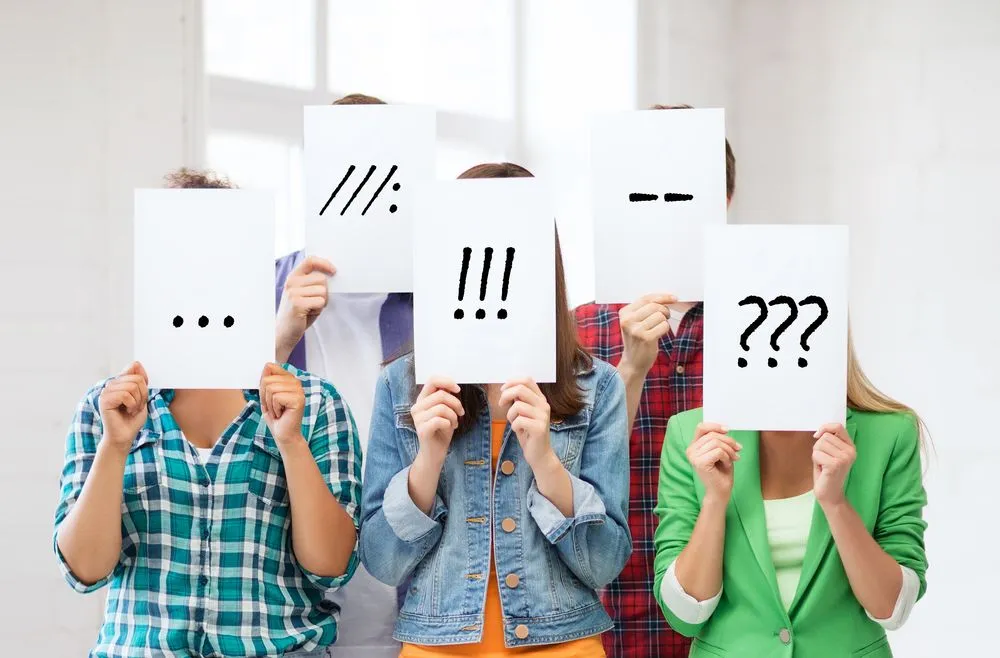
Non-verbal communication is an essential component in conversations and can tell a lot about a person without the use of words. It can save time from being duped or relying on irresponsible individuals or liars. It also helps to understand the intentions of an individual and their thoughts, feelings and attitudes towards you or the situation at hand.
References (click to expand)
- Nonverbal communication. Encyclopaedia Britannica
- Albert Mehrabian and the 7-38-55 rule. Wikipedia
- Ray Birdwhistell and kinesics. Wikipedia
- Proxemics (Edward T. Hall). Encyclopaedia Britannica
- The Global Deception Research Team (2006). A World of Lies. Journal of Cross-Cultural Psychology. PubMed
- Haptic communication (Heslin’s categories of touch). Wikipedia
- Communicating effectively. Business Queensland (business.qld.gov.au)
- (1980) Nonverbal Communication: Research and Theoretical Perspectives. ERIC (files.eric.ed.gov)